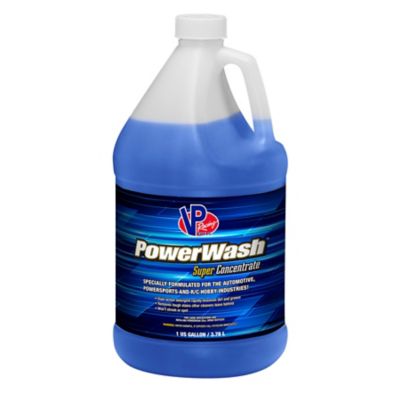
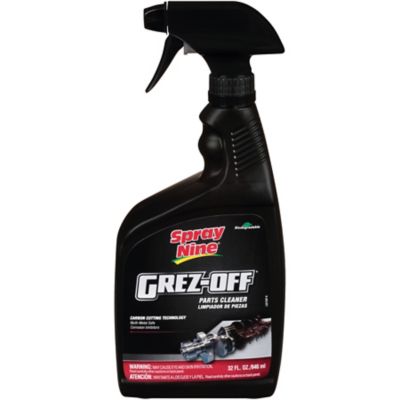
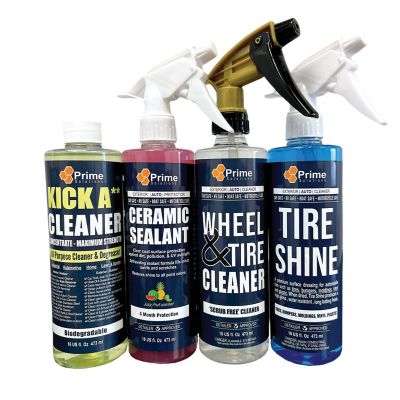
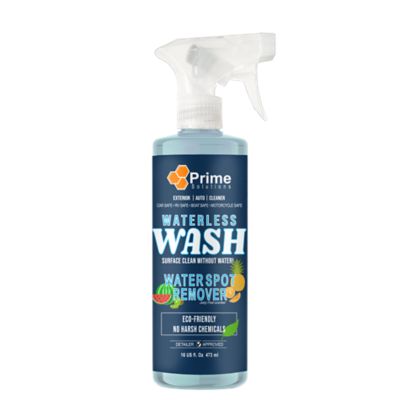
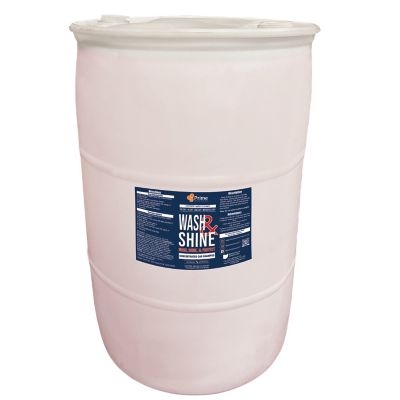
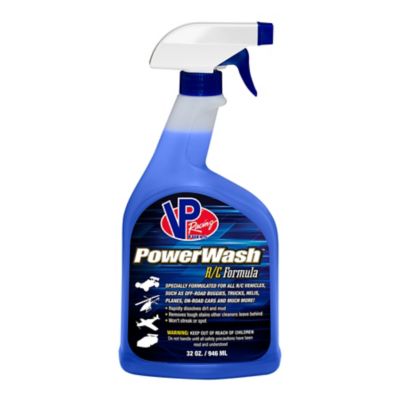
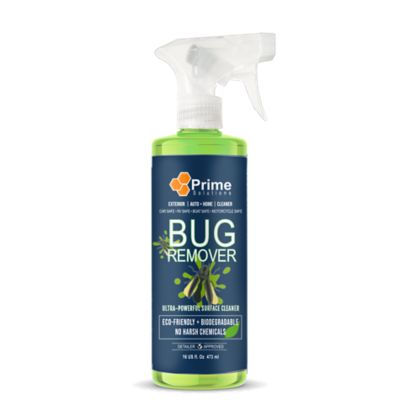
Car cleaners help take care of the vehicles that carry a little bit of everything: gravel-road dust, muddy boot prints, feed-store errands and the crumbs from lunch between stops. Whether the vehicle is a family SUV, a daily commuter or a pickup that spends plenty of time around the farm, cleaning formulas serve different purposes across its surfaces. Exterior washes loosen everyday dirt from painted body panels, while cleaners made for wheels, tires and glass address grime that doesn’t always come away with a basic wash. That distinction matters because a vehicle brings together painted metal, clear coat, rubber, plastic, glass and sometimes specialty finishes, all within a few feet of one another. A formula suited to one surface may not belong on the next. Compatibility with the vehicle’s finish is worth checking, especially around matte paint, protective films, coated wheels and unpainted trim. Car wash soaps intended for automotive finishes can help lift soil while allowing wash mitts and cloths to move across the surface with less drag. Heavy dirt still calls for care, since grit trapped against a panel can leave fine scratches even when the cleaning liquid itself is suitable. Wheel cleaners also vary in strength and intended application, with some formulated for routine road film and others aimed at stubborn brake dust. Bare aluminum, polished metal and painted wheels can have different care requirements, so a wheel’s appearance alone doesn’t tell the whole story. Tire cleaners target the buildup that collects on rubber, while tire dressings serve a separate finishing role rather than replacing cleaning. For splattered bugs, sticky tree residue or greasy marks, targeted cleaners offer another option when the label permits that application. The goal is a clean surface without unnecessary wear on the finish. For a truck parked by the barn or a car making the trip into town, that balance helps keep regular cleanup manageable without treating every speck of dirt like a full restoration project.
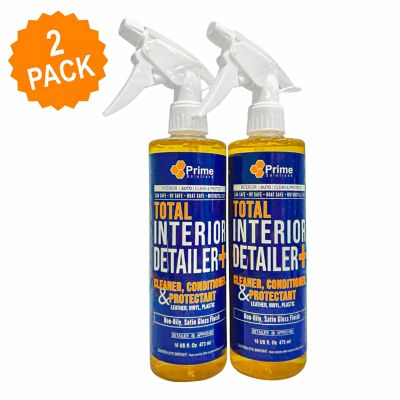
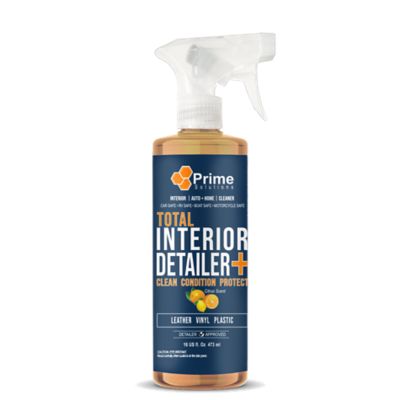
Inside the vehicle, car cleaners have a different job: handling the mess people and animals bring along while respecting materials that get touched every day. Work gloves land on the console, dogs settle onto the back seat, and boots leave dust along the door sill. Upholstery cleaners are formulated for fabric seats and carpet, where spills and tracked-in dirt can settle below the visible surface. The amount of moisture involved matters, particularly around seat seams, carpet backing and padded areas that can take longer to dry. A suitable cleaner should match both the material and the cleaning method permitted by the vehicle manufacturer. Leather seating calls for a different approach from cloth, and leather-look upholstery may actually be vinyl or another synthetic material with its own care requirements. Finishes and coatings can also affect which formulas are appropriate, so a soft feel or a particular color isn’t enough to identify the surface. Interior cleaners intended for plastic and vinyl can address fingerprints, dust and everyday marks on door panels and consoles, while low-gloss finishes help avoid an overly shiny dashboard. Screens, instrument panels and clear plastics deserve particular attention because some general-purpose formulas can haze, streak or damage sensitive surfaces. Automotive glass cleaners are another useful category, especially for the film that builds up inside windshields and the nose prints left along passenger windows. Compatibility with tinted glass is important where window film is present. Scent is a practical consideration, too: some drivers prefer a light fragrance, while others would rather keep the cab as neutral as possible. Odor-control formulas serve a different purpose from fragrance alone, and removing the source of a smell remains part of meaningful cleanup. Anyone hauling pets, heading home from a jobsite or managing a busy family vehicle can appreciate an interior that feels cared for without slick controls, damp seats or a heavy perfume hanging in the cab.
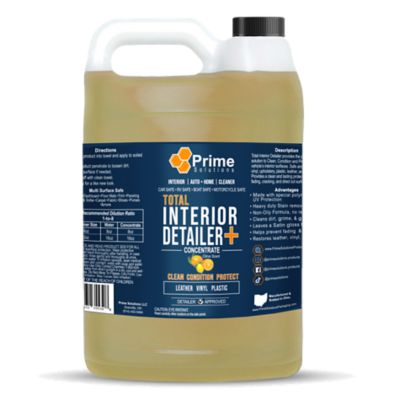
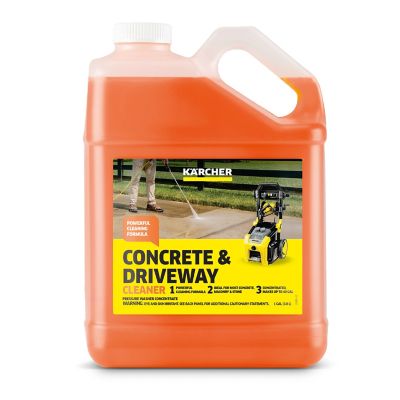
The way car cleaners are packaged and applied can make a real difference in how well they fit a regular cleaning routine. Ready-to-apply formulas keep preparation simple for small touch-ups, while concentrates require the label’s dilution directions and a suitable measuring setup. More cleaner isn’t automatically better; an overly strong mixture can leave residue or create problems for sensitive finishes. Spray patterns, foaming action and rinse requirements also affect where a formula makes sense. A cleaner meant for a thorough wash with access to water serves a different purpose from one intended for light surface cleanup between washes. Dusty panels, thick mud and greasy fingerprints don’t all call for the same approach, and a product’s intended use matters more than how strong it smells or how much foam it makes. Application materials deserve attention as well. Soft wash mitts, lint-free towels and brushes suited to the surface help support the cleaner’s work, while separate cloths for wheels and interior surfaces keep gritty residue from traveling through the vehicle. Routine cleaning also gives owners a closer look at worn trim, damaged upholstery or spots where grime keeps collecting, making it easier to notice concerns before they get overlooked. Care extends beyond the vehicle itself when drips, tracked-in dirt or oily marks reach the place where it’s parked. For a garage floor or driveway,
Concrete Cleaners address a different surface, with their own application directions and compatibility considerations; automotive formulas and floor cleaners aren’t interchangeable. Across any cleaning task, label directions, ventilation needs and storage precautions belong in the decision, particularly in a household with children or animals. Keeping containers closed, clearly labeled and separate from feed and drinking water helps maintain a sensible workspace. From a quick cab cleanup before carrying passengers to a more thorough wash after a long stretch of errands and hauling, car cleaners work best when they suit the material, the mess and the amount of cleanup the vehicle actually needs.