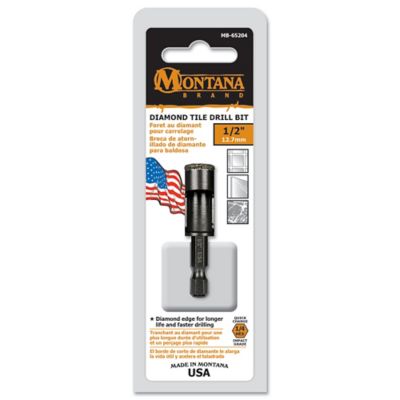
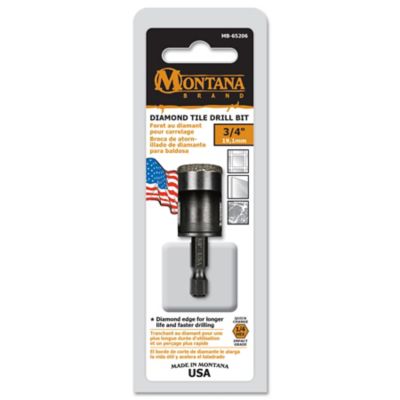
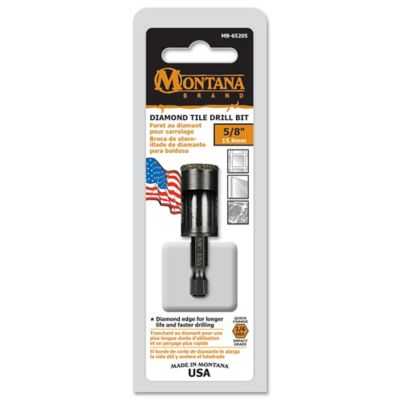
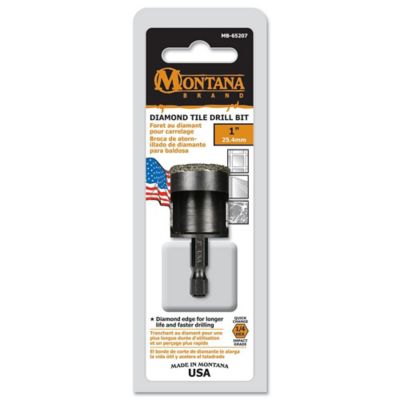
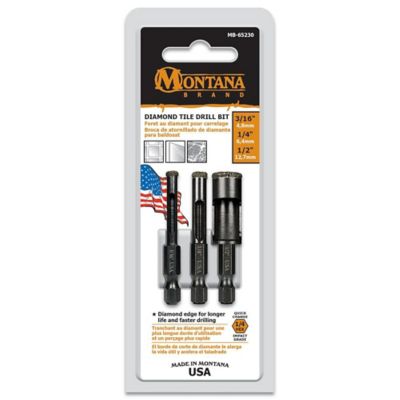
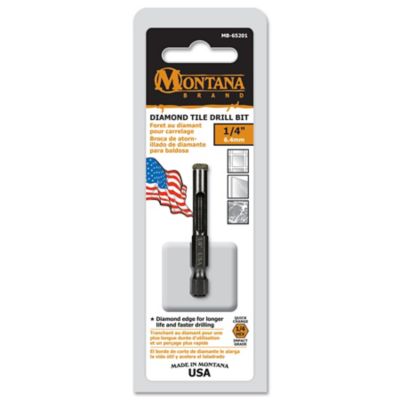
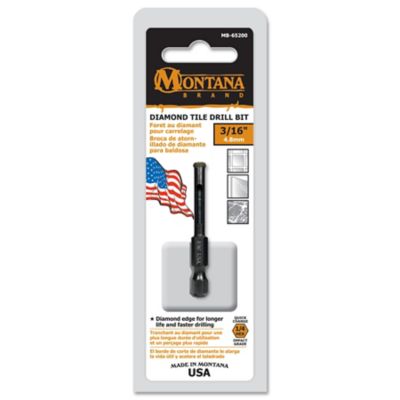
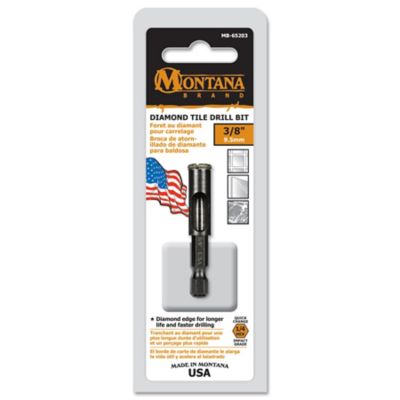
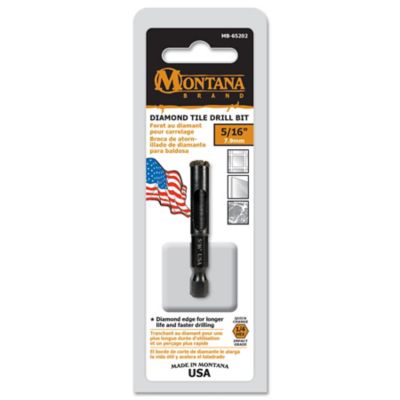
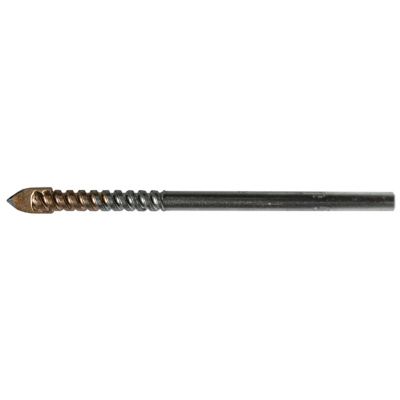
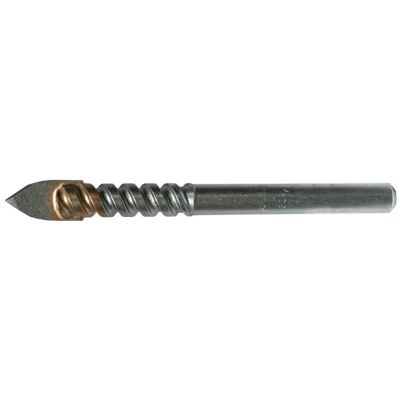
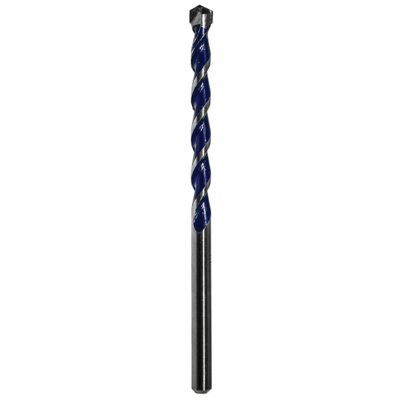
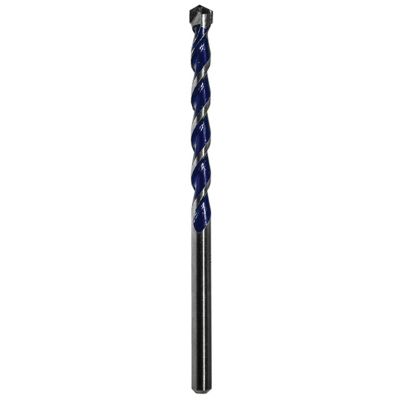
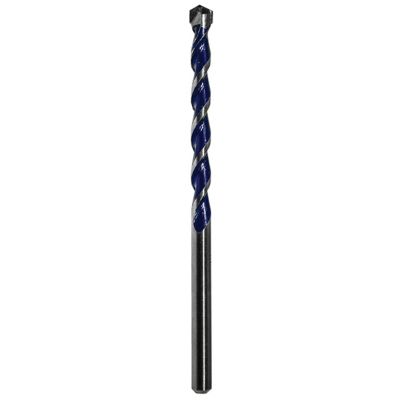
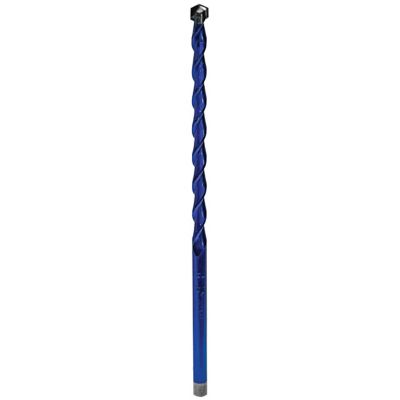
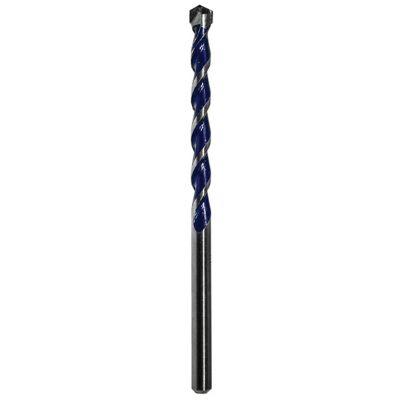
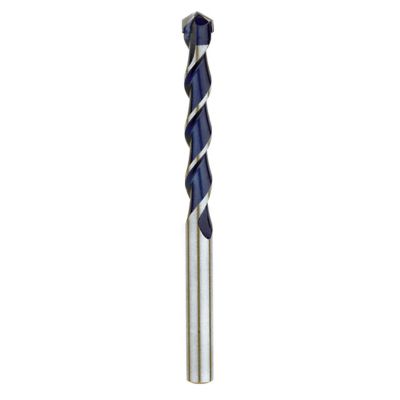
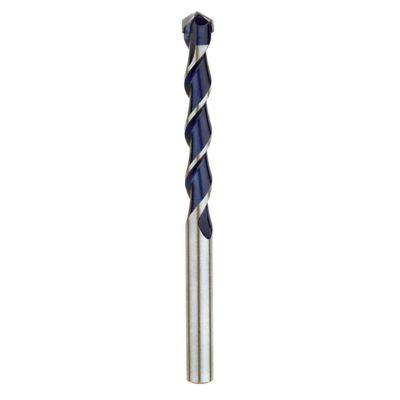
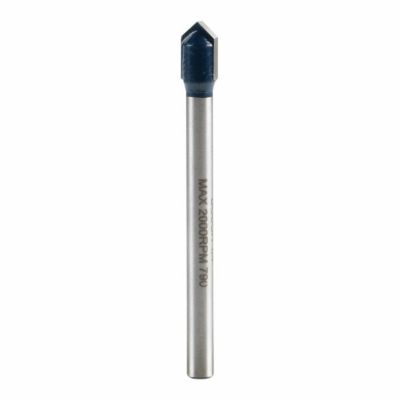
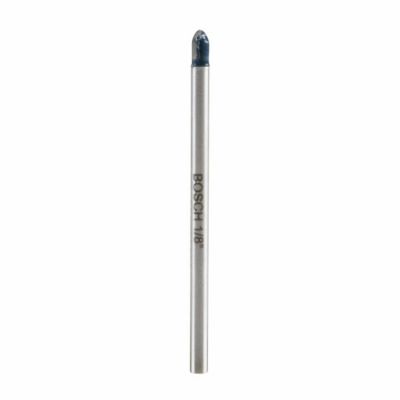
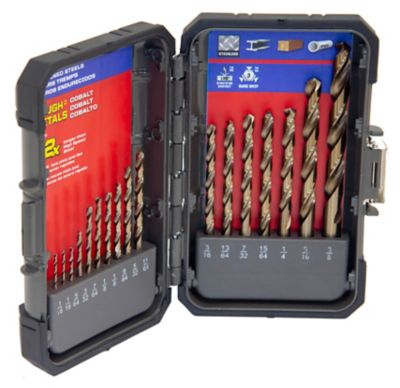
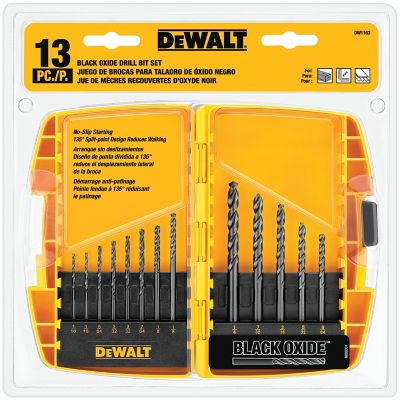
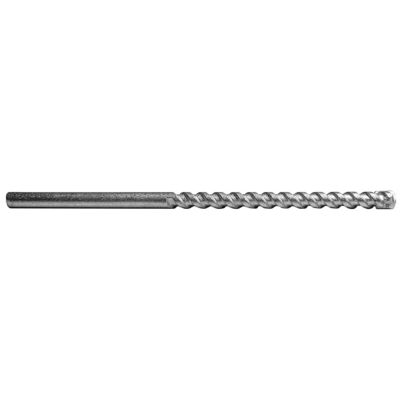
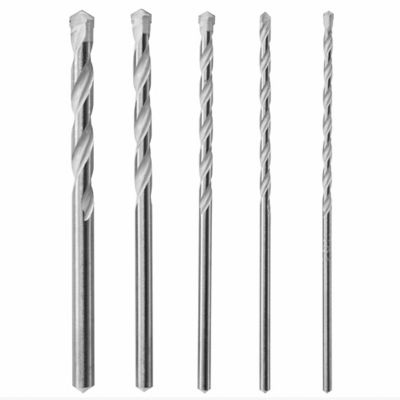
Carbide-tipped and diamond-tipped drill bits are the main choices for ceramic tile, with the right match depending on the tile’s hardness, the hole size, and the bit’s stated material rating. Glazed ceramic tile has a hard outer face over a brittle body, so a bit that cuts lumber well may skate across the glaze or chip the edge of a hole. Tile-rated cutting edges are designed to work through that surface with more control. Spear-point carbide bits are a common choice for smaller mounting holes in standard ceramic wall tile, such as those needed for towel bars, cabinet hardware, and bathroom accessories. Their pointed shape helps concentrate the cut at the starting spot, though the tip still needs steady positioning. Diamond-coated bits remove material with abrasive particles rather than a conventional cutting edge. Depending on their design and rating, they can suit ceramic tile, porcelain, and other hard surfaces. Porcelain is generally denser and harder than standard ceramic, so a bit labeled for ceramic alone should not automatically be treated as suitable for porcelain. The tile manufacturer’s material description and the bit’s application information are worth checking together. That distinction matters just as much for a kitchen backsplash as it does for a tiled laundry room or a wash area beside the shop. Hole size also separates one bit style from another. Small solid-point bits suit many fastener holes, while diamond hole saws and core-style cutters handle larger openings for plumbing connections and similar fittings. These hollow cutters remove a ring of material rather than grinding away the entire center. A larger opening calls for the proper diameter and tool setup, not simply more pressure on a smaller bit. Whether the job involves one bathroom fixture or several mounting points, matching the cutting style to the tile and opening helps protect the finished surface around the hole.
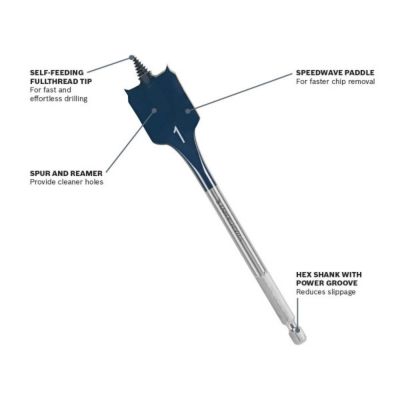
Fit goes beyond the diameter printed on the package. The bit’s shank must fit the drill chuck, and the tool must support the operating mode and speed range specified for that bit. Round and hex shanks offer different connections, but connection style alone does not establish whether a bit belongs in a particular drill or driver. For brittle tile surfaces, rotary drilling without hammer action is generally the appropriate approach; hammering can crack the tile before the opening is complete. Speed recommendations vary by cutting design, diameter, and material, so there is no single drill setting that fits every tile bit. A compact drill may be easier to position beside a vanity or beneath a shelf, while a larger hole cutter may have more demanding tool requirements. Working length matters, too, especially where an accessory bracket, recessed location, or thick tile assembly limits access. The material behind the tile deserves separate attention. A tile-rated bit is not automatically intended for wood framing, masonry, or metal farther into the wall. For a job that continues into steel backing or a metal component,
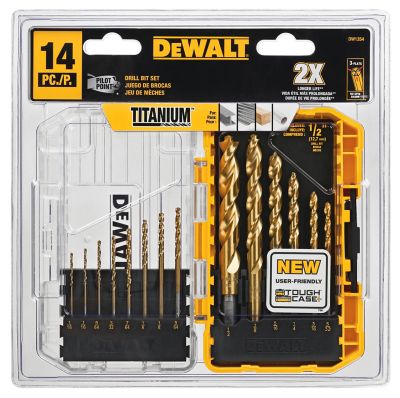
Metal Drill Bits serve a different cutting task from bits intended for the glazed face. The finished opening also needs to match the fastener or anchor requirements, including any clearance needed through the tile itself. Tile is a finish layer, not a substitute for structural support. Grab bars, heavy shelving, and other load-bearing fixtures need appropriate attachment to framing or another approved support system. For lighter accessories, the wall construction and mounting hardware still determine the fastening arrangement. A neatly drilled opening cannot make an unsuitable anchor hold more weight. Nearby tile edges, existing cracks, and concealed plumbing or wiring can also affect whether a planned mounting location makes sense. Those details are especially important when replacing an old fixture with one whose mounting holes do not line up.
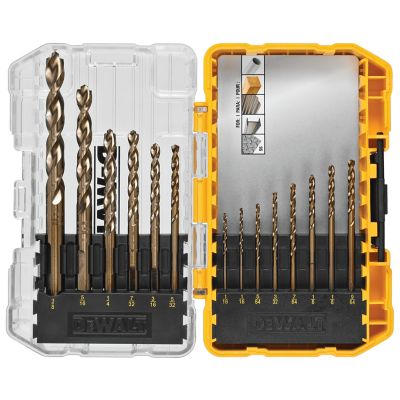
Cooling requirements and care are practical differences to compare when choosing drill bits for ceramic tiles. Some diamond bits require water at the cutting surface, while others are designed for dry operation under specific conditions. Those designs are not interchangeable simply because both have diamond cutting surfaces. Wet-drilling requirements need to work with the tool’s instructions and a setup that keeps water away from electrical connections and the motor. Dry-rated designs still have limits on speed, operating time, and heat buildup. Excessive heat can shorten cutting life, and extra pressure is no substitute for a suitable cutting edge. A steady setup matters as well: a positioning aid compatible with the bit can help limit wandering on a slick glazed surface, particularly with hollow cutters that have no center point. Eye protection and appropriate dust control belong with the drilling equipment, since tile debris can be sharp and tile dust may contain silica. After the work, allowing bits to cool and removing residue according to the manufacturer’s directions helps keep cutting surfaces and shanks ready for the next job. Bits that require rinsing should be dried before storage. Separate sleeves, fitted cases, or divided compartments can keep carbide points and diamond rims from knocking against other tools in a crowded toolbox. Chipped tips, bent shanks, and badly worn cutting surfaces are reasons to replace a bit rather than force it through another hole. For occasional household repairs, the most useful selection may center on the diameters required by existing mounting hardware. Installers, property caretakers, and folks maintaining several tiled spaces may have reason to keep a broader range of sizes and cutting styles on hand. A set can organize those options, but its value comes from having the right diameters and material ratings for the work ahead. Clear application markings, compatible shanks, sensible storage, and care requirements that fit the workspace make these small tools easier to put to work without risking an otherwise sound tile surface.