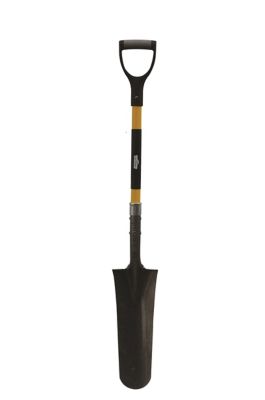
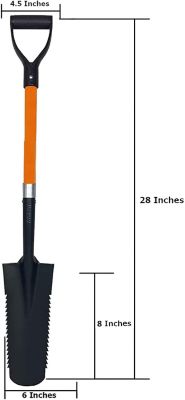
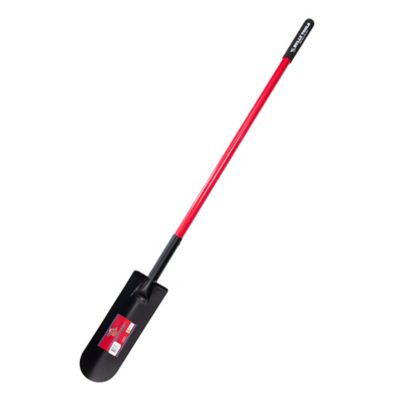
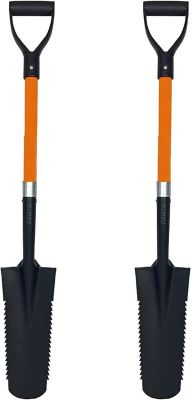
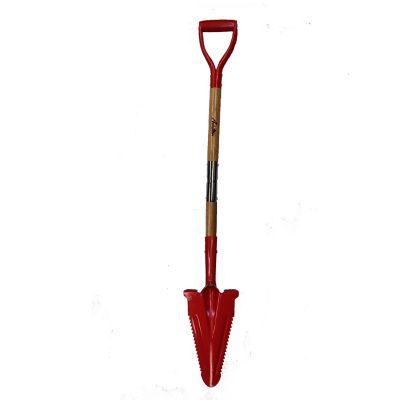
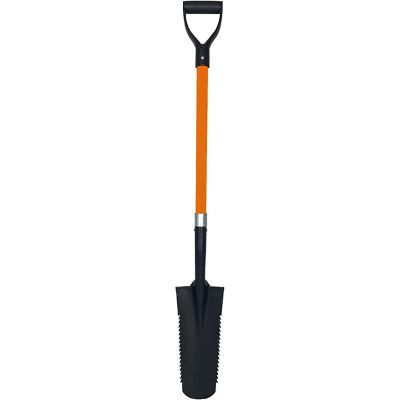
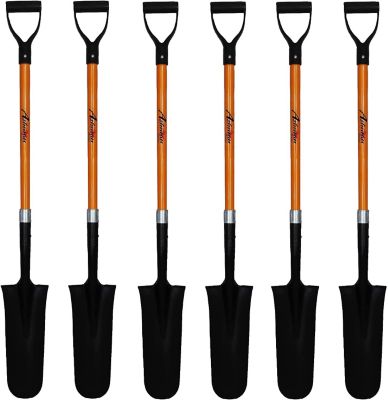
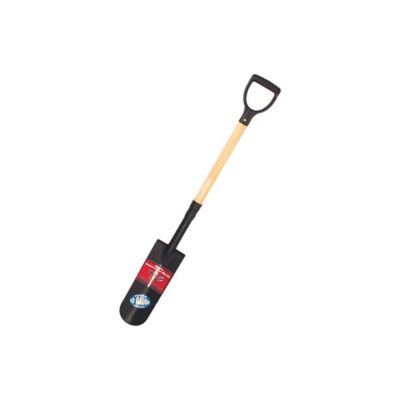
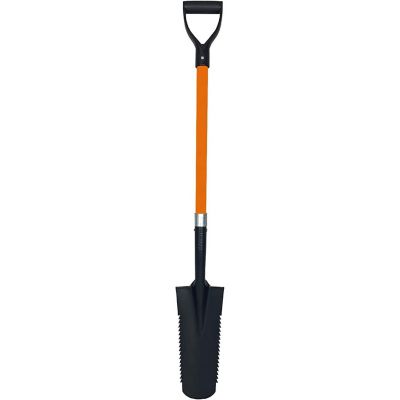
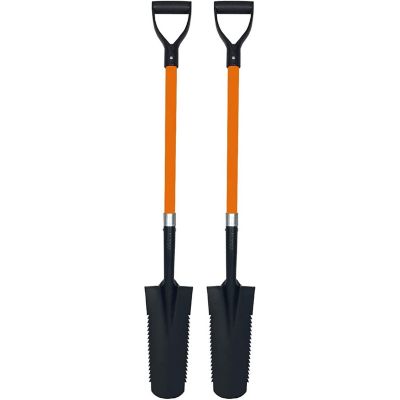
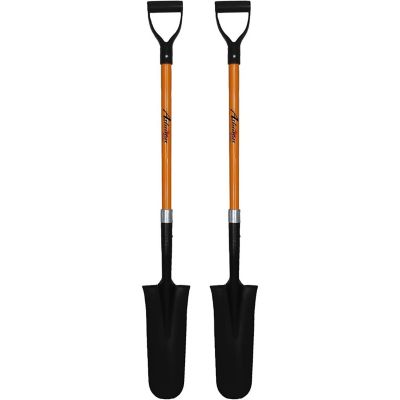
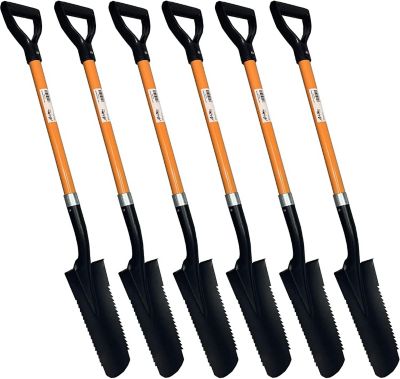
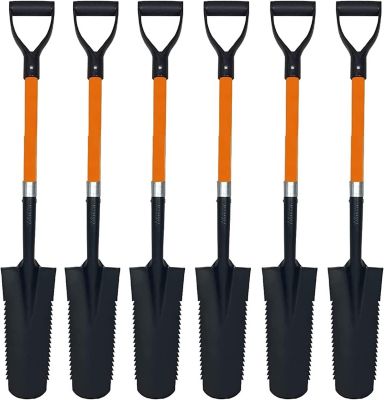
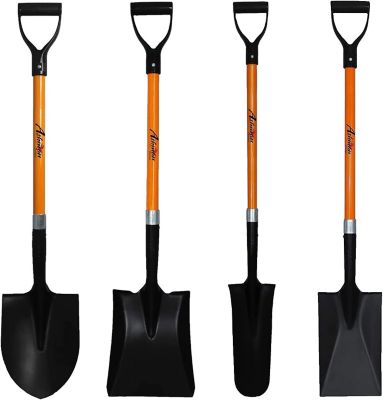
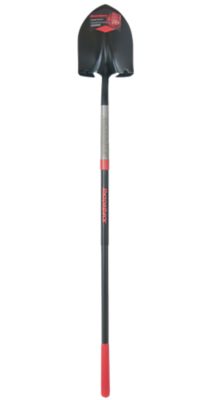
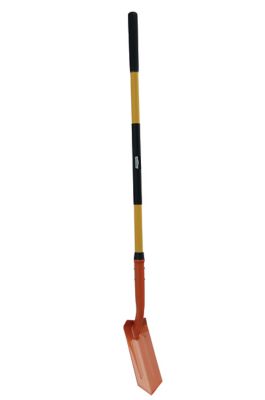
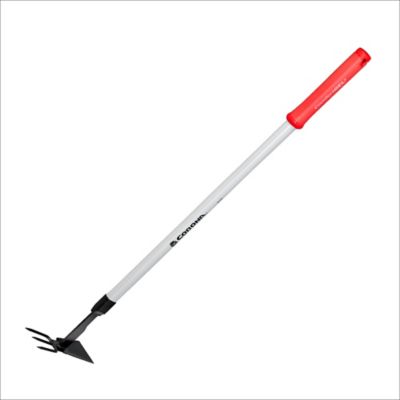
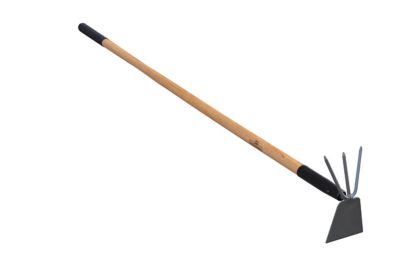
A drain spade is a digging tool with a long, narrow blade built for opening slim trenches, clearing drainage channels, and lifting plants with deep roots. Its shape lets you reach farther into the ground without taking out as much soil on either side as a broad shovel would. Many drain spades have blades roughly 14 to 16 inches long and 4 to 6 inches wide, though measurements vary by design. A rounded cutting edge, slightly tapered sides, and a shallow curve help the blade enter soil and carry loosened dirt out of a confined space. That combination makes these tools a practical fit for drainage pipe projects, narrow planting holes, and work along garden beds where there isn’t much room to swing a shovel. Around a farm or acreage, a drain spade can help open a short channel beside an outbuilding, shape a trench through a yard, or free the soil around a shrub before transplanting. Landscapers, grounds crews, gardeners, and homeowners all have reasons to keep one within reach. The blade’s reach is especially helpful when the job calls for digging down rather than widening the opening with every pass. It can slice through smaller roots and loosen packed earth, but it isn’t a pry bar for buried stone or a replacement for equipment on a large excavation. For French drains and other drainage projects, the trench still needs enough width and depth for the planned pipe, aggregate, and surrounding materials; the spade’s dimensions alone don’t determine the finished channel. Drain spades also share some tasks with
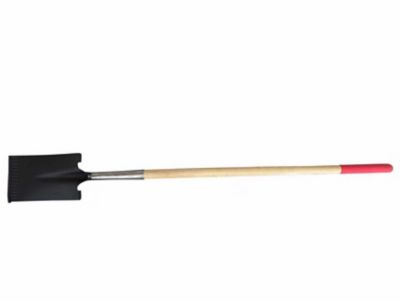
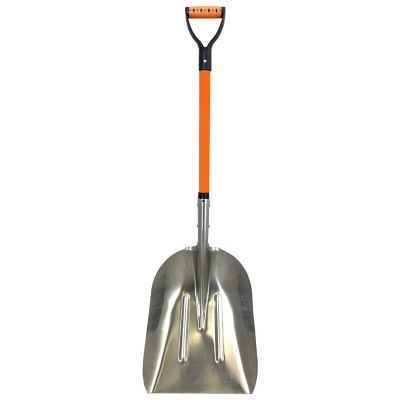
Trench Shovels, although blade shapes and working angles differ. A drain spade generally favors downward cutting and narrow digging, while many trench shovels are shaped to scoop loose soil from an established trench. Matching that shape to the actual work matters more than the tool name alone, especially when digging and cleanout call for different movements.
Blade construction, handle material, and overall fit make a noticeable difference over a stretch of digging. Steel is common for drain spade blades because it provides the stiffness needed to cut into soil and support a load of earth. Heat treatment, blade thickness, and the way the blade joins the handle all affect how the tool stands up to repeated work. A thicker blade may resist bending better, but it also adds weight, so the heaviest spade isn’t automatically the best match for every person or every patch of ground. Protective finishes can help limit surface rust, though soil abrasion eventually wears at the cutting edge and blade face. At the top of the blade, a rolled edge or foot step gives a work boot a place to press without bearing directly on thin steel. Step size deserves attention if digging means repeated downward pressure in firm ground. Wood handles offer a familiar feel and some natural flex, while fiberglass handles resist rot and avoid the grain-related splitting that can affect wood. Neither material makes a tool indestructible, and fiberglass should never be treated as protection from buried electrical lines. A secure socket and sound handle attachment help keep the blade and shaft working together without wobble. Long handles provide reach and room for a two-handed grip, which can be welcome along an open trench. Shorter handles with D-shaped grips offer a different kind of control when lifting soil or working close to a planting bed. Handle length, grip opening, and shaft thickness should suit the person doing the digging, including the space needed for gloved hands. A comfortable fit lets the blade meet the ground without forcing an awkward bend at the waist or an overextended reach. Tool balance counts, too: a blade-heavy spade may feel steady entering the soil, while a lighter setup may be easier to reposition through many small cuts.
The best match for a drain spade comes down to the ground, the space around the job, and how much material needs moving. In an established garden, a narrow blade can help separate soil around a perennial clump while leaving more of the neighboring bed in place. Along a planned drainage run, it can open the sides of a slim trench without stripping a broad swath of turf. In tight clay, smaller bites put less strain on the handle than trying to lift a blade-length section all at once. Gravelly ground, thick woody roots, and buried rubble may call for other tools rather than more force on the spade. Even where careful digging is possible, underground utilities must be located before work begins; contacting 811 and checking for private lines are important parts of planning any excavation. Irrigation tubing, service lines to outbuildings, and other privately installed systems may need separate locating. For planting work, the narrow blade is useful for loosening and lifting, but a finished planting hole still needs to suit the plant’s root system rather than simply follow the width of the tool. Those everyday distinctions help explain why a drain spade earns a place beside broader digging and transfer shovels instead of replacing them. Keeping that tool ready for the next job is straightforward: soil left packed in the blade socket or clinging to the steel holds moisture and hides wear. Cleaning off dirt, drying the blade, and storing the spade off the ground help protect its working surfaces. A light protective oil on exposed steel can limit rust during storage, while wood handles benefit from periodic attention with a suitable handle-care product. Splinters, cracks, loose fasteners, and movement at the socket are signs that the tool needs attention before another digging job. For someone maintaining a homestead, tending deep garden beds, or handling small landscaping projects, a well-fitting drain spade is a practical addition to the tool shed—and a useful gift when the recipient’s grip preference and typical work are known.