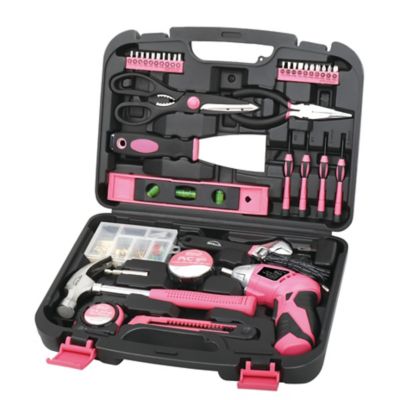
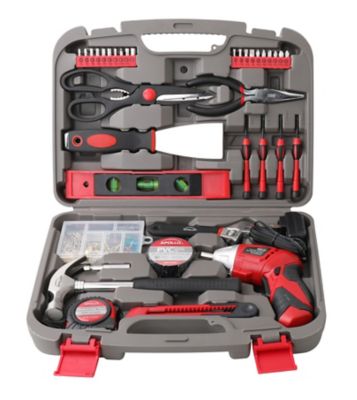
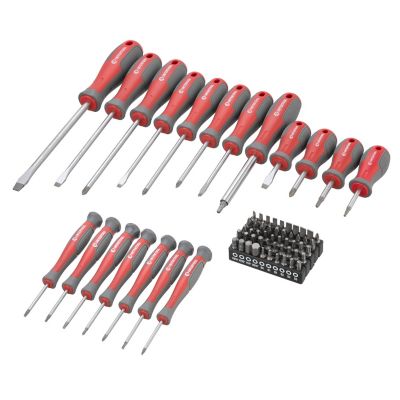
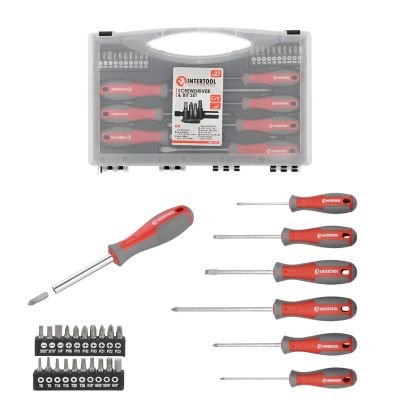
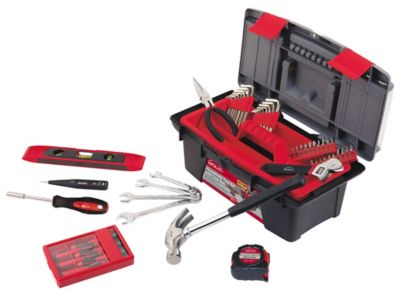
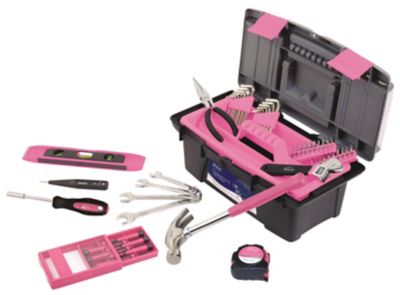
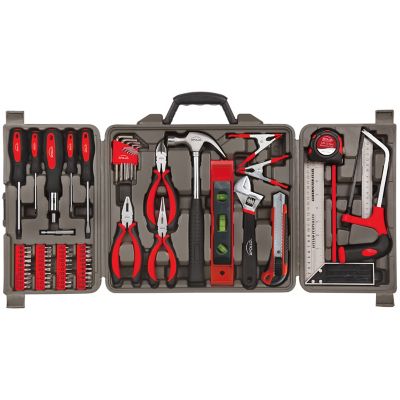
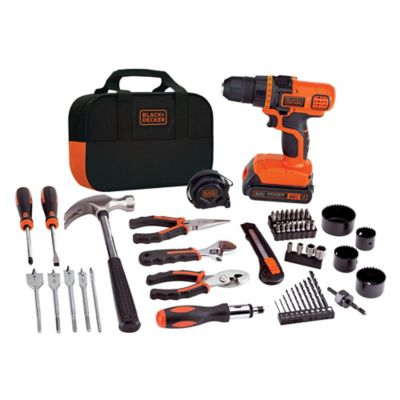
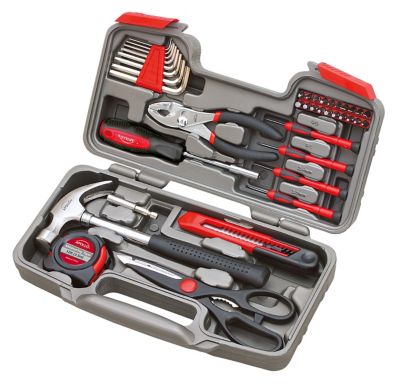
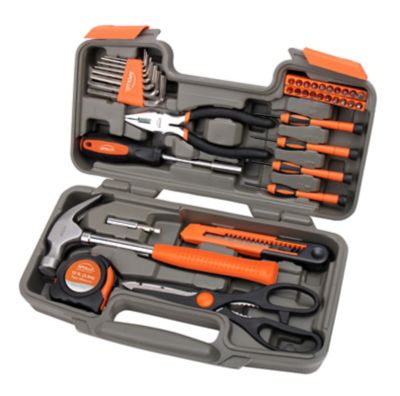
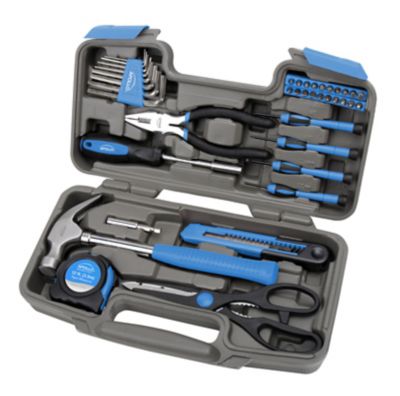
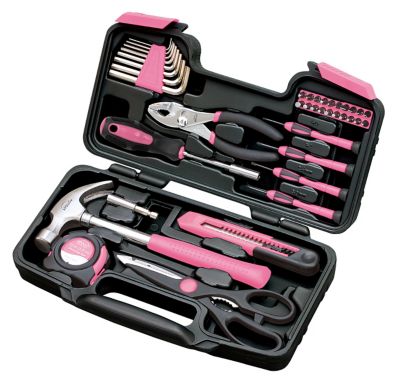
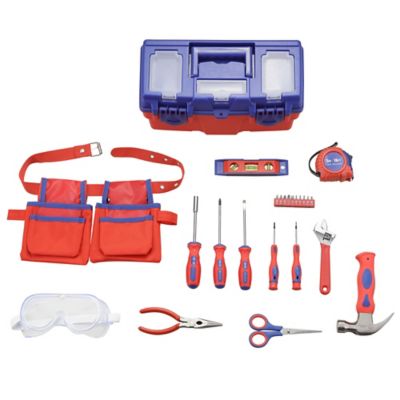
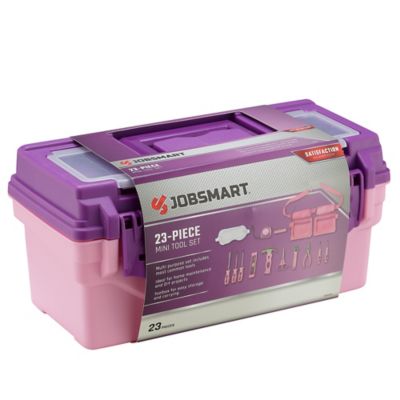
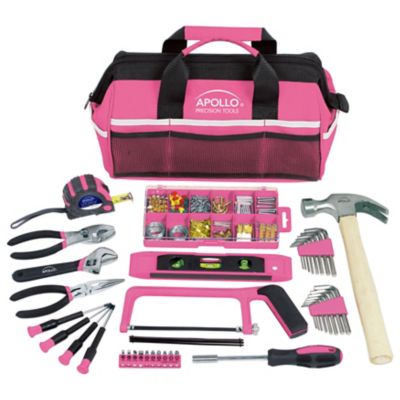
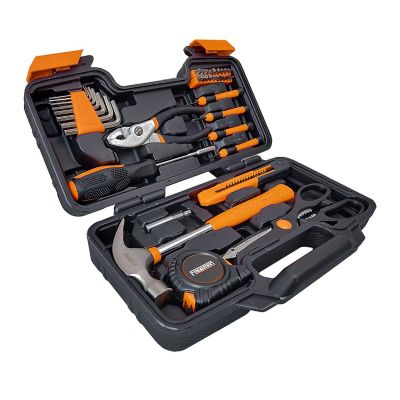
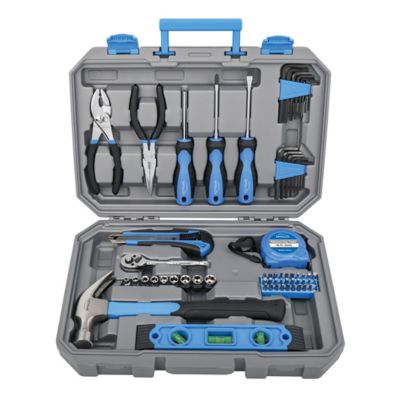
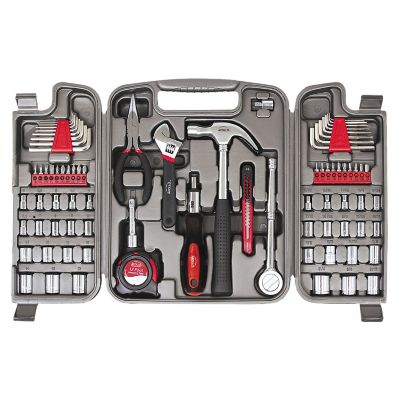
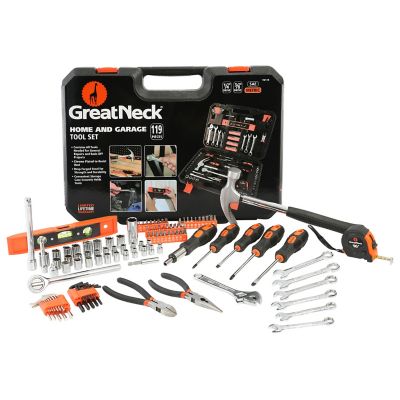
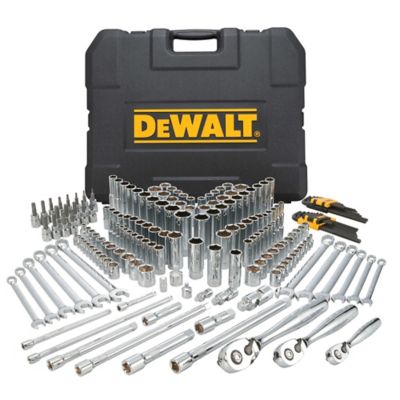
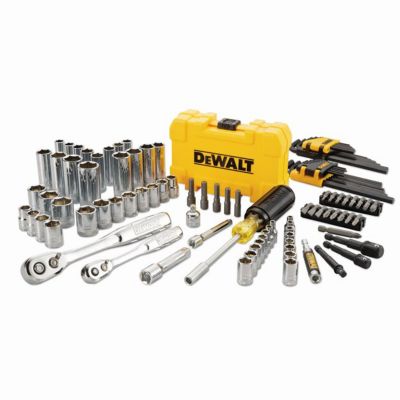
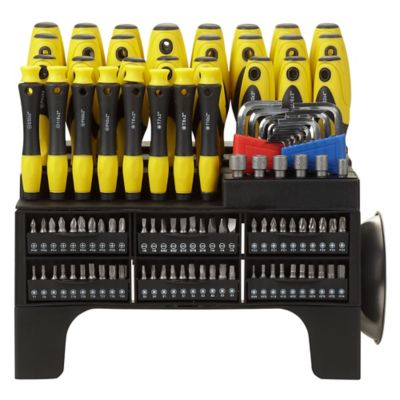
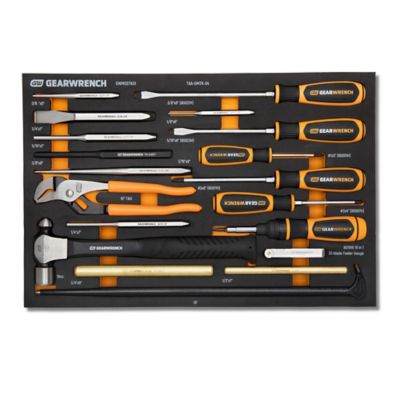
Dorm room tool kits bring everyday hand tools together in a compact case for small jobs that come with living away from home. They’re meant for tasks such as assembling a student-owned bedside table, tightening a loose drawer pull, or measuring the space between a bed and a wall before bringing in a storage cart. A manageable set makes more sense in a shared room than a garage-sized collection, especially when every shelf and drawer has a job to do. Common components include a screwdriver with interchangeable bits, a tape measure, pliers, hex keys, and a small hammer, though the contents vary from kit to kit. Phillips and slotted bits cover many familiar screw heads, while hex keys fit the recessed fasteners often found in ready-to-assemble furniture. A tape measure helps sort out whether a shelf will clear a desk or a storage bin will slide beneath a bed. Pliers provide a firm grip on small hardware, and a lightweight hammer can help with assembly steps that specifically call for gentle tapping. The best match depends less on the number printed on the case and more on whether the tools suit the work a student is allowed to do. A kit for a furnished room may need only a few basics, while one for a student bringing personal furniture may benefit from a broader range of driver bits and hex sizes. Dorm room tool sets aren’t a substitute for campus maintenance, and building fixtures, electrical systems, plumbing, and school-owned furniture belong under the housing department’s rules. For permitted work on personal belongings, though, having the right hand tool close by saves the trouble of borrowing from three rooms down. It’s the same practical thinking behind keeping a few essentials in a kitchen drawer back home: enough to take care of the little things without hauling in a whole workshop. Straightforward tools with clear size markings are especially helpful for students still getting comfortable with basic assembly and upkeep.
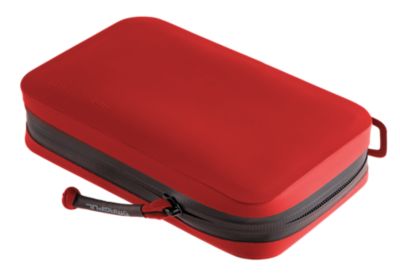
Materials, tool fit, and case design matter when a dorm room tool kit needs to earn its place in a tight space. Steel working ends are common, with hardened tips and jaws intended to stand up to repeated contact with screws, nuts, and other hardware. Chrome plating or other protective finishes can help limit surface rust, but tools still need dry storage and a wipe-down after contact with moisture. Handles may feature molded plastic, rubber, or a combination of materials, giving students different choices in grip feel and firmness. A comfortable handle should allow a steady hold without forcing the wrist into an awkward position; a larger handle isn’t automatically better for smaller hands. Screwdriver tips need to seat fully in the screw head, since a poor fit can slip and damage both the fastener and the surface around it. Interchangeable-bit drivers keep several tip styles in one handle, and a secure bit holder helps keep those little pieces from disappearing beneath a dresser. Hex key sets may include metric sizes, SAE sizes measured in inches, or both, an important distinction when furniture comes with different hardware. Pliers with smooth-moving joints and evenly meeting jaws offer better control for gripping small parts. A tape measure with easy-to-read markings and a dependable blade lock makes it simpler to check a floor opening or furniture dimension without wrestling with the tape. Compactness matters, but a tool still needs enough handle length and working room for its intended task. Storage cases deserve the same attention as their contents. A molded case with fitted spaces makes a missing bit easy to spot, while a zippered pouch may tuck more easily into a narrow drawer. Closures, hinges, stitching, and carrying handles all affect how well the set stays together between jobs. The closed case’s dimensions matter just as much as its layout, whether its home is under a bed, beside a storage tote, or on a closet shelf. A sensible dorm kit balances a small footprint with tools that feel comfortable and capable in the hand.
Living in a shared room also makes organization and intended use part of the buying decision. A case that opens flat on a desk can keep small pieces contained, and labeled compartments help tools find their way back after an assembly project. Loose screws and connectors are easier to manage in a small tray than on bedding, where they can disappear into a fold. For students who expect to carry their tools between campus and home,
Travel Tool Kits offer another compact-tool category to consider, with the same attention to carrying size, closure security, and useful contents. Within a dorm, most routine tasks call for control rather than force. Hand tools let a student feel when a fastener is snug, which matters with lightweight furniture and particleboard panels that can suffer from overtightening. A small kit doesn’t make every repair appropriate, and a damaged chair joint or cracked bed frame needs more attention than another turn of a screw. Wall-hanging projects come with their own limits: nails, screws, and adhesive attachments may all be subject to residence hall policies, even when an attachment is described as removable. Hammering or drilling into a wall should never be assumed to be permitted. Cutting tools, if included, also need to meet campus rules and stay secured when not in use. Basic care keeps a set ready for the next small task: clean off dust, dry metal surfaces, check for damaged handles or worn tips, and return each piece to its spot. A closed case protects belongings from exposed edges and keeps tools out of the walkway in an already crowded room. Dorm room tool kits can make practical gifts for a college-bound student, a recent graduate moving into an apartment, or anyone setting up a first place away from home. A manageable set gives a beginner room to build confidence without an overwhelming collection of attachments. From move-in assembly to packing up personal furniture later, these compact sets support the ordinary, hands-on jobs that make a small living space work better.