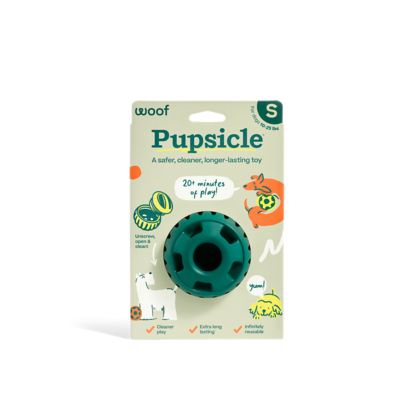
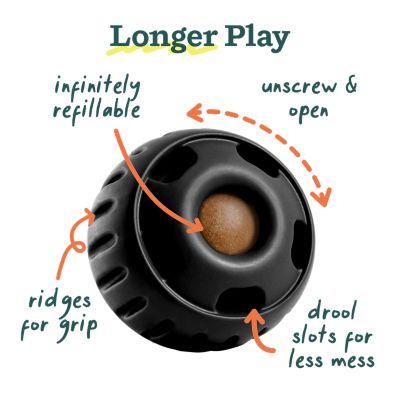
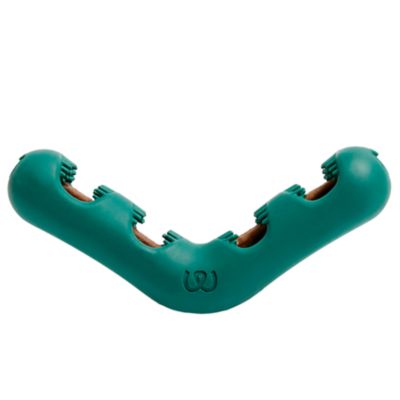
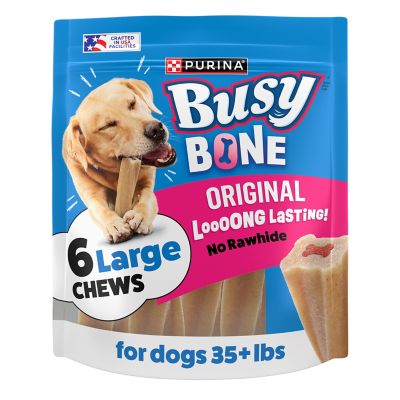
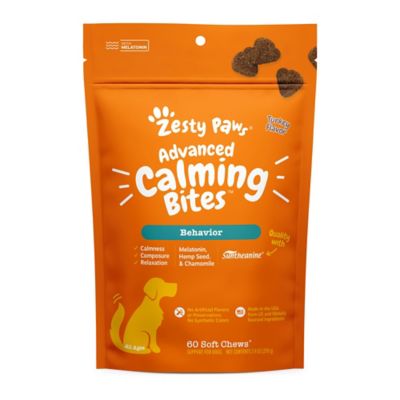
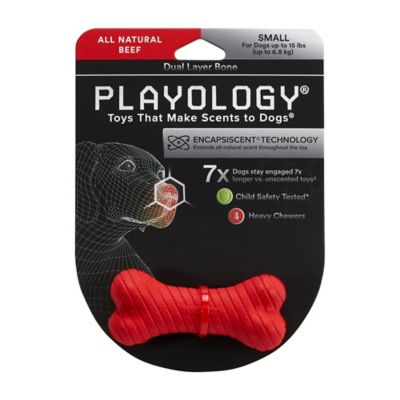
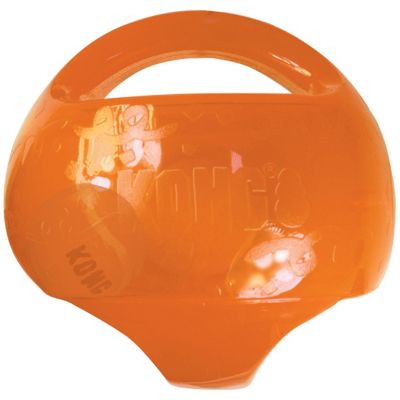
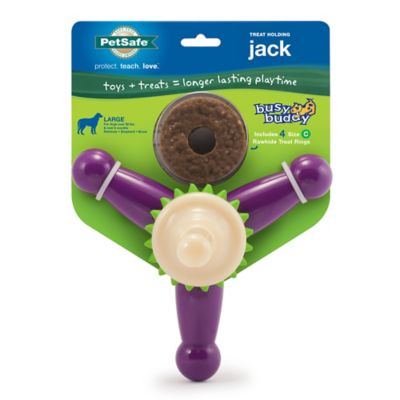
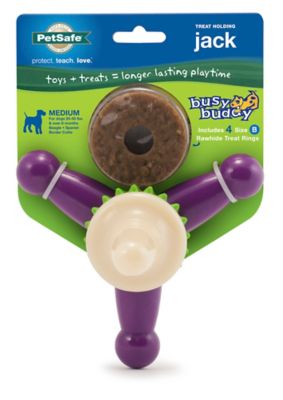
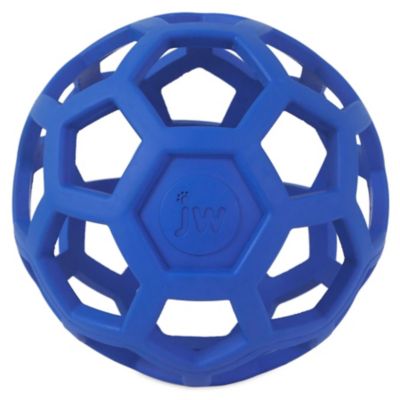
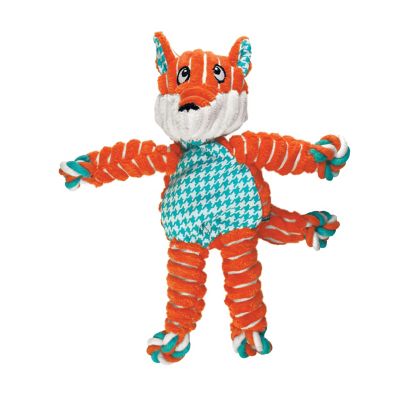
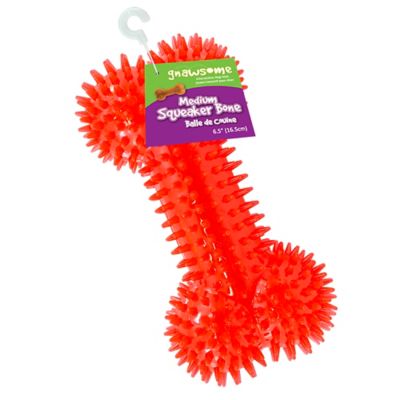
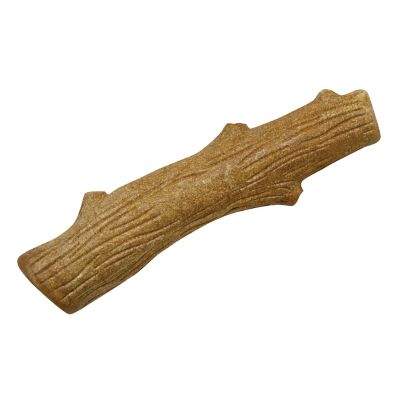
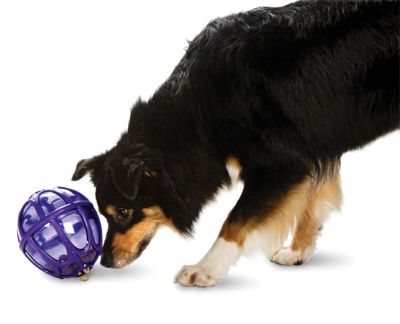
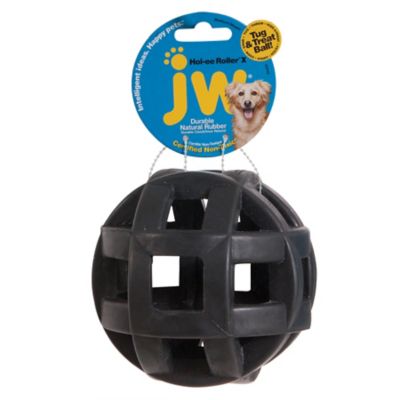
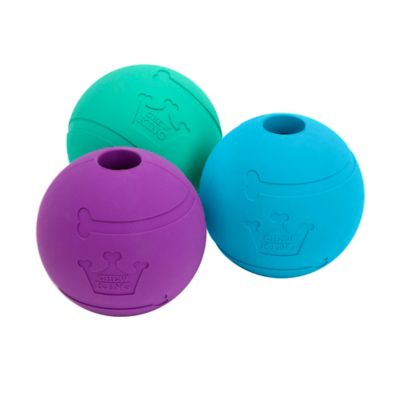
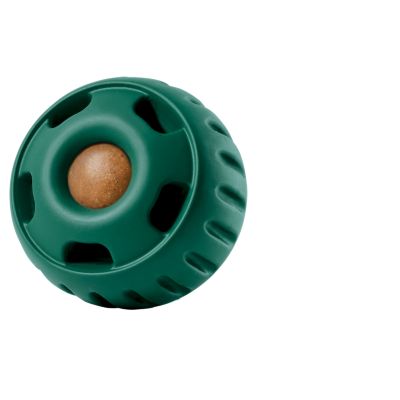
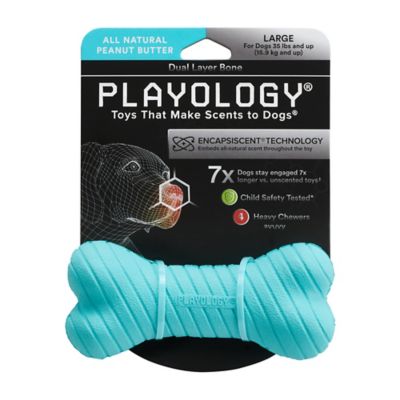
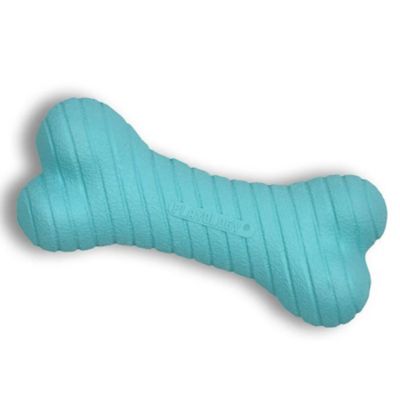
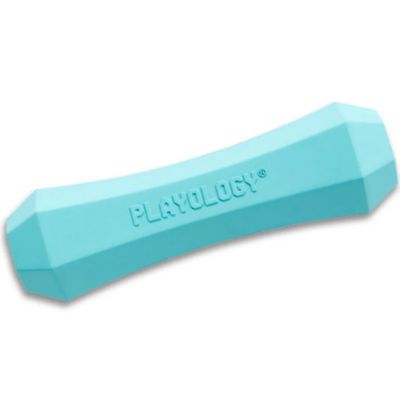
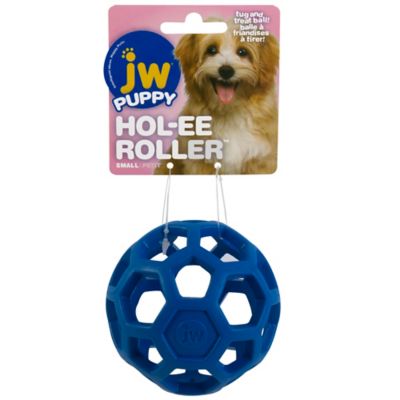
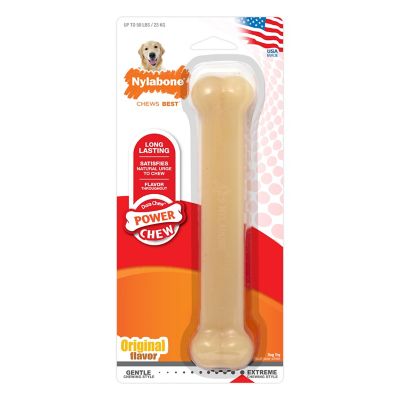
Dogs with big energy need more than a quick toss across the yard. The right dog toys for hyperactive dogs can turn restless pacing, couch bouncing and endless nudging into healthy play that works both body and brain. Look for a mix of toys instead of relying on one favorite. Durable rubber toys made for chewing can be stuffed with kibble, wet food, plain yogurt or a small amount of dog-safe peanut butter, then chilled or frozen for a longer-lasting challenge. As the filling softens, your dog has to lick, paw and work at the toy instead of gulping down a treat in seconds. Treat-dispensing toys that wobble, roll or bounce can also make mealtime more interesting while encouraging your dog to move around the house, porch or fenced yard. Puzzle toys add another kind of exercise by hiding small portions of food beneath sliding pieces, flaps or compartments. Dogs use their nose, paws and persistence to find the reward, and that kind of problem-solving can leave a high-energy dog pleasantly tired. Start with an easier puzzle and offer a little guidance if your dog gets frustrated, then move toward more advanced designs as they learn how the game works. A dog that seems wild after a long run may settle more readily after ten or fifteen minutes of sniffing and figuring things out. For more ways to keep a dog engaged when there is less room or time for outdoor play, browse
Dog Toys For Boredom.
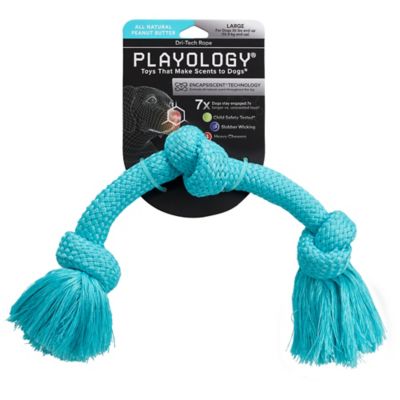
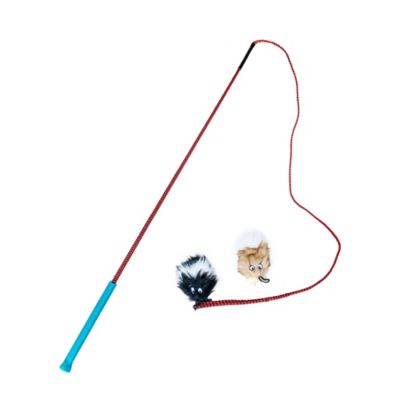
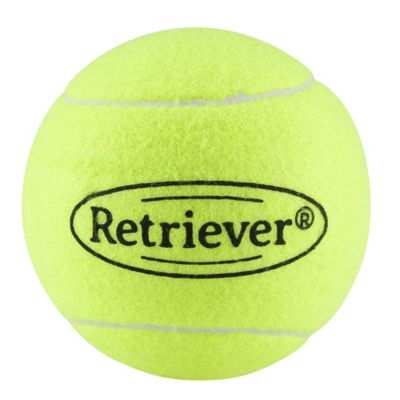
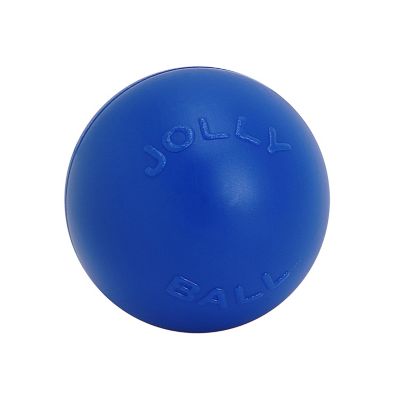
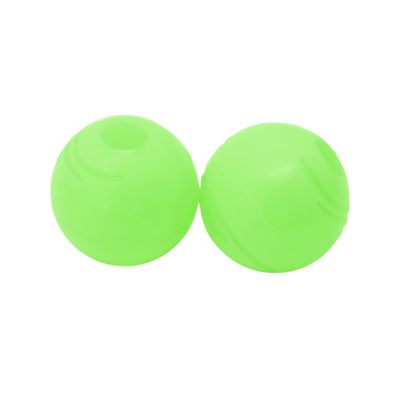
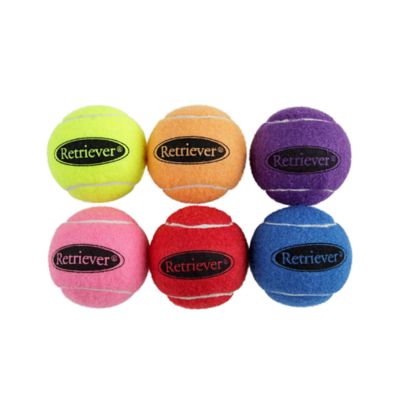
Outdoor toys are a good fit for dogs that love to chase, sprint and carry. Balls with deep grooves, flexible surfaces or easy-grab shapes are simpler for dogs to pick up, especially when they are running full speed across grass or a dirt lane. Flying discs and long-range fetch toys can help use up energy in a large yard, field or open area, while tug toys give strong dogs a chance to pull, brace and engage with their person. Wand-style chase toys, often called flirt poles, let you guide a dog through quick turns, short sprints and stops without needing to cover a lot of ground yourself. They can be especially handy in a smaller yard, though play should stay controlled and the toy should be kept low enough to reduce awkward twisting or hard jumping. Rotate chase, fetch, tug and search games so your dog does not get locked into the same repetitive motion every day. A hard-charging retriever may enjoy racing after a toy in the cooler part of the day, while a herding breed might prefer a game that includes direction changes and short pauses. During warmer weather, bring water, watch for hot pavement and take breaks before your dog is worn out. As the weather cools, outdoor play can stretch longer, but mud, wet grass and early darkness make bright colors, easy-clean materials and sturdy construction especially useful. Check every toy before and after play for torn seams, loose pieces, cracked rubber or chunks that could be swallowed. No toy is indestructible, and even a tough chew toy should be matched to your dog’s size, chewing style and strength. Supervise enthusiastic chewers, remove damaged toys promptly and follow the maker’s size and use recommendations.
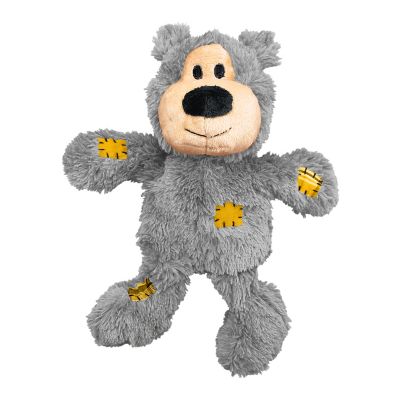
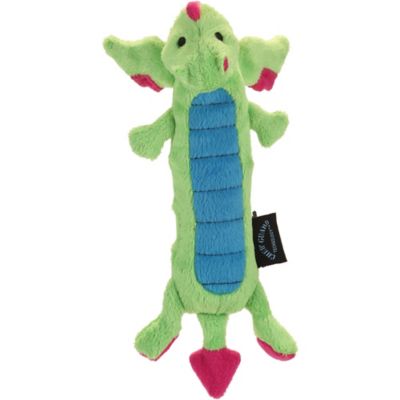
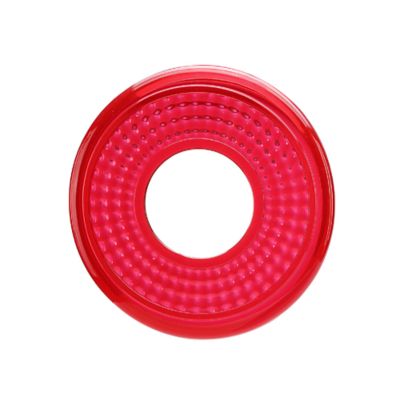
For dogs that have trouble shifting from full speed to calm, soothing activities can be just as valuable as vigorous exercise. Textured lick mats spread with a thin layer of wet food, pumpkin or another dog-safe topping encourage slow, steady licking and can give a busy dog something quiet to focus on after a walk or training session. A stuffed rubber toy or food puzzle can be offered in a crate, on a dog bed or in a designated spot while the household settles down during the cooler months. These toys may also help make everyday routines feel more rewarding, including grooming, travel, rainy-day indoor time or resting while chores are finished. Use treats as part of your dog’s daily food allowance so extra snacks do not pile on, and choose fillings with your veterinarian’s guidance if your dog has allergies, a sensitive stomach or special dietary needs. Toy shopping can make a practical gift for a new puppy owner, an active family, a farm dog that needs a job between chores or a rescue dog learning how to relax in a new home. A useful gift set might include one durable chew or stuffing toy, one food puzzle and one outdoor toy suited to the dog’s size and play style. Pay attention to age labels, material, cleaning needs, grip and storage before buying. Some dogs destroy plush toys in minutes but enjoy a rubber challenge; others love carrying a soft toy and need a lighter option that is easy on the mouth. Keep a small rotation on hand and put a few toys away for several days before bringing them back out. That simple switch can make a familiar toy feel fresh again, especially when outdoor time is shortened by rain, mud or a busy household schedule. Pairing physical play with sniffing, chewing, licking and problem-solving gives an energetic dog a fuller outlet, helping turn the frantic zoomies into the satisfied nap that usually follows a good day of play.