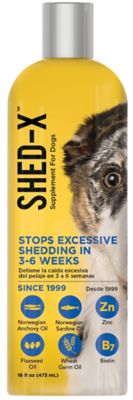
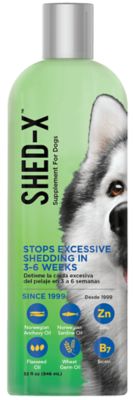
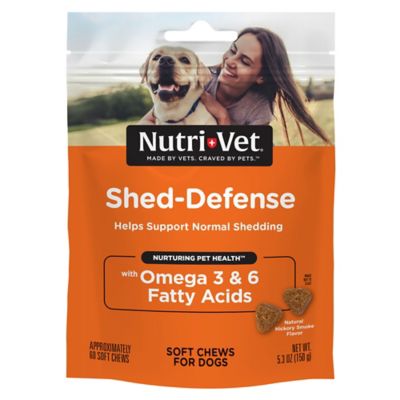
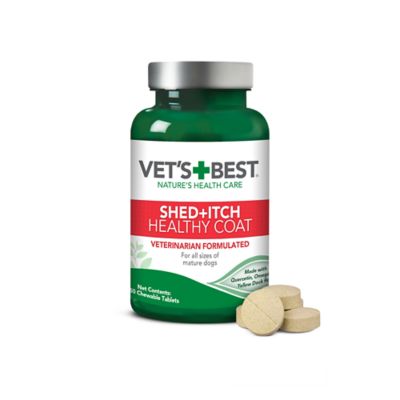
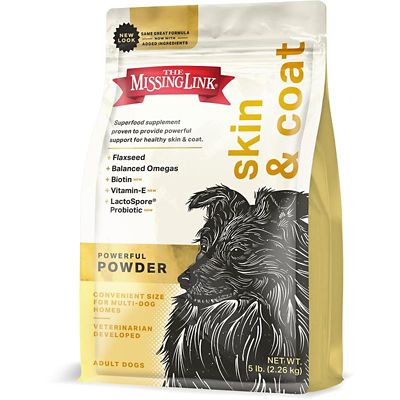
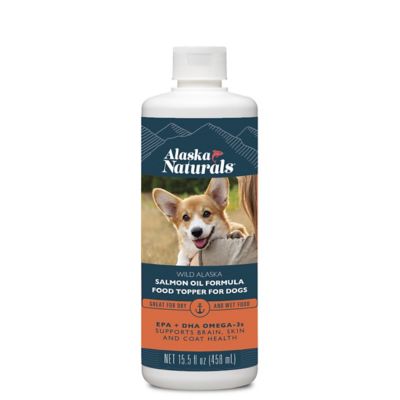
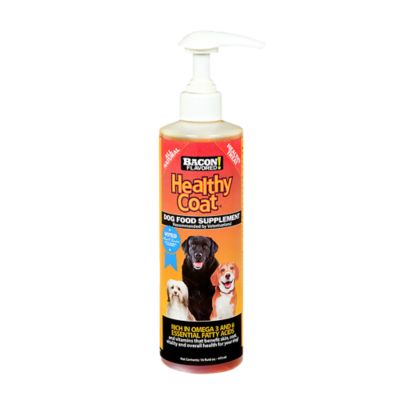
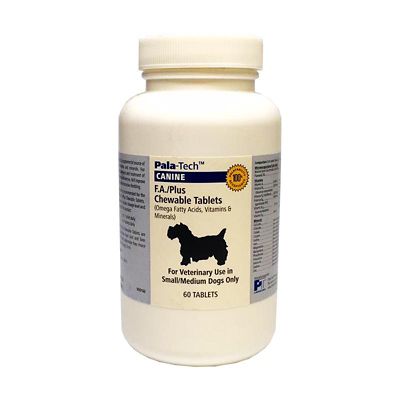
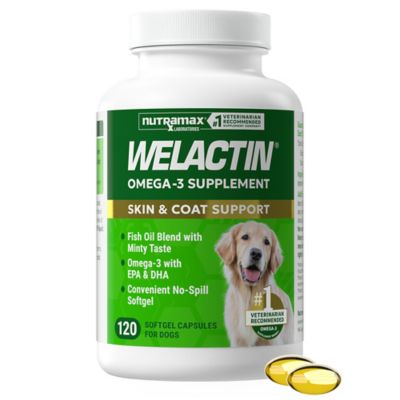
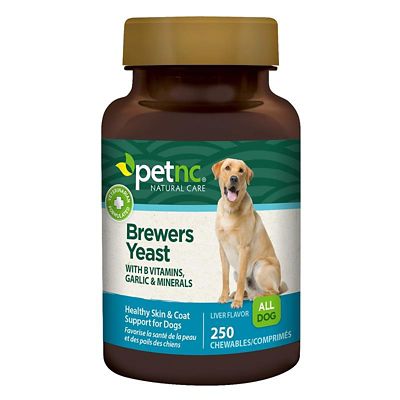
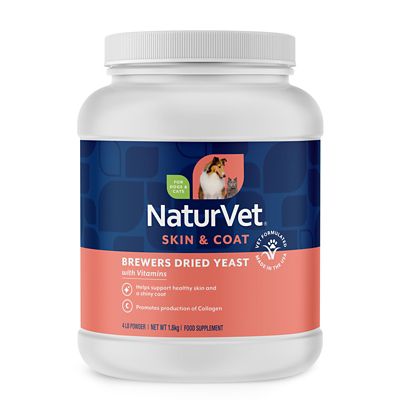
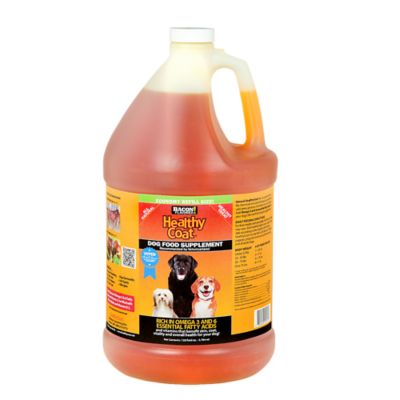
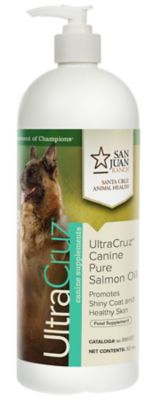
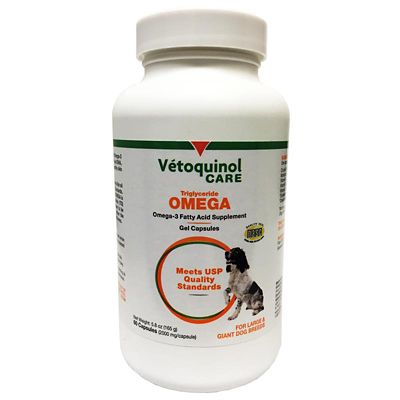
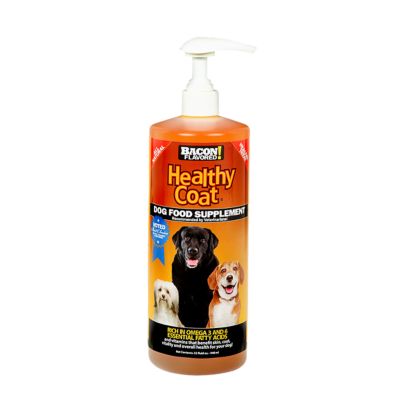
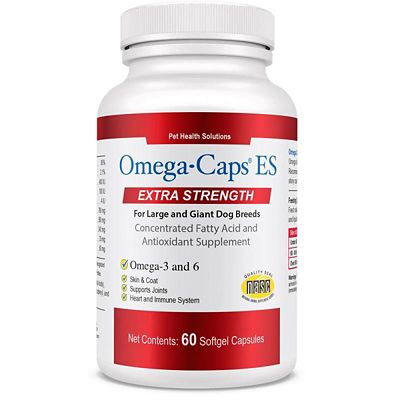
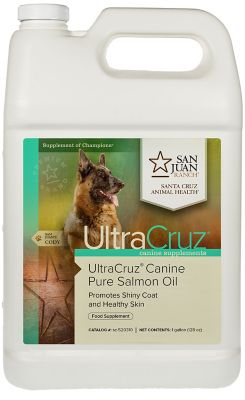
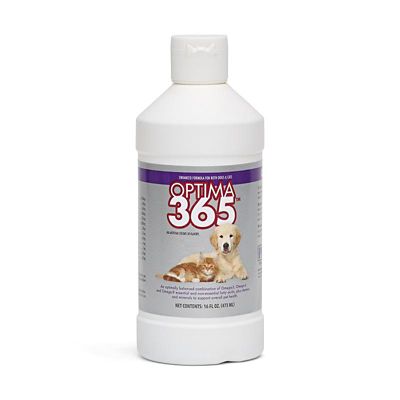
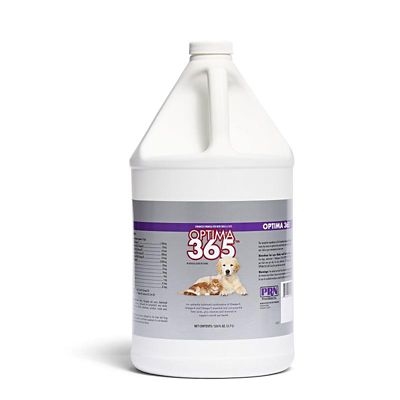
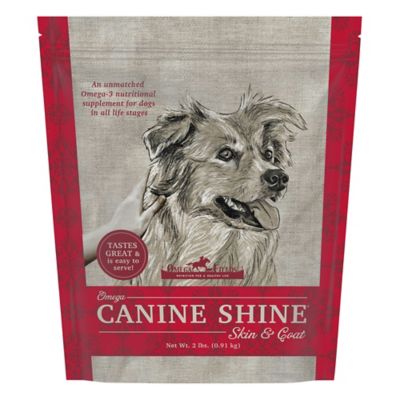
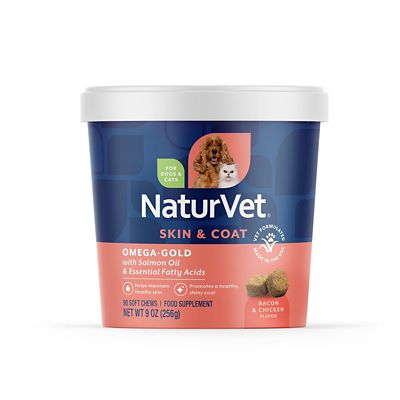
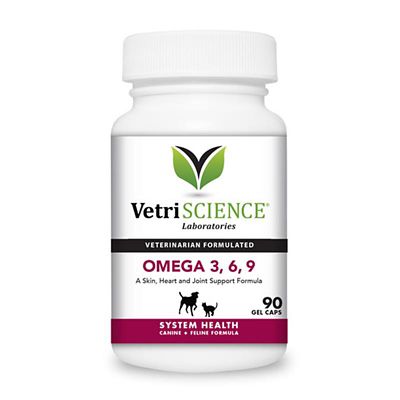
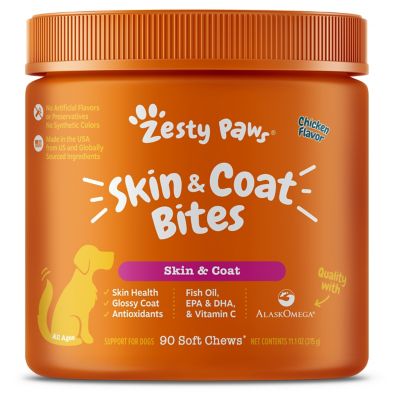
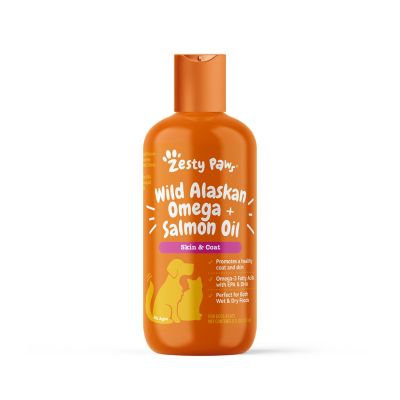
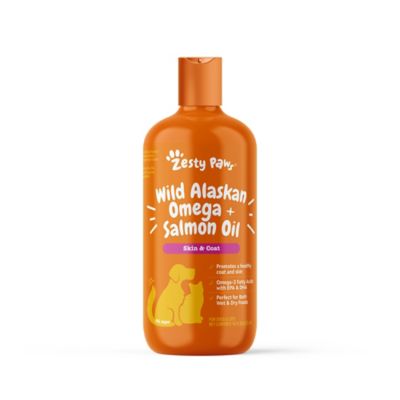
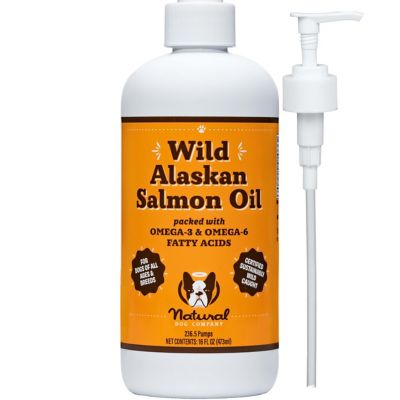
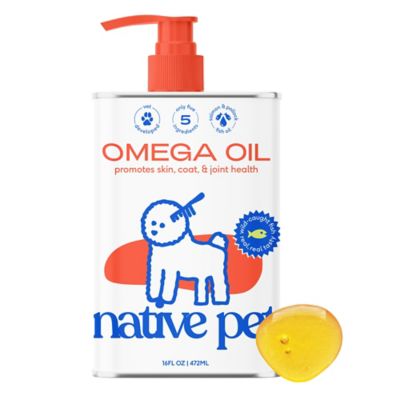
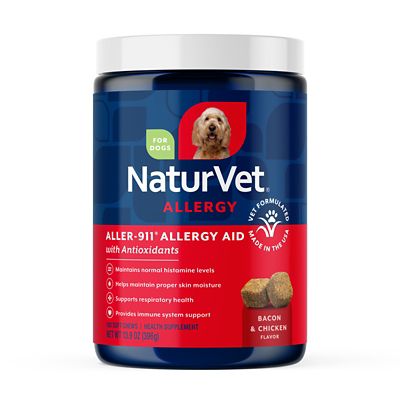
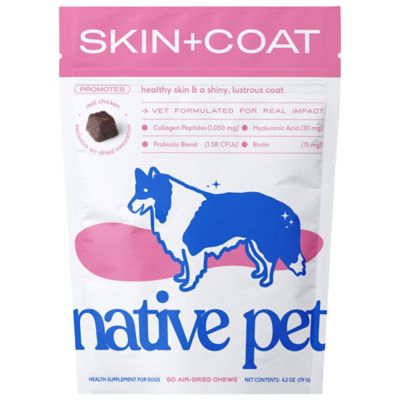
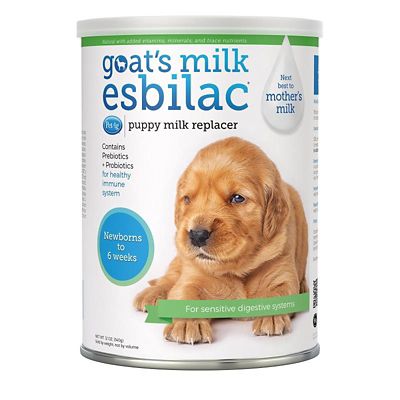
Dog supplements for shedding support skin and coat health, but they do not stop a dog’s normal hair growth and shedding cycle. A sound nutritional foundation can help a coat look and feel its best, particularly when a dog needs additional support for dry skin or a dull coat. That matters whether a dog spends the day following chores around the property or claiming a favorite spot on the couch. Loose hair on a truck seat, work pants or the living room rug is familiar territory for many dog owners, and coat-support supplements fit alongside regular brushing and a balanced diet rather than replacing either one. Many formulas contain omega-3 fatty acids, which help support normal skin function and a healthy coat. Fish oil supplies the omega-3s EPA and DHA, while plant-based oils may provide different fatty acids; those sources are not interchangeable simply because both labels mention omegas. Omega-6 fatty acids also play a role in skin health, though a complete and balanced dog food generally provides essential nutrients already. Some supplements include vitamin E, biotin or zinc, each with a role in normal body function. More of a nutrient is not automatically better, especially when several supplements overlap with a dog’s daily food. The most suitable choice depends on the dog’s diet, health history and reason for needing extra support, not just how much fur ends up in the brush. Short-haired dogs can leave plenty of loose hair behind, too, so coat length alone does not determine whether nutritional support makes sense. A veterinarian can help distinguish ordinary shedding from a skin problem or nutritional concern. For a dog eating an appropriate diet with healthy skin underneath the coat, supplements are best viewed as an added source of support, not a promise of a hair-free house. Keeping that distinction in mind makes it easier to compare formulas with realistic expectations and focus on the dog’s comfort rather than the amount of hair on the floor.
The format of a shedding supplement can make a real difference in how comfortably it fits into feeding time. Soft chews offer a treat-like texture that may suit dogs willing to take them by hand, while liquids can blend into a regular meal. Powders provide another mix-in option, and tablets or capsules may fit dogs that already take supplements without much fuss. A picky eater may notice the smell of fish oil, a gritty powder or a change in kibble texture, so palatability matters as much as convenience. For a dog with sensitive teeth or trouble chewing, texture deserves a closer look; a soft chew is not automatically suitable for every mouth. Liquid formulas also call for attention to the amount per pump, teaspoon or other measure listed on the label. With omega-3 supplements, the amount of EPA and DHA per serving offers more useful detail than the total amount of fish oil alone. Serving directions commonly depend on body weight, which makes clear labeling especially helpful in a household with both a little lap dog and a full-grown farm companion. Calories and fat count toward the daily diet, including when the serving looks small. Ingredient lists also matter for dogs with known food sensitivities, since flavorings, protein sources and other additions vary among formulas. A fish-based oil and a flavored chew can have very different ingredient profiles. Packaging and storage deserve attention, too: a tightly closed lid, a clean measuring tool and storage according to the label help protect the supplement between servings. Some oils require refrigeration after opening, while other formulas have different storage directions. Expiration dates and any instructions about how long to keep a container after opening are worth checking. Supplements belong out of reach of pets and children, especially when a chew smells enough like a treat that a dog might try to help itself.
Visible changes in a dog’s skin and coat may take four to six weeks of consistent daily supplementation, and some dogs need longer. The timeline varies with the formula, the dog’s starting condition and the reason for the shedding; noticeable improvement is not guaranteed. A steadier routine gives a clearer picture than switching formulas every few days or adding several new supplements at once. It also helps to pay attention to more than loose hair alone. Coat softness, skin comfort and changes in licking or scratching can provide useful context, although a supplement should not take the place of veterinary care. Sudden heavy shedding, bald patches, sores, redness, a strong skin odor or persistent scratching deserve a veterinarian’s attention. Fleas, allergies, infections and other health conditions can affect the skin and coat, and adding nutrients will not resolve every cause. For dogs whose coat concerns also include scratching,
Dog Supplements For Itchy Skin offers a related category to consider alongside guidance about the underlying problem. Dogs taking medication or managing a health condition may need a veterinarian’s review before starting a supplement, particularly a concentrated oil or a formula containing several active ingredients. Puppies, pregnant dogs and nursing dogs also need an age- and life-stage-appropriate approach. Everyday coat care still does plenty of the practical work: brushing with a tool suited to the coat removes loose hair before it settles into upholstery, while bathing with a dog-appropriate shampoo helps keep skin clean without unnecessary irritation. A supplement does not replace that brush by the back door or the grooming routine that keeps tangles from building behind the ears. For busy households, the best fit is a formula that suits the dog’s needs, works with the regular diet and is straightforward to measure and store. With sensible expectations and attention to skin health, dog supplements for shedding can be one part of keeping a companion comfortable, well cared for and ready to tag along through the day.