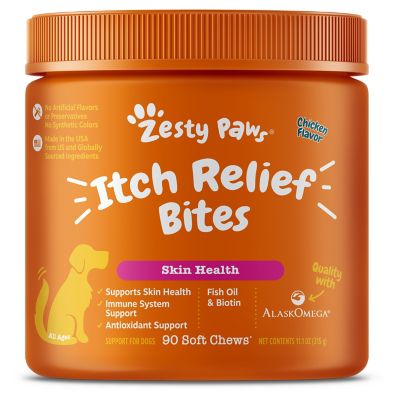
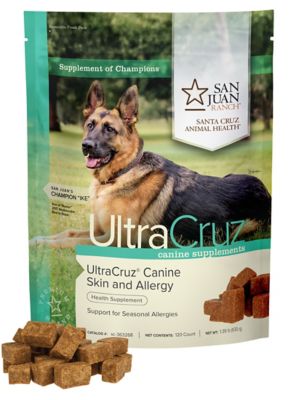
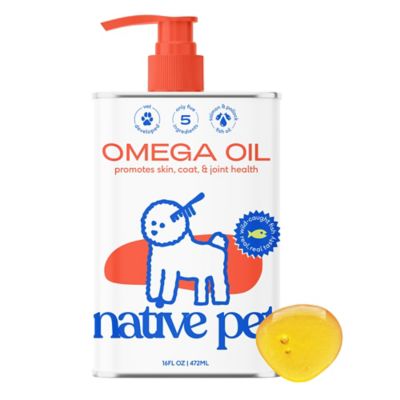
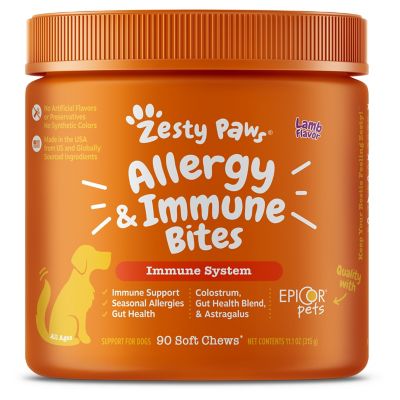
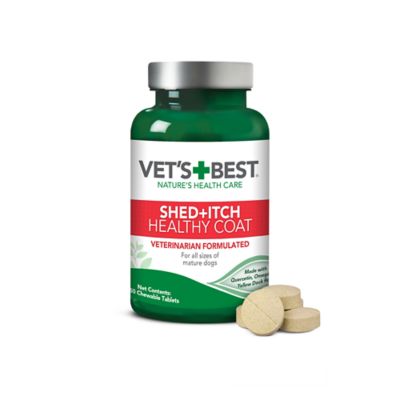
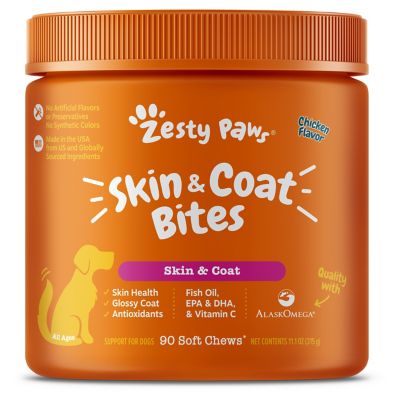
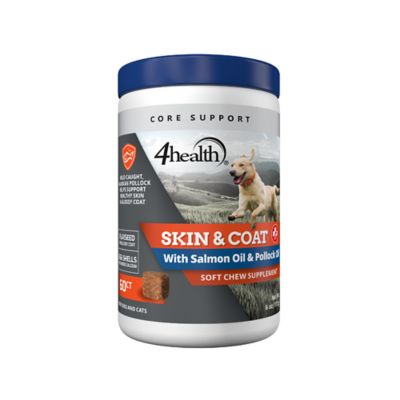
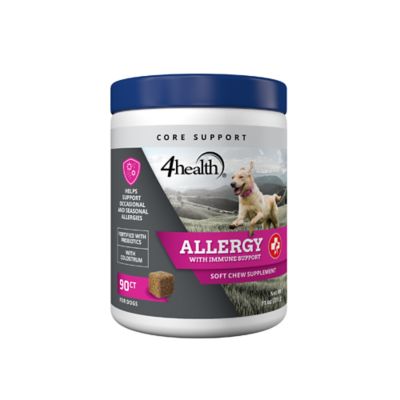
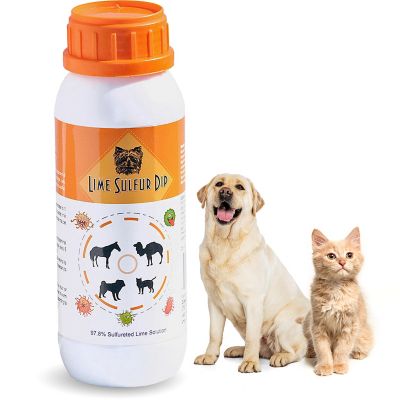
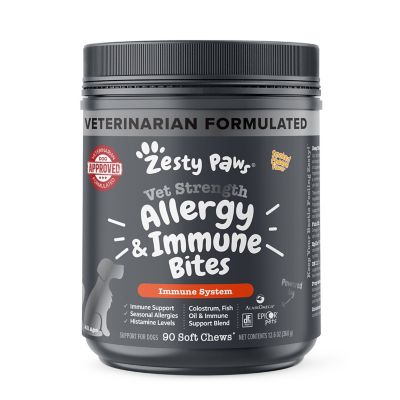
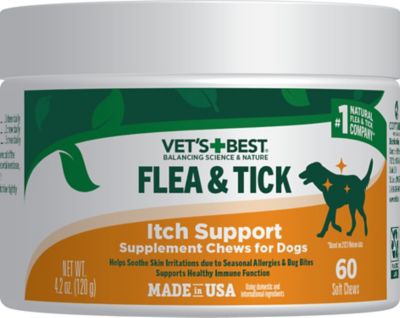
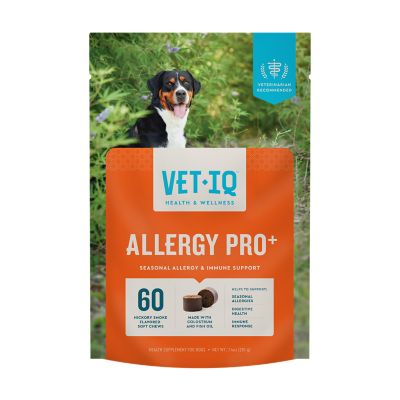
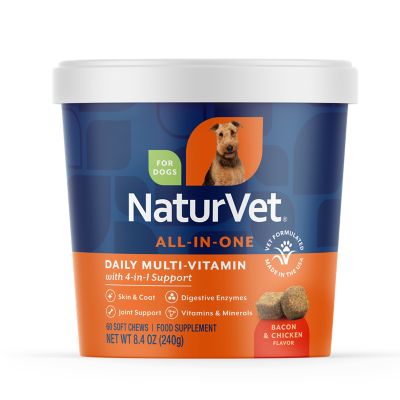
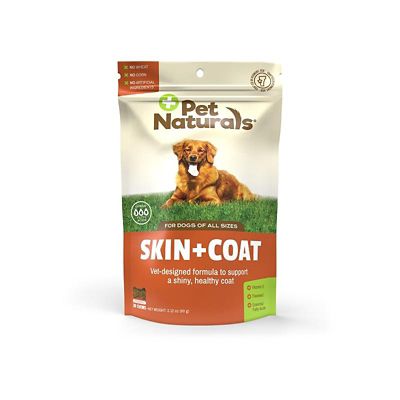
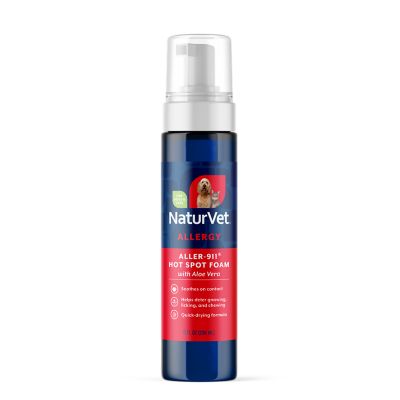
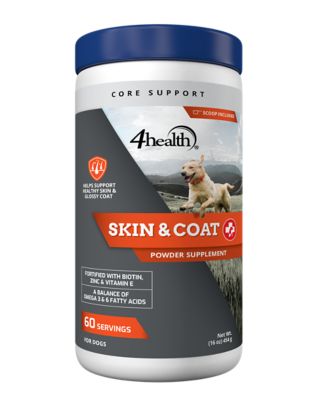
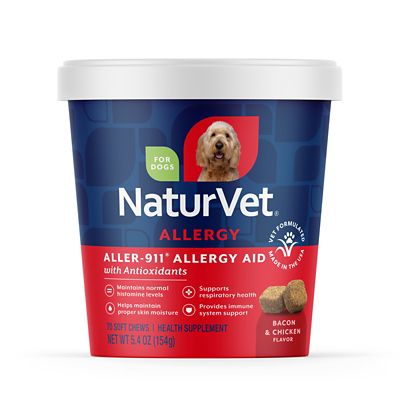
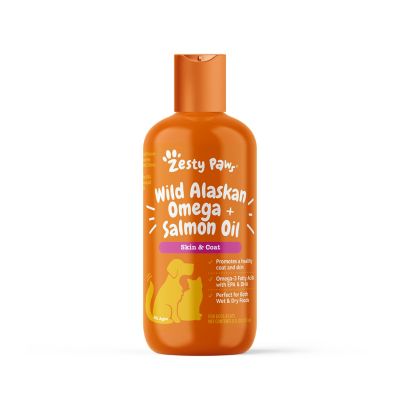
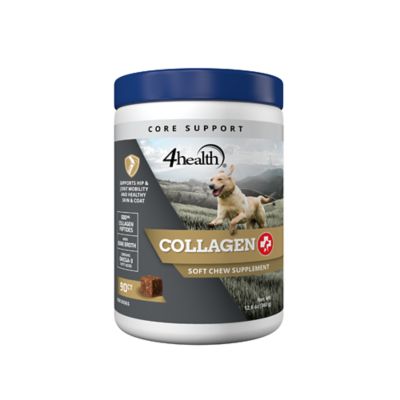
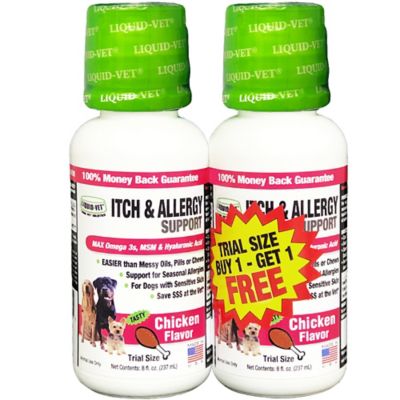
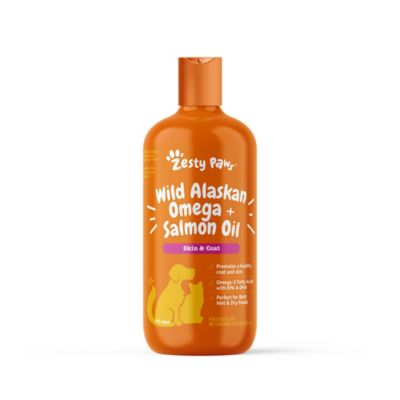
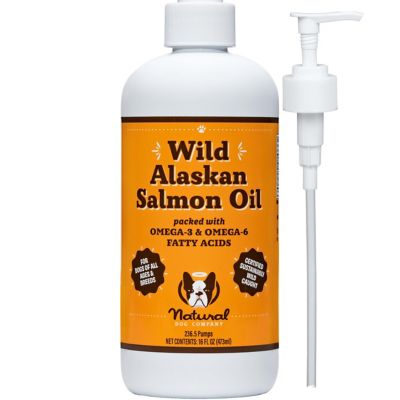
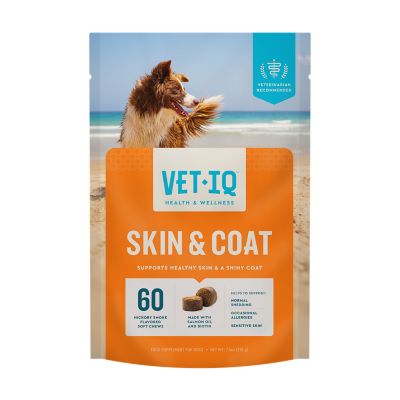
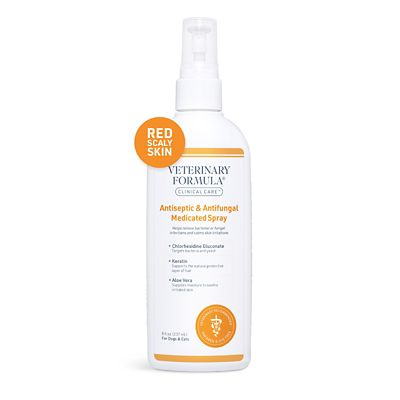
Dog supplements for itchy skin can be a handy part of a broader skin-care routine, especially for dogs that deal with dry, flaky, or irritated skin as the weather changes. Warm air, dusty yards, pollen, weeds, grass, and indoor heating during cooler months can all leave a dog scratching, licking, or rubbing more than usual. These supplements are commonly offered as soft chews, capsules, powders, or liquid oils, making it easier to choose an option that fits your dog’s size, eating habits, and daily routine. Some dogs take a chew like a treat, while others do better with a measured powder mixed into their food. Omega-3 fatty acids are among the most researched supplement ingredients for supporting healthy skin, particularly EPA and DHA from fish oil. These fatty acids can help maintain the skin barrier and support a normal inflammatory response, which may be useful for dogs with seasonal discomfort or rough, dull coats. When comparing products, look beyond a general “fish oil” or “omega” statement and check the guaranteed amount of EPA and DHA per serving. The total oil amount does not always tell you how much of these active fatty acids your dog will receive. Freshness, storage directions, serving size, and your dog’s weight are also worth considering. Oils may need to be kept away from heat and sunlight, while chews and powders may have different storage needs. Follow the label carefully, use the serving amount intended for your dog’s size, and introduce any new supplement gradually. A dog that has a sensitive stomach may need a slower transition, especially with an oil-based product. It also helps to keep meals, treats, grooming products, and supplements consistent for a while so you can notice how your dog responds. A soft brush, regular bathing with a dog-safe shampoo, clean bedding, and a quick rinse after romping through tall grass can complement a supplement routine and help keep irritants from lingering in the coat.
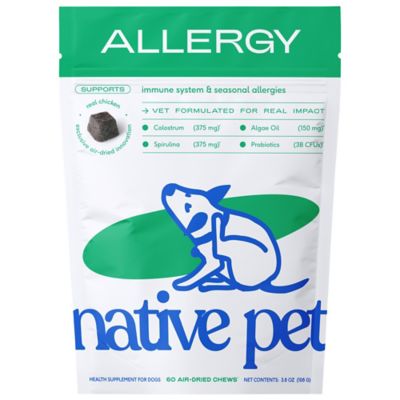
Other common ingredients in dog supplements for itchy skin include probiotics and prebiotics, which support a healthy gut microbiome and normal immune function. Because the digestive system and immune system work closely together, gut support may be useful for some dogs as part of an overall wellness plan, though results can vary from one dog to another. Quercetin, a plant flavonoid, is also included in some formulas because it is used to support normal histamine levels and a balanced response to everyday environmental triggers. Colostrum and antioxidant ingredients may be found in other blends intended to support immune health and the skin’s natural defenses. Ingredient lists and active amounts matter here, too. A long list of ingredients is not necessarily better, and a chew can contain only a small amount of an active ingredient if the label does not provide clear serving information. Look for straightforward directions, appropriate weight ranges, expiration dates, and details about storage. If your dog takes medication, has a chronic condition, is pregnant or nursing, or has had reactions to foods or supplements in the past, check with a veterinarian before adding something new. Supplements can support healthy skin, but they are not a cure for every cause of itching. Fleas, mites, bacterial or yeast overgrowth, food sensitivities, contact irritation, and atopic dermatitis may need different treatment, and persistent scratching deserves professional attention. Call your veterinarian if itching is intense, keeps returning, causes open sores, leads to hair loss, or comes with ear problems, odor, swelling, vomiting, or changes in appetite. A veterinarian can help sort out whether the trouble is coming from the skin, diet, parasites, or another underlying issue and can recommend a safe plan based on your dog’s age, breed, weight, and health history. Keeping a simple note of when the itching starts, where it appears, and what your dog has eaten or encountered can make that conversation more useful.
Dog supplements for itchy skin can also be a thoughtful gift for a friend or family member who treats a dog like part of the farm crew, the hunting party, or the household. They are especially practical for a new dog owner building a daily care kit, a neighbor with a senior dog that has a dry coat, or anyone whose dog spends long days outside during changing weather. Since every dog has different needs, a gift card or a supplement chosen with the owner’s input is often better than guessing at a formula. The owner should confirm the dog’s weight, food sensitivities, current medications, and veterinarian’s advice before use. For dogs that shed heavily as well as scratch, you can also explore
Dog Supplements for Shedding to find options aimed at coat care and seasonal shedding support. Whichever type you choose, think of a supplement as one small piece of regular maintenance, much like checking a water trough, brushing out a dusty coat, or keeping a kennel clean. Give it consistently according to the label rather than expecting an overnight change, and watch for practical signs such as less licking, a smoother coat, fewer dry flakes, or more comfortable rest. Stop use and contact a veterinarian if your dog shows signs of a reaction, including facial swelling, hives, repeated vomiting, diarrhea, weakness, or trouble breathing. With careful label reading, sensible serving sizes, good grooming habits, and veterinary guidance when needed, the right supplement can help support your dog’s skin, coat, and everyday comfort through warm afternoons, muddy walks, and the cooler months ahead.