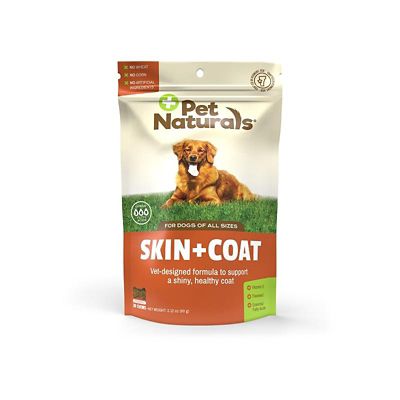
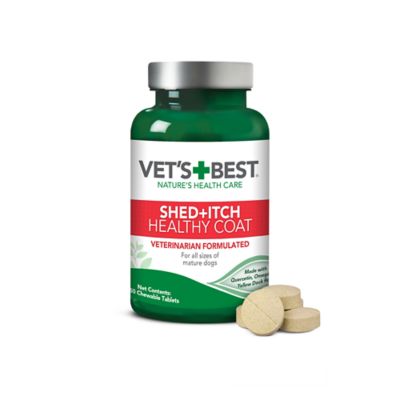
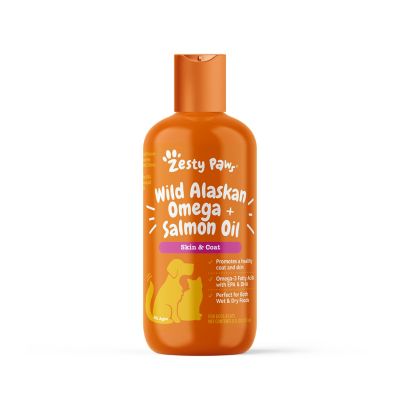
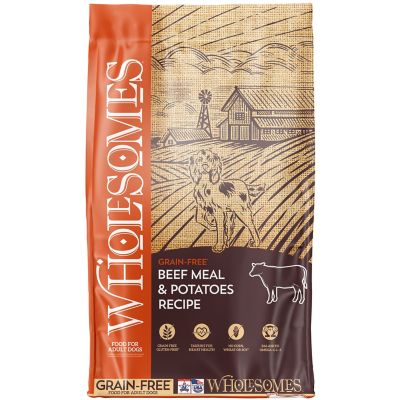
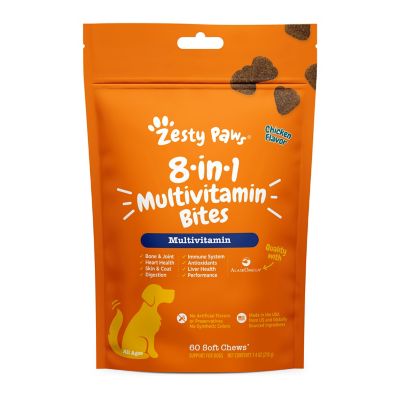
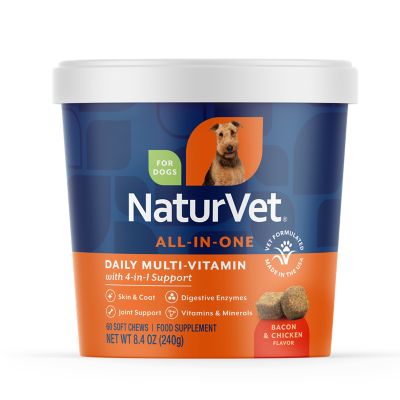
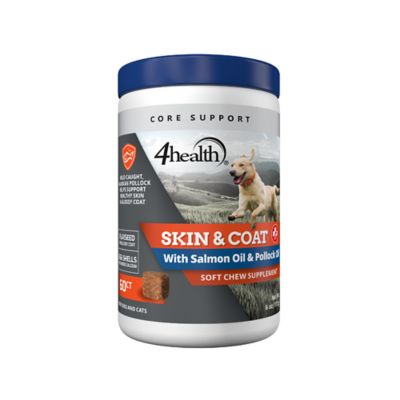
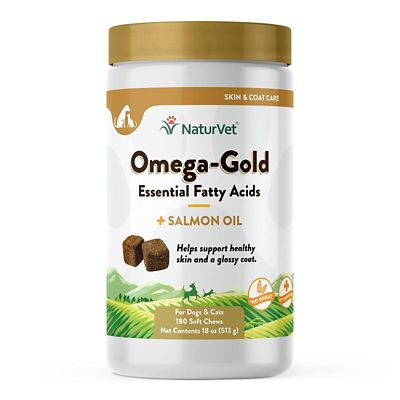
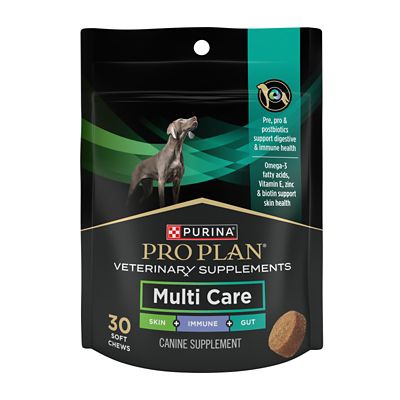
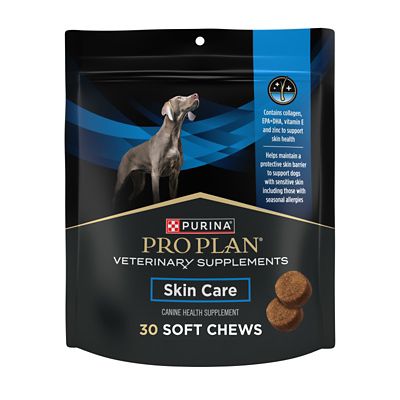
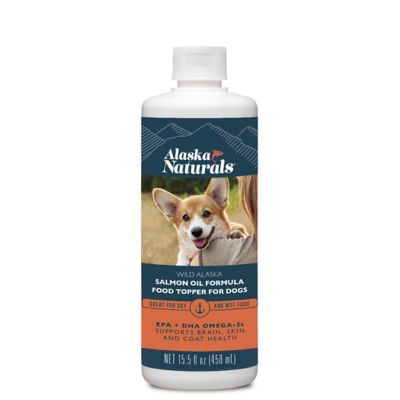
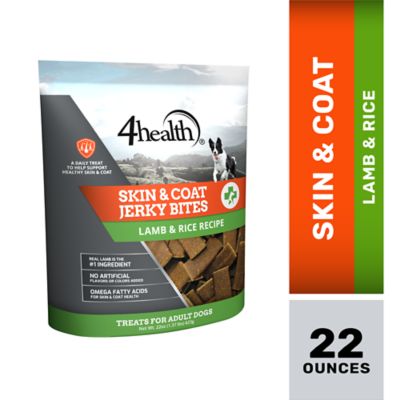
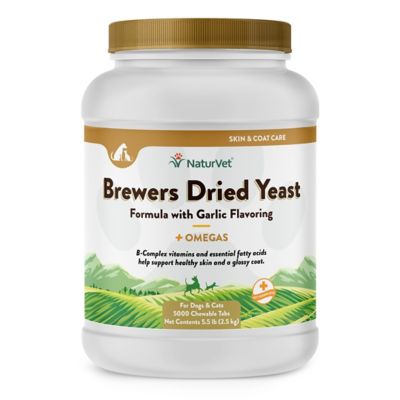
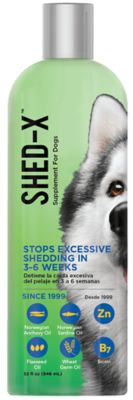
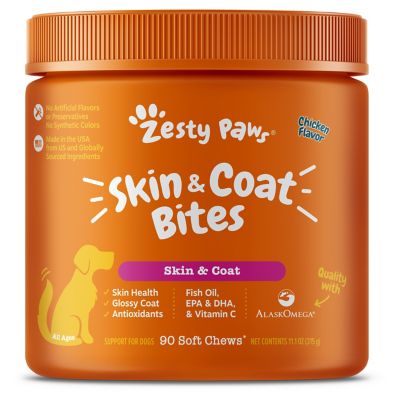
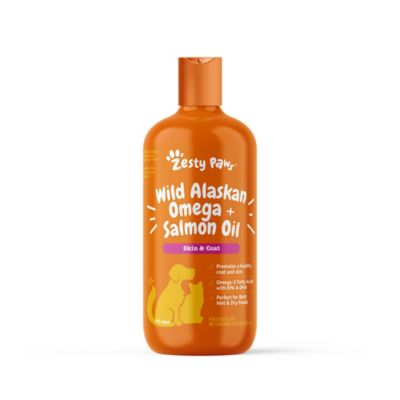
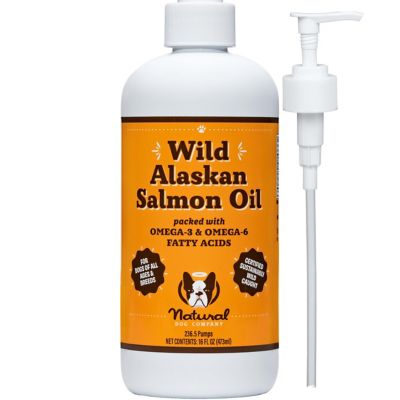
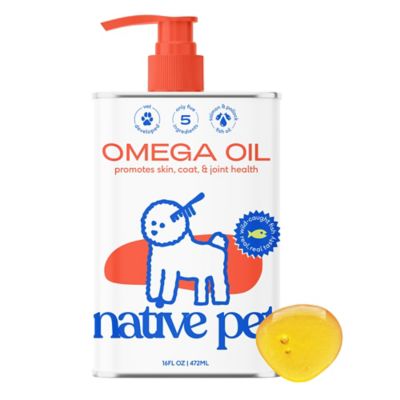
Dog supplements for dry skin offer nutritional support for a healthy skin barrier and a coat that feels soft beneath your hand. They can be part of a care routine for dogs with flaky skin, a dull coat, or occasional dryness, whether that dog spends the day tagging along for chores or napping beside the kitchen table. These supplements complement a complete and balanced diet; they do not replace regular meals, parasite prevention, or veterinary care. Omega-3 fatty acids, particularly EPA and DHA from fish oil, are common ingredients in skin and coat formulas because they help support normal skin function and a healthy inflammatory response. For some dogs, that support may help improve skin comfort and coat condition over time. Fish oil supplements may contain salmon oil or oils from other fish, but the source name alone does not tell the whole story. The amount of EPA and DHA per serving matters more than the total amount of oil listed on the front of the package. A larger oil serving does not necessarily provide more of those fatty acids. Plant oils can supply another omega-3 called ALA, which dogs convert to EPA and DHA only in limited amounts, so these sources are not interchangeable. Omega-6 fatty acids also help maintain the skin barrier and are commonly supplied by a balanced dog food. The best fit depends on what a dog already eats and what additional support a veterinarian recommends. Dry skin is a symptom rather than a diagnosis, and flakes along the back can have a different cause from redness between the toes or repeated scratching around the ears. Allergies, parasites, infections, and other health conditions can all affect the skin. A supplement may support nutrition without addressing those underlying problems, making a veterinary check especially important when dryness comes with persistent itching, odor, sores, or hair loss. For a dog that cannot settle without scratching, an exam belongs ahead of adding another chew to the food bowl.
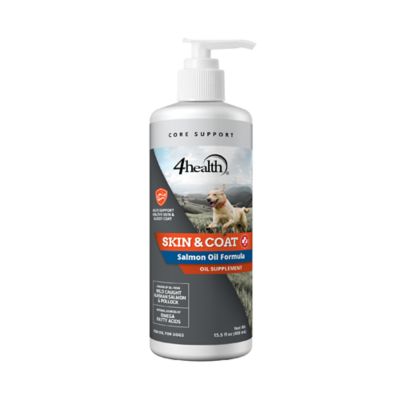
Skin and coat supplements come in several forms, with everyday handling often making the difference between a simple routine and a daily struggle. Liquid oils mix into meals and may suit dogs that leave tablets behind in the bowl. A measuring pump can keep feeding tidy, though the amount delivered per pump varies by formula and should match the label directions. Soft chews offer a portioned option for dogs that readily take a treat, while powders can blend into food when mixed as directed. Capsules are another format, but swallowing comfort and the labeled method of administration matter, particularly for smaller dogs. Serving directions commonly depend on body weight, and formulas can differ substantially in concentration. A small lap dog and a big farm companion should not automatically receive the same amount, even when their coats look equally dry. Age and life stage matter, too; puppies, pregnant or nursing dogs, and dogs with existing medical conditions need veterinary input before starting a supplement. Beyond omega fatty acids, some formulas include vitamin E, biotin, zinc, or other nutrients associated with normal skin and coat health. Vitamin E supports antioxidant defenses, while zinc and biotin play roles in normal skin function. Extra amounts are not automatically helpful when a dog's regular food already supplies enough, and overlapping supplements can push nutrient intake higher than intended. Cod liver oil also supplies vitamins A and D, making it different from fish oils selected mainly for their EPA and DHA content. Ingredient lists deserve a close look when food sensitivities are part of the picture: flavorings, animal proteins, and other added ingredients can matter just as much as the featured oil. A chicken-flavored chew, for example, may not fit a veterinarian-directed elimination diet. Dogs with a history of pancreatitis or difficulty tolerating dietary fat also need an individual recommendation. For dogs watching their weight, oils and chews contribute calories that count toward daily intake. A practical choice is one that fits the dog's nutritional needs, feeding plan, and willingness to take it consistently.
Keeping a skin supplement in good condition is part of getting the intended serving into the dog. Fish oils can oxidize with exposure to air and light, so tight closures and label-directed storage matter. Some liquids need refrigeration after opening, while others have different storage requirements. Keep the original container, follow the expiration date and any after-opening limits, and check for an unexpected change in smell or appearance. Chews and powders also need properly closed packaging, kept away from moisture and out of reach of pets. A tub that smells like treats can tempt a determined dog to eat far more than the recommended serving. For homes with several dogs, separate portions help keep the little bowl and the big bowl from receiving the same dose by habit. Before adding a supplement, a veterinarian can review the dog's food, medications, and other supplements to check for overlap or potential interactions, including concerns involving blood clotting. Follow the recommended amount rather than increasing it because flakes remain visible after a few meals. Skin and coat changes generally take several weeks to assess, and the response depends on the cause of dryness, the formula, and the individual dog. There is no single recovery timeline that applies to every coat. Simple observations can help show whether the routine is making a difference: fewer flakes on a dark dog bed, less frequent scratching during rest, or a coat that feels less rough during brushing. Loose stools, vomiting, or a change in appetite warrant veterinary advice rather than a larger serving or another supplement layered on top. Gentle grooming and an appropriate bathing routine remain important alongside nutrition, since a supplement cannot offset every source of skin irritation. Dryness and shedding sometimes appear together, though normal shedding does not necessarily signal a skin problem. For a closer look at nutritional support centered on coat maintenance, explore
Dog Supplements for Shedding. Thoughtful ingredient selection, sensible portions, and consistent care keep the focus where it belongs: a comfortable dog and a feeding routine that fits everyday life.