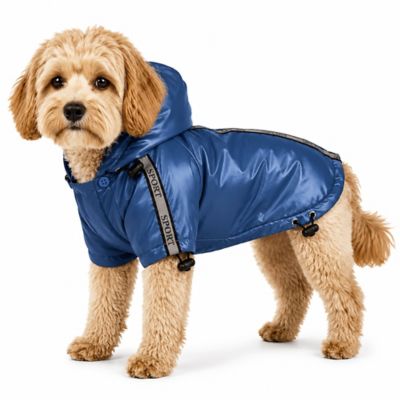
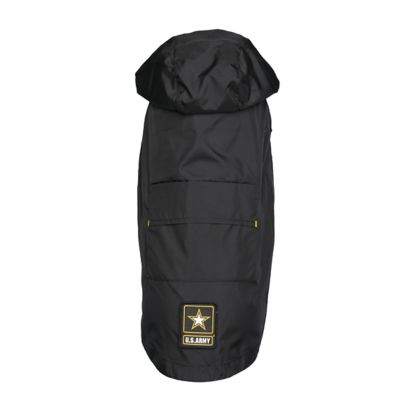
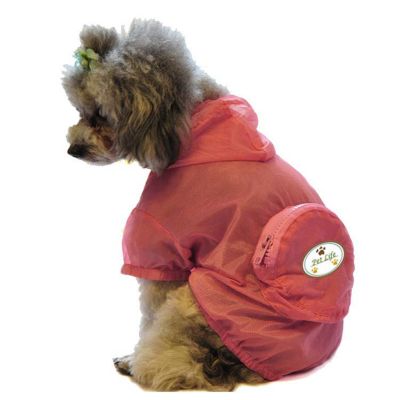
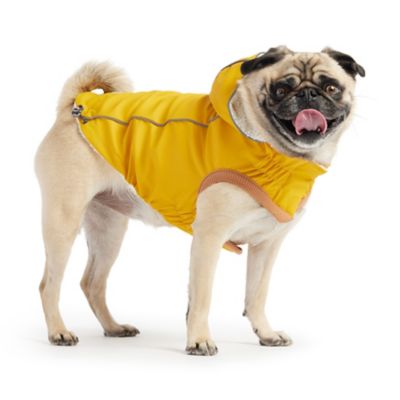
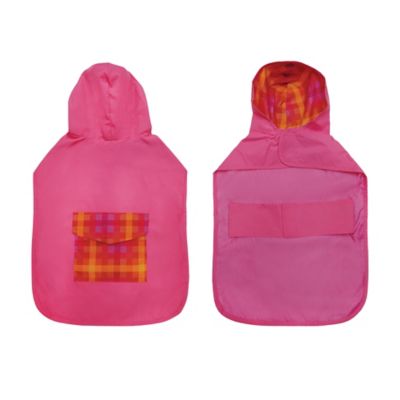
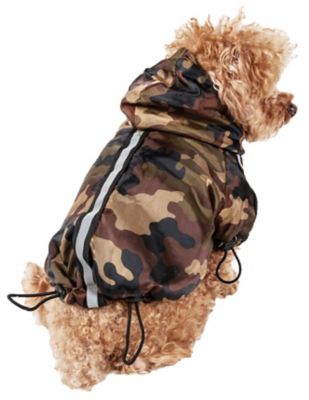
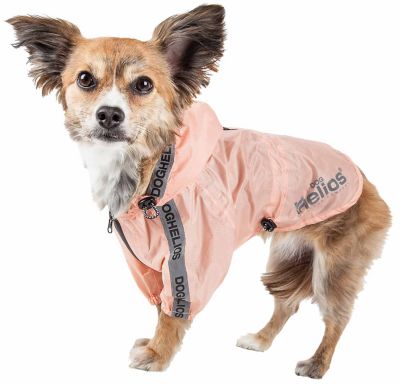
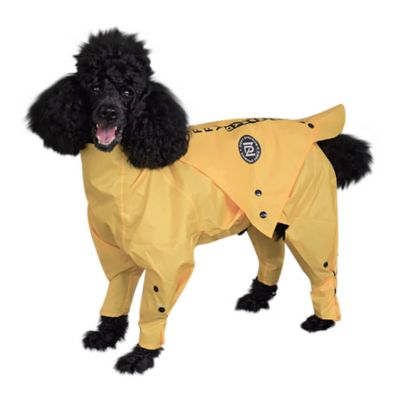
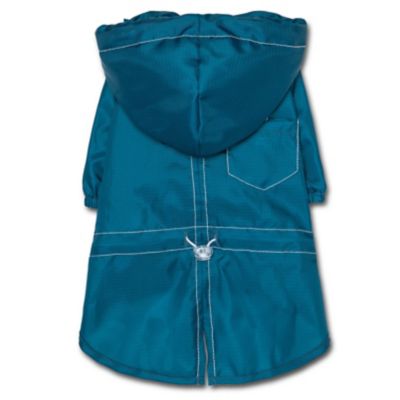
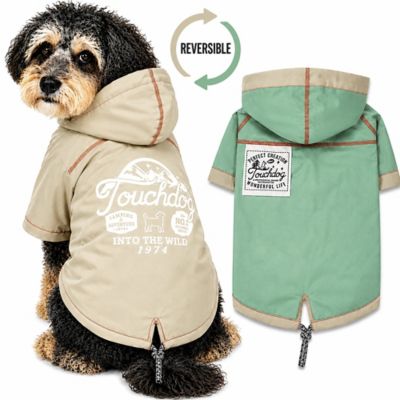
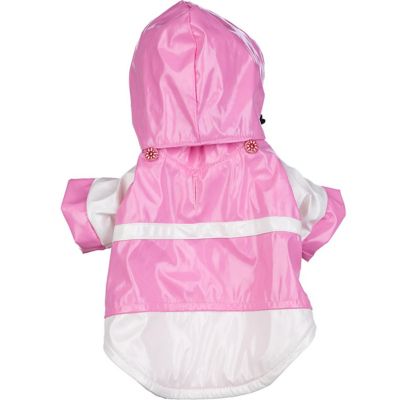
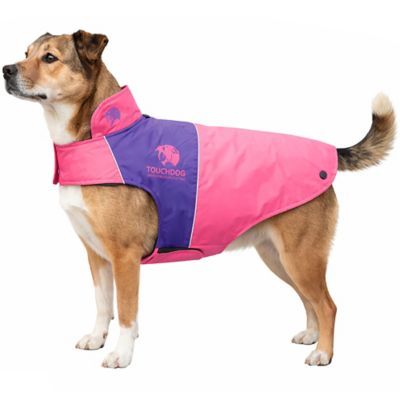
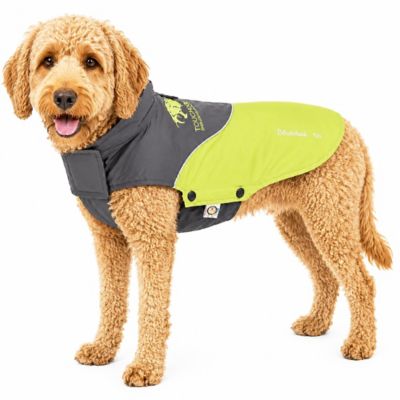
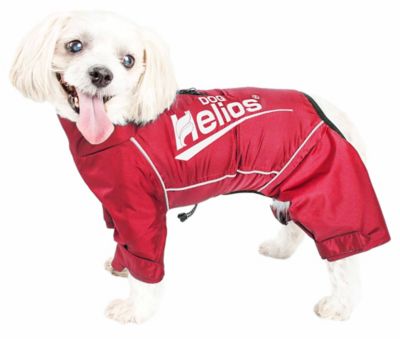
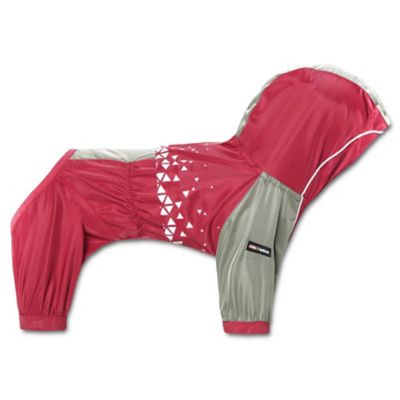
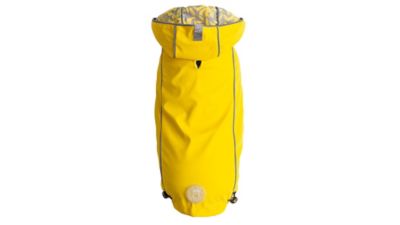
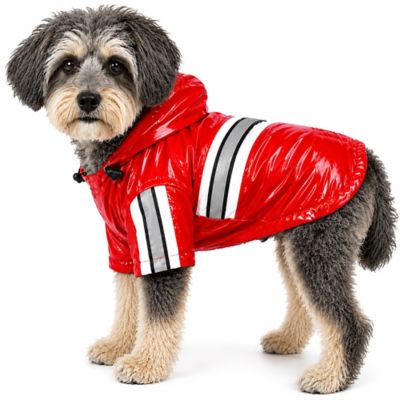
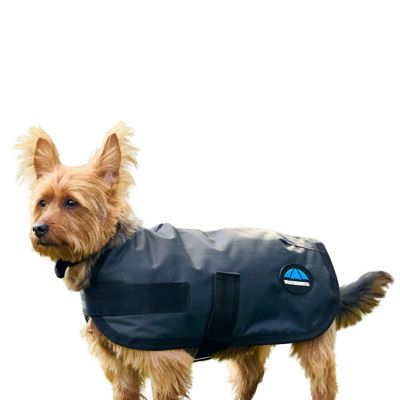
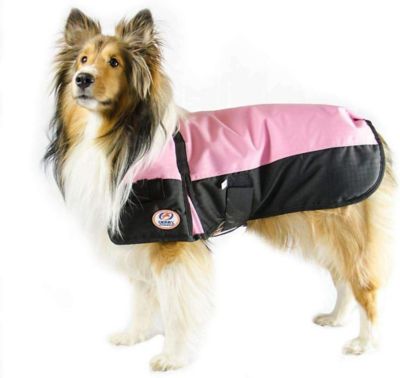
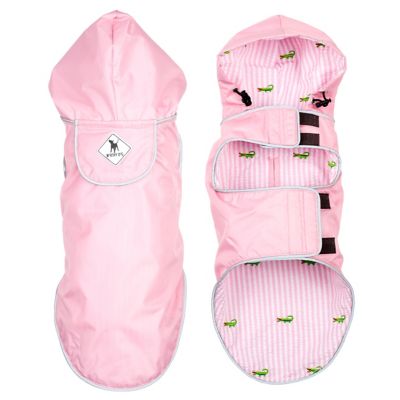
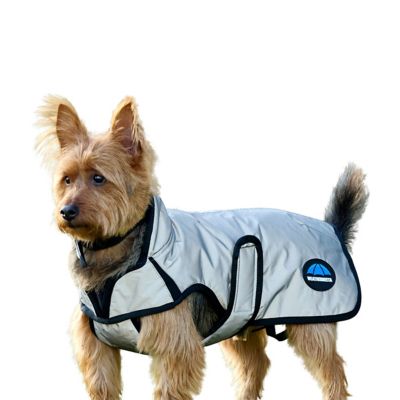
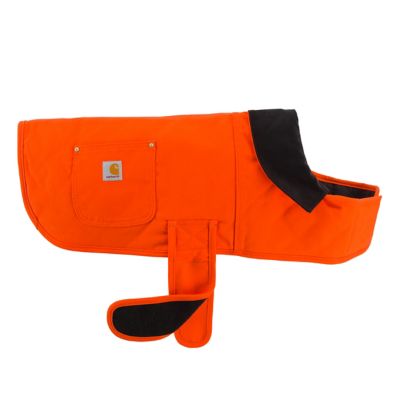
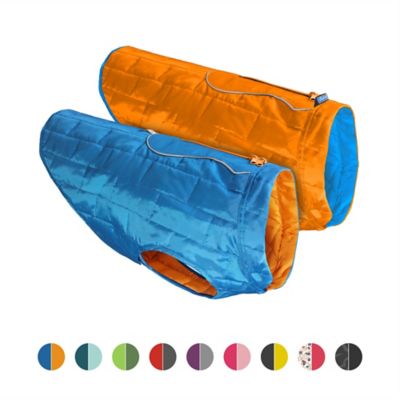
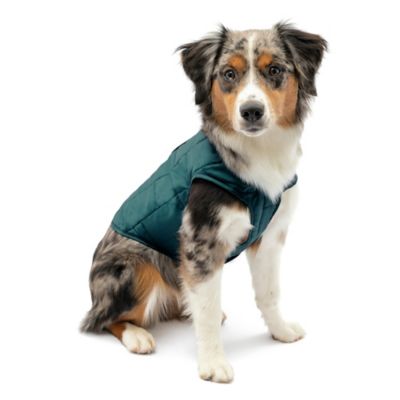
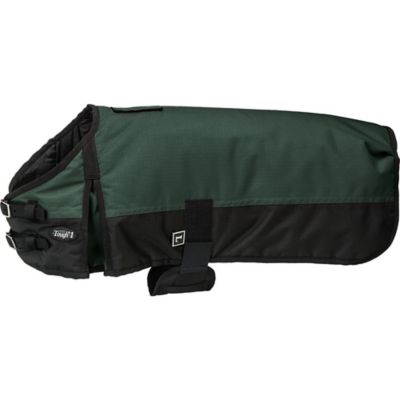
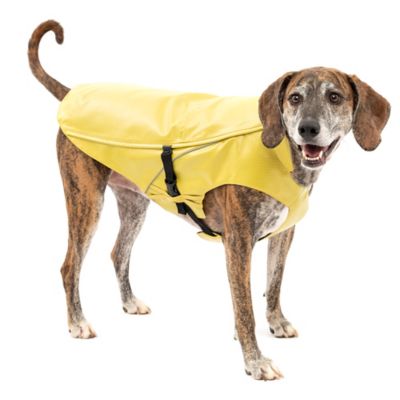
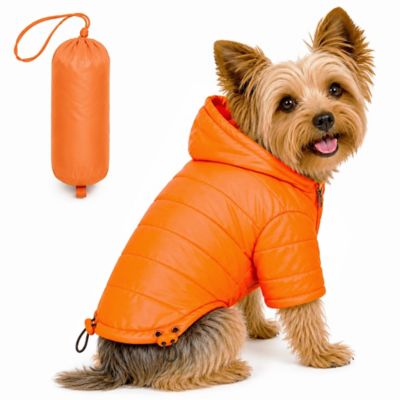
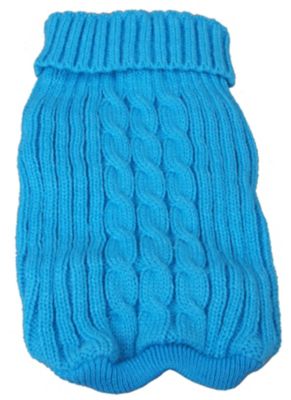
Dog raincoats for small dogs help take the damp, messy edge off walks, quick trips around the yard and longer outings during wet weather. Little dogs often stay closer to the ground, where puddle splash, wet grass and muddy paths can soak a belly in just a few steps. A well-fitted raincoat can help keep your dog’s back, sides and underside drier while making cleanup easier when you come back through the door. Look for a coat made with a water-resistant or waterproof outer layer, especially if your dog spends time outside on the farm, around the campsite or along wooded trails. A soft lining can add comfort, while an unlined shell may be a better choice for mild, rainy days or for dogs that already wear a sweater underneath. Lightweight designs are easy to fold into a truck, tote or walking bag, and they can be handy for sudden showers during the cooler seasons. For smaller breeds, coverage matters just as much as appearance. A coat that reaches along the back and offers protection beneath the chest can help keep spray off short legs and the lower belly, but it should never hang low enough to drag through mud or interfere with movement. Reflective trim, bright colors and other high-visibility details can make a small dog easier to spot near a roadside, pasture gate or dim walking path. A hood may provide extra coverage in steady rain, though some dogs prefer an open head area and a clear view of their surroundings. Adjustable hook-and-loop closures, snaps or straps allow a closer fit around the neck and chest, which is useful for dogs with narrow shoulders, deep chests or compact builds. The coat should sit smoothly without pinching behind the front legs, rubbing at the neck or flapping loosely in the wind. Allow room for normal breathing, turning and stretching, and check that your dog can sit, walk and relieve itself comfortably while wearing it.
Accurate measurements are the best way to narrow down dog raincoats for small dogs, since weight alone does not tell the whole story. Measure back length from the base of the neck to the start of the tail, then measure chest girth around the widest part of the rib cage just behind the front legs. Neck girth is also helpful when comparing sizes or deciding whether a high collar will be comfortable. Use a soft tape measure and keep it snug without pulling tight; if your dog has a thick coat, measure over the fur as it normally sits. Compare those numbers with the sizing chart for each coat, and pay special attention to chest measurements when your dog falls between sizes. A coat that fits the back but is too loose around the chest may shift during a brisk walk, while one that is too tight can restrict movement and cause rubbing. If your dog wears a harness, choose a raincoat with a properly placed leash opening or a design that fits over the harness. A collar opening may not line up with the harness ring, so checking the portal’s position before buying can save plenty of fuss. For dogs that dislike clothing, start with short, calm sessions indoors and offer praise as the coat goes on; a few treats and a relaxed routine can make rainy-day gear feel familiar. Never leave a dog unattended in outerwear, and remove the coat after the walk so you can check for dampness, tangled fur or irritated skin. Shake off loose water, follow the care instructions and let the coat dry fully before storing it. These coats also make a thoughtful gift for a new puppy owner, a friend with a small companion dog or anyone who enjoys early-morning walks, travel and outdoor time with their pet. A practical rain layer pairs nicely with everyday walking essentials and can be especially useful for dogs that spend time on porches, in yards or riding along on country errands. For households with a larger companion as well, compare options such as
Dog Coats For Medium Dogs to help each dog stay comfortable and better protected when wet weather rolls in.