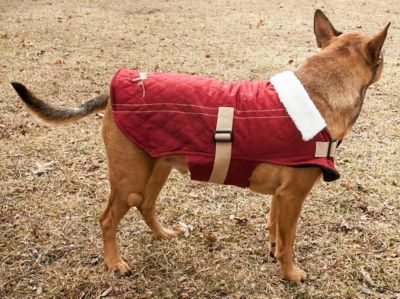
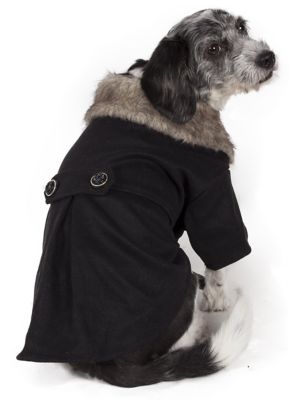
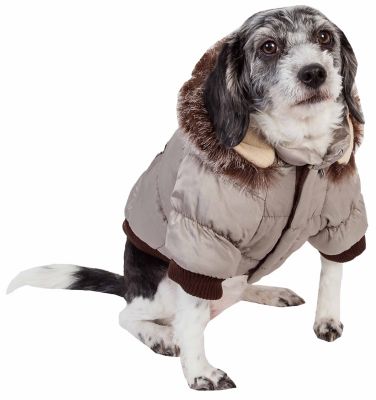
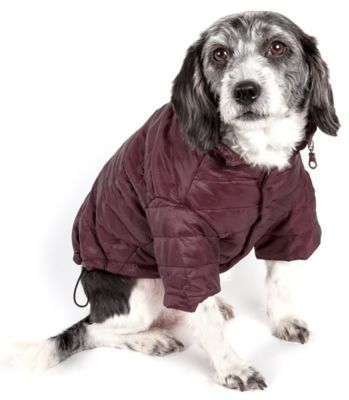
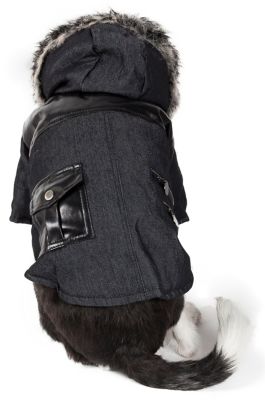
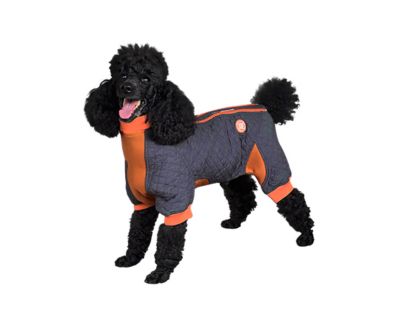
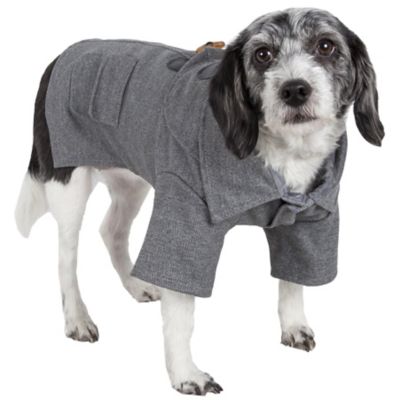
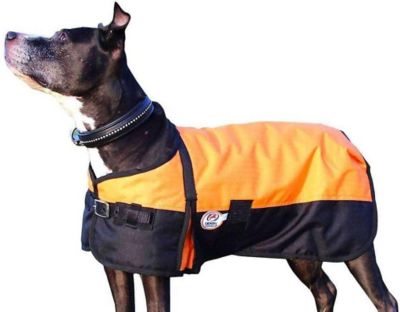
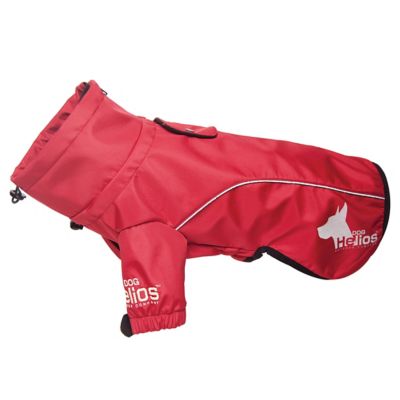
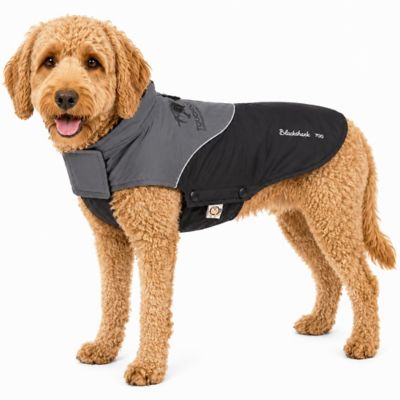
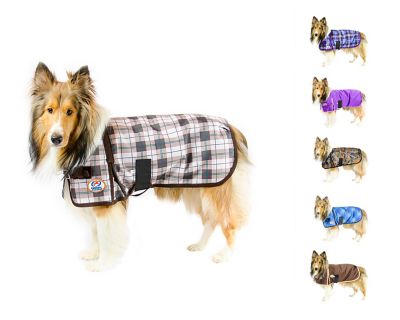
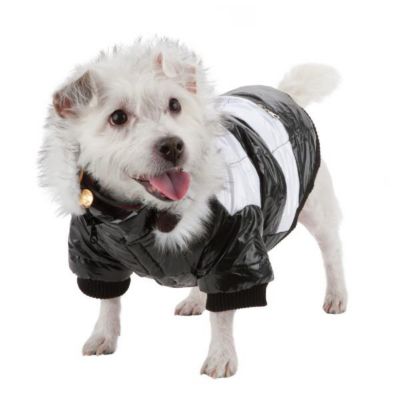
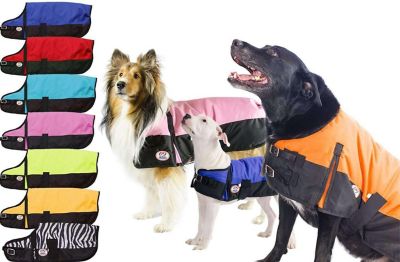
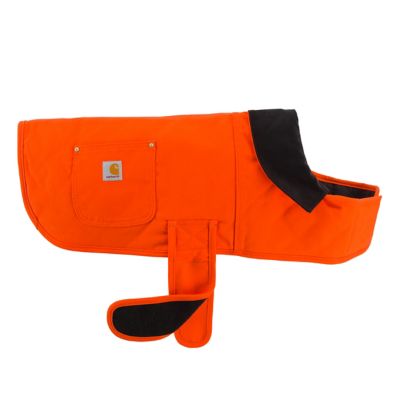
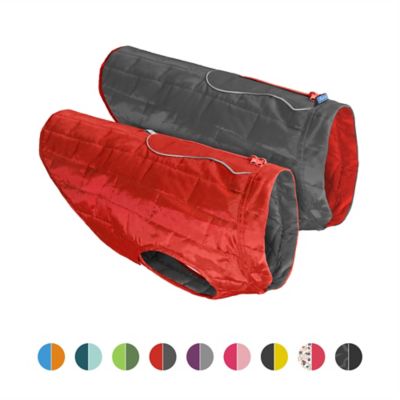
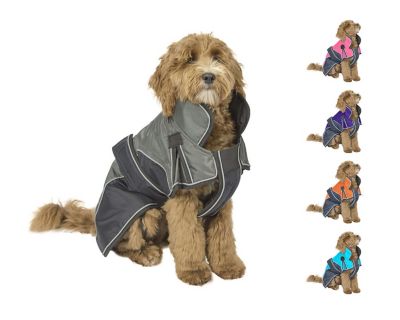
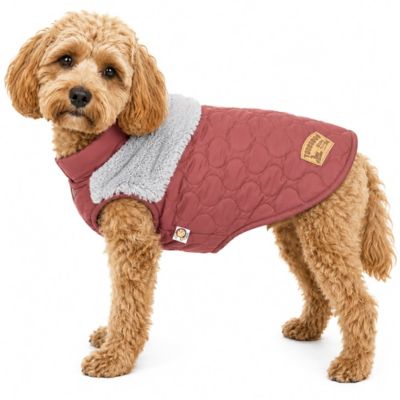
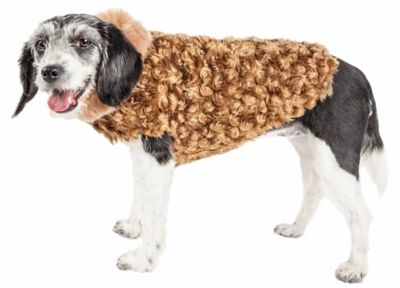
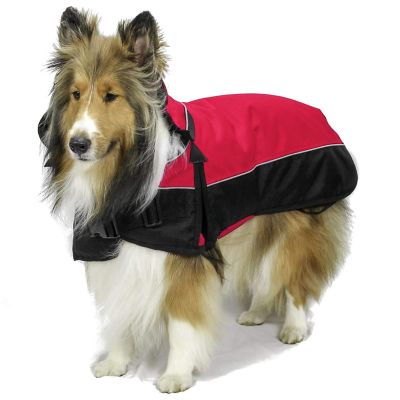
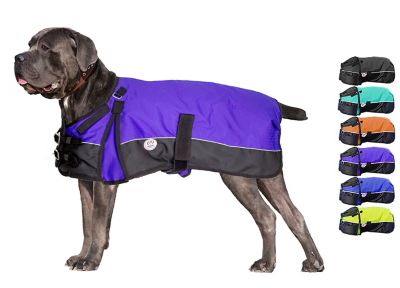
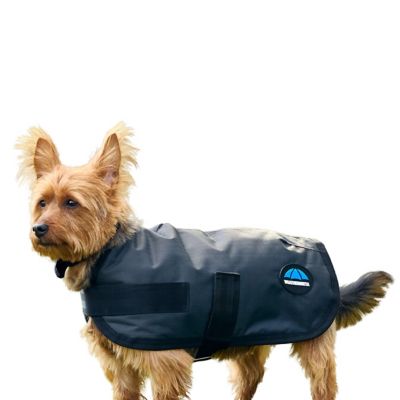
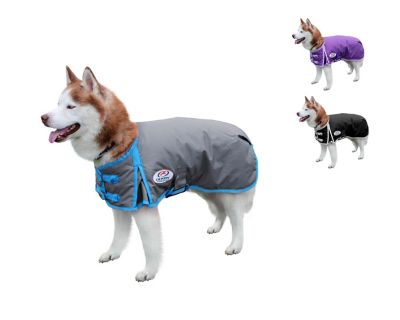
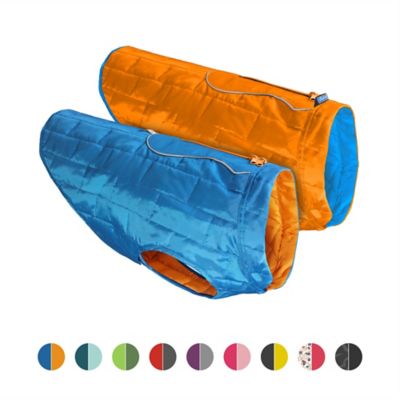
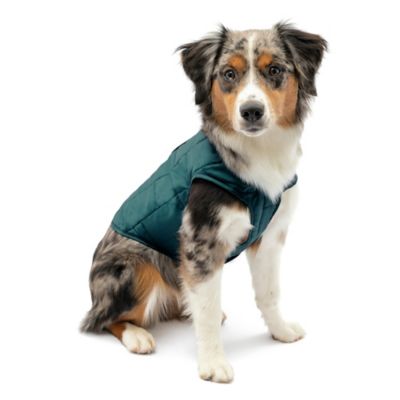
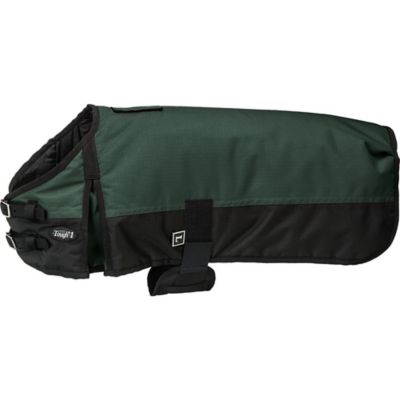
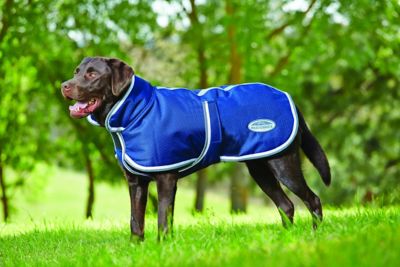
Dog coats for medium dogs help add a comfortable layer when cool air, damp grass and brisk wind make a walk less pleasant for your four-legged partner. Medium-size dogs come in all kinds of shapes, from sturdy, broad-chested working breeds to slim, long-backed mixes, so a coat that fits one dog may not fit another the same way. As a general starting point, many medium dog coats are made for a back length of about 14 to 18 inches and a chest girth of roughly 21 to 28 inches, but your dog’s measurements matter more than a breed label or weight range. To measure back length, have your dog stand naturally and run a soft tape from the base of the neck, where the collar rests, to the base of the tail. Measure chest girth around the widest part of the rib cage, usually just behind the front legs, and keep the tape comfortably snug without pulling it tight. A quick measurement before ordering can save you from a coat that rides up, drags across the ground or leaves too much room for cold air to slip underneath. The right fit should let your dog walk, sit, stretch and take care of business without restriction. Look for adjustable hook-and-loop closures, buckle fasteners or elastic toggle straps that help fine-tune the fit around the chest and neck. These details are especially handy for dogs between sizes or pups with thick fur that changes how a coat sits from one season to the next.
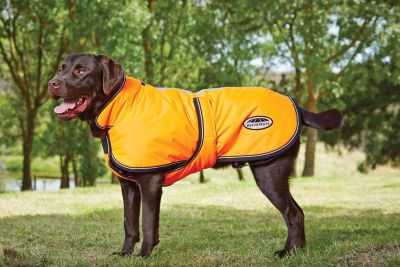
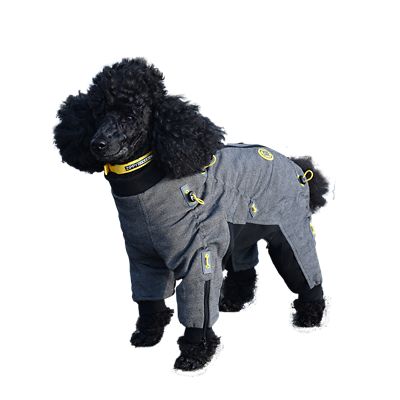
When choosing a coat, think about the weather your dog meets on a regular walk and the amount of time spent outdoors. A lightweight shell can help shed drizzle and wet grass during damp fall walks, while a fleece-lined or insulated layer offers more warmth for cold mornings, windy pasture paths and evening trips around the yard. Dogs with short coats, lean builds, older dogs and pets that are easily chilled often appreciate a little extra coverage, while thick-coated dogs may need a breathable, weather-resistant layer rather than heavy insulation. Look for durable outer fabrics that stand up to brush, porch steps and a little dirt, along with soft lining materials that feel comfortable against the coat and skin. A coat with coverage across the back and chest can help hold in warmth, while a higher collar or adjustable neck snood offers added protection when the wind picks up. Some designs include concealed hoods, but make sure any hood rests comfortably and does not block your dog’s vision or hearing. Reflective trim and high-visibility fabric are useful when daylight fades earlier or when you walk near driveways, gravel roads and parking areas. Closures should be easy to operate with cold fingers, and openings for a leash or harness can make getting ready less of a chore. If your dog wears a harness, check that the coat’s leash opening lines up with the harness ring and does not press against the shoulders. For rainy conditions, a water-resistant shell may be more practical than a thick absorbent fabric, while a reversible design can give you a practical weather side and a softer, everyday side. Before heading out, let your dog sniff the coat and try it on indoors for a few minutes. Offer a treat, take a short lap through the kitchen and watch for rubbing at the armpits, bunching around the neck or signs that your dog is trying to back out of it. A calm introduction makes coat time feel more like part of the routine and less like a wrestling match by the back door.
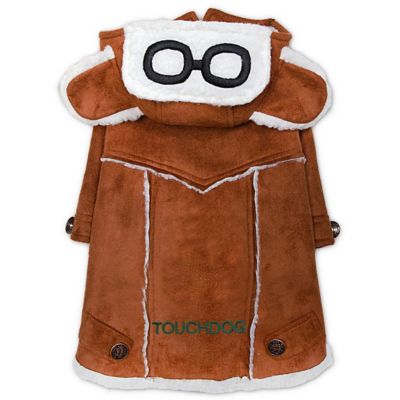
Dog coats can be useful for everyday walks, barn chores, travel, outdoor gatherings and visits with friends who enjoy giving practical gifts to their favorite pets. They also make a thoughtful choice for a new puppy owner, a senior dog household or anyone who spends cool-weather mornings outside with a canine companion. During the warmer part of the year, a coat can be packed away until cool evenings and damp conditions return, while the changing weather later in the season often makes an easy-on layer a welcome addition by the leash rack. Keep one near the door, in the truck or with your walking gear so it is ready when the temperature drops or a light shower rolls across the field. A coat is not a substitute for supervision, shelter or a dry place to rest, and dogs should not be left unattended in clothing that catches on fencing, branches or equipment. Check the fit each time, especially after grooming, weight changes or a wet outing, and remove the coat if your dog shows signs of overheating, discomfort or restricted movement. Let muddy or damp coats dry fully before storing them, and follow the care instructions to help preserve water resistance, insulation and reflective details. For seasonal fun, a comfortable coat can also be paired with pet-safe accessories for a fall gathering or neighborhood walk; shoppers looking for a more playful outfit can browse
Dog Costumes for Medium Dogs. Whether your medium dog is trotting along a country lane, waiting beside the pickup or curling up on the porch after a chilly outing, the best coat is one that fits securely, feels comfortable and suits the conditions you and your dog handle together.