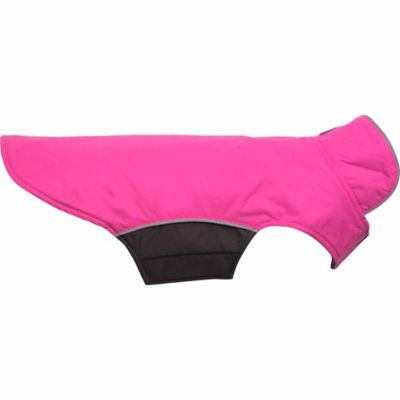
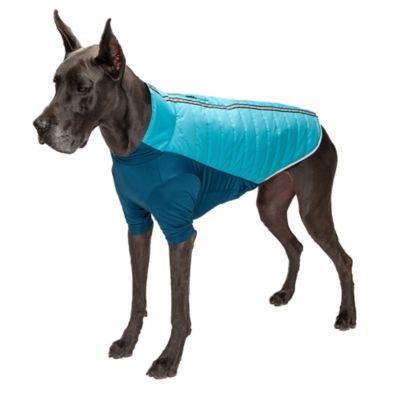
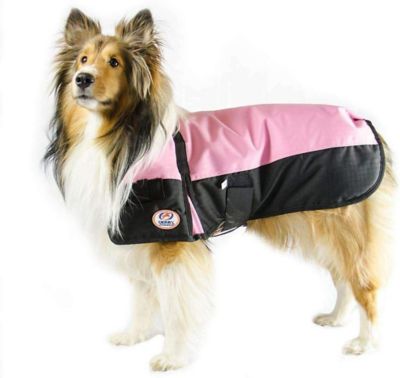
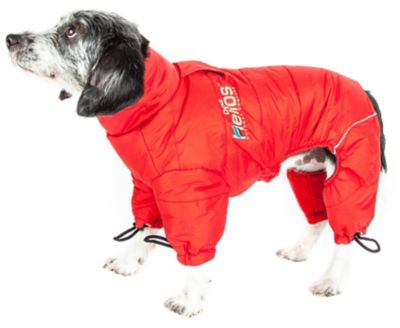
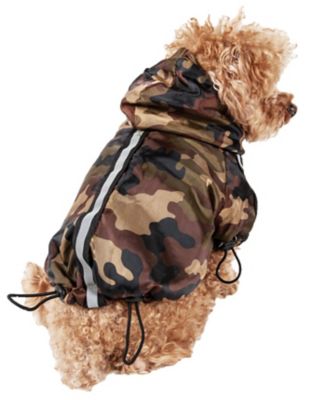
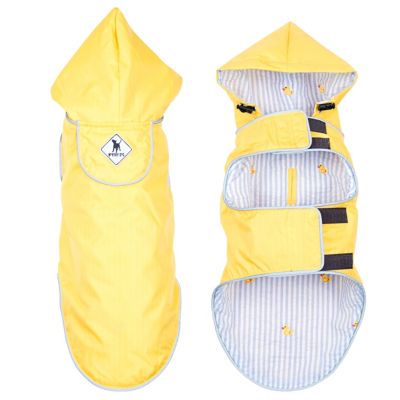
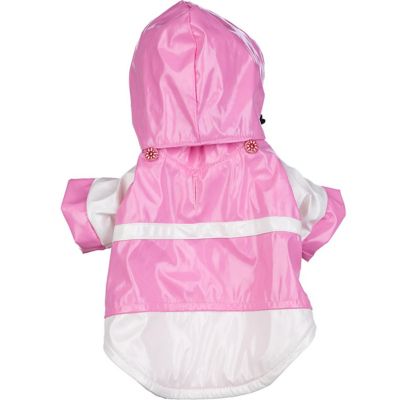
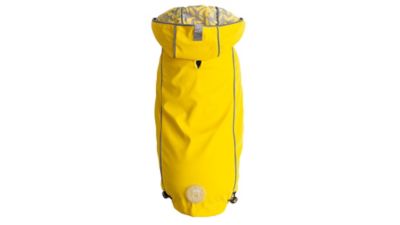
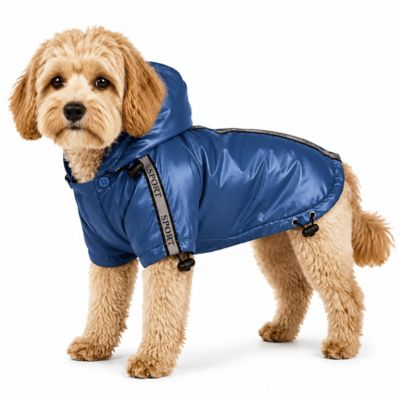
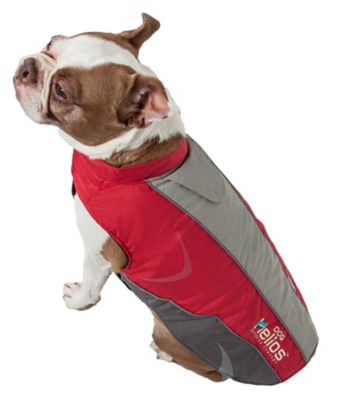
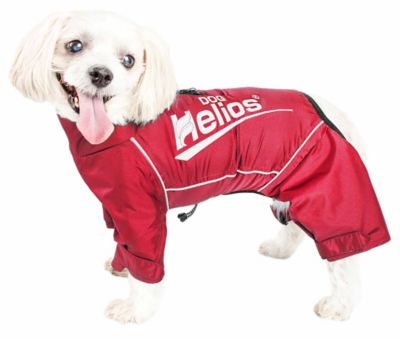
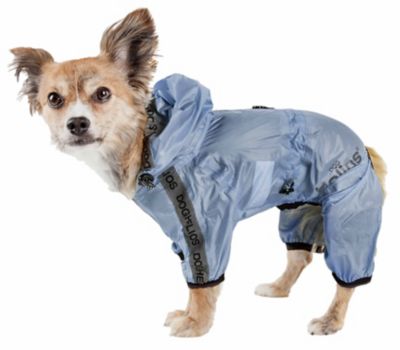
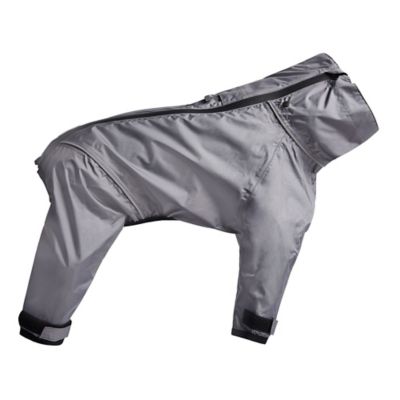
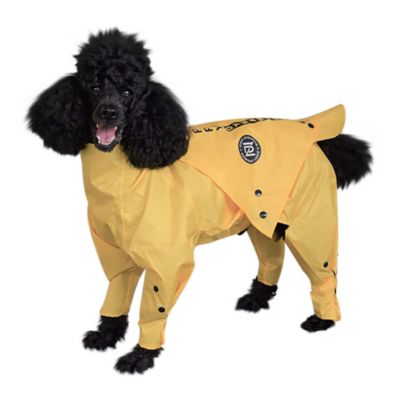
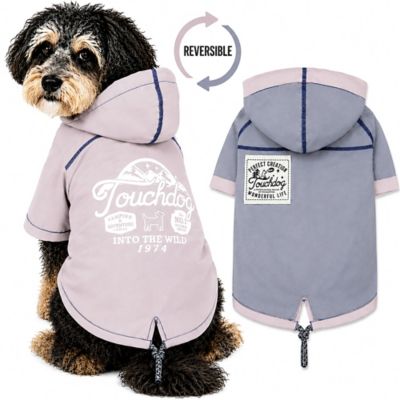
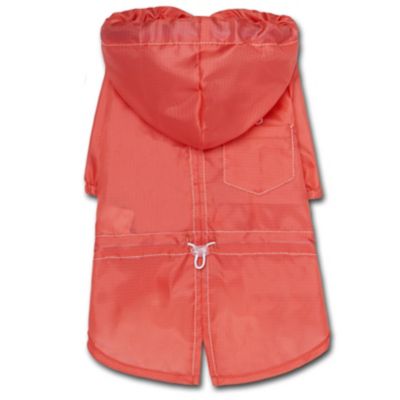
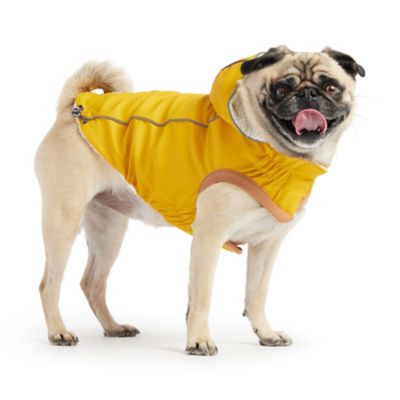
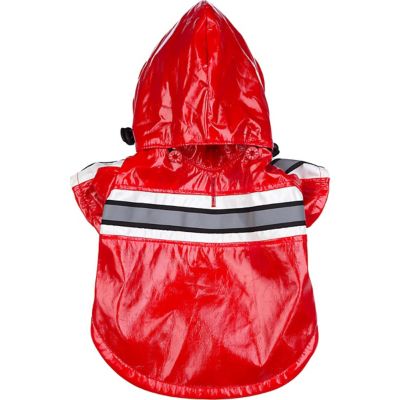
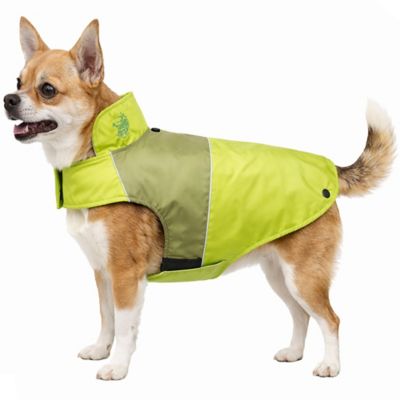
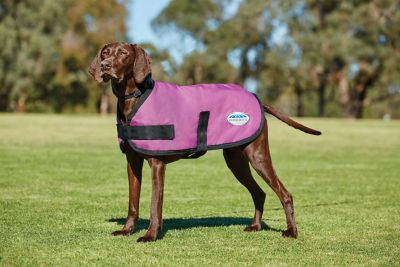
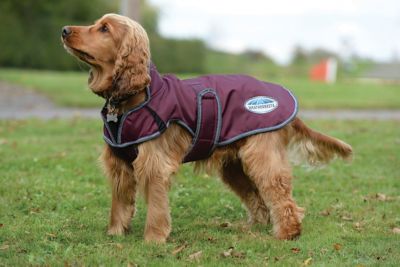
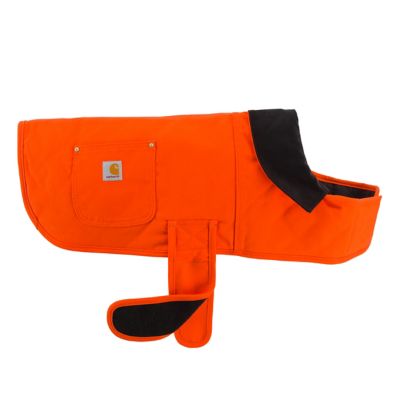
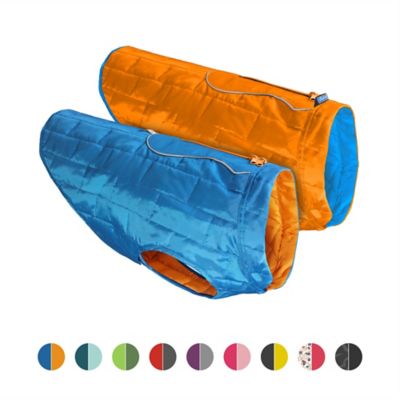
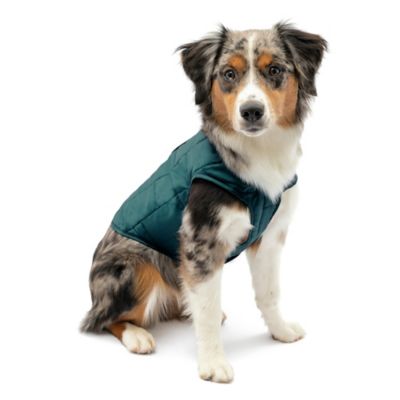
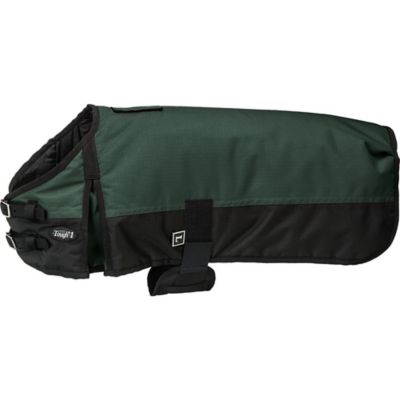
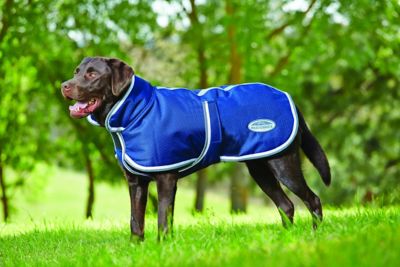
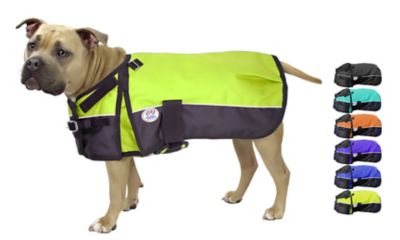
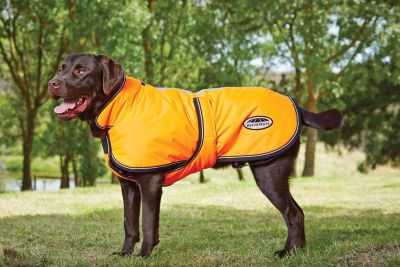
Dog raincoats help take the fuss out of wet-weather walks, barnyard chores, and quick trips outside when the sky opens up. A good raincoat gives your dog a lightweight layer between their coat and the rain, helping them stay more comfortable while they sniff along a muddy trail or stand beside you in the yard. They can be especially handy for dogs with short, fine, or thin coats, senior dogs that feel the chill more easily, and pets that take a while to dry after every outing. Even dogs with thick fur may benefit from rain protection when steady showers soak through the topcoat, leaving them damp close to the skin and bringing a trail of wet paw prints into the house. A raincoat can also help keep dirt and splashing water off the chest, back, and sides, which may mean less toweling and fewer baths after a walk. When choosing a dog raincoat, start with the fit. Measure around the widest part of your dog’s chest, along the back from the base of the neck to the tail area, and around the neck if the sizing information calls for it. A coat should offer room for normal movement without hanging loose enough to catch on brush, fencing, or other obstacles. Look for adjustable closures that sit securely but do not pinch, along with openings that allow your dog to use the bathroom without removing the coat. Some dogs are perfectly happy to step into new gear, while others need a little patience. Let your dog sniff the raincoat first, then drape it over their back for a few seconds and reward calm behavior with praise or a small treat. A slow introduction can turn a strange crinkly layer into just another part of getting ready to go outside.
Weather-resistant material is another important consideration. A dog raincoat should help shed water from the surface rather than quickly becoming heavy and soaked through. Sealed or covered seams, a roomy hood or collar area, and a longer back panel can offer added coverage during driving rain, although some dogs prefer an open neck and no hood near their ears. Think about the kind of weather and terrain your dog encounters most often. For a short walk down the driveway, a simple lightweight layer may be all you need. For longer walks, camping trips, farm work, or time spent outdoors during cooler stretches, look for features that improve comfort and visibility. Bright colors or reflective details make it easier to spot your dog when the light fades under heavy clouds or during an early morning outing. A leash opening can be useful if your dog wears a harness, but check that it lines up with the harness attachment point and does not restrict the fit. If your dog wears a collar, make sure the opening does not rub or pull as they move. Soft lining or smooth interior panels may be more comfortable for dogs with sensitive skin, while a lightweight design is often easier for a pet that dislikes bulky clothing. Keep in mind that rain protection is not the same as warmth. Some raincoats are made for wet conditions without adding much insulation, which can be a good choice when the air is mild. During colder weather, your dog may need a separate warm layer underneath, but avoid stacking clothing so tightly that movement becomes awkward. After each outing, hang the coat where air can circulate and follow the care instructions so it is ready for the next muddy walk. Shake off loose dirt, wipe away grime, and check closures and seams from time to time. A clean, dry coat is more comfortable and less likely to develop a musty smell.
Dog raincoats are useful for all sorts of pet households, from country homes with dogs that roam the edge of the pasture to town homes where a daily walk still has to happen through a steady drizzle. They can make a thoughtful gift for a new dog owner, a friend who enjoys hiking with their pet, or a family welcoming a puppy during a season of changing weather. A raincoat can also be a practical addition to a travel bag, especially for road trips, camping weekends, hunting camp, or visits to relatives where your dog will spend time outdoors. Keep one near the back door with a towel and leash, and it will be easier to head out without searching through a closet while rainwater runs off the porch. Pairing a dog raincoat with your own weather-ready gear can make the whole routine feel simpler; for human options, take a look at
Womens Summer Rain Jackets. Before letting your dog wear a coat on a longer outing, test it close to home and watch how they walk, sit, turn, and relieve themselves. Check for rubbing behind the front legs, bunching across the shoulders, or a hem that gets underfoot. Dogs communicate comfort in small ways: a relaxed trot, a loose tail, and an easy willingness to move are good signs, while repeated scratching, freezing, or trying to pull the coat off means the fit or style may need attention. Never leave a raincoat on an unattended dog, and remove it indoors if your pet begins to pant, act uncomfortable, or gets caught near brush or equipment. With the right size and a little practice, rain protection can help your dog stay drier, cleaner, and more at ease through wet walks and gray afternoons, whether they are padding along a gravel lane, waiting beside the truck, or splashing happily through the grass after a passing shower.