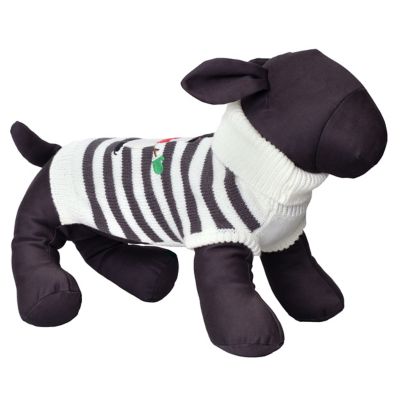
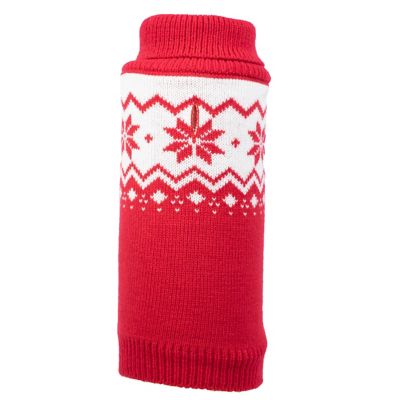
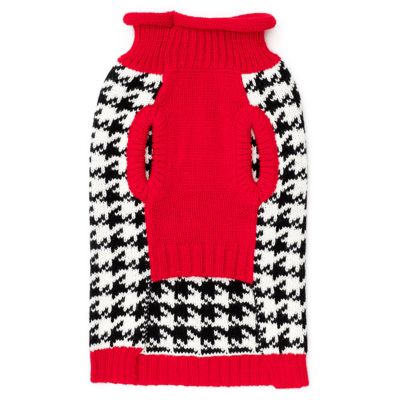
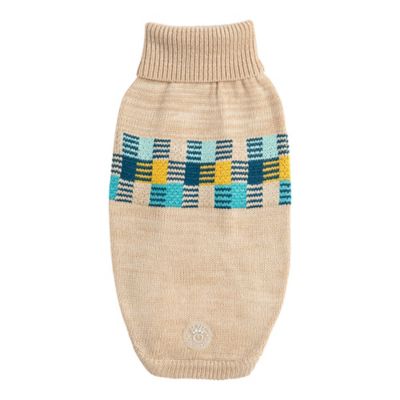
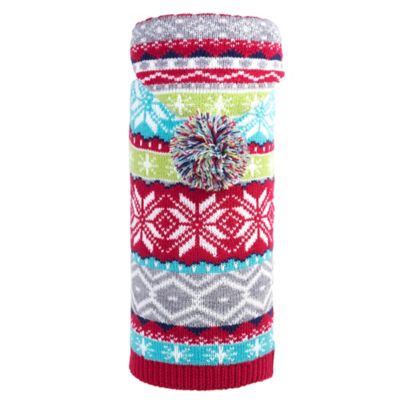
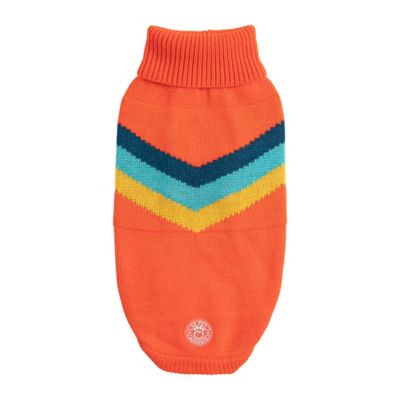
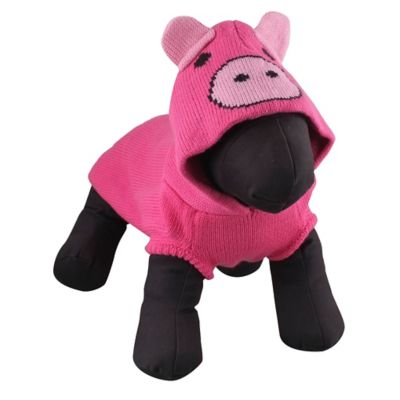
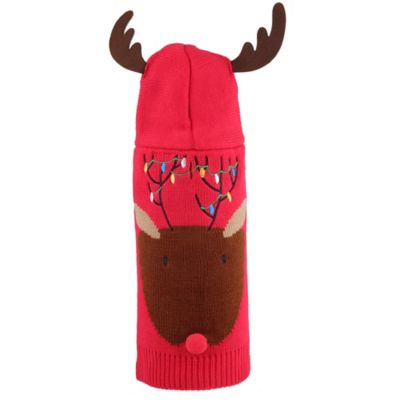
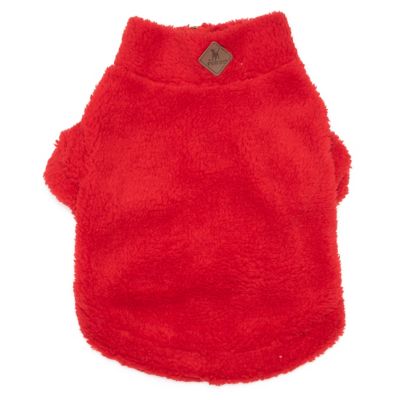
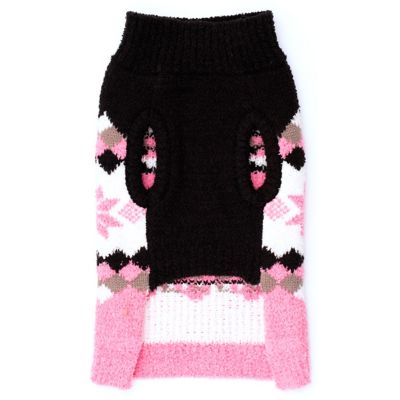
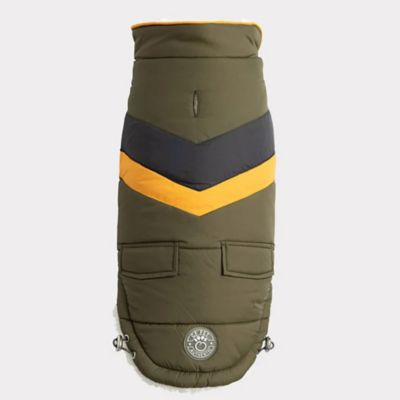
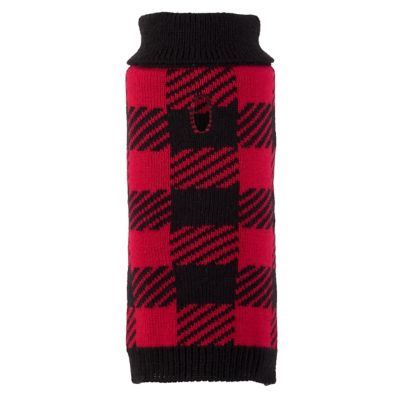
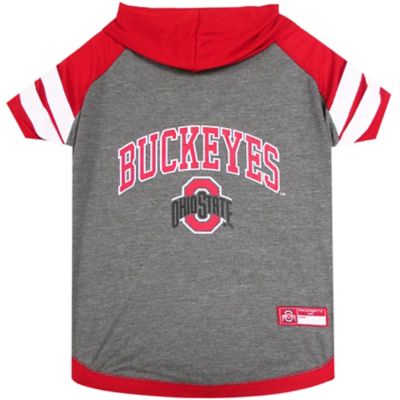
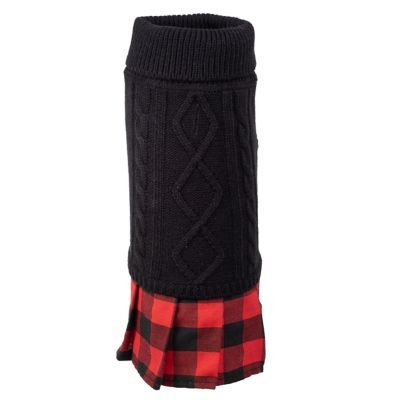
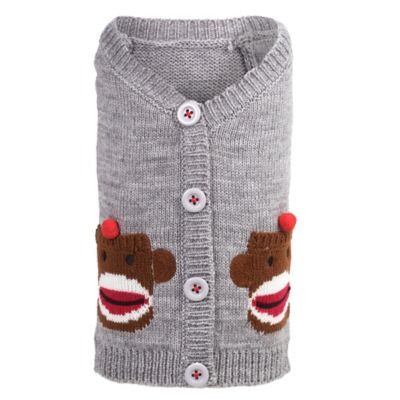
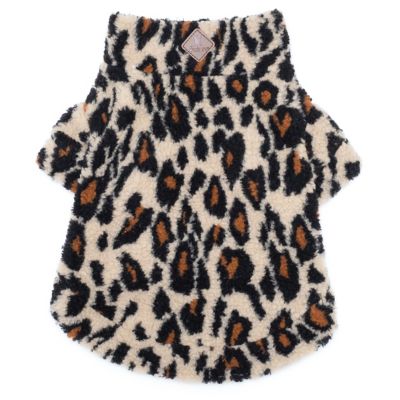
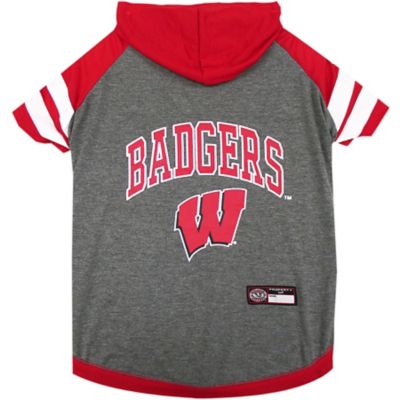
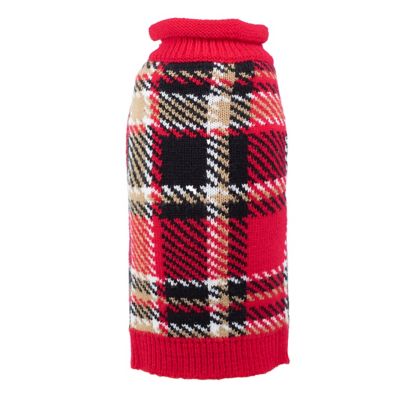
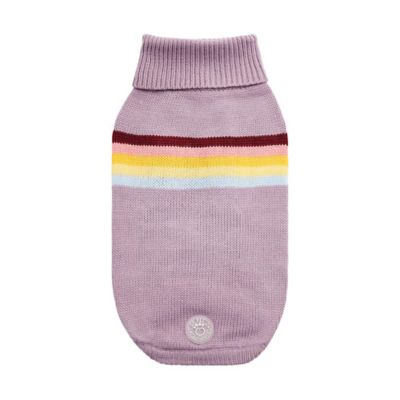
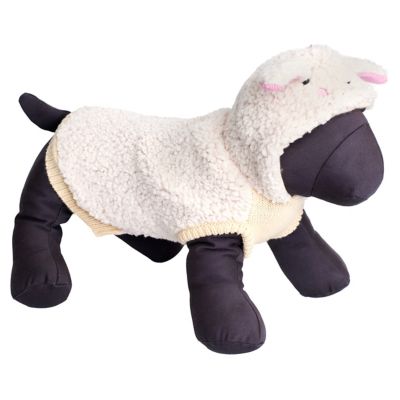
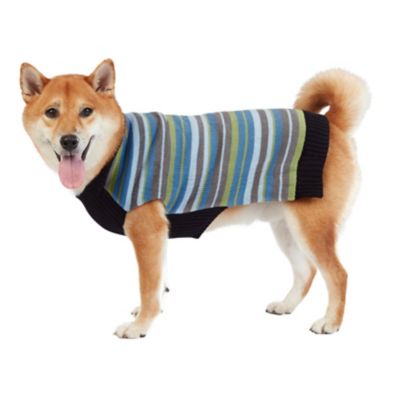
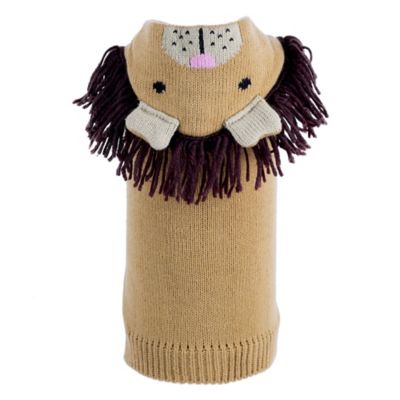
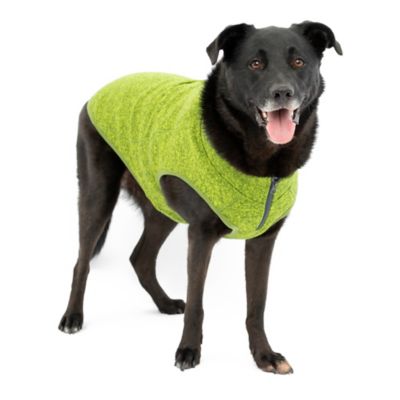
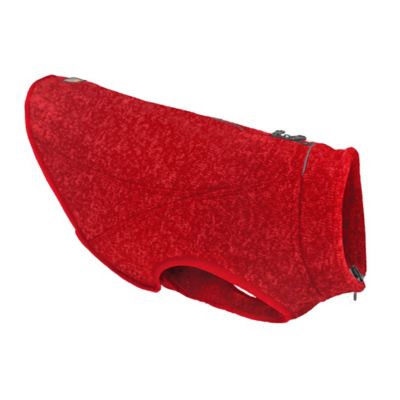
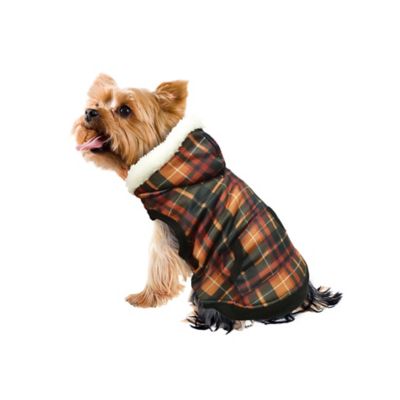
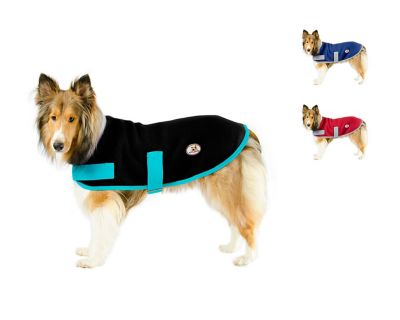
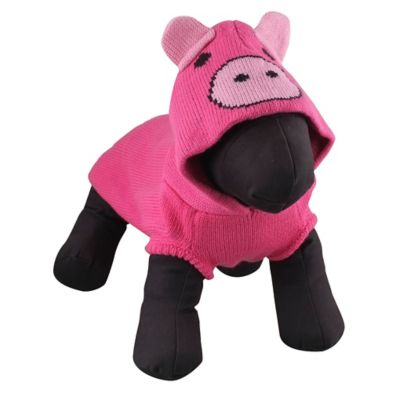
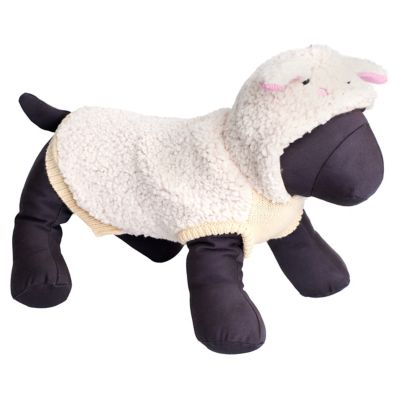
Dog sweaters for small dogs add a soft layer of warmth for little companions heading down the lane, riding into town, or settling beside a drafty back door. Small size alone does not mean a dog needs clothing, but short coats, lean builds, age, and individual comfort can all influence how much an extra layer helps. A smooth-coated Chihuahua may appreciate a sweater on a brisk walk, while a heavily coated small dog may be comfortable without one. The right sweater provides gentle coverage without getting in the way of sniffing, stretching, or curling up in a favorite spot. Materials make a noticeable difference in how that layer feels and performs. Cotton knits tend to feel soft against the body and can suit light indoor wear, though cotton holds moisture and is not a good choice for keeping a dog comfortable once it becomes wet. Acrylic knits can provide warmth with a soft feel, and many have care instructions that allow machine washing. Polyester blends may add stretch or help a garment maintain its shape, depending on the fabric construction. Wool can offer warmth, but its feel and washing requirements deserve attention, especially for dogs with sensitive skin. A smooth inner surface, flat seams, and flexible ribbing can matter just as much as the fiber listed on the label. Cable-knit textures, stripes, checks, and solid colors offer plenty of personality without requiring dangling trim. Sleeveless shapes leave the front legs free, while styles with short sleeves provide a little more coverage and call for closer attention around the shoulders. For a little dog that trots from the kitchen to the porch several times a day, a simple sweater that goes on easily and stays comfortably in place often makes more sense than extra details.
Fit matters more than the size name printed on the tag. Dog sweaters for small dogs generally rely on three measurements: the neck, the chest at its widest point just behind the front legs, and the back from the base of the neck to the base of the tail. Weight can help narrow the size range, but two dogs weighing the same amount may have very different proportions. A long-backed Dachshund needs a different balance of coverage than a compact, broad-chested French bulldog. Matching those measurements to the garment’s size chart helps keep the neckline from pressing against the throat and the chest from pulling tight. A comfortable sweater rests close enough to stay put without squeezing the ribs, restricting a full stride, or bunching behind the front legs. Ribbed openings should give gently rather than leave deep marks in the coat. Back coverage should stop short of interfering with the tail, and the underside needs enough clearance for clean bathroom breaks. That belly shape is especially worth checking on male dogs, though every dog benefits from a hem that stays clear of wet grass and puddles. Stretch can make dressing easier, but it cannot make up for a garment that is too short or too narrow. Dogs that dislike having clothing pulled over their heads may do better with a wider opening or a fastening style that opens more fully. Any closure should sit away from tender areas and remain clear of loose hair. For walks, leash openings can help keep a harness connection accessible, but the sweater itself should not serve as a restraint. A harness must still fit securely with the extra layer underneath. Watching a dog take a few steps, turn around, and sit can reveal a tight arm opening or shifting hem that is easy to miss while the dog stands still.
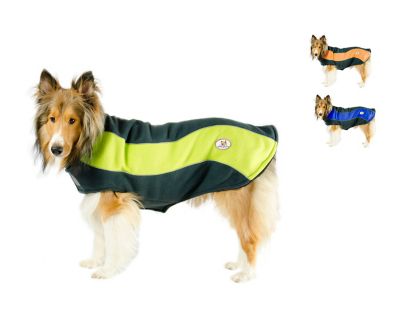
Everyday wear also calls for sensible care and a close look at how the sweater holds up between washes. Even stitching, firmly attached trim, and neat seams are useful details in a garment that may brush against a porch step or collect bits of grass. Loose loops and open knits can catch on toenails, brush, or rough boards, so a closer knit may suit an active little companion better. No knit sweater belongs in thorny cover or around moving equipment. Care labels take the guesswork out of washing: some fabrics tolerate a gentle machine cycle, while others need hand washing or a particular drying method. Fastening closures before laundering can help prevent snagging, and reshaping a sweater while it dries may help preserve its fit when the label recommends laying it flat. High dryer heat can shrink certain fibers or affect elastic sections. A sweater should be fully dry before going back on the dog, and regular checks around the belly, chest, and leg openings can catch stretched fabric or unraveling stitches before they become a nuisance. Outdoor conditions matter, too. A knitted layer can provide warmth in dry, chilly air, but ordinary sweater fabric is not a substitute for wind or rain protection. For walks that call for more outer coverage,
dog jackets for small dogs offer another category to consider, with attention to each garment’s stated features. Wet clothing should come off promptly, and a dog that keeps shivering needs a warmer, sheltered spot rather than a longer outing. Indoors, removing the sweater if the dog seems too warm or uncomfortable helps keep clothing from becoming a bother. Sweaters can also make thoughtful gifts for someone whose small dog tags along on daily errands, provided the recipient’s measurements and care preferences are known. Whether the sweater is for a quiet companion with a favorite chair or a lively little walking partner, comfort, freedom of movement, and manageable upkeep are what make it earn a place by the back door.