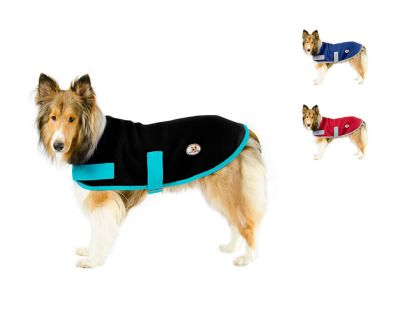
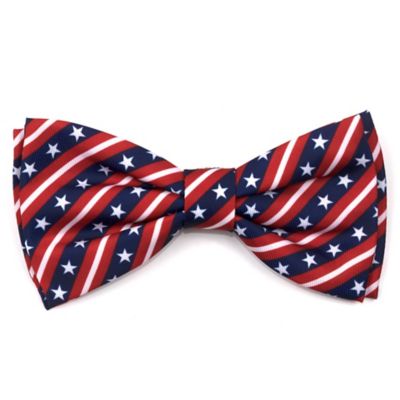
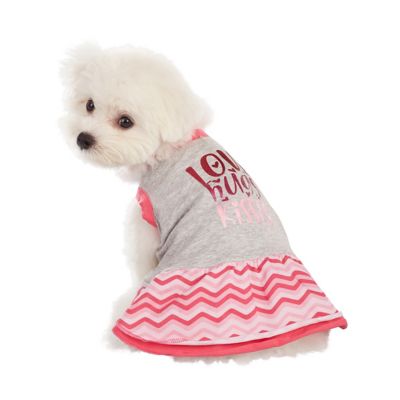
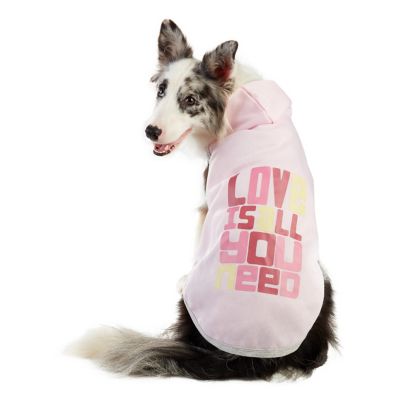
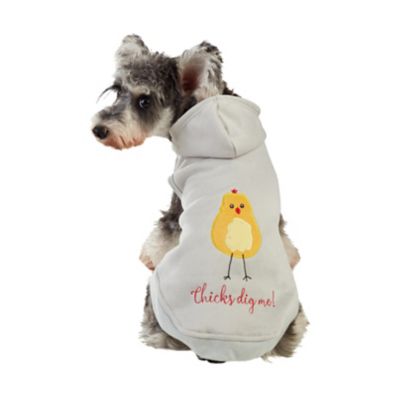
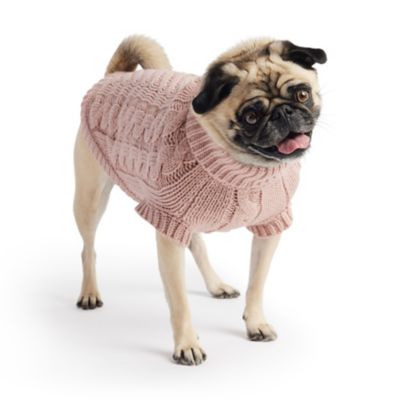
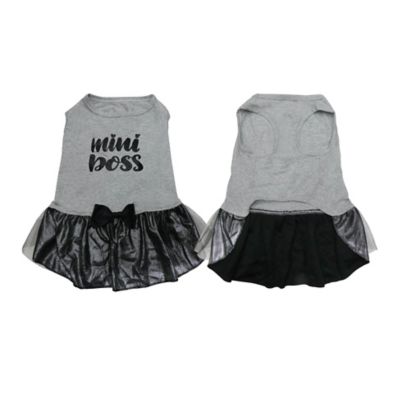
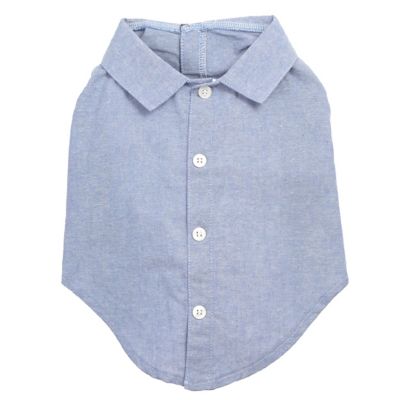
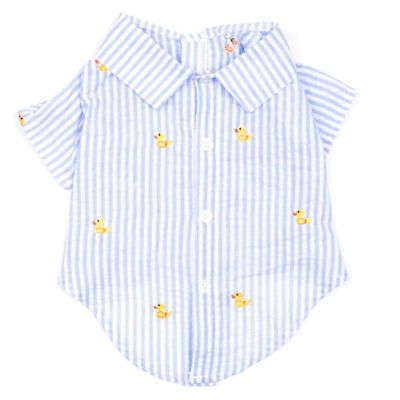
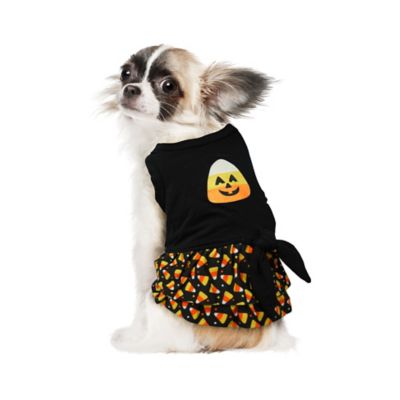
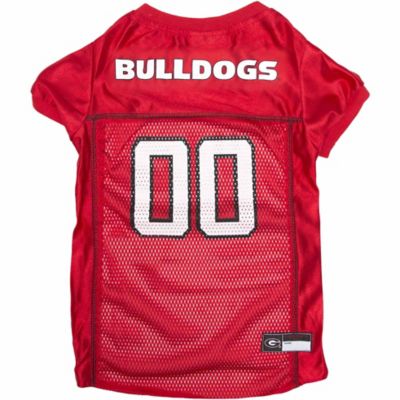
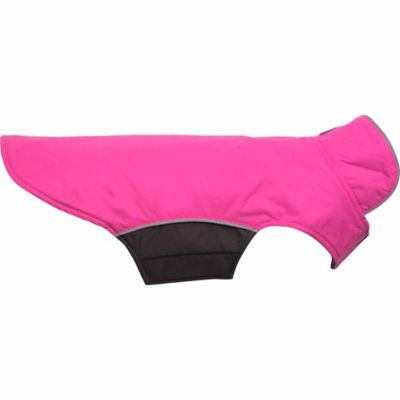
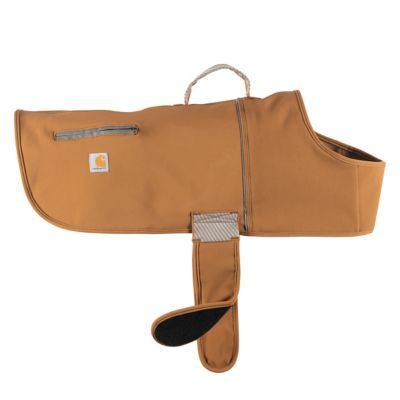
Dog clothes for small dogs can add comfort, warmth, and a little extra personality to everyday life. Smaller breeds often have less body mass to hold in heat, and dogs with short coats, fine hair, senior dogs, and pups with little body fat may feel a chill sooner than their bigger, fluffier friends. A well-fitted layer can make early-morning trips to the barn, walks down a gravel lane, or a quick run to the mailbox more pleasant when the air turns cool. Clothing can also help keep a dog’s coat cleaner during outdoor adventures and offer light coverage for pups that get cold indoors when the fan is running or the evenings start to cool. Look for soft, flexible materials that feel comfortable against the skin and allow a full range of motion through the shoulders and legs. Breathable cotton blends work well for mild days, while fleece, quilted fabric, and other insulating materials can provide extra coziness during cooler weather. A dog’s comfort should always come first, so clothing should never be tight around the neck, chest, belly, or legs. Skip garments with rough seams, bulky closures, or loose decorations that could catch on fencing, brush, crates, or kennel doors. For rainy walks and damp grass, a lightweight outer layer can help keep a small dog drier; shoppers looking for weather-ready options can also browse
Dog Raincoats For Small Dogs. With the right layer, a tiny companion can stay comfortable while tagging along for chores, errands, porch sitting, and all the little parts of country life.
Getting the right size matters more than choosing a size based on breed name or weight alone. Small dogs come in many shapes, from narrow-chested pups with long backs to compact, broad-bodied dogs with short legs, and a label that fits one dog may feel completely different on another. Before ordering, use a soft measuring tape to check the neck where a collar naturally rests, the chest at its fullest point just behind the front legs, and the back from the base of the neck to the point where the tail begins. Keep the tape close to the body without pulling it tight, and compare those measurements with the garment’s sizing chart. If a dog falls between sizes, consider the cut and fabric: a stretchy style may offer more give, while a structured layer may need a little extra room. The chest should not squeeze when a dog sits, bends, or takes a deep breath, and the back length should provide coverage without bunching near the tail. After putting on new clothing, watch your dog walk, turn around, lie down, and take a few steps up or down. A good fit stays in place without dragging, twisting, or limiting movement. It is also wise to introduce new clothing slowly. Let a dog sniff the garment, try it on for a short time indoors, and offer calm praise before heading outside. Some dogs take to a new layer like they were born for it, while others need several easygoing tries before they stop giving it the sideways “what have you done to me?” look. Choose machine-washable materials whenever possible, especially for dogs that spend time outdoors, and check care instructions before washing. Remove clothing when a dog is unattended, sleeping in a crate, riding in a vehicle, or playing with other dogs unless the garment is specifically designed for that use and closely supervised.
The right dog clothes can be useful for many households and make a thoughtful gift for a small-dog owner, especially when paired with an understanding of the pup’s size, habits, and daily routine. A lightweight layer may suit a dog that enjoys morning walks, while a soft, easy-on style may be better for a lap dog that spends cool evenings curled beside the woodstove or riding along on farm errands. Dogs that join their families at outdoor gatherings, travel in campers, or spend time on patios may benefit from clothing that offers comfortable coverage without adding unnecessary weight. Seasonal patterns and cheerful colors can bring a bit of fun to family photos, fall outings, costume-free Halloween celebrations, or visits with friends, but appearance should never outweigh fit and function. When shopping for a gift, it helps to ask for the dog’s measurements rather than guessing from a picture. A gift receipt or flexible exchange option can also be helpful, since chest shape and back length vary even among dogs that weigh the same. Keep an eye on how the garment performs as the weather shifts from warm afternoons to cooler mornings and evenings. On mild days, a dog may need only a light, breathable layer, while colder conditions call for added warmth and shorter outdoor sessions. Clothing is not a substitute for shelter, shade, fresh water, or attentive supervision, and a dog should be brought inside if it seems cold, overheated, anxious, or uncomfortable. Signs of a poor fit include repeated scratching, chewing at the fabric, tucked posture, reluctance to walk, rubbing, or restricted movement. With careful measuring, soft materials, secure construction, and a little patience during introductions, dog clothes for small dogs can become a handy part of a pup’s routine—from a brisk walk along the fence line to a warm nap after a busy day outside.