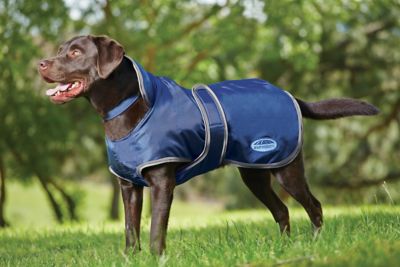
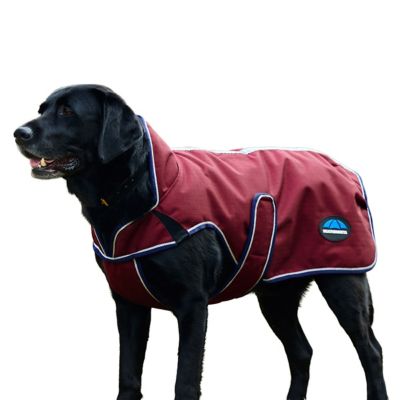
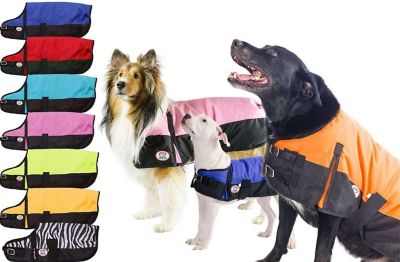
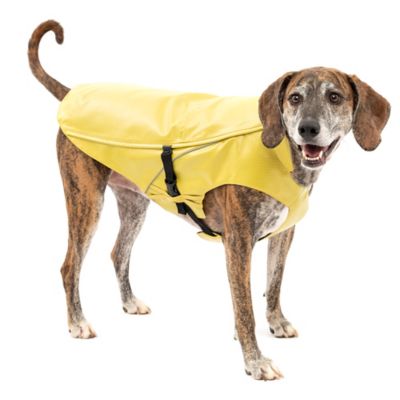
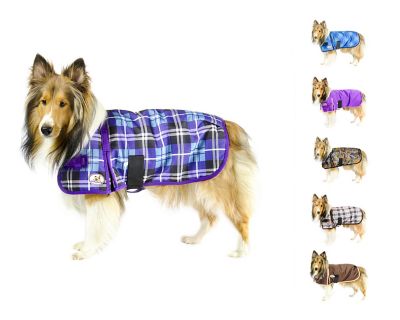
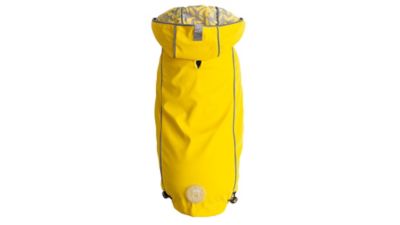
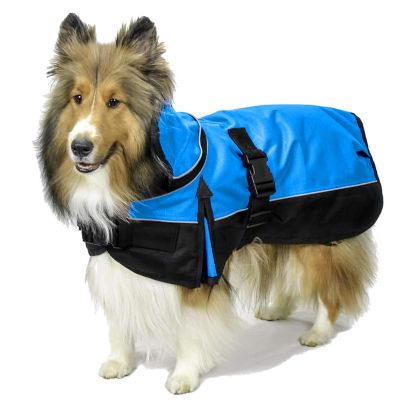
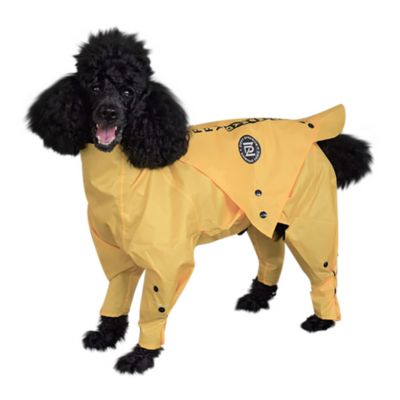
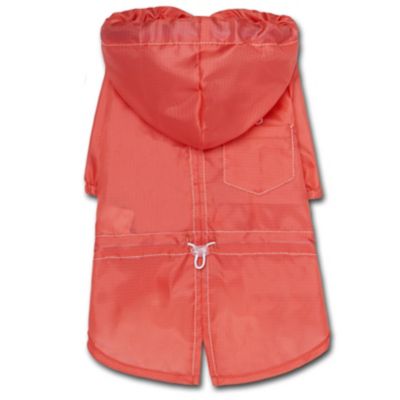
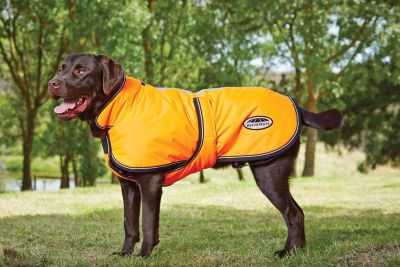
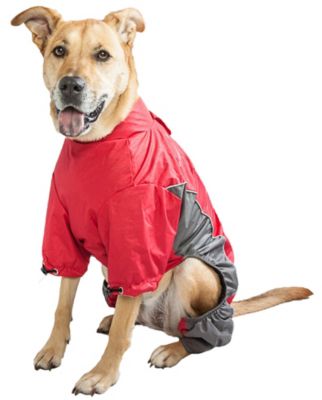
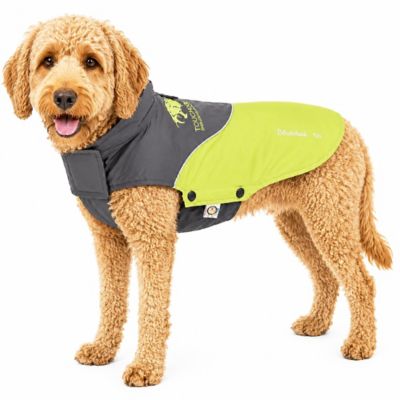
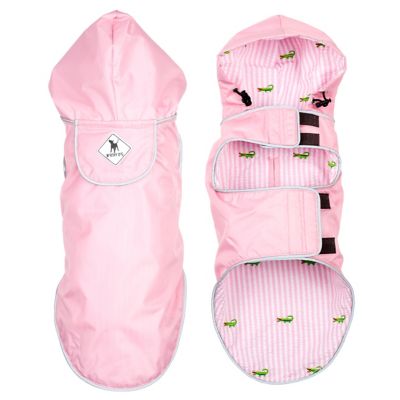
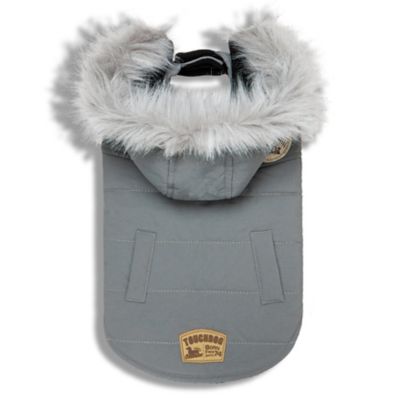
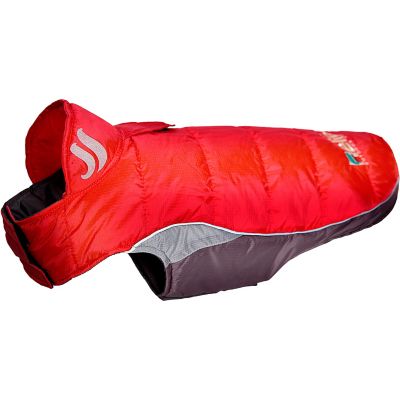
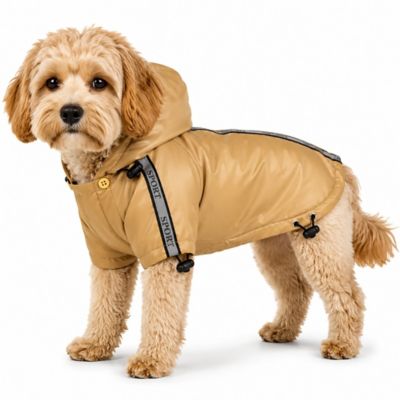
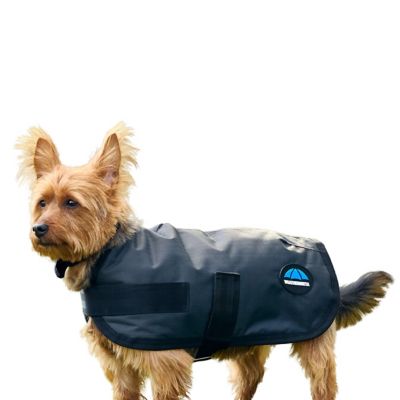
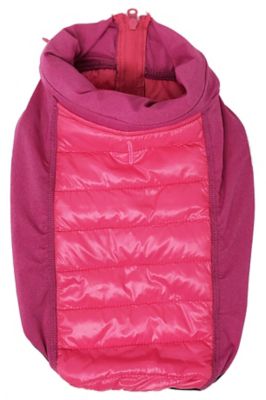
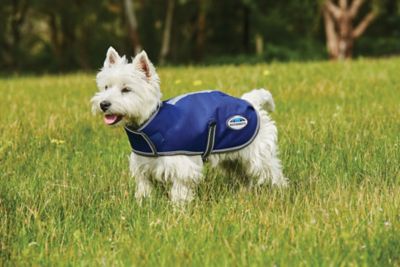
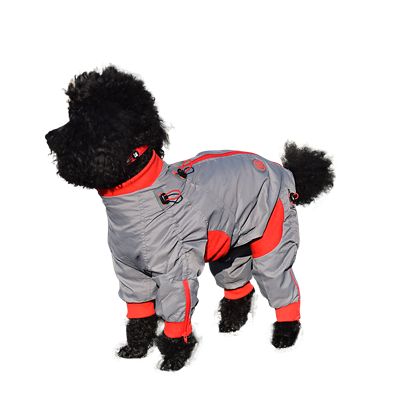
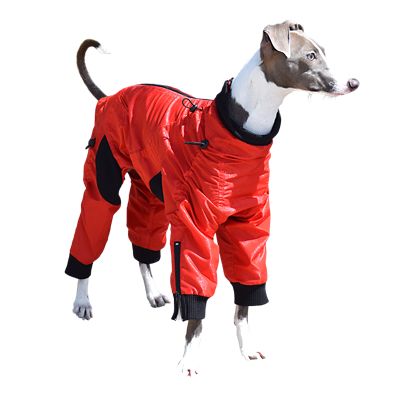
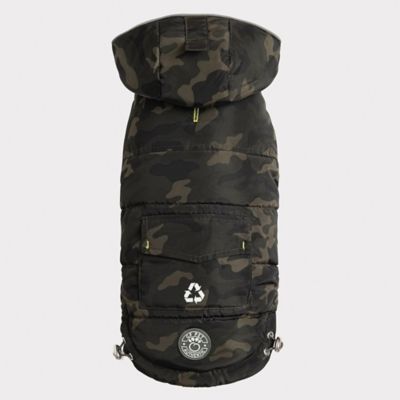
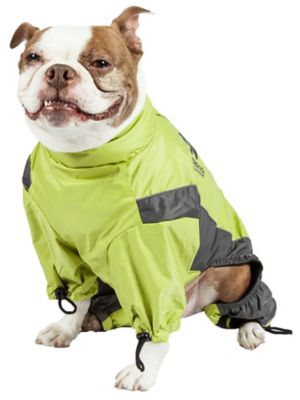
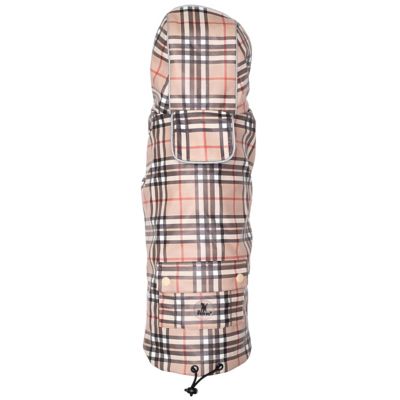
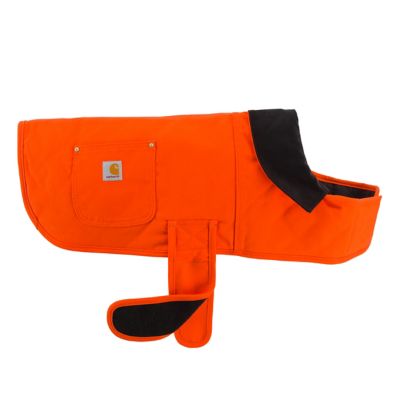
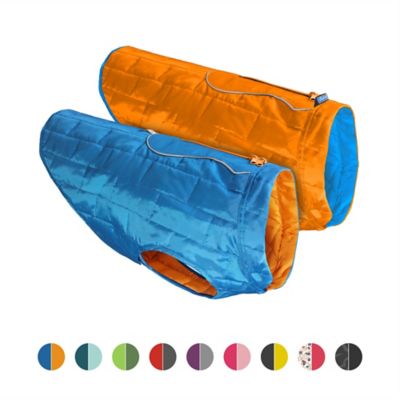
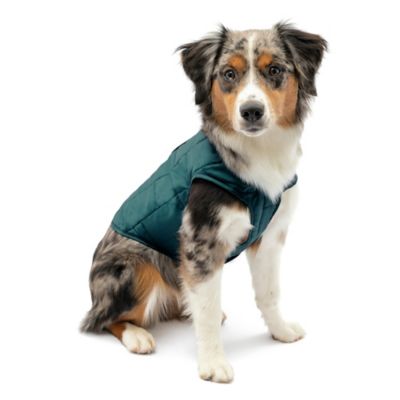
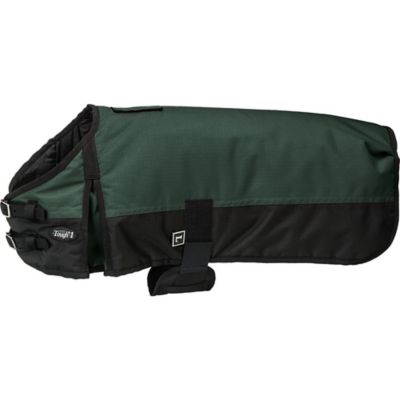
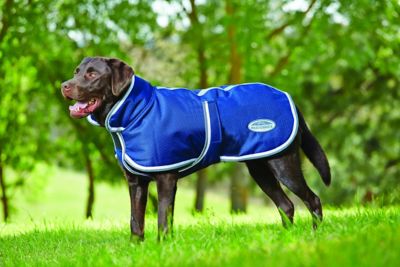
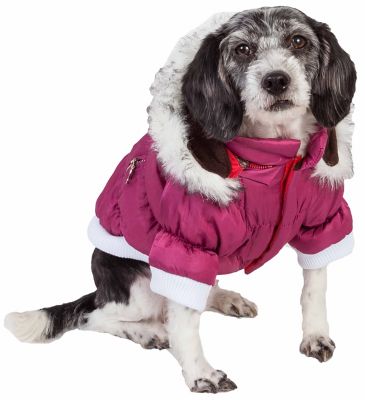
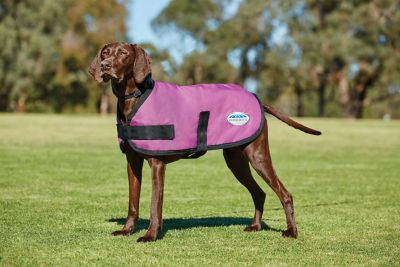
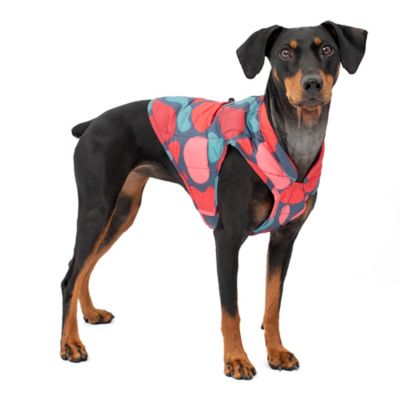
Raincoats for large dogs help keep wet-weather walks, barn checks and backyard time more comfortable when a big dog needs to head outside. A good coat can shed steady rain from the back and sides, help keep the chest and shoulders drier, and cut down on the muddy, soggy fur that ends up on the truck seat, porch rug or living room floor. Large dogs come in all kinds of shapes, from deep-chested hounds and athletic shepherds to broad mastiffs, stocky retrievers and long-backed working dogs, so fit matters just as much as the size label. Before choosing a coat, measure around the widest part of the rib cage for chest girth and measure along the back from the base of the neck to the base of the tail. Weight alone does not tell the whole story, especially for giant breeds or dogs with thick coats. The coat should sit comfortably over the shoulders without restricting a full stride, allow room for sitting and turning, and cover the back well without hanging so far down that it catches on brush or gets soaked from the ground. Adjustable belly straps, roomy chest panels and secure closures make it easier to fine-tune the fit for a dog that falls between standard sizes. A loose cape may flap in a windy pasture, while a coat that is too snug can rub behind the front legs or make a dog reluctant to move. Look for smooth, durable materials that bead or shed water, and consider whether the fabric has enough breathability for active walks. A lightweight shell may be just right for a quick trip outside, while a dog that spends longer stretches outdoors may benefit from fuller coverage and a roomier cut. Reflective trim or bright colors can also make a large dog easier to spot along a dim driveway, wooded trail or wet roadside during the cooler months.
Harness and leash access are important details for many large dogs. If your dog walks in a harness, choose a raincoat with a dedicated leash opening, back portal or design that leaves the harness ring easy to reach. A coat made only for collar use can force the leash into an awkward angle or require lifting the jacket every time you head out the door. Collar-walking dogs may prefer a simple opening at the neck, while dogs that pull, hike or work on a farm often need a secure harness connection that stays accessible without letting rain pour through the opening. Check the placement of belly straps and rear leg loops as well. Wide, adjustable straps help hold the coat close to the body, and elastic leg loops can keep the back panel from shifting when a dog trots, climbs steps or moves through a gusty field. Not every dog needs leg loops, though, and some dogs are more comfortable in a relaxed fit that slips on and off quickly. A storm collar, raised neck panel or hood can add protection around the neck and ears, but the opening should never block vision or make breathing uncomfortable. For a dog with a heavy mane, broad neck or thick winter coat, allow extra room without leaving a gap where water can run down the back. A raincoat should not cover the eyes, drag on the ground or interfere with bathroom breaks. Introduce it indoors first, letting your dog sniff the coat and wear it for a few minutes with praise and a small treat. Many dogs are ready to head out after a couple of calm practice sessions; others need more time to get used to the sound of the fabric and the feel around their legs. After a wet outing, shake off excess water, hang the coat where air can circulate and follow the care instructions so the material continues working as intended. Keeping a towel near the door makes the whole routine easier, especially when a dripping dog comes in from checking the fence line.
These coats are useful for more than rainy walks around the neighborhood. They can help protect a large dog during travel, outdoor chores, camping trips, training sessions and visits to the feed store, where a wet coat can quickly become cold and uncomfortable. A dog that rides along for chores may appreciate a shell that goes on over a harness and comes off without a wrestling match. Older dogs, short-coated dogs and dogs that get chilled easily may be more comfortable with weather coverage even during a brief trip from the house to the barn. At the same time, a raincoat is not a substitute for shelter, supervision or a warm place to rest, and dogs should not be left outside for long periods in severe weather. For households with more than one large dog, compare each dog’s measurements rather than ordering the same size across the board. Two dogs weighing about the same can have very different chest girths and back lengths. A raincoat can also make a practical gift for a new dog owner, a family that enjoys hiking, or anyone bringing home a large-breed puppy that will grow into several sizes over time. It is a thoughtful choice for the friend whose dog rides in the truck, joins every trail walk or comes along for chores in all kinds of weather. For additional cold-weather coverage, browse
Dog Coats For Large Breeds. Whether your dog needs a light layer for drizzly walks or a more protective shell for blustery conditions, the right fit keeps movement natural and helps make wet days less of a hassle for both of you. A well-chosen coat means fewer soaked towels, less clinging mud and more comfortable time together outside, from the first drops on the porch roof to the last damp stretch of the season.