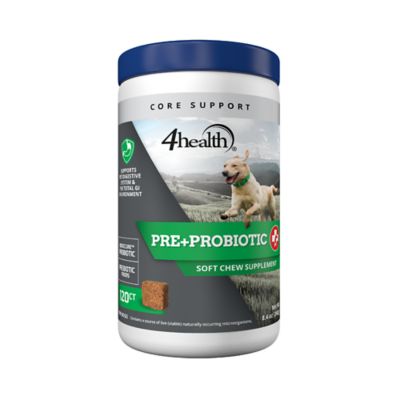
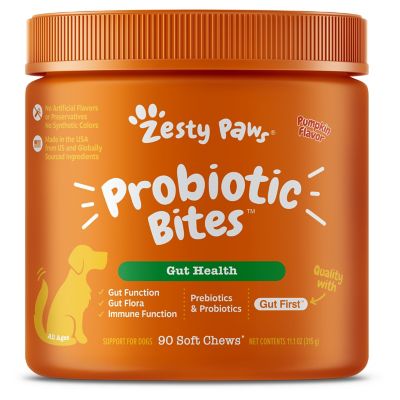
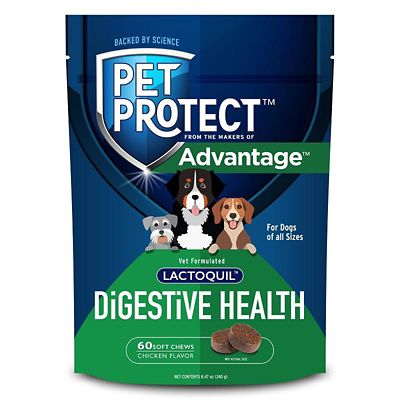
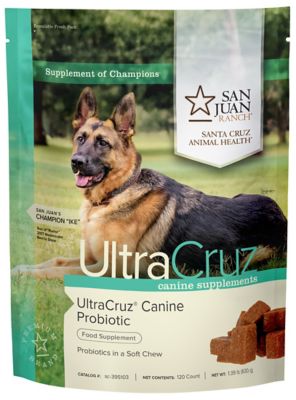
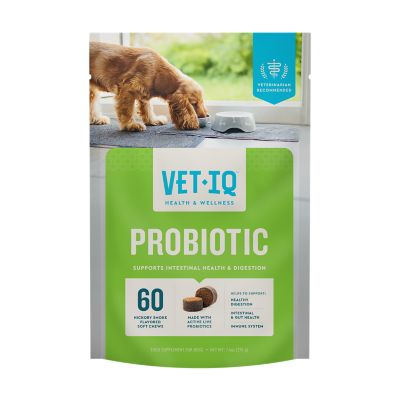
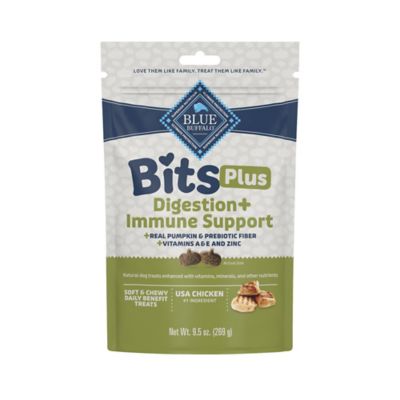
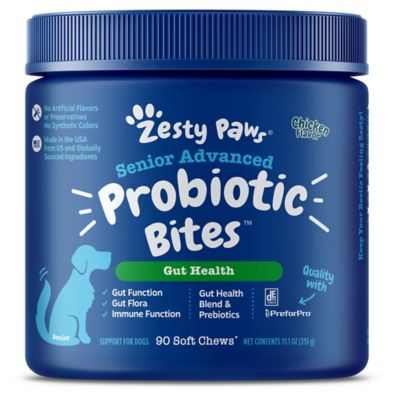
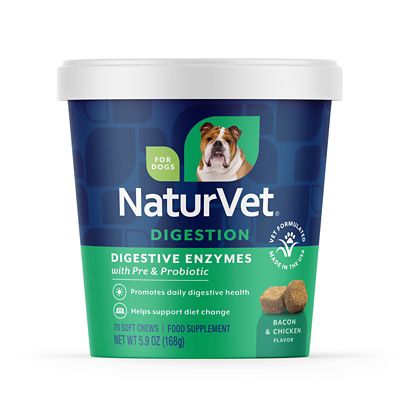
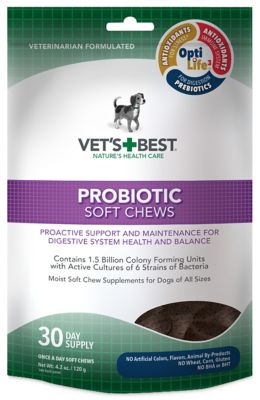
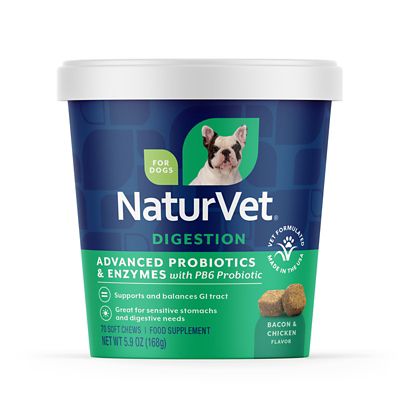
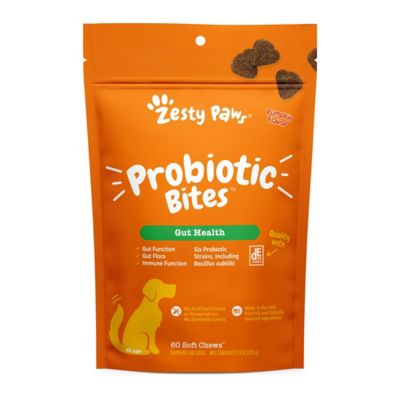
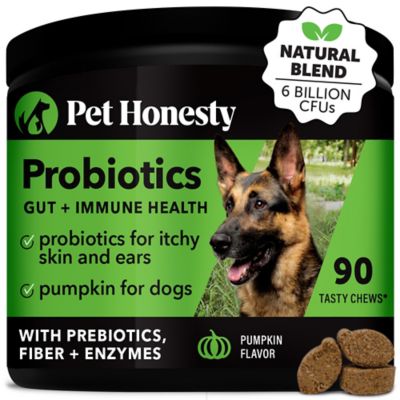
Dog probiotic treats are a handy way to add digestive support to a dog’s daily routine, especially for pets that enjoy a soft chew more than a powder mixed into their bowl. These treats typically contain beneficial microorganisms, often called probiotics, along with supporting ingredients such as prebiotic fiber. Probiotics help maintain a balanced population of microorganisms in the gut, while prebiotics provide fuel for helpful bacteria already living there. Some formulas also include postbiotics, which are compounds produced by beneficial bacteria. Together, these ingredients may support normal digestion, healthy stool quality and the gut’s role in overall immune function. Dogs can experience occasional digestive upset from changes in food, travel, boarding, stress, scavenging in the yard or a course of antibiotics, and a probiotic treat may be a convenient part of getting their routine back on track. Many pet owners also use them as everyday wellness support for dogs with sensitive stomachs, occasional gas or inconsistent stools. When comparing options, look for a clear ingredient list, feeding directions based on your dog’s weight and a guaranteed amount of live cultures, often listed as CFU, or colony-forming units. A product with multiple probiotic strains is not automatically the best choice; stability, quality control and a formula made for dogs matter just as much. Follow the serving directions rather than assuming a bigger serving will work faster, and introduce any new treat gradually over several days. A farm dog that spends the day running fence lines may need a different calorie routine than a senior house dog who naps beside the woodstove, so account for treats as part of the day’s total food.
Choosing dog probiotic treats starts with knowing your dog’s age, size, eating habits and reason for adding a supplement. Soft chews can be useful for dogs that turn up their noses at powders, while smaller dogs may need a petite serving or a treat that can be divided according to the label. Check calories if your dog is watching their weight, and avoid products with ingredients that are unsafe for dogs, including xylitol, chocolate, grapes, raisins, onions and garlic. It is also wise to take a close look at added sugars, artificial colors and common allergens if your dog has a known sensitivity. A simple flavor your dog already enjoys can make daily serving easier, but the nutritional purpose should come before the novelty of the flavor. For dogs eating a complete and balanced diet, probiotic treats should be an addition, not a replacement for regular food, fresh water or veterinary care. Dogs with ongoing vomiting, repeated diarrhea, blood in the stool, poor appetite, weight loss, marked lethargy or signs of pain need prompt veterinary attention rather than a treat-based solution. If your dog takes medication, has a chronic illness, is pregnant or nursing, or has a history of severe digestive problems, check with a veterinarian before adding a supplement. Probiotics may help support normal gut balance after antibiotics or a short bout of tummy trouble, but the right timing and product depend on the individual dog. For shoppers who prefer to build digestive support into mealtime, explore
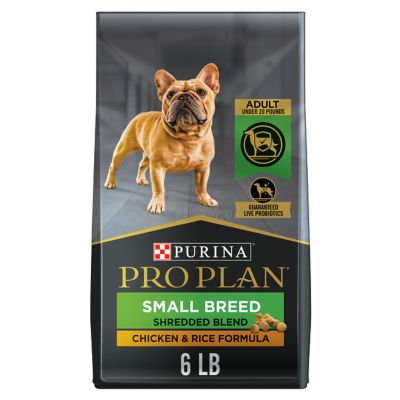
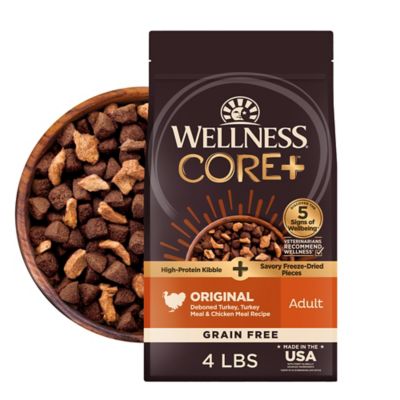
Dog Food With Probiotics for another way to compare nutrition options. Keeping the package sealed, storing it as directed and using the product before its expiration date helps protect the live cultures and maintain freshness.
Dog probiotic treats can also make a thoughtful gift for a new puppy owner, a friend with a recently adopted dog or anyone who likes practical goodies for a four-legged companion. They fit easily into a barn tote, travel bag or kitchen cupboard and can be useful during the cooler months when dogs spend more time indoors, routines shift or holiday visitors bring extra excitement. They are also convenient for road trips, hunting-camp weekends, boarding stays and long days at a dog park, when a familiar treat can help keep feeding habits steady. Even so, a gift works best when it matches the dog’s needs: check the pet’s approximate size and dietary restrictions when possible, and choose a sealed package with clear directions instead of a treat with a vague ingredient list. At home, serve probiotic treats at about the same time each day, whether that is after breakfast, following a morning chore or as a reward after brushing and nail care. Consistency makes it easier to notice changes in stool quality, gas, appetite or general comfort. Some dogs show improvement in a few days, while others may need longer, and not every digestive concern responds to probiotics. Keep a simple note of the serving amount and any changes you observe, particularly when introducing the treat alongside a new food. Avoid stacking several digestive supplements at once, since that can make it hard to tell what is helping and may provide more ingredients or calories than your dog needs. With sensible portions, careful label reading and guidance from your veterinarian when health concerns are involved, dog probiotic treats can be an easy, rewarding addition to everyday care—from the backyard kennel to the family sofa.