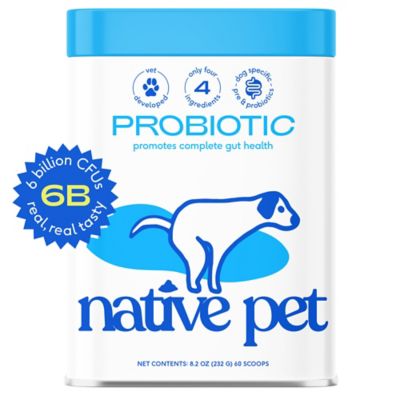
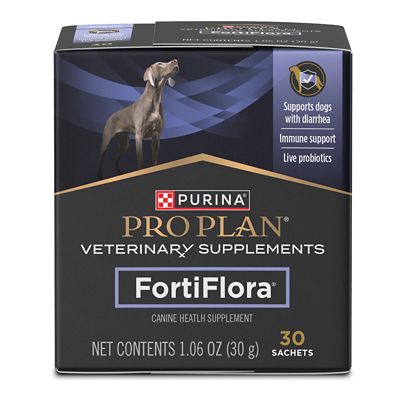
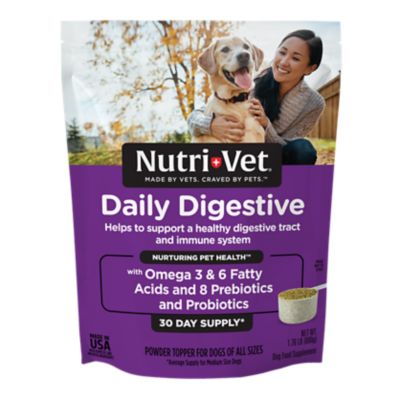
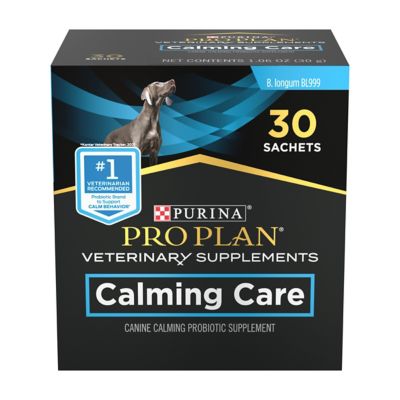
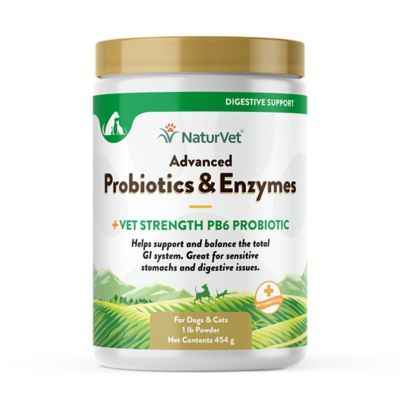
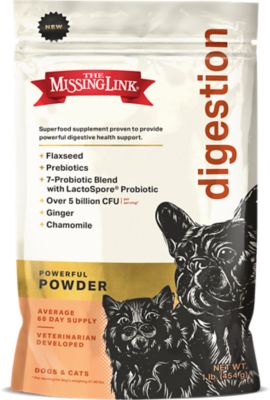
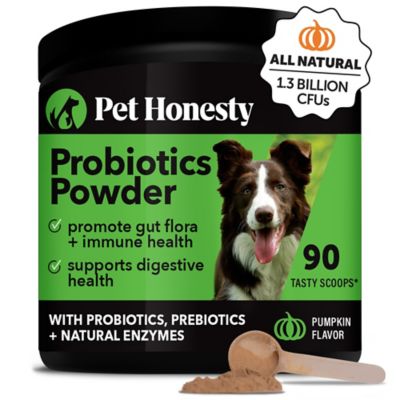
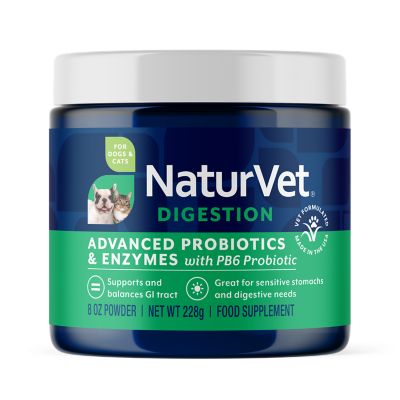
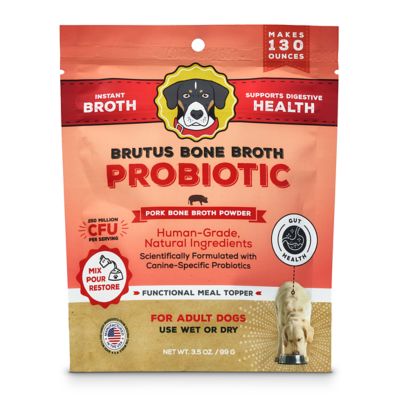
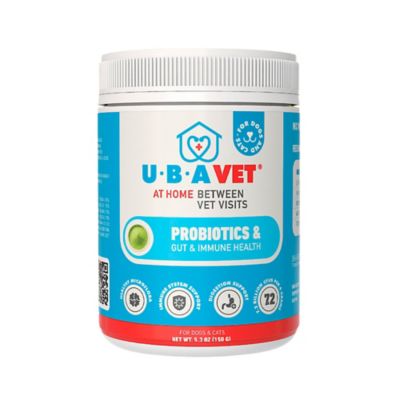
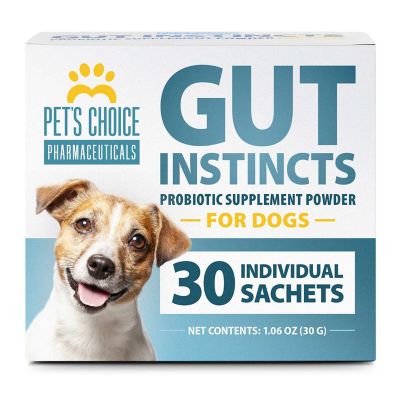
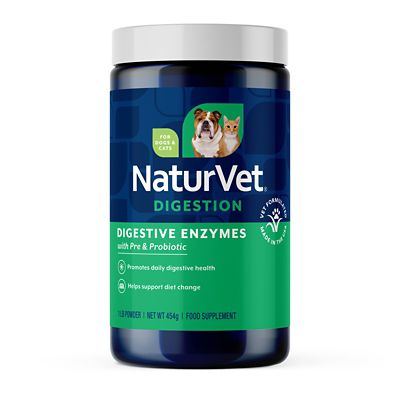
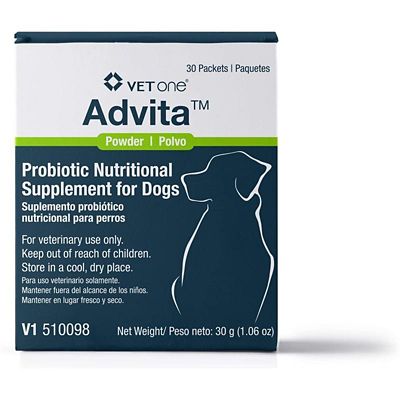
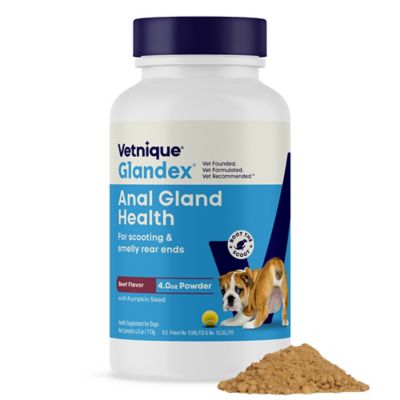
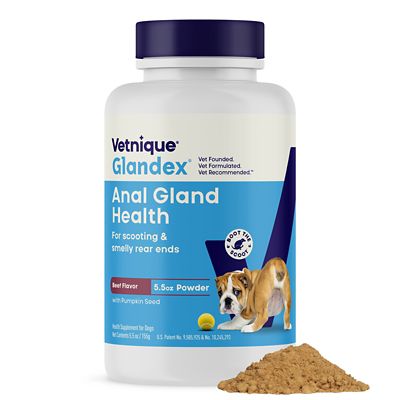
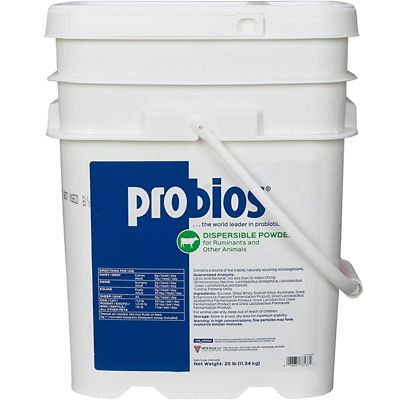
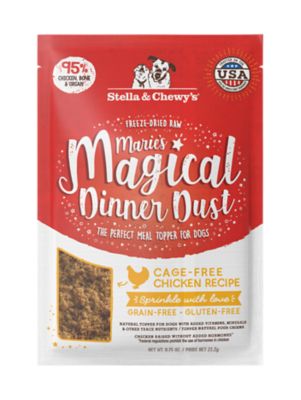
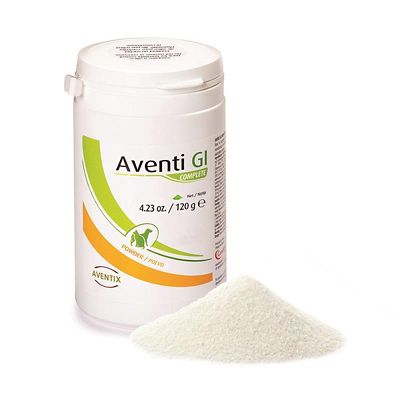
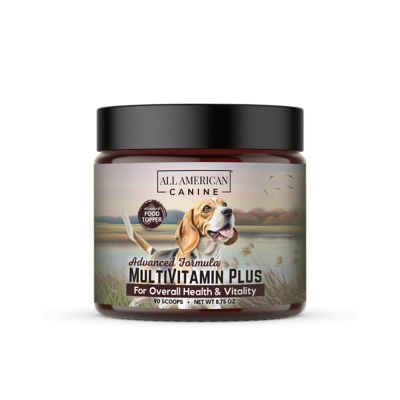
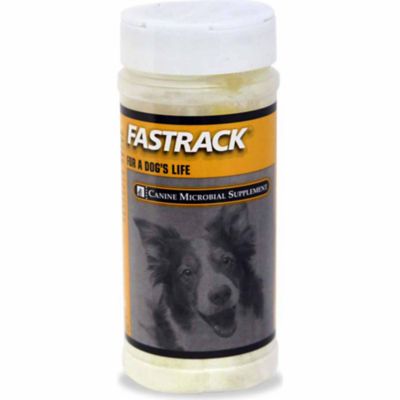
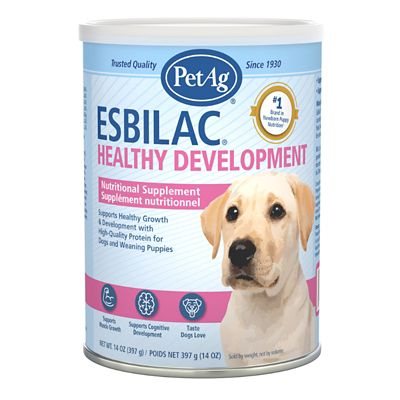
Probiotic powders for dogs contain beneficial live microorganisms that can help support normal digestion and a balanced gut microbiome. Depending on the formulation, they may also help maintain normal stool consistency. The gut microbiome is the community of bacteria and other microorganisms living in the digestive tract, where they interact with food and support everyday digestive processes. A healthy digestive system also plays a role in normal immune function, though the benefits of any probiotic depend on its particular strains, serving amount and the dog receiving it. Powder supplements bring that support to the food bowl without requiring a separate chew or tablet. Many are intended for mixing with wet food or sprinkling over kibble, making them a practical consideration for dogs that readily eat a meal topper. That can suit a dog heading out for fence checks just as well as one settling beside the kitchen table. Some pet parents consider probiotics when routines change, such as around boarding stays, travel or a veterinarian-directed food transition. Others include them in an ongoing feeding routine based on their veterinarian’s advice. Dogs do not all respond the same way, and a powder that agrees with one dog may not suit another. Flavor, smell and texture matter, too, especially for a cautious eater that notices every addition to the bowl. A finely milled powder may blend into canned food easily, while a flavored formula can bring a more noticeable scent to a serving of dry kibble. Neither characteristic tells the whole story about digestive support; the organisms and their amounts matter more than how appealing the powder smells. These supplements belong alongside a complete, balanced diet, fresh water and regular veterinary care rather than in place of them. They are not a substitute for finding the cause of persistent digestive trouble, and ongoing diarrhea, vomiting, blood in the stool or a loss of appetite calls for veterinary attention.
The differences among dog probiotic powders start with the ingredient label. A formula may contain one microbial strain or several, and the full strain designation provides more useful information than a broad reference to beneficial bacteria. Research findings for one strain do not automatically apply to another, even when both belong to the same species. Labels often express the number of live microorganisms in colony-forming units, or CFUs. A larger CFU number alone does not establish a better match for a particular dog; the strain, serving directions and evidence behind the formulation all deserve consideration. A count guaranteed through the expiration date also communicates something different from a count measured only at manufacture. Some powders combine probiotics with prebiotics, which are ingredients that feed certain beneficial gut microorganisms. Fibers such as inulin may serve that role, but prebiotics and probiotics are not interchangeable terms. Other formulas include digestive enzymes or additional nutrients, so it helps to consider the entire ingredient list rather than only the front label. Added flavorings and protein sources deserve a close look for dogs with known food sensitivities or a veterinarian-prescribed diet. Serving size is another important distinction, since directions may vary with body weight, age or the reason for supplementation. A scoop from one container is not necessarily equivalent to a scoop from another, and a larger dog does not automatically need an extra serving beyond the label directions. Puppies, pregnant or nursing dogs, and dogs with ongoing health concerns need a formulation appropriate for their circumstances. A veterinarian can help evaluate that fit, particularly for a dog taking medication or one with a weakened immune system. For homes feeding several dogs, individual needs matter more than convenience: the older hound, the growing pup and the adult cattle dog may have very different feeding plans. A shared supplement should never mean an assumed shared serving.
Everyday handling is part of choosing a probiotic powder that fits life around the house and farm. Containers with a measuring scoop can work well beside the regular feeding supplies, while individually portioned packets offer a different way to manage servings for travel or a stay with a sitter. The useful format is the one that supports consistent portions without creating extra fuss at mealtime. Storage directions deserve attention because live microorganisms can lose viability when a supplement is not kept as instructed. Some formulas require refrigeration, while others have different storage requirements; the package provides the instructions for that particular powder. A tightly closed container, a dry scoop and a place away from moisture help protect the contents between meals. The best-by date also matters, especially when a small dog takes a modest daily serving and a container lasts a while. At the bowl, mixing instructions can influence how readily a dog eats the full portion. A powder scattered over dry kibble may settle at the bottom, while blending it into a small amount of the dog’s regular wet food may help keep the serving together when the label permits that approach. Adding more powder to compensate for an unfinished meal can make intake uncertain, so consistent serving habits are more useful than guesswork. Hot food can also affect live cultures, making the manufacturer’s mixing directions worth following. For dogs that prefer a chew to a meal topper,
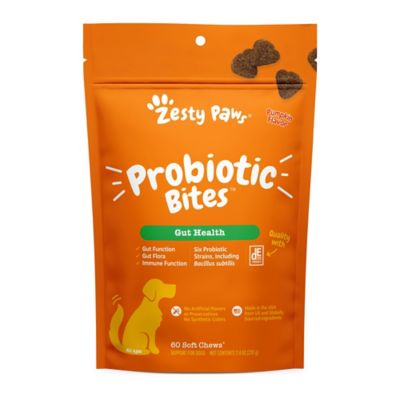
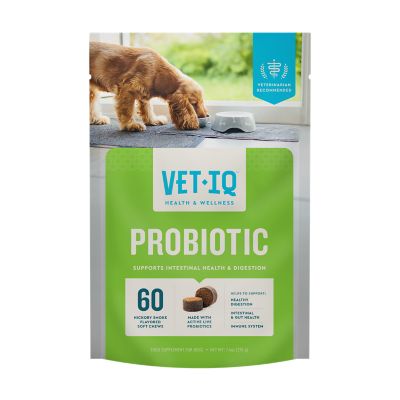
Dog Probiotic Treats provide another format to consider, with their own ingredients, serving directions and calorie contribution. Whichever format fits the feeding routine, the goal is appropriate digestive support rather than stacking several supplements with overlapping ingredients. Keeping track of appetite, stool consistency and how willingly a dog eats the supplement gives a veterinarian practical information when reviewing the feeding plan. A sensible match brings together suitable strains, clear labeling, manageable storage and a serving routine that works at the dog’s own food bowl.