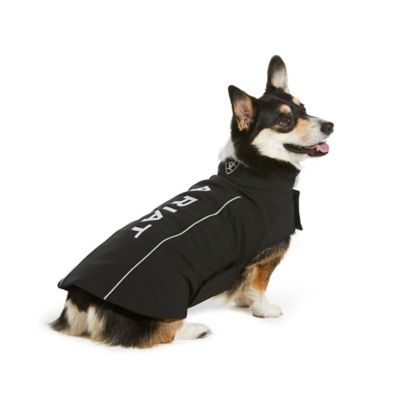
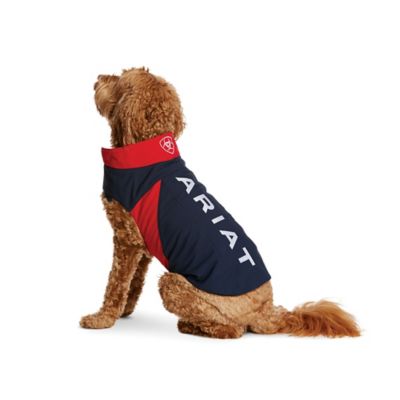
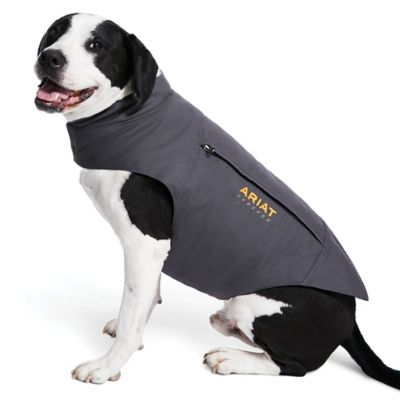
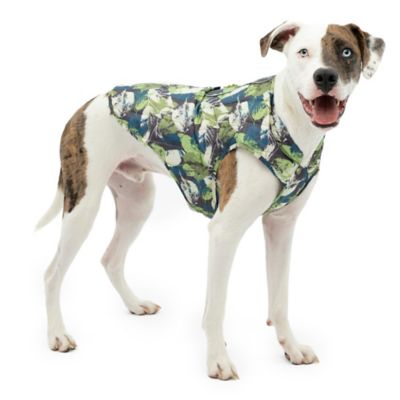
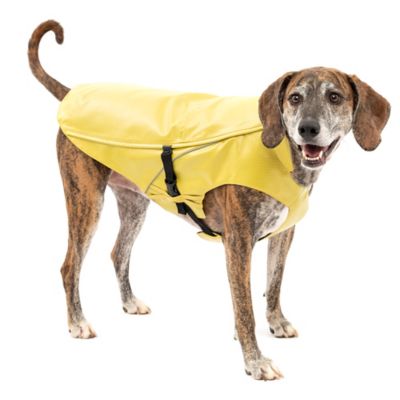
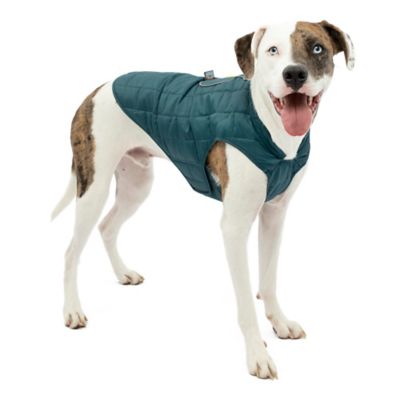
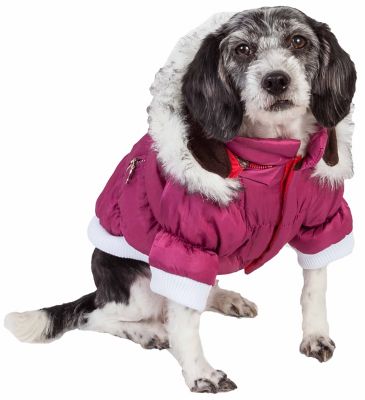
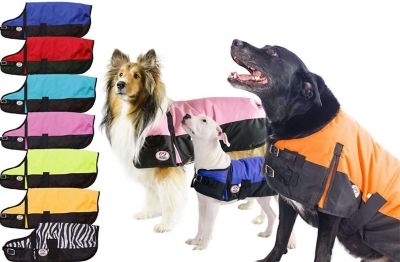
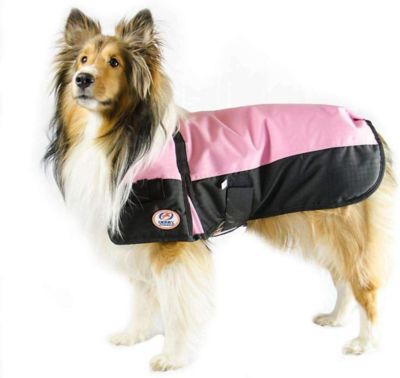
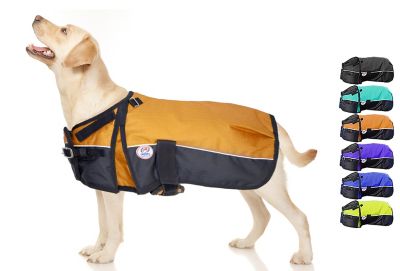
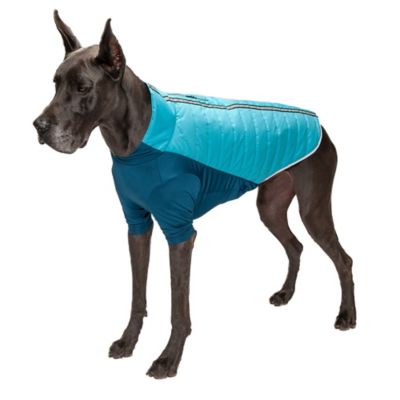
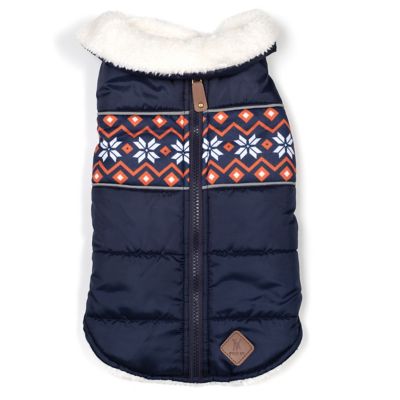
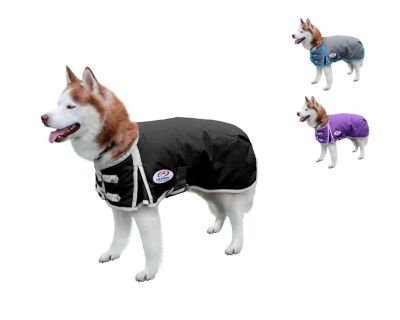
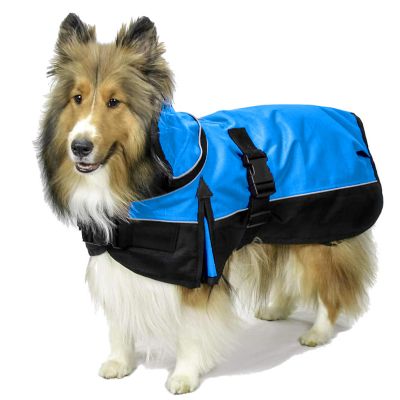
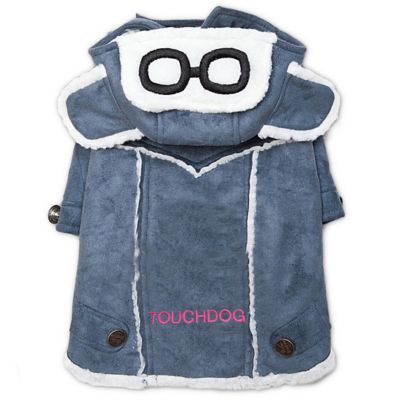
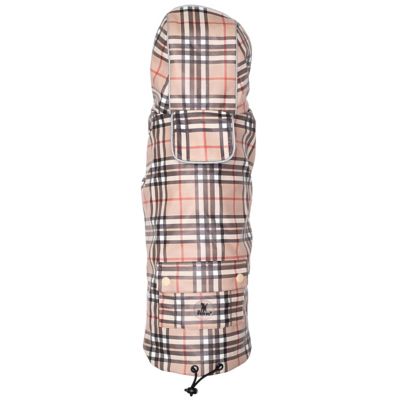
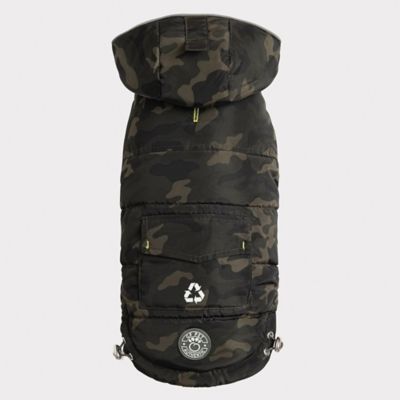
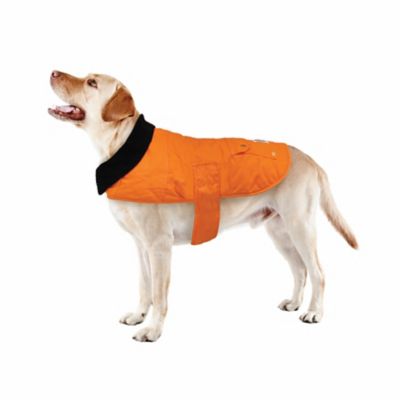
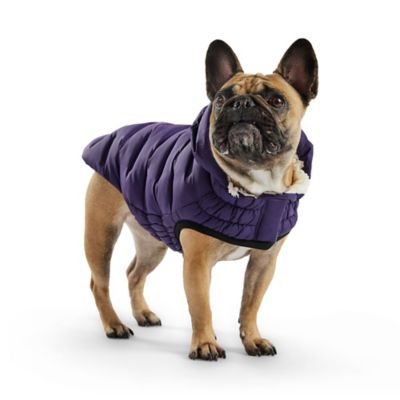
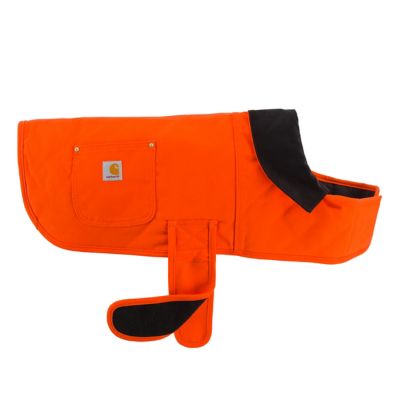
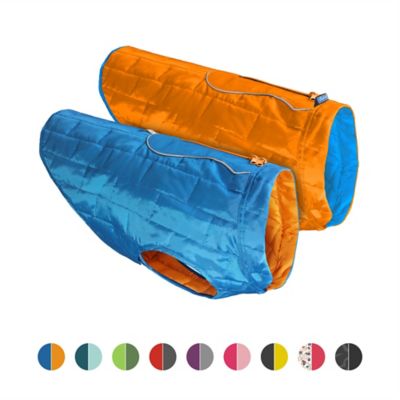
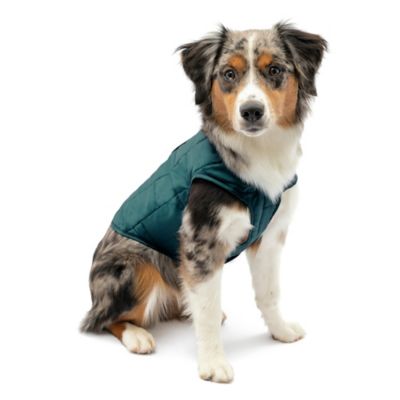
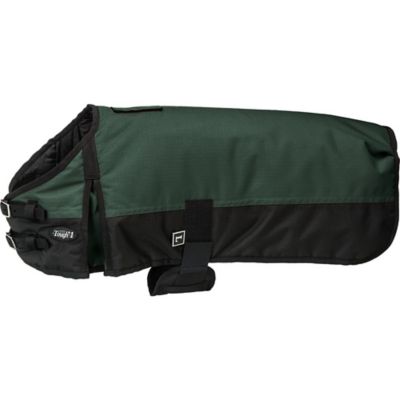
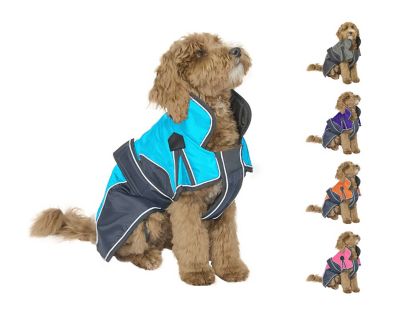
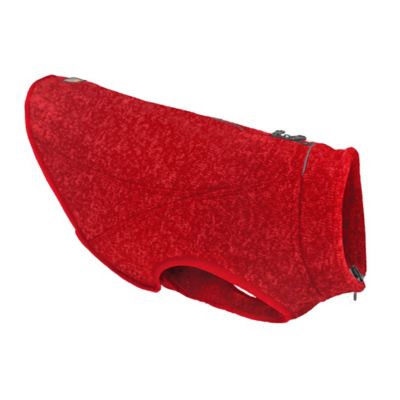
Large dog jackets add a layer of protection for everything from a damp walk down the gravel lane to a snowy stretch beside the pasture fence. A big frame does not always mean a dog stays warm easily. Short-coated breeds, lean dogs and older companions may benefit from added coverage, while dogs with thick double coats may need less insulation, especially when moving hard. The right jacket depends on the dog’s build, activity level and the conditions outside. For chilly, dry outings, fleece offers soft warmth without much weight. An insulated dog coat pairs a lining with a layer of fill to help hold warmth near the body, making it a practical option for slower walks or dogs that spend more time standing than running. A lightweight rain jacket serves a different purpose: keeping rain off the coat without adding heavy insulation. Nylon and polyester shells are common because they can provide a smooth outer surface that sheds light moisture and brushes clean after everyday outings. Water-resistant fabric can handle brief drizzle or splashes, but it is not the same as waterproof construction. For longer walks in steady rain or wet snow, waterproof fabric, sealed seams and coverage around the shoulders and chest matter more than a thick-looking exterior. Wind-blocking shells can also help on open ground, where a breeze cuts across fields with little shelter. Breathability matters for active dogs, since a jacket that traps too much heat and moisture can leave a lining damp. A dog trotting along a fence line has different needs from one taking a short, easy walk from the house to the mailbox. Large dog winter coats, rain shells and fleece jackets each fill a different role, so the heaviest option is not automatically the best match. Coverage that suits the outing, enough room to move and materials that suit the conditions make more sense than choosing by appearance alone.
Fit deserves just as much attention as warmth, particularly with large and giant breeds whose proportions vary widely. A deep-chested dog can need more room through the ribs without needing a longer back, while a broad-necked, stocky dog may need extra adjustment at the collar and chest. Size names such as large, XL and XXL are not consistent across dog jackets, and body weight alone does not tell the whole story. Chest girth at the widest point behind the front legs, neck circumference and back length from the base of the neck to the base of the tail give a clearer picture when compared with the jacket’s sizing chart. Measurements taken while a dog stands naturally help avoid a coat that pulls tight when walking. A well-fitting jacket rests comfortably over the shoulders, covers the back as intended and leaves the front legs free to take a full stride. The belly panel should offer coverage without extending into areas that need to stay clear for bathroom breaks. Adjustable chest and belly straps can accommodate differences in build, but excess fabric should not hang loose enough to catch on brush or slide sideways. For dogs that dislike having their paws handled, an over-the-back design with side closures may be easier to put on than a style requiring each leg to pass through an opening. Buckles, zippers and hook-and-loop closures each have their place; what matters is that they fasten securely without pinching skin or catching long fur. Smooth edging around the leg openings helps limit rubbing, particularly on a long walk. A leash opening should line up with the collar or harness attachment point so the lead does not pull the coat out of position. That opening is simply access for the leash, not a restraint point on its own. Reflective trim can help a dog stand out in headlights or a flashlight beam, though it does not replace a leash or close supervision near roads, driveways and farm equipment.
Everyday wear puts dog outerwear through plenty: muddy paws at the back door, stubble along a field edge and the occasional roll before heading inside. Tightly woven outer fabrics, reinforced stitching at straps and neatly finished seams are worth a look for dogs that spend time around rough ground. A tougher shell can stand up better to routine scuffs, but no fabric makes a jacket snag-proof around barbed wire, thorny brush or moving machinery. Dogs roaming or working near those hazards need close supervision, and loose straps or dangling cords have no place near equipment. Care requirements also matter when a coat will see repeated wear. Machine-washable styles can simplify cleanup, but the care label determines the right water temperature, detergent and drying method. Closing fasteners before washing helps prevent straps from tangling and hook-and-loop tabs from grabbing the lining. Fabric softener and high dryer heat can affect some weather-resistant finishes or insulation, so neither belongs in the routine unless the label allows it. Mud is often easier to brush away once dry, while wet linings need to dry completely before the next outing or storage. A quick check around the armpits, chest and belly after wear can reveal rubbing, trapped grit or a strap that needs adjustment. Jackets are not a replacement for dry shelter, and a dog showing signs of discomfort needs a change in conditions rather than another lap around the yard. For dry days when a softer knit layer suits the outing,
Dog Sweaters For Large Dogs offer another option, though knit fabric does not provide the rain protection of a weather-focused shell. A jacket can also make a thoughtful gift for someone whose big dog joins every walk or weekend cabin trip, provided the dog’s measurements are known. From a broad-chested companion riding along for chores to an older dog enjoying a quiet stroll, the best match is one that stays comfortable, stays in place and cleans up without a fuss.