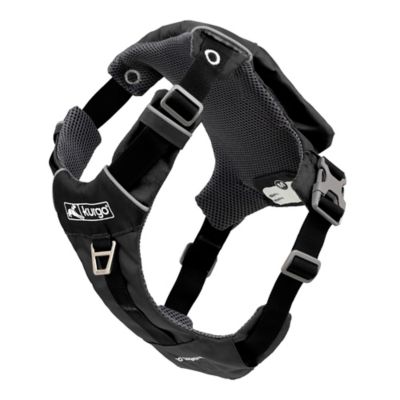
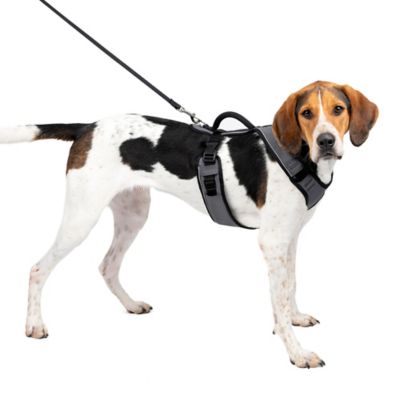
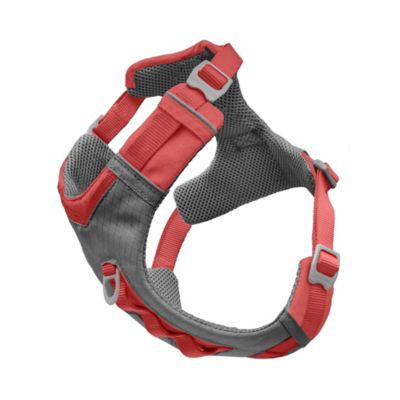
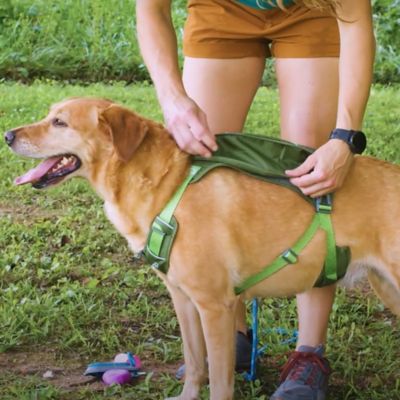
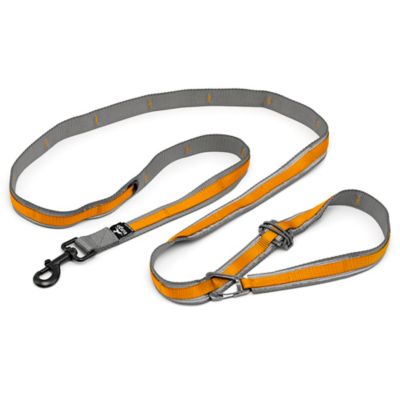
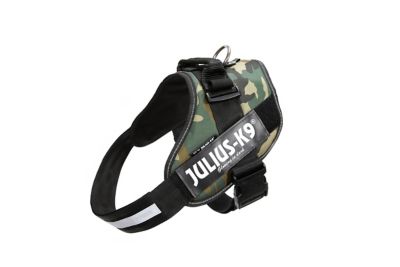
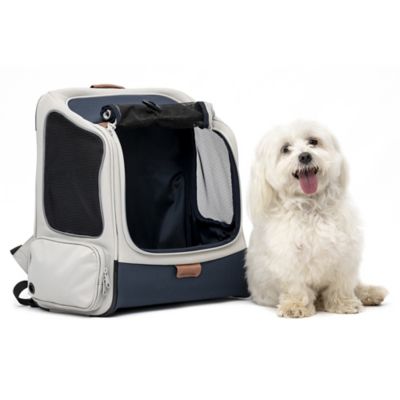
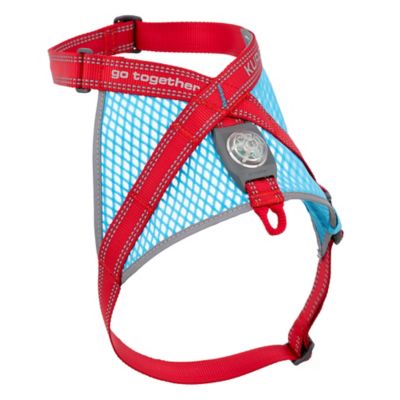
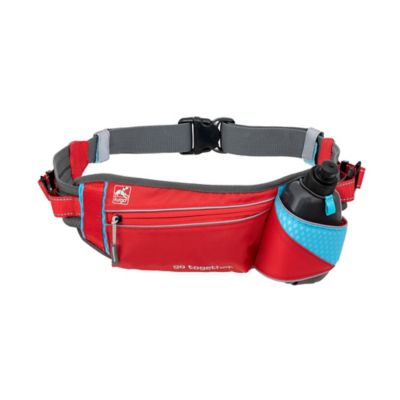
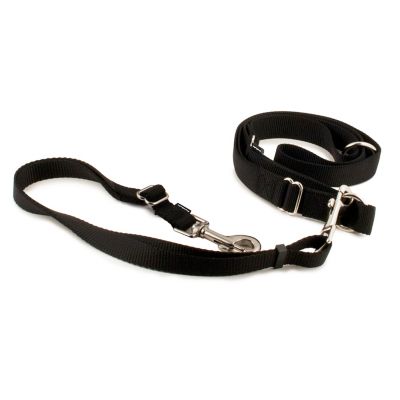
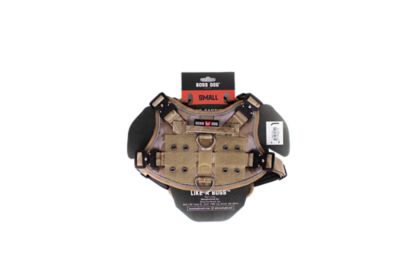
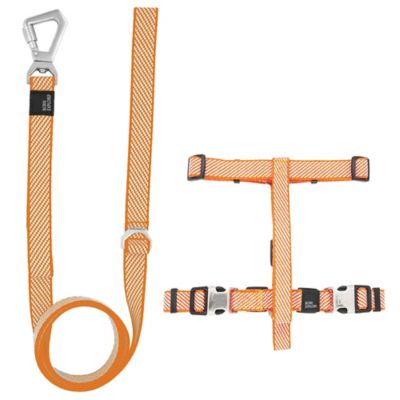
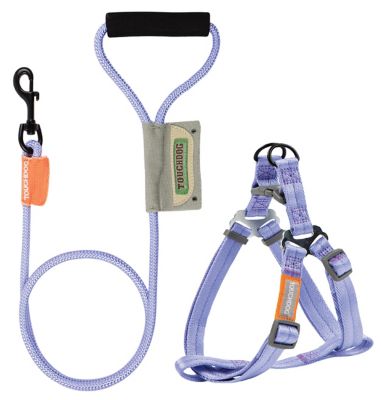
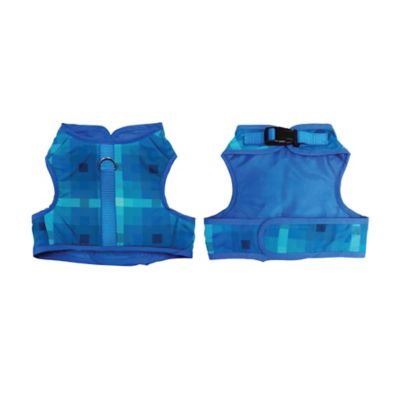
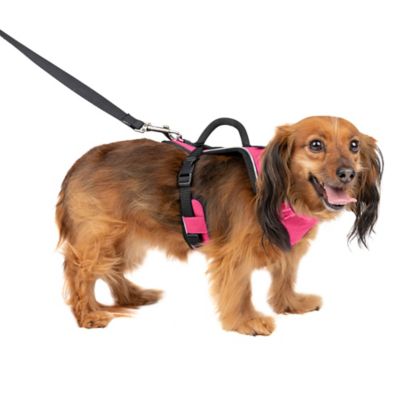
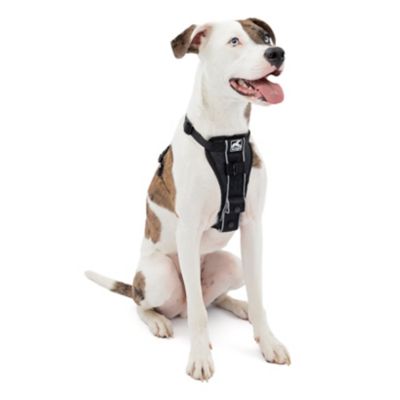
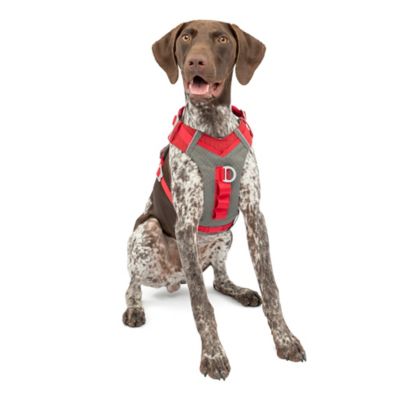
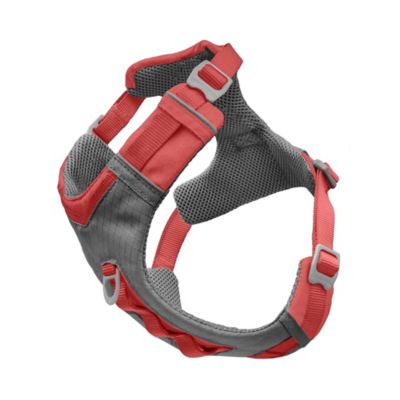
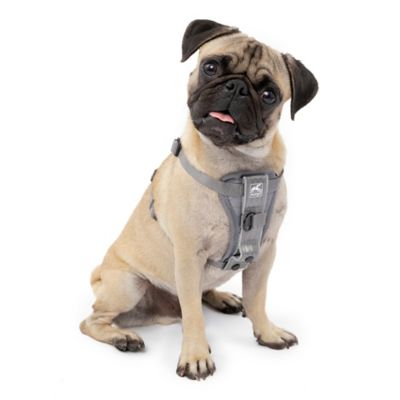
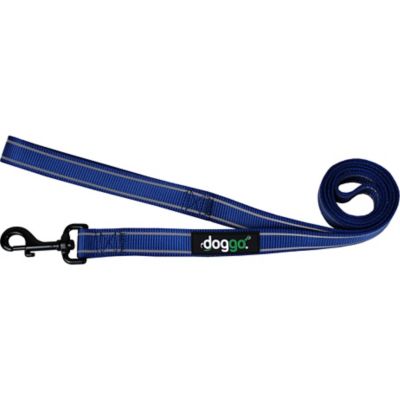
Dog gear for hiking helps make time on the trail safer, cleaner, and more comfortable for both ends of the leash. A sturdy, well-fitted harness is a good place to start, especially for dogs that pull, scramble over uneven ground, or need a little extra help around steep sections. Look for supportive straps that stay clear of the throat, adjust easily, and leave room for a natural stride. A built-in handle can be useful when your dog needs to cross a muddy ditch, step over a downed limb, or get a boost onto a rocky ledge. Pair the harness with a dependable leash suited to the trail and your dog’s habits. A standard lead gives you close control in crowded areas, while a hands-free waist leash can be handy on a steady path when you need both hands for balance. Longer training lines may give a reliable dog more room to sniff and explore in open areas, but they still require attention around other hikers, horses, wildlife, and drop-offs. Check local trail rules and keep your dog close enough to respond quickly. Even a calm farm dog that follows you around the yard can get distracted by a rabbit scent or a rustle in the brush. A well-fitting harness and dependable leash give you a better chance of keeping an exciting moment from turning into a long chase through the trees.
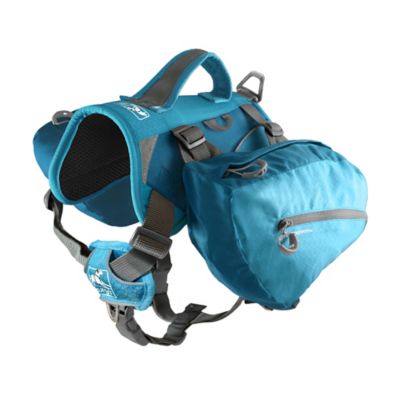
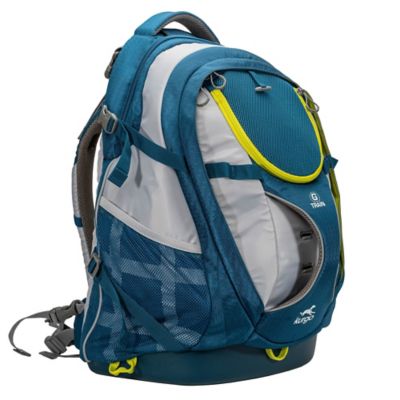
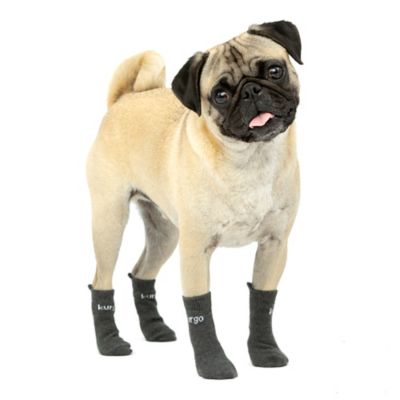
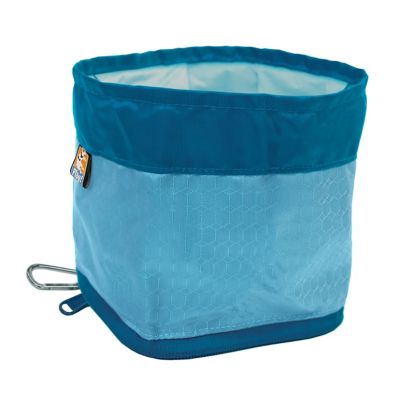
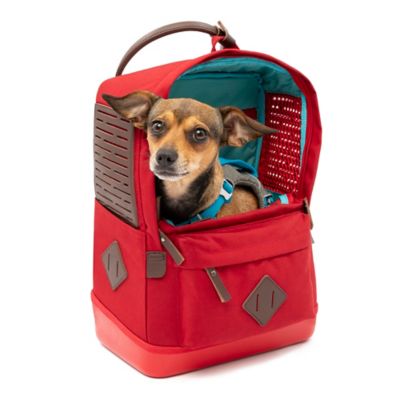
Fresh water belongs in every dog hiking setup, including on cooler days when your dog may not seem thirsty. Dogs can work up a sweat through panting while climbing hills, crossing fields, or moving through thick grass, so carry enough clean water for the full outing and a little extra. A collapsible bowl takes up very little space and gives your dog a cleaner, easier place to drink than a muddy puddle or shared stream. If your dog is large and fit enough to carry a portion of the load, a properly fitted dog pack can hold lightweight supplies such as water, treats, or waste bags. Start with an empty pack at home, add weight gradually, and watch for rubbing, a changed gait, or signs of fatigue. Smaller dogs, young dogs, senior dogs, and dogs with joint or breathing concerns may be better off carrying nothing. The goal is a comfortable walk, not a packed-out expedition. Paw protection can also make a noticeable difference on rough trails. Booties may help shield paw pads from sharp gravel, rough rock, burrs, ice, or packed snow, while paw balm can help protect against drying and cracking. Introduce either option before a long hike; many dogs need time to get used to the feel. On a cooler afternoon, a dog may trot happily across a trail while tiny bits of grit gather between the toes, only showing discomfort once you are far from the truck. A quick paw check during breaks can catch trouble early.
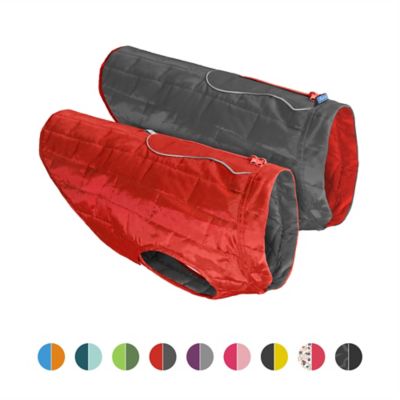
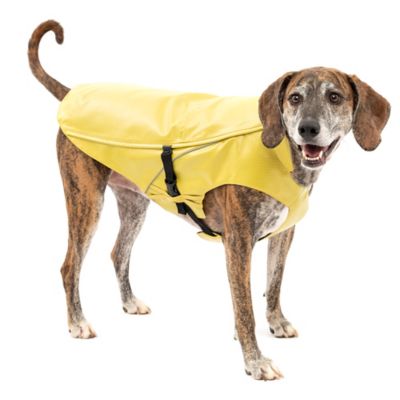
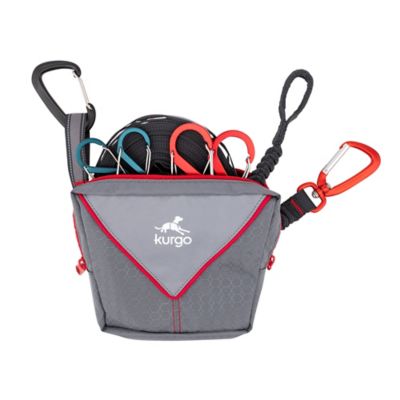
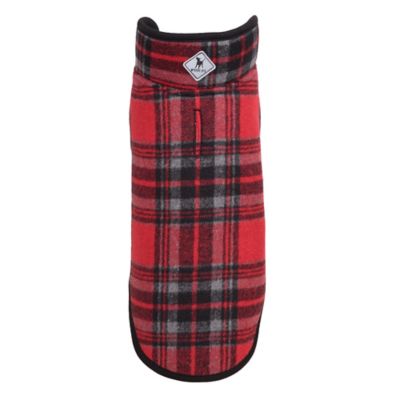
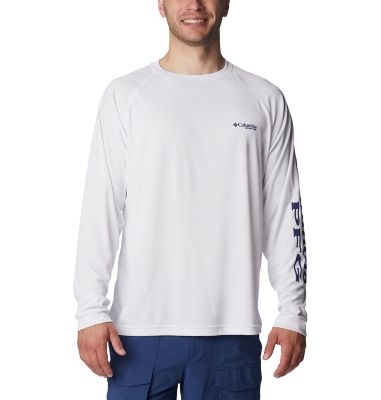
A few small pieces of dog gear can cover the practical details that make an outing go smoothly. Waste bags keep campsites, trailheads, and shared paths clean, and a clip or pouch helps keep them within reach instead of buried at the bottom of a pack. A basic canine first-aid kit can include gauze, self-adhering bandage material, antiseptic wipes made for pets, tweezers, and a tick-removal tool. Check your dog’s coat, ears, paws, and belly after walking through tall grass or brush, and remove ticks promptly according to veterinary guidance. Reflective details or a light can improve visibility when daylight fades earlier or when a trail leads back to the parking area near dusk. For cooler conditions, some dogs benefit from an insulating layer, especially short-haired, lean, older, or damp dogs. Keep an eye on fit and movement so clothing does not catch on branches or interfere with a harness. Pair your dog’s setup with dependable layers from
Outdoor Clothing For Hiking so you can stay comfortable while tending to muddy paws, wet coats, and changing conditions. Dog hiking gear also makes a thoughtful gift for a neighbor who takes a pup along on morning walks, a new dog owner settling into trail life, or a family that spends weekends camping and exploring back roads. The best choices match the dog’s size, coat, age, fitness, and favorite terrain. Whether the route winds through pasture edges, wooded hills, sandy paths, or snowy ground, useful gear lets you focus on the simple good stuff: boots on the trail, a loose tail ahead of you, and a tired dog settling happily into the truck for the ride home.