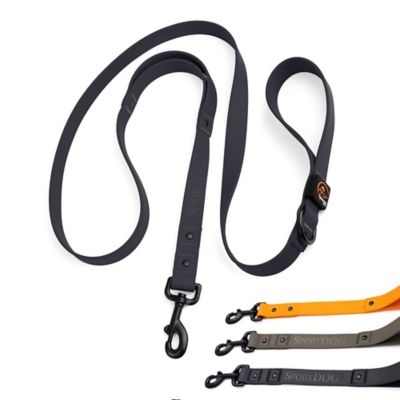
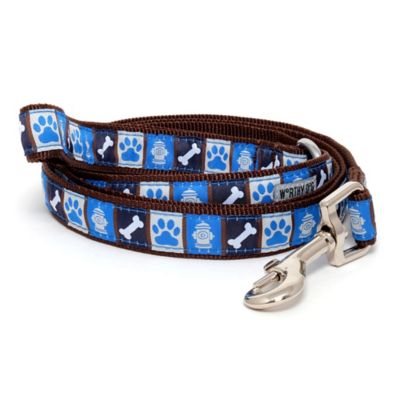
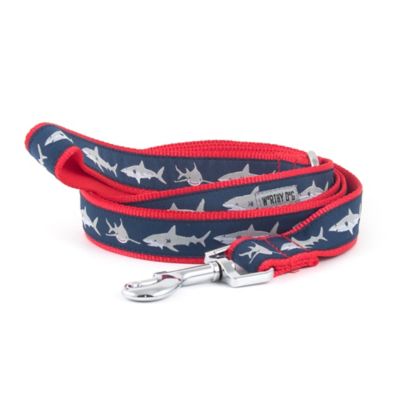
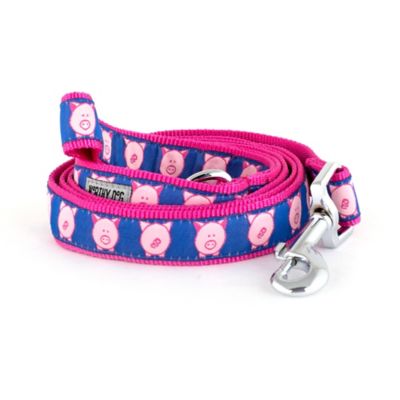
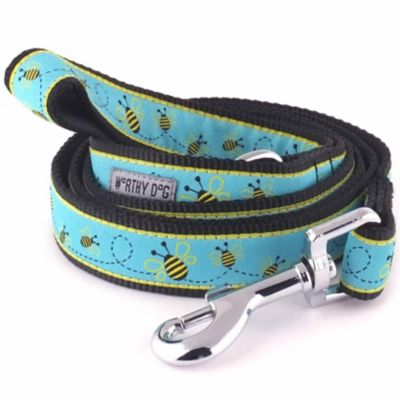
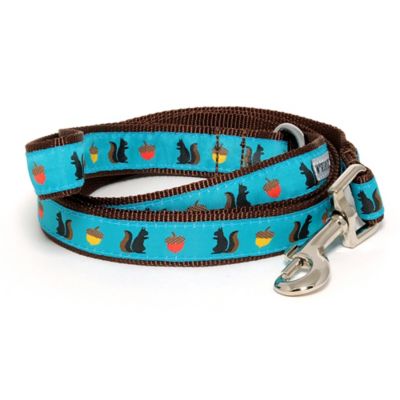
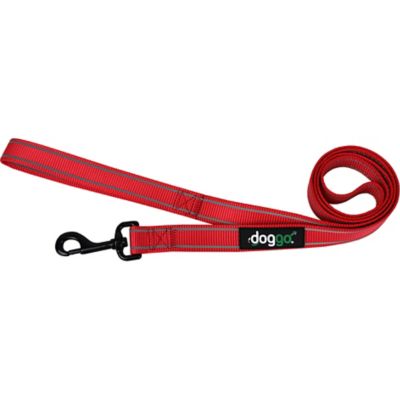
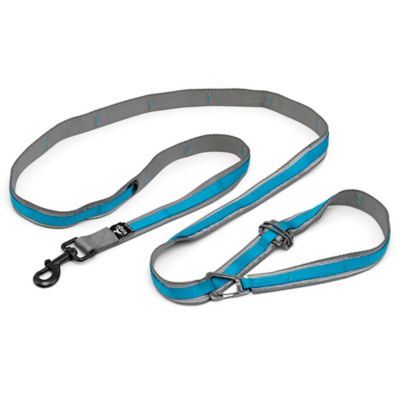
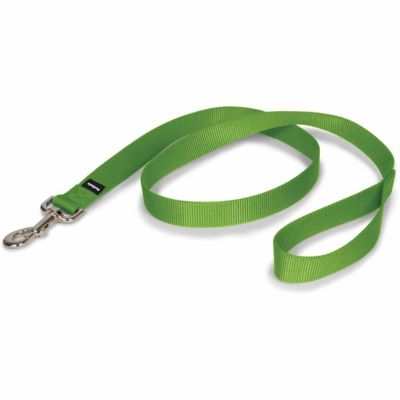
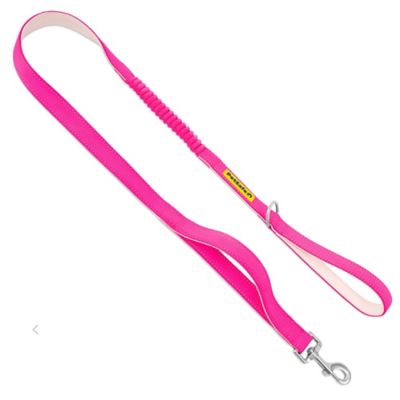
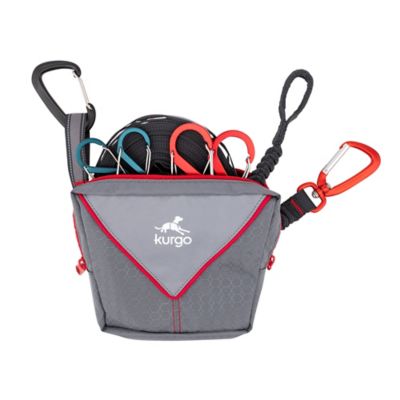
Dog leads for camping help give your dog room to enjoy the outdoors while keeping them close, visible and out of trouble around the campsite. Whether you are settling in beside a quiet lake, parking the camper near a wooded trail or pitching a tent in an open field, the right lead can make daily routines easier for everyone. A short, fixed-length lead is a handy choice for walking from camp to the restroom, gathering firewood or heading down a busy campground path where close control matters. Leads in the 4- to 6-foot range are commonly useful for keeping a dog near your side without dragging along too much slack. Look for sturdy webbing, weather-resistant materials and comfortable handles that will not rub your palm when your dog pulls toward a squirrel or catches the scent of breakfast cooking nearby. A waterproof or quick-drying lead can be especially useful when your camping days include morning dew, creek crossings, muddy ground or a dog who treats every puddle like an invitation. Materials that resist odor and are easy to wipe clean are helpful during longer stays, when there may not be a convenient place to wash gear. For walking hands-free while carrying a flashlight, water jug or camp chair, a waist-style lead can be useful in open areas and on easy paths, though it should not replace close supervision near traffic, steep drop-offs, unfamiliar dogs, campfires or cooking equipment. Choose the length and construction based on your dog’s size, strength and habits, not just the appearance of the lead. A little terrier that darts after birds may need a different setup than a big, steady dog that likes to stroll at your heel. Check the clasp, stitching and connection points before each outing, especially after the lead has been exposed to sand, rain or repeated pulling.
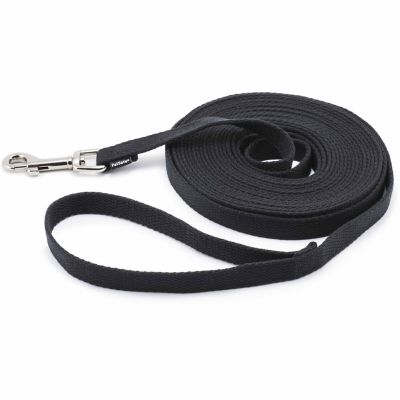
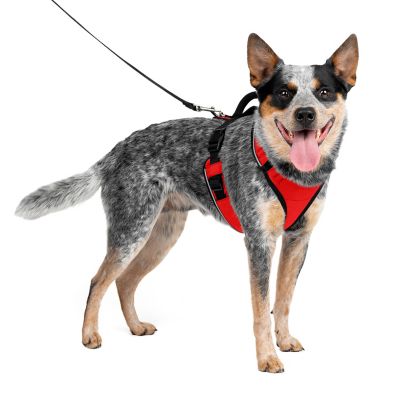
For time spent relaxing at camp, a tie-out cable, ground-stake setup or overhead runner can give a dog a little more freedom while keeping them within a defined area. An overhead line running between suitable anchor points can help keep the lead raised above the ground, reducing the chance of tangling around folding chairs, coolers, tent lines and people’s feet. It can be a practical arrangement for dogs that like to move between a shady spot and the edge of camp, but it still needs careful placement and regular supervision. In an open campsite without dependable trees, a sturdy ground stake may provide an anchor point, while a long line can offer more space for sniffing and stretching. Keep in mind that a dog reaching the end of a long or rigid line can build up considerable force, particularly when running after wildlife or greeting another camper. A properly fitted body harness is generally a better choice for long lines, tie-outs and overhead systems than attaching a strong, extended lead directly to a neck collar. The harness helps spread pressure across the dog’s chest and shoulders, while a sudden stop on a collar can strain the neck. Regardless of the setup, keep the line away from fire rings, grills, hot stoves, sharp tools, vehicle paths, water edges and low branches. Inspect the surrounding area for hazards before clipping your dog in, and make sure the anchor is suited to the dog’s size and energy. Never leave a dog unattended on a tie-out, even for a short chore around camp. Dogs can become wrapped around trees or furniture, chew through some materials, or panic when wildlife passes close by. A lead is there to support safe camping, not to take the place of a watchful person.
When comparing dog leads for camping, consider how you travel, how much space you have and what your dog is likely to do once the tent is up. Car campers may have room for a walking lead, a longer campsite line, a harness and a spare connection, while backpackers may prefer lightweight gear that packs down small and serves more than one purpose. A lead with a reflective pattern or bright color is easier to spot in dim light, tall grass and shaded woods, which can be useful during an early-morning walk or while packing up during the cooler months. A traffic handle or second grip can provide extra control when passing other dogs, crossing a road or moving through a crowded campground. Swivel connections may help reduce twisting, while a simple, dependable clasp can be easier to operate with cold or muddy hands. Match hardware strength to your dog’s weight and pulling power, and look for smooth edges and secure closures that will not catch on fur. It is also smart to bring a backup lead or a spare clip on longer trips, since lost or damaged gear can turn a relaxed weekend into a scramble. Dog leads for camping can make thoughtful gifts for new dog owners, families planning their first campground stay, hunters and anglers who bring a dog along, or anyone who spends warm days exploring trails and cooler evenings around a fire. Pairing a lead with a comfortable harness, collapsible water bowl or
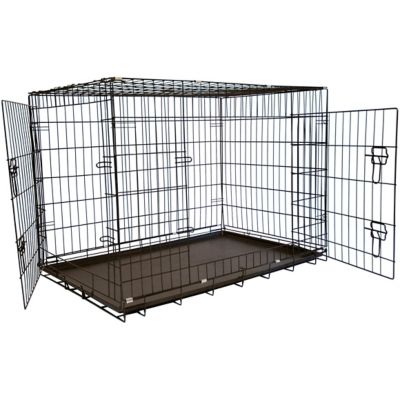
Camping Dog Crate can help create a practical camp setup without taking up much room in the truck. Before heading out, give every buckle, seam and anchor point a quick check, practice using the setup at home and make sure your dog is comfortable wearing the harness or walking at the chosen length. With dependable gear and a little attention to the campsite layout, your four-legged companion can enjoy the fresh air, new smells and wide-open feeling of camp while staying safely part of the group.