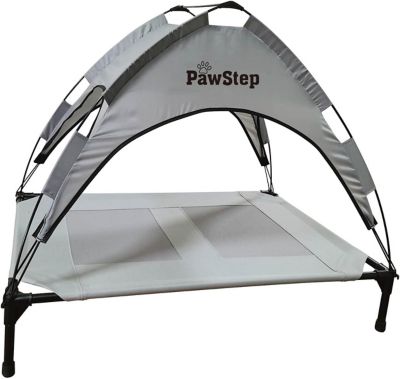
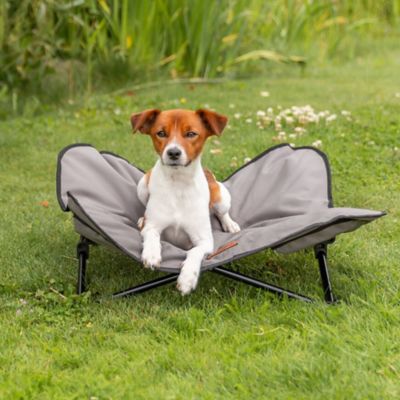
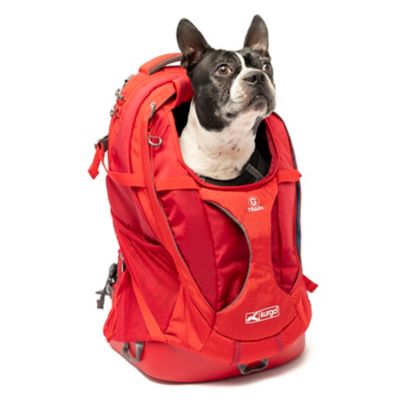
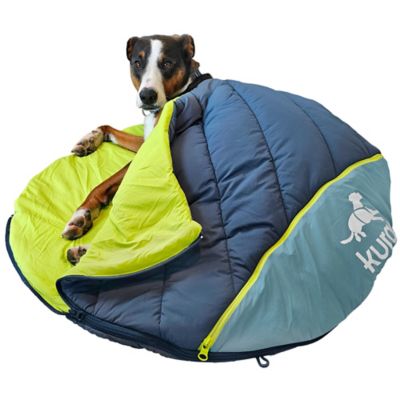
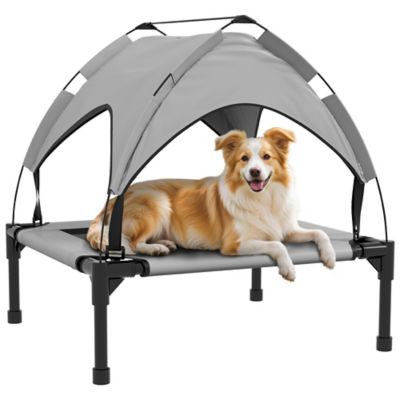
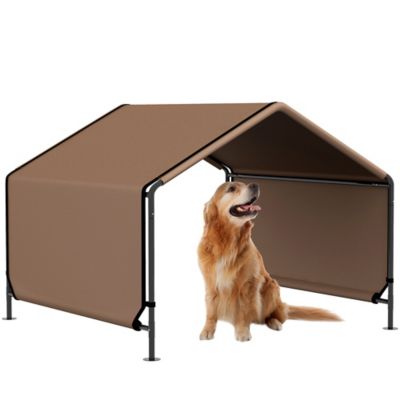
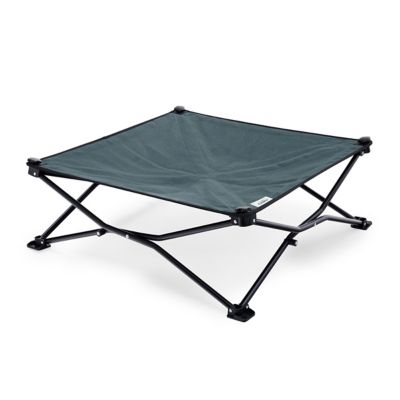
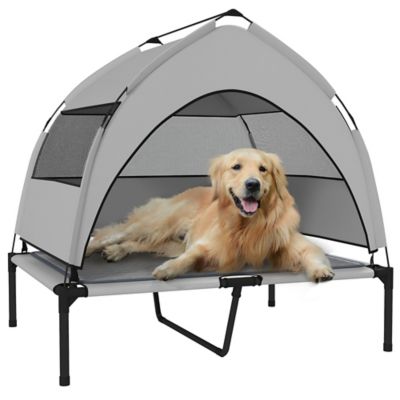
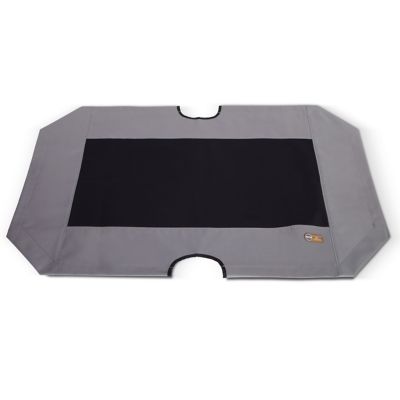
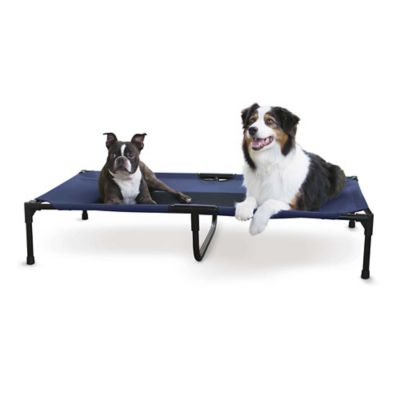
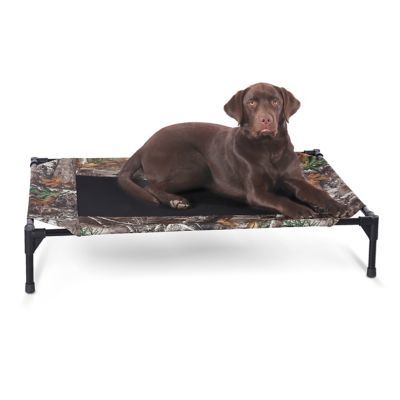
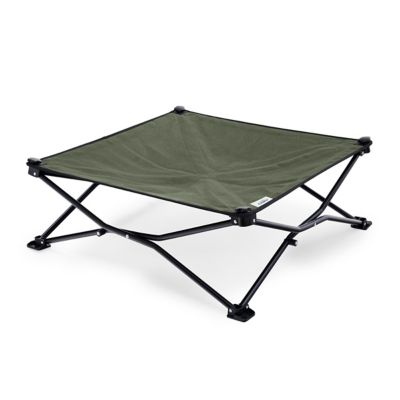
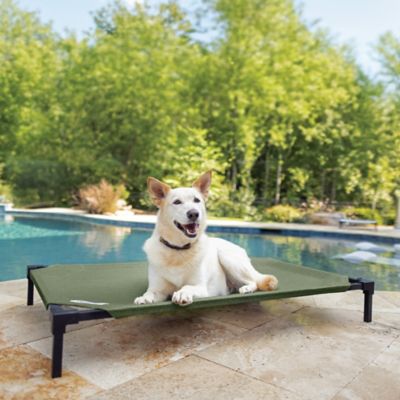
Dog camping gear includes portable beds, travel bowls, food and water containers, leashes, harnesses, identification, cleanup supplies, and first-aid essentials that help dogs eat, rest, and stay under control away from home. The right mix depends on whether the trip starts at a drive-up campsite, involves a walk to a tent site, or centers on a camper parked near the trailhead. For a dog that spends the ride watching from the back seat, a familiar resting spot can make the campsite feel a little more like home. Folding mats and roll-up beds offer cushioning without taking up much cargo space, while raised beds provide a defined place to settle beside a picnic table. A sleeping surface should accommodate the dog’s usual resting position, including enough length for a side sleeper to stretch out. Low-profile designs can be easier for older dogs to step onto, and smooth undersides or a separate ground layer help protect tent floors from abrasion. Removable, machine-washable covers simplify cleanup after a weekend of dusty paws and loose hair. Feeding supplies deserve just as much attention as bedding. Food-grade silicone bowls fold down for carrying, while stainless steel bowls have smooth surfaces that wash readily between meals. A broad base helps keep dinner upright when an eager eater noses the rim. Travel bowls are meant for supervised meals and drinks, not chewing sessions. Food containers with secure lids help contain kibble crumbs and odors inside a vehicle or gear tote, though ordinary storage containers should never be mistaken for wildlife-resistant storage. Campground food-storage rules apply to pet food and treats, too. Dedicated drinking-water containers make it easier to offer familiar water rather than depending on creeks, ponds, or puddles. Enough capacity for the full outing, plus extra for delays, matters more than choosing the smallest container. For walk-in sites, packed size and carrying weight become bigger considerations; at a drive-up site, a wider bed and full-size feeding setup may fit the routine better.
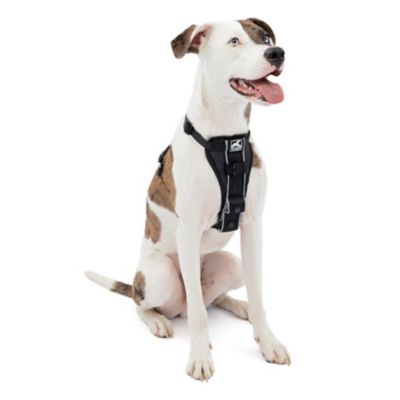
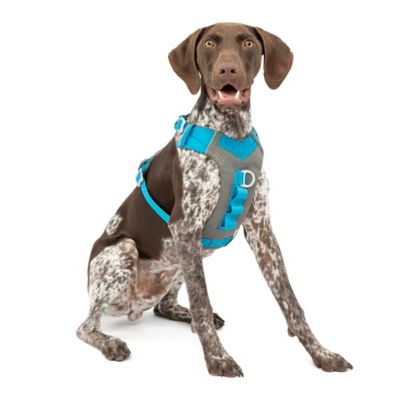
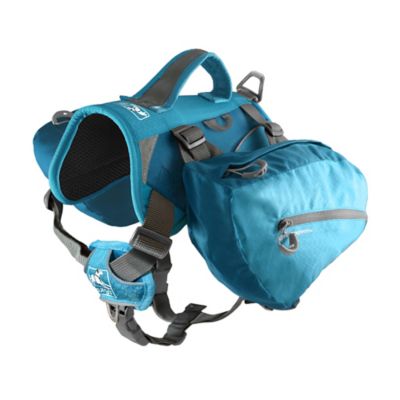
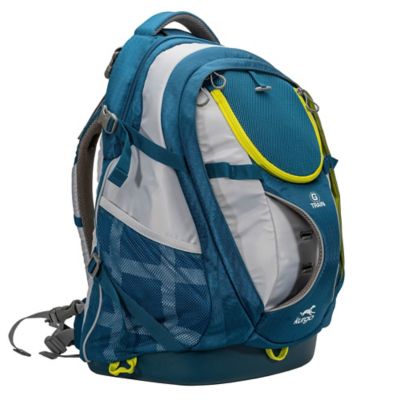
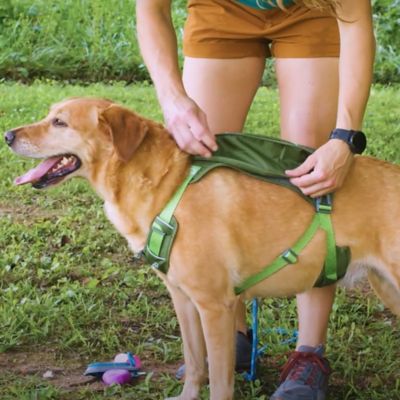
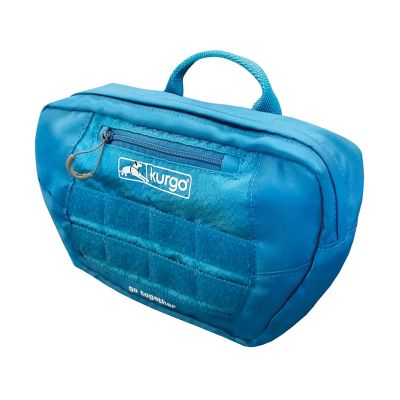
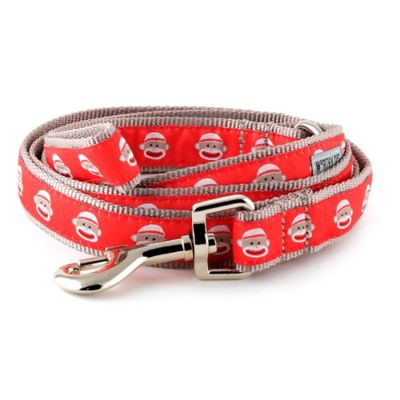
Leashes, harnesses, and campsite restraints serve different purposes, even when they share similar webbing and hardware. A walking harness gives a handler a secure attachment point for moving between the campsite, trail, and parking area, but its fit matters more than the size printed on the package. Neck and chest measurements, the maker’s sizing chart, and the dog’s body shape all help narrow the fit. Straps should stay clear of rubbing spots behind the front legs, allow an unrestricted stride, and remain secure when the dog backs up. Broad, smooth webbing can spread contact over a larger area, while easy-to-reach adjustment points help maintain a snug fit as the harness settles into place. Buckles, clips, and stitching need regular inspection, especially on gear belonging to a strong puller or an enthusiastic chewer. Campground leash-length limits also shape the choice; a long training line is not a substitute for a shorter leash where site rules require one. Tie-outs and overhead tether systems create a supervised resting area only when their attachment points, weight ratings, and setup match the manufacturer’s directions. They need clear space away from fire rings, cooking equipment, footpaths, and places where a line could wrap around furniture. A dog should never be left alone on a tether, and the restraint attachment should follow the equipment maker’s instructions. Reflective trim and clip-on lights improve visibility around camp after dark, but they do not replace a leash, identification tag, or close supervision. For dogs joining longer walks, trail packs offer pockets for light supplies without making the dog responsible for carrying the group’s essentials. Balanced pockets and a stable fit help prevent shifting, and carrying suitability depends on the individual dog’s health, age, build, and conditioning. A veterinarian can help determine whether a pack makes sense and what load is appropriate. Young dogs, older companions, and dogs with mobility concerns may be better suited to outings where the people handle every pound.
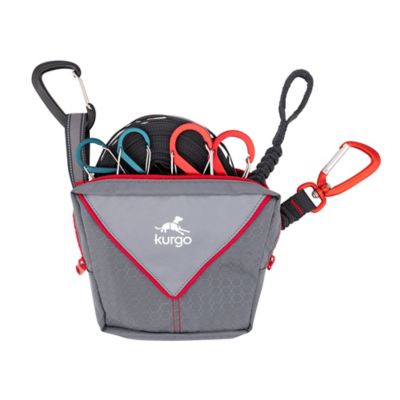
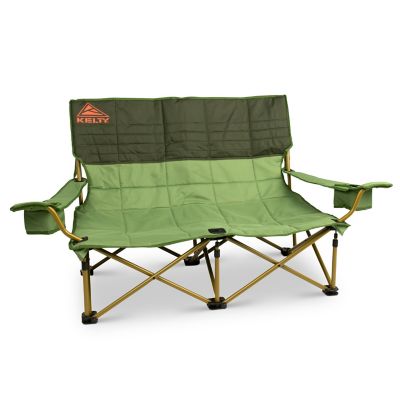
Cleanup and paw-care supplies round out dog camping equipment because life around a campsite rarely stays tidy for long. Waste bags and a secure way to carry filled bags help keep shared trails and camping areas pleasant; waste belongs in an approved receptacle rather than under leaves or beside the trail. A washable towel earns its space after a splash at the water bowl or a romp through a dusty clearing, and a separate paw cloth keeps grit from working its way into bedding. Paw protection may help on abrasive ground, but boots need a measured fit and practice at home so they stay in place without rubbing or changing the dog’s stride. First-aid supplies support a response while veterinary help is arranged, not a replacement for professional care. Gauze, nonstick dressings, saline rinse, and the dog’s medical information belong in a clearly marked pouch, along with veterinarian-directed supplies and any prescribed medication in its labeled container. Human pain relievers and other medications should not be given without veterinary direction. Keeping emergency clinic contact information accessible is useful where phone service is limited. Between trips, equipment care helps keep the next departure straightforward: bowls need washing, bedding needs cleaning according to its label, and fabric gear should be fully dry before storage. Frayed straps, cracked clips, damaged seams, and tooth marks deserve attention before anything goes back into the travel bag. A dedicated tote separates pet supplies from cooking utensils and makes the everyday pieces easier to find at a roadside stop. For someone who likes taking a four-legged companion along, packable feeding supplies or washable bedding can make a thoughtful gift, especially when the dog’s size and habits are known. Pairing those essentials with
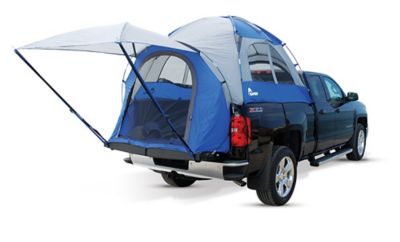
camping gear for the rest of the campsite helps create a setup where dogs and people have room to eat, rest, and enjoy time outdoors together.