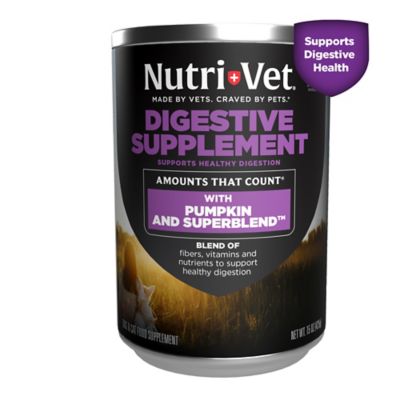
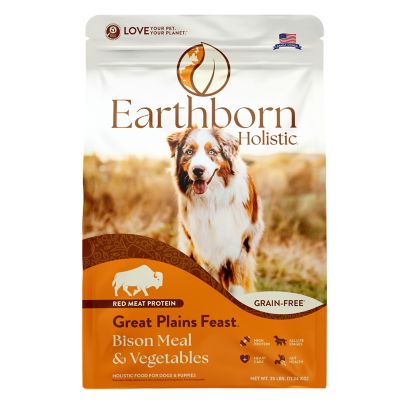
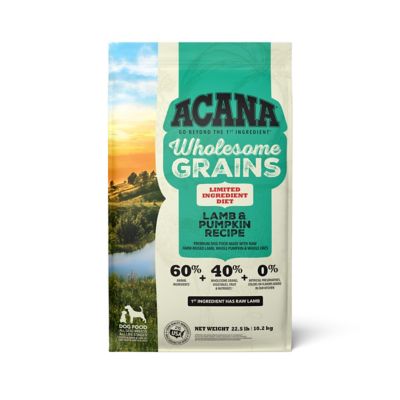
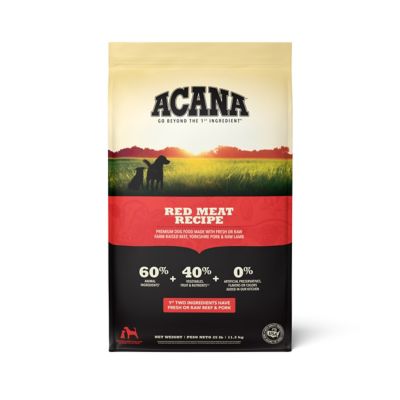
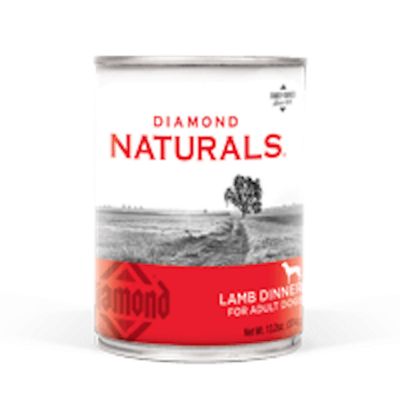
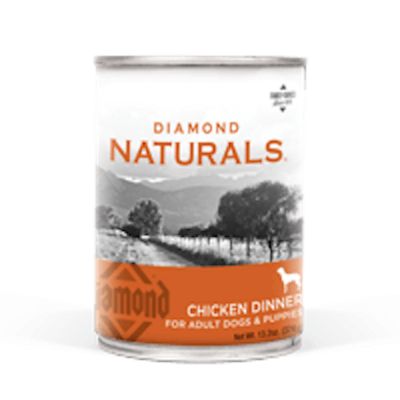
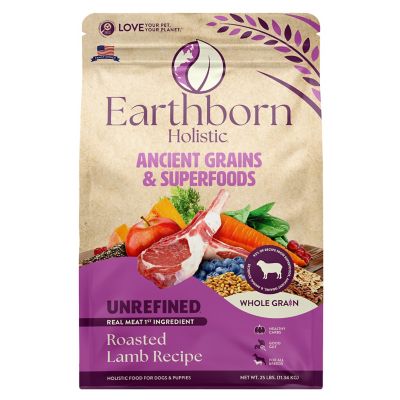
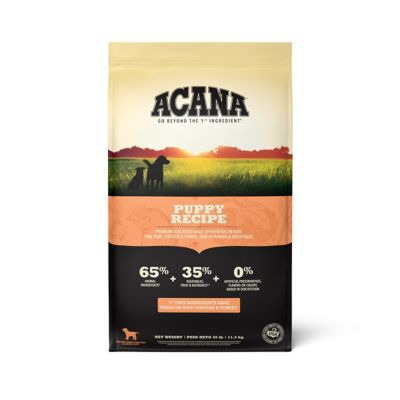
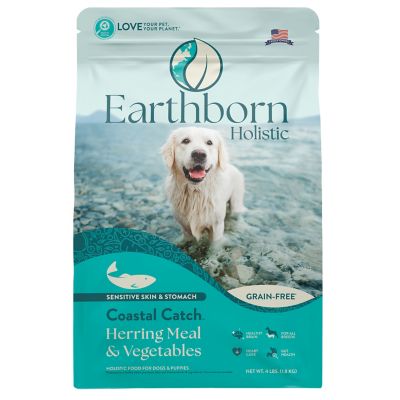
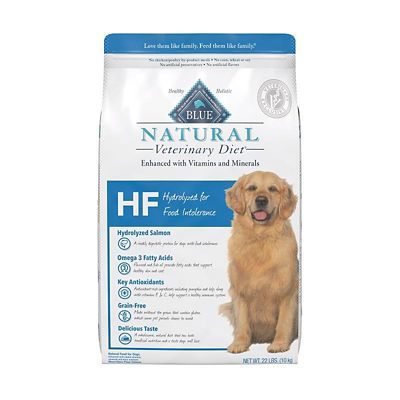
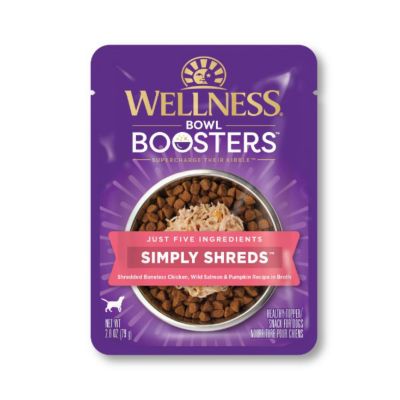
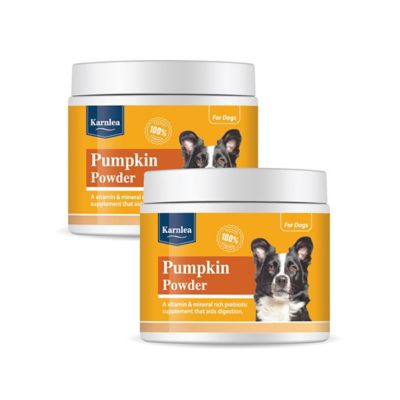
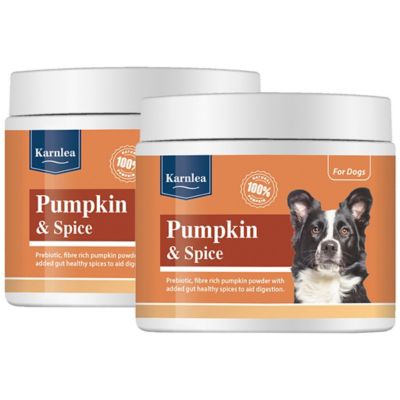
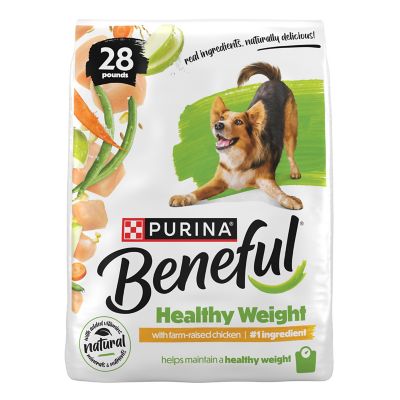
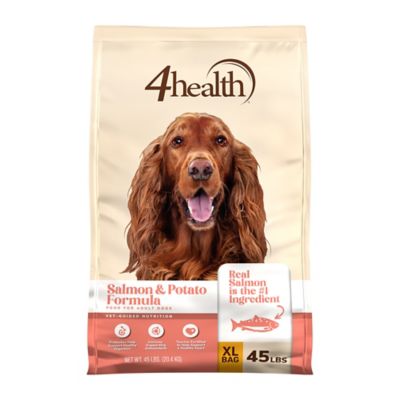
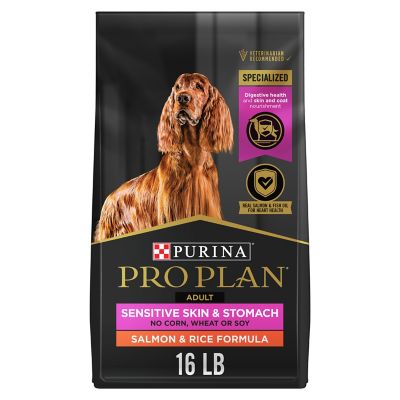
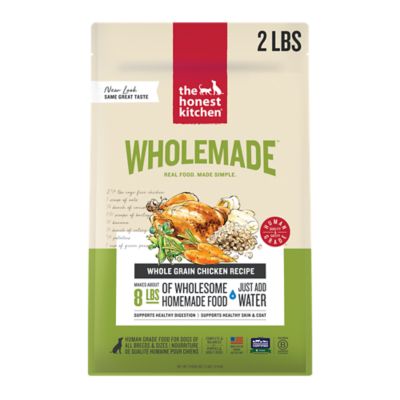
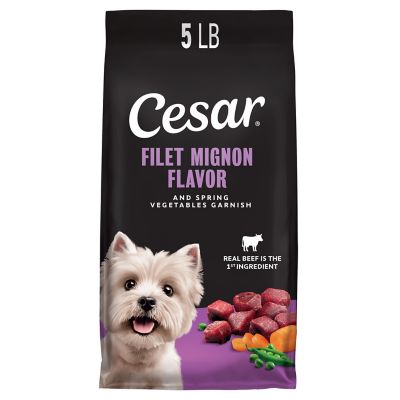
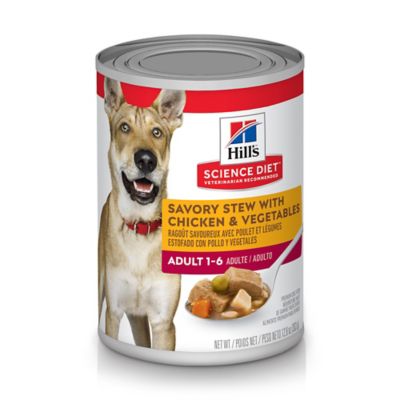
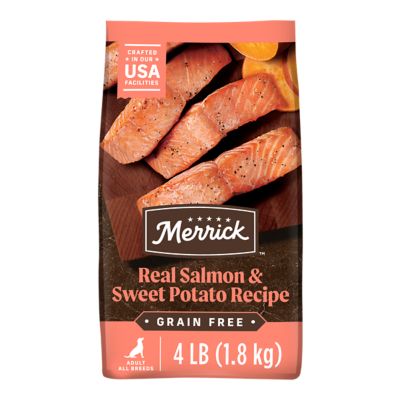
Dog food with pumpkin combines everyday nutrition with an ingredient known for its fiber content. Pumpkin contains soluble fiber, which absorbs water and can help support normal stool consistency, along with insoluble fiber that helps move material through the digestive tract. Depending on the amount in the recipe and a dog’s individual needs, that fiber may help give loose stools more form or support regular bowel movements when stools are hard. That does not make every pumpkin recipe a treatment for digestive trouble, though. The full ingredient mix, total fiber level, portion size, and a dog’s health all matter. For a dog that heads straight from the back door to the feed room every morning, a familiar meal that agrees with its stomach can make the daily routine a little smoother. Pumpkin appears in several food formats, including dry kibble and wet recipes, so there is room to match the food to how a dog likes to eat. Kibble offers a straightforward scoop-and-serve option, while wet food contributes more moisture and has a softer texture. Some recipes combine pumpkin with animal proteins, grains, or other vegetables; others follow a more limited ingredient approach. Pumpkin may contribute flavor and texture, but it does not replace the protein, fat, vitamins, and minerals a dog needs from a balanced diet. Its place on the ingredient list offers some context, although the label generally will not reveal the exact amount unless the maker states it. A pumpkin image on a package also says little about the food’s total fiber content. Comparing the nutritional information gives a clearer picture than the front of the bag alone. For everyday meals, dog food with pumpkin makes the most sense as a complete recipe that fits the dog eating it, rather than as a promise that one ingredient will settle every stomach.
A good match starts with life stage, body condition, and the work a dog puts in each day. A growing puppy, an adult dog riding along for chores, and an older companion spending more time beside the porch have different nutritional needs, even if all three enjoy pumpkin in their meals. The nutritional adequacy statement identifies whether a food provides complete and balanced nutrition and which life stage it supports. Food labeled for occasional or supplemental feeding serves a different purpose and should not become the whole diet without veterinary direction. Large-breed puppies need particular attention to growth nutrition, while adult dogs benefit from portions that keep them at a healthy weight. An active dog covering ground around the property may need more calories than a similar-size dog whose main outing is a walk to the mailbox. Pumpkin on the label does not automatically mean a recipe is low in calories, low in fat, or suited to weight management. Calories per cup or container, feeding recommendations, and the dog’s condition provide more useful direction. Those serving recommendations are starting points, not fixed portions for every dog. Protein sources deserve a close look, too, especially when a dog has a known food allergy or a history of reactions to certain ingredients. A pumpkin recipe may still contain chicken, beef, dairy ingredients, or another ingredient that does not suit that dog. Likewise, grain-free wording or a short ingredient list does not establish that a food will be easier on the stomach. For households feeding several dogs, separate bowls and measured meals make it easier to match each portion to the right animal and notice changes in appetite. A smaller kibble piece or softer wet texture may also fit a dog’s eating habits better, although trouble chewing warrants a dental check rather than a food change alone. The best fit is a meal that supports the whole dog, not just one feature on the package.
Day-to-day handling matters just as much as choosing a recipe that sounds appealing. Bag size should suit how quickly a household goes through food, with enough storage space to keep the original packaging closed inside a clean, dry container. Keeping the bag also preserves the lot number, feeding directions, and best-by information. Dry food belongs away from dampness, direct sunlight, and places where insects or mice can reach it. Wet food calls for a different routine: opened portions need prompt refrigeration and handling according to the package directions, and leftovers should not sit in the bowl for extended periods. Clean bowls and fresh drinking water belong alongside either format, especially when fiber is part of the feeding conversation. When changing foods, a gradual transition over about a week often helps limit digestive upset, though some dogs need a slower pace or a veterinarian’s plan. Keeping other parts of the menu steady during that transition makes it easier to notice whether the new food agrees with the dog. A few extra treats from different family members can add up, so daily calories should include snacks and meal toppers as well as the main food. For dogs that need a tightly managed diet, pumpkin-containing food should fit the existing plan rather than take the place of prescribed nutrition. Persistent diarrhea, repeated straining, vomiting, blood in the stool, or a noticeable drop in appetite calls for veterinary attention, not another round of food changes. For otherwise healthy dogs, everyday signs such as steady energy, a comfortable appetite, and regular, formed stools help show how a feeding routine is working. The broader
Dog Food With Vegetables selection provides another way to compare recipes with plant ingredients. Whether the bowl holds kibble, wet food, or a measured combination, dog food with pumpkin should earn its place through balanced nutrition, sensible portions, and a routine that works from the first morning scoop to the last meal of the day.