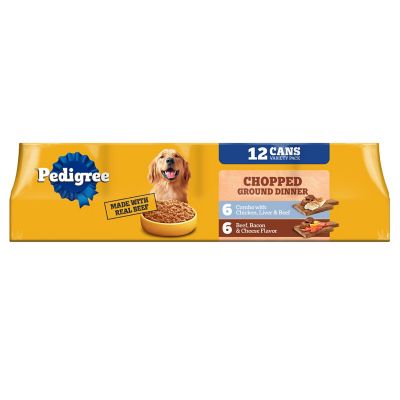
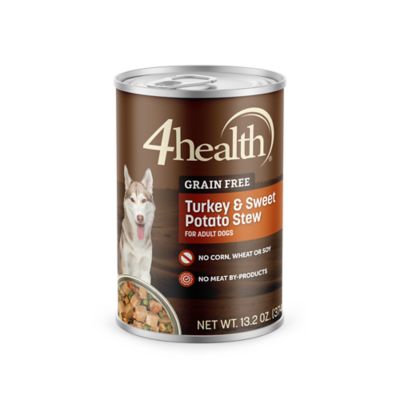
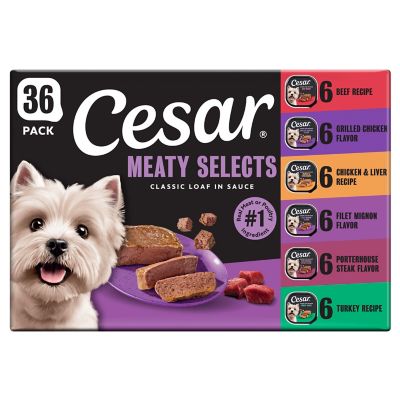
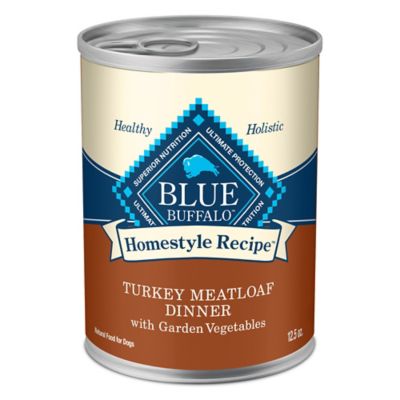
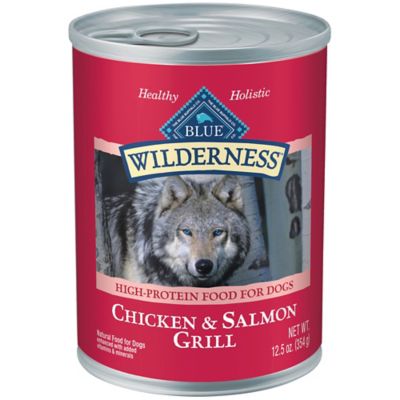
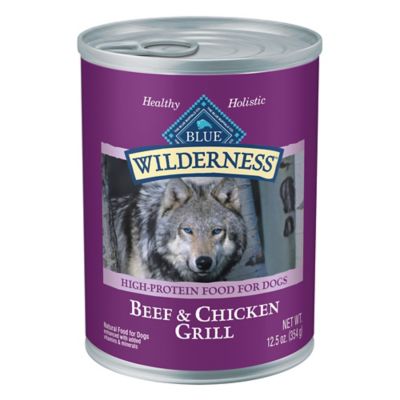
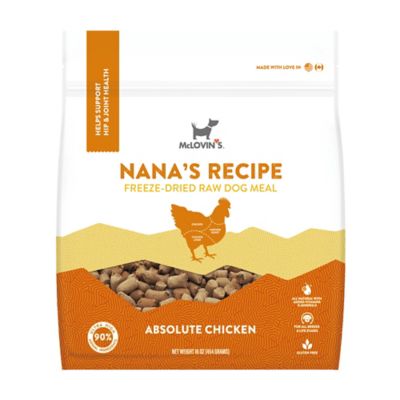
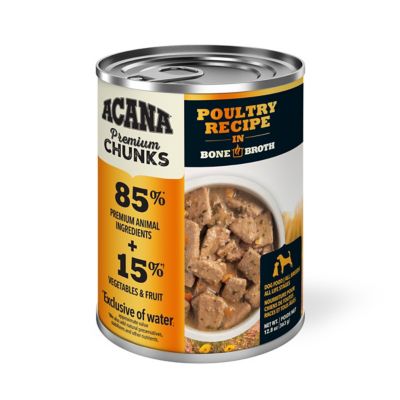
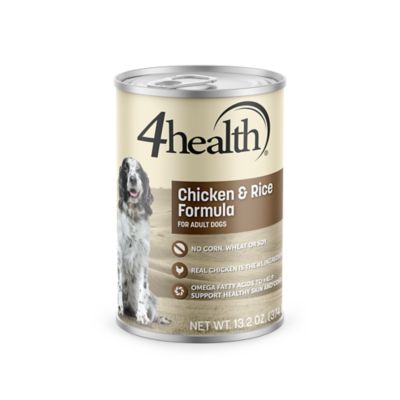
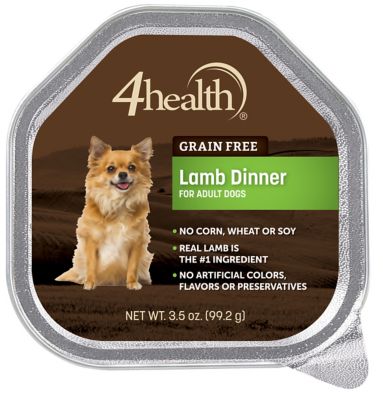
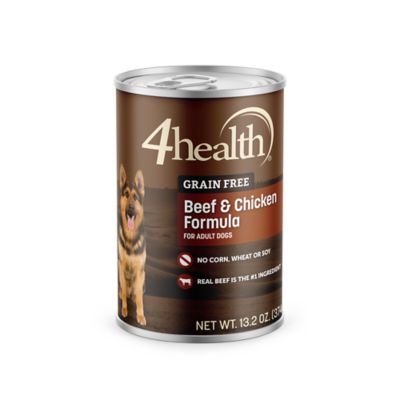
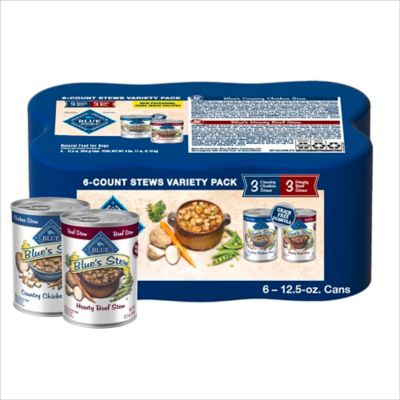
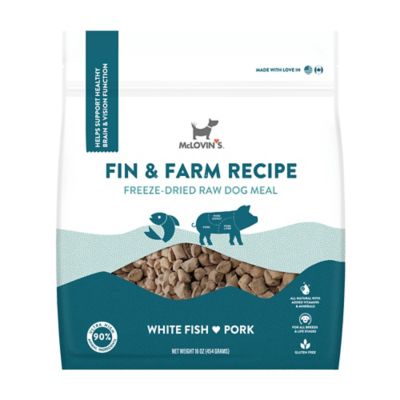
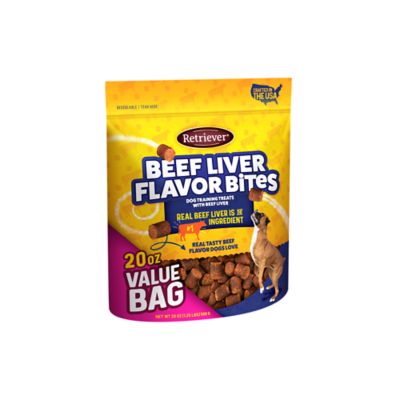
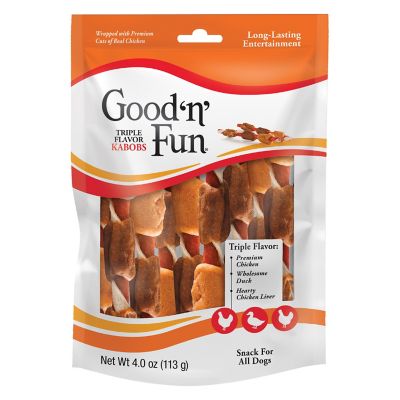
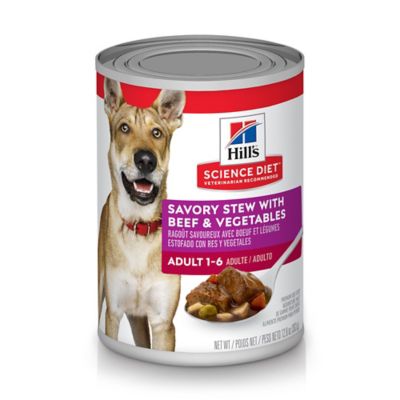
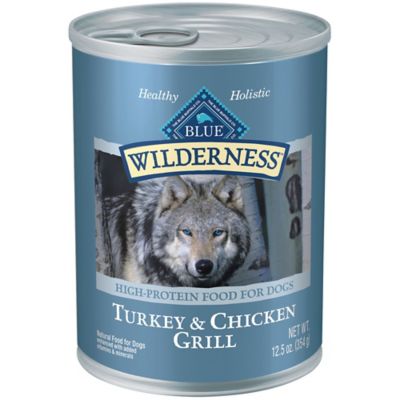
Dog food with liver can be a tasty way to add rich, meaty flavor to a dog’s bowl, especially for pets that turn up their noses at plain kibble. Liver is an organ meat naturally packed with high-quality protein, iron, vitamin B12, vitamin A and copper. You may find it included in complete dog food recipes, soft treats, training bites, toppers and freeze-dried or dehydrated snacks. These choices can work well for many households, from the family with a young, active dog to the neighbor looking for a useful gift for a hard-working farm dog. A liver-flavored treat can make a handy reward during obedience practice, kennel training or a long day outside, while a food that lists liver among its ingredients may add aroma and variety to everyday meals. If your dog does better with hearty animal-based recipes, you may also want to browse
Dog Food With Real Meat for additional options. As you compare products, check whether the package says the food is complete and balanced for your dog’s life stage, then look at the guaranteed analysis, feeding directions and ingredient list. Puppies, adult dogs and senior dogs have different nutritional needs, and an active dog that spends cooler days romping around the pasture may need a different amount than a smaller companion who spends most of the day curled up indoors. Fresh water should always be available, and new food is best introduced gradually over several days to help avoid an upset stomach.
Liver is nutrient-dense, so more is not always better. Products made as treats, toppers or supplemental foods should generally make up only a small part of the daily diet rather than replacing a balanced meal. Too much liver over time can provide excessive vitamin A and copper, which may lead to health problems. For that reason, follow the package directions and keep extras modest, especially when your dog receives liver from more than one source. A simple routine helps: measure the regular meal, count training treats, and break larger bites into smaller pieces when your dog is learning a new command. Plain, fully cooked liver may be offered as an occasional extra, but it should not contain butter, heavy oils, garlic, onions or other seasonings that can be unsafe for dogs. Raw or undercooked organ meat also carries food-safety concerns for both pets and people, so handle it carefully and choose prepared products according to label directions. When the weather turns cooler and outdoor chores stretch through the afternoon, a few small treats can be useful for rewarding a dog that stays close, comes when called or settles calmly in the truck. Store opened food and treats as directed, keep them away from moisture and pests, and watch your dog when offering a new texture or chew. Signs such as repeated vomiting, diarrhea, poor appetite, unusual thirst or changes in behavior call for a conversation with a veterinarian.
Dogs diagnosed with liver disease need more careful nutrition than dogs simply enjoying a liver-flavored snack. A veterinary liver diet may use carefully selected, highly digestible protein instead of simply adding more organ meat. Specialized formulas are often designed with controlled or restricted levels of high-quality protein, reduced copper and added zinc to help limit copper buildup and support the liver’s workload. The right choice depends on the condition, its severity and any other health concerns, so a veterinarian should guide the selection rather than relying on a general store-bought food or homemade recipe. Some dogs with liver problems need a prescription diet, while others may need a different feeding plan, supplements or medication. Ask your veterinarian before adding liver treats, supplements or table scraps, even if your dog has enjoyed them for years. Keep the package nearby so the ingredient list and nutritional information are easy to review during an appointment. For healthy dogs, liver-containing foods can fit into a thoughtful feeding routine when portions stay controlled and the main diet provides complete nutrition. For dogs with special medical needs, professional guidance matters most. Whether you are stocking the pantry for your own companion, preparing rewards for training on the homestead or putting together a practical present for another dog owner, choose food based on the dog’s age, size, activity level and health history. A good match should smell appealing to the dog, fit comfortably into the household’s feeding routine and support steady energy through the cooler months without turning every snack into a full meal.