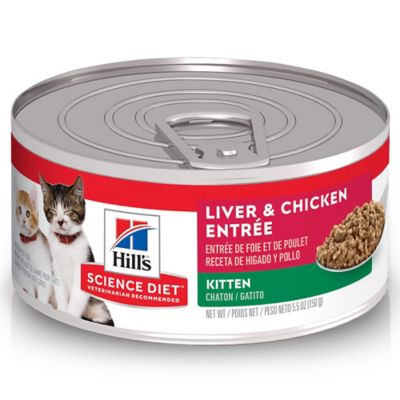
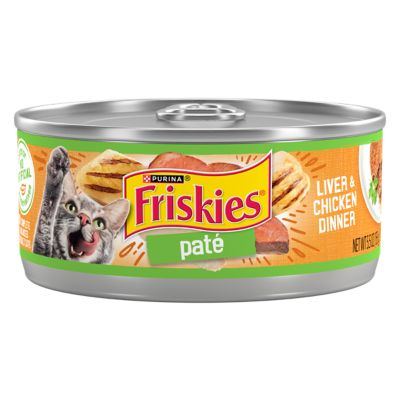
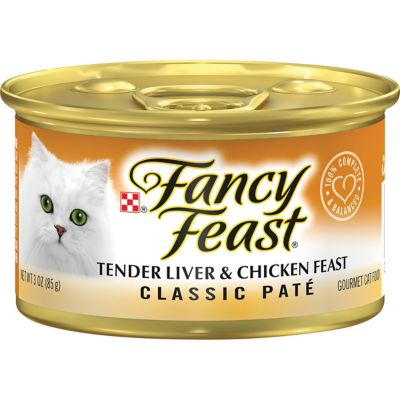
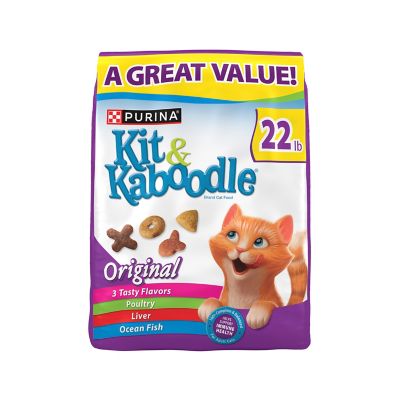
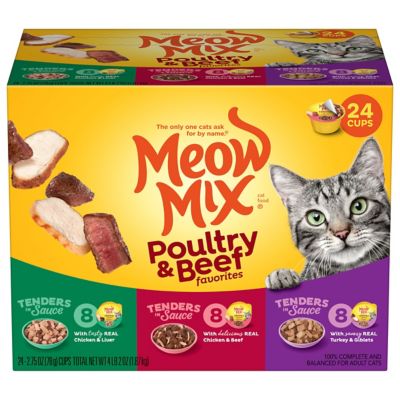
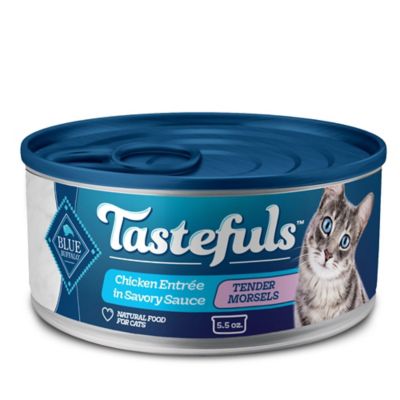
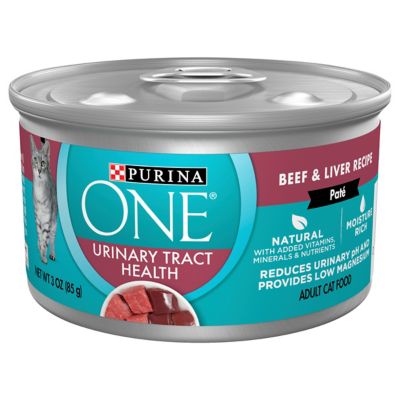
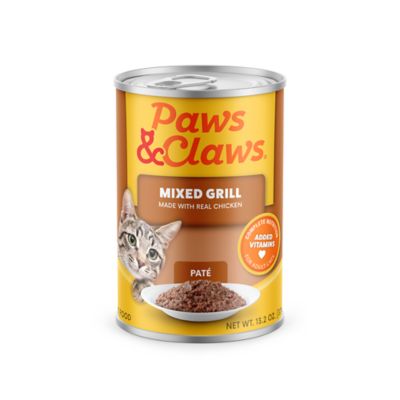
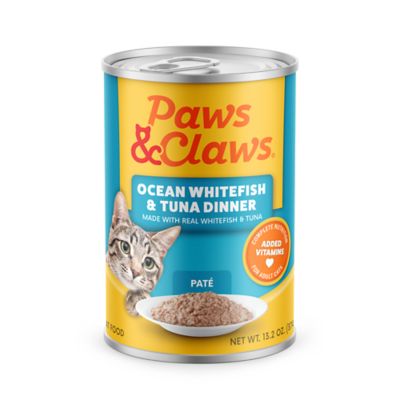
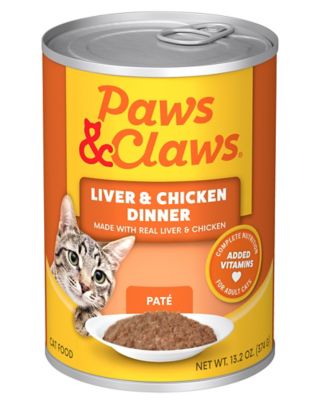
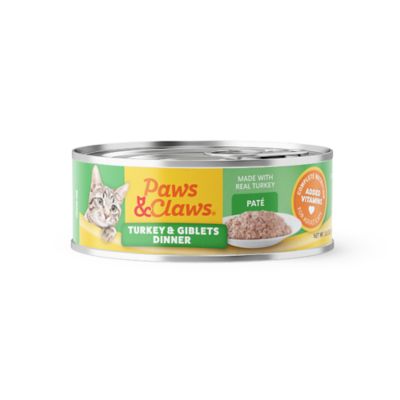
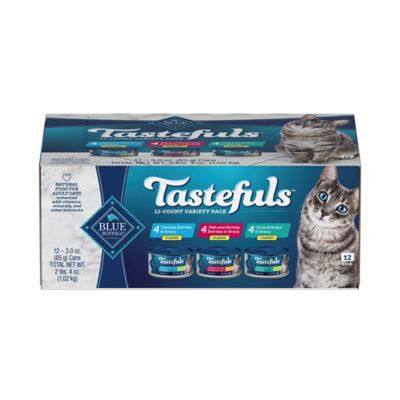
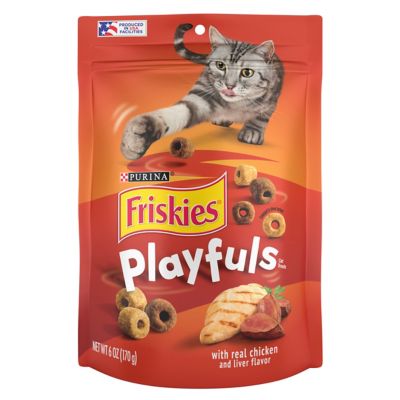
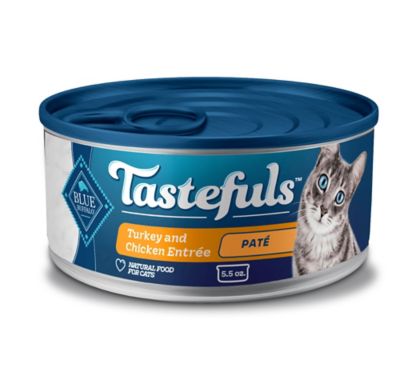
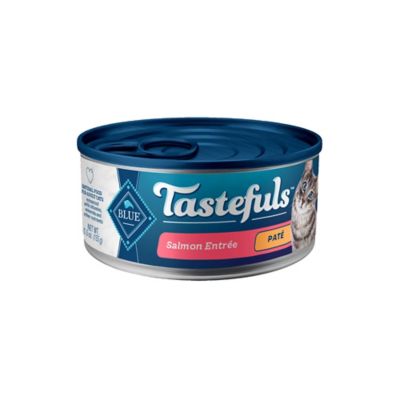
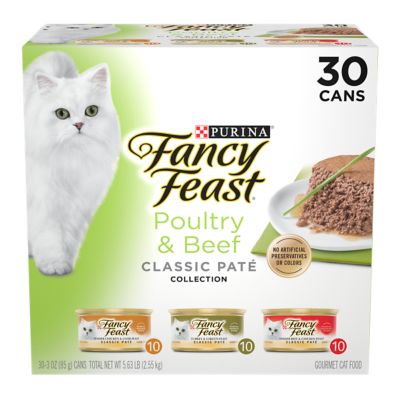
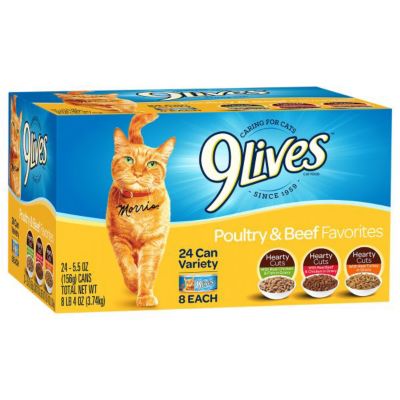
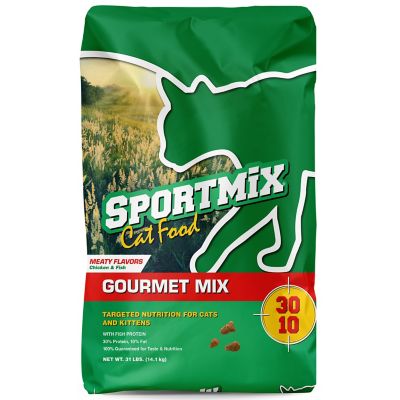
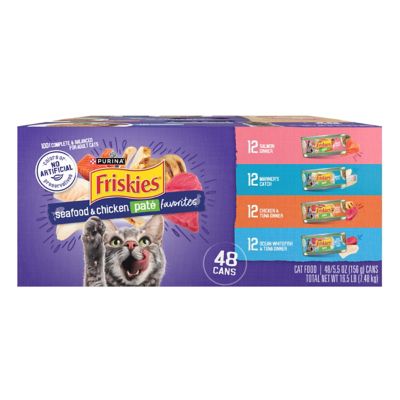
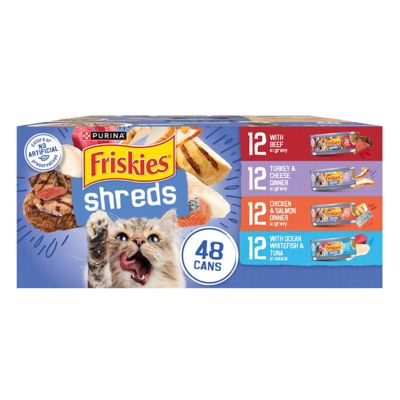
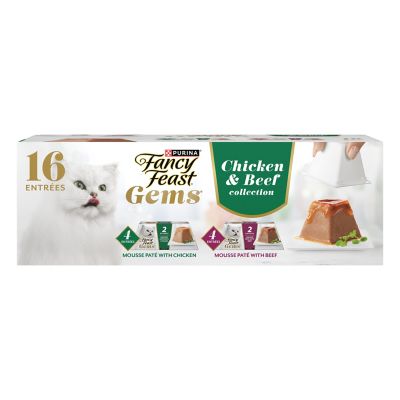
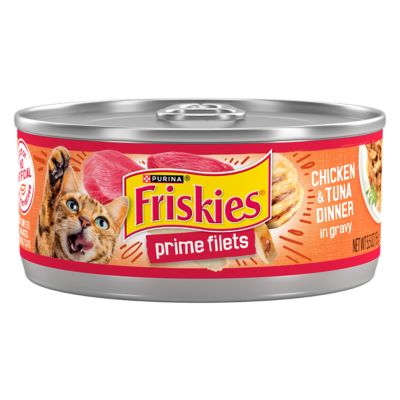
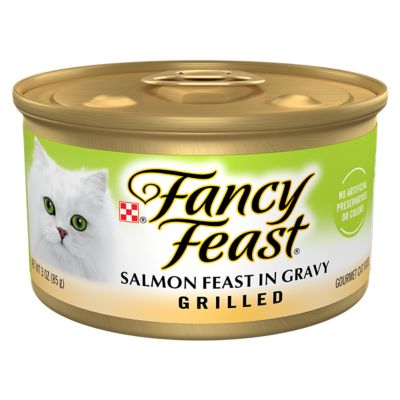
Cat food with liver can be a tasty choice for cats that turn up their noses at an ordinary bowl. Liver has a rich, meaty smell and a savory flavor that many cats find hard to pass up, which makes it a useful ingredient in wet food recipes for picky eaters, older cats with changing appetites or newly adopted cats settling into a different routine. You’ll find liver included in paté, minced, sliced and gravy-style foods, so the right option may depend as much on texture as on flavor. Some cats like a smooth meal they can lap up, while others prefer tender pieces coated in gravy. Wet food also adds moisture to the daily menu, which can be helpful for cats that do not visit the water bowl often. When shopping, look for a food labeled complete and balanced for your cat’s life stage, whether that is kitten, adult or senior. A recipe made with liver as one ingredient can provide important nutrients, including vitamin A, iron and vitamin B12, while the rest of the formula supplies the protein, fat, vitamins and minerals a cat needs for a dependable everyday diet. The ingredient list can help you compare recipes, but the nutritional adequacy statement is especially important because plain liver or homemade mixtures are not designed to meet all of a cat’s dietary needs. A can or pouch that smells especially appealing may work well as a topper over dry food, a meal for a finicky cat or a way to make a familiar recipe more inviting during a change in household routine. Cats can be particular about small details, too; one may happily eat food straight from the bowl, while another prefers it warmed slightly to room temperature. If you warm wet food, use gentle heat and stir it well before serving so there are no hot spots.
The biggest consideration with cat food containing liver is balance. Liver is nutritious, but it should not replace a complete cat food unless a veterinarian has provided a carefully prepared feeding plan. Feeding large amounts of plain liver over time can provide excessive vitamin A and may contribute to health problems, so liver treats and unbalanced liver-only foods are best kept occasional and offered in small portions. Commercial cat food with liver is formulated differently: liver is combined with other meats or proteins, fats, fiber, vitamins and minerals to create a meal intended for regular feeding. Follow the package feeding directions as a starting point, then adjust with your veterinarian based on your cat’s age, size, activity level and body condition. A barn cat that spends its days prowling around sheds may have different energy needs than a quiet indoor cat curled up by the woodstove, but both still need measured portions and fresh water. Introduce a new food gradually over several days by mixing a little of the new recipe with the old one, increasing the new food as your cat accepts it. This can help avoid an upset stomach and gives you time to notice changes in appetite, stool, energy or skin. Keep opened wet food covered and refrigerated, and discard leftovers that have sat in the bowl for too long, especially in a warm room. If your cat has kidney disease, diabetes, food allergies, a history of urinary problems or another medical condition, check with a veterinarian before changing diets. Cats that suddenly stop eating, lose weight, vomit repeatedly or seem unusually tired also need prompt veterinary attention. For shoppers comparing nutritional support, you may also want to browse
Cat Food With Taurine, since taurine is an essential nutrient that cats must receive through their diet.
Cat food with liver fits a range of households and can be a thoughtful practical gift for a cat owner, a friend caring for a new kitten or a neighbor helping an older cat keep a steady eating routine. It can also be a useful donation for an animal shelter or rescue, where familiar wet food flavors may help nervous cats eat while they adjust to kennel life. If you are putting together a care package, pair the food with a scoop, storage lid or a few simple feeding supplies rather than buying a large quantity before you know the cat’s preferences. Taste and texture can change with age, and a cat that loved a chunky recipe as a youngster may favor smooth paté later on. During the cooler months, some cats eat more readily when food is served in a calm spot away from drafts, barking dogs and busy walkways. Outdoor and indoor-outdoor cats may appreciate a consistent feeding schedule, but food should be offered in a safe, sheltered area that does not attract wildlife or leave leftovers exposed. Read the label for serving size, calorie content, life-stage information and storage instructions, and choose package sizes that match how quickly your household goes through wet food. Smaller containers can be handy for one-cat homes, while multipacks may make sense for several cats or regular shelter donations. A simple routine goes a long way: serve a measured portion in a clean dish, provide fresh water, refrigerate what remains and watch your cat’s body condition over time. With a complete and balanced formula, a flavor your cat enjoys and portions suited to its needs, liver can be part of a satisfying everyday feeding plan rather than a special ingredient reserved for rare occasions.