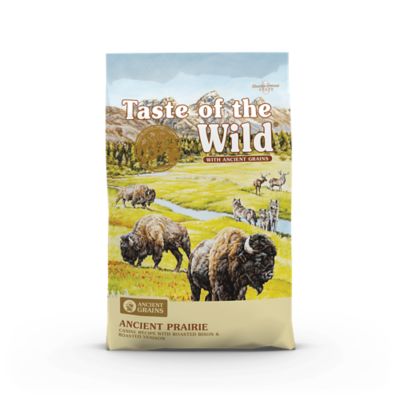
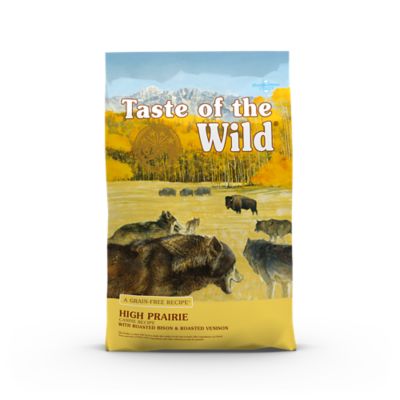
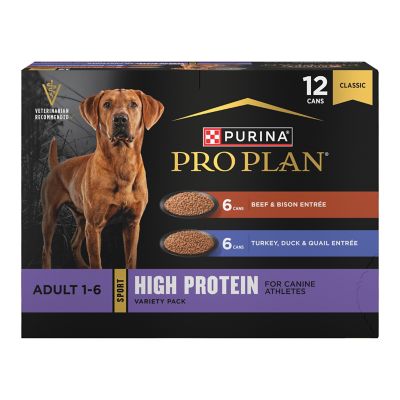
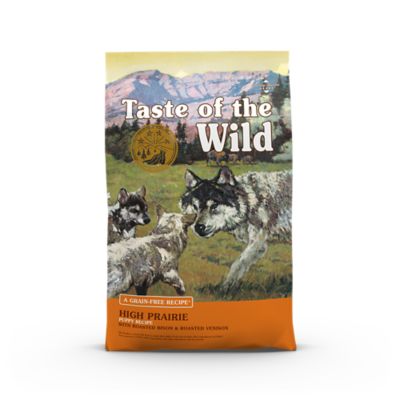
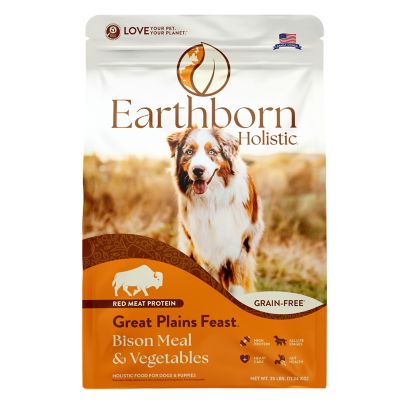
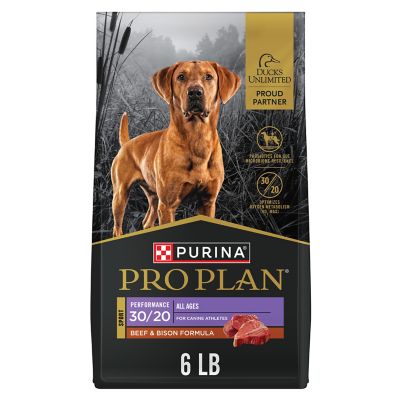
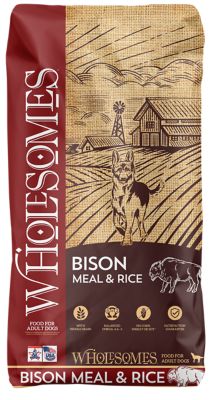
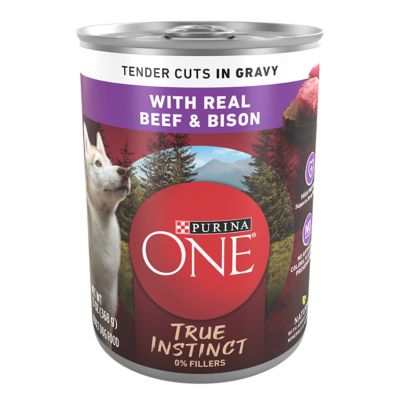
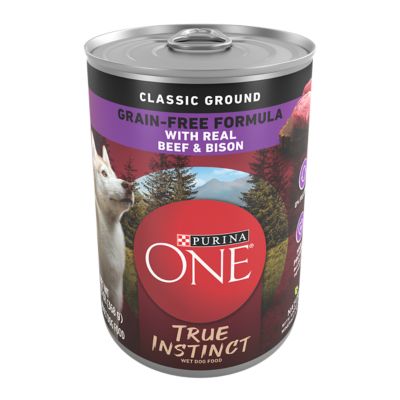
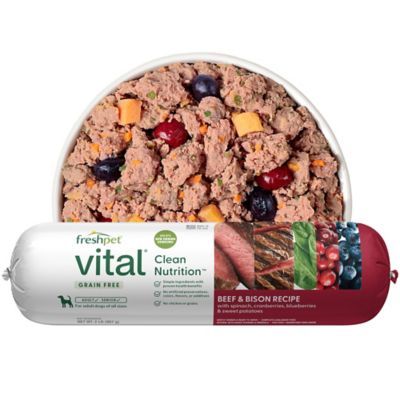
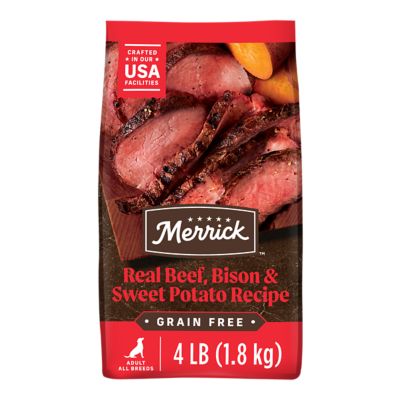
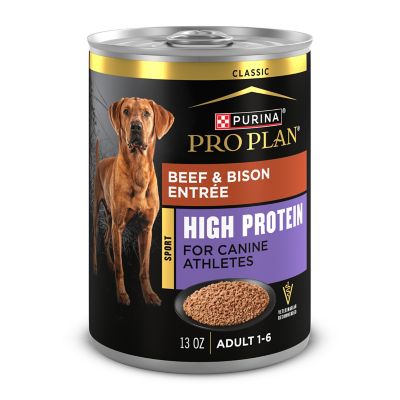
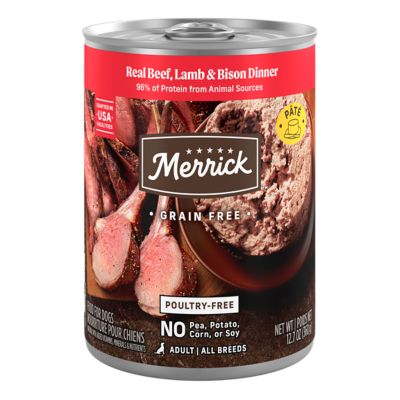
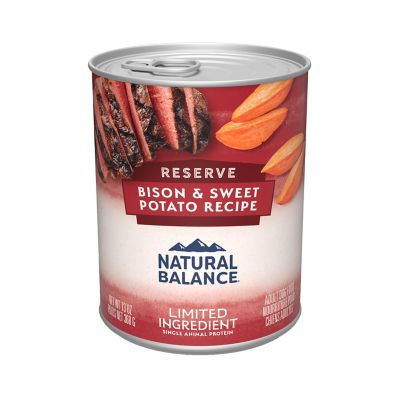
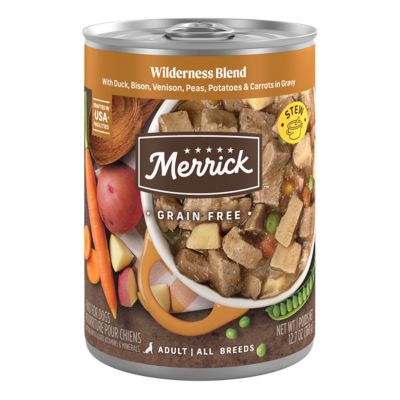
Dog food with bison features bison as an animal protein source, giving pet owners another option for a dog’s everyday meals. Bison meat supplies protein with essential amino acids that support muscle maintenance and normal body functions, along with nutrients such as iron, zinc, and B vitamins. The finished recipe matters more than the meat name alone, though. A bison formula may combine several animal proteins, grains or other carbohydrate sources, fats, vitamins, and minerals to meet a dog’s nutritional needs. Some recipes feature bison prominently, while others include it alongside beef, chicken, fish, or other meats. Ingredient lists show ingredients in order by weight before processing, so they offer a useful look at the recipe without telling the whole nutritional story. Fresh meat contains water, which affects its position on that list, and the guaranteed analysis provides additional information about protein, fat, fiber, and moisture. Although bison meat can be lean, dog food with bison is not automatically low in fat or calories; added fats and the overall formulation determine what goes into each serving. For daily feeding, the nutritional adequacy statement is especially important. Food labeled complete and balanced for the appropriate life stage is intended to provide a full diet, while food labeled for intermittent or supplemental feeding is not meant to serve as the only source of nutrition. Puppies, adult dogs, and pregnant or nursing dogs have different needs, and large-breed puppies need food suitable for their growth. An adult farm dog that spends hours moving between the barn and pasture may need a different calorie intake than a house companion whose biggest outing is a stroll down the lane. Bison can be part of either dog’s diet when the complete formula, serving size, and life-stage suitability line up with that dog’s needs. There is no single protein percentage or feeding amount that suits every dog.
For dogs that enjoy a meaty meal, bison offers another flavor to consider, but a different protein does not automatically make a food better for digestion or skin comfort. Bison is sometimes described as a novel protein, meaning a protein a particular dog has not eaten before. That description depends on the dog’s own feeding history, including treats, chews, table scraps, and previous foods. A dog that has already eaten bison regularly would not be getting a new protein simply because the bag looks different. Bison also is not automatically a suitable choice for a dog with a beef allergy, since these closely related animals can share proteins that trigger a reaction. Itching, recurring ear trouble, vomiting, or loose stools can have several causes, so those signs deserve a conversation with a veterinarian rather than repeated food changes. When a food allergy is suspected, a veterinarian may recommend a controlled elimination diet; an ordinary bison recipe with several protein sources is not a substitute for that process. For everyday recipe comparisons without a diagnosed restriction,
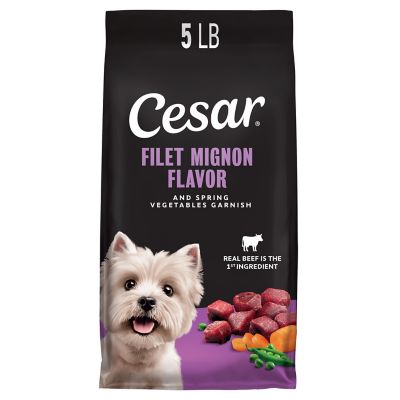
Dog Food With Real Beef offers a related category to consider alongside bison-based meals. Either way, the full ingredient panel deserves attention. A food named for bison may still contain another meat, broth, egg, or dairy ingredient, and flavor wording alone does not establish a single-protein recipe. Grain-inclusive and grain-free formulas also call for the same close look at nutritional suitability. Grains are not automatically a problem for dogs, and removing them does not guarantee a better match. Rice, oats, and other carbohydrate ingredients can provide energy, while fiber sources help support normal stool consistency. Fat contributes energy and essential fatty acids. For a dog with a medical condition, dietary requirements may involve several nutrients at once, making veterinary input more useful than choosing by the featured meat alone.
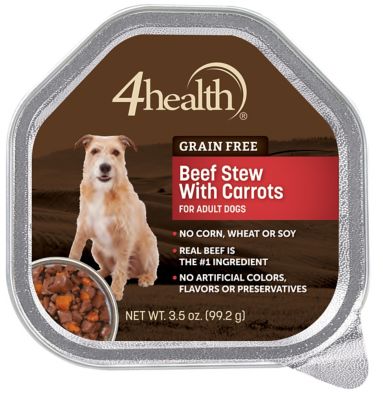
Texture, portion size, and everyday handling help determine how well a bison dog food fits the household routine. Dry kibble is straightforward to measure and serve, while wet food adds moisture and a softer texture that some dogs prefer. Kibble size and shape can affect how comfortably a small dog or a dog with dental trouble manages a meal, although trouble chewing warrants a veterinary check rather than a texture change alone. Wet and dry foods have different moisture levels, so their protein and fat percentages cannot be compared directly without accounting for that difference. Calorie information is also worth checking when changing foods or combining formats: a scoop of one recipe may supply considerably more energy than the same scoop of another. Package feeding directions provide a starting point, with adjustments based on body condition, activity, age, and veterinary advice. Treats and meal toppers count toward the daily total, too, including those little rewards handed out after a good recall across the yard. A gradual transition over about a week, or longer for a dog with a sensitive stomach, generally gives the digestive system time to adjust. Mixing increasing amounts of the new food with the familiar food can make that change easier, while appetite, stool consistency, and overall comfort help show how the dog is doing. Fresh drinking water should stay within reach whether meals are dry, wet, or a combination. Between feedings, dry food belongs in its original bag inside a clean, tightly closed container, away from moisture, direct sunlight, pests, and animal feed that could spill into it. Keeping the bag also preserves the lot information and feeding directions. Wet food needs handling and refrigeration according to the package after opening, and bowls should be washed regularly. Those practical details matter whether supper lands in a kitchen bowl or a feeding spot near the mudroom. The best fit is a complete diet the dog eats comfortably, digests well, and can enjoy as part of a steady feeding routine.