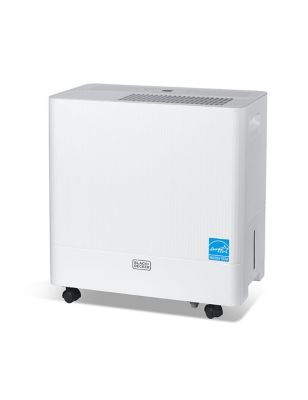
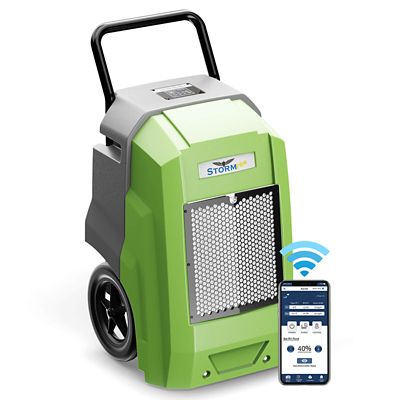
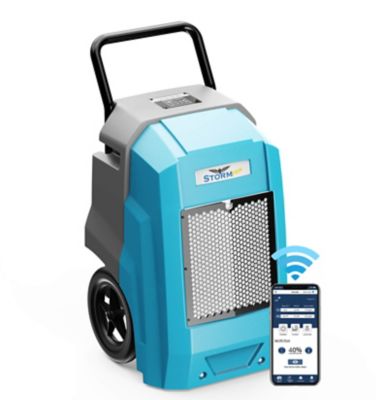
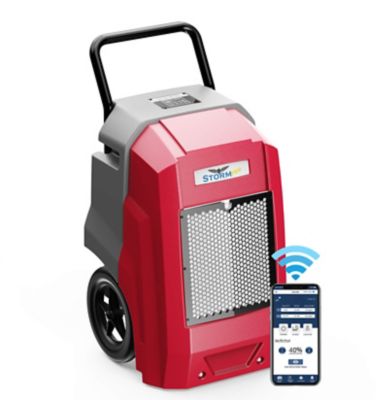
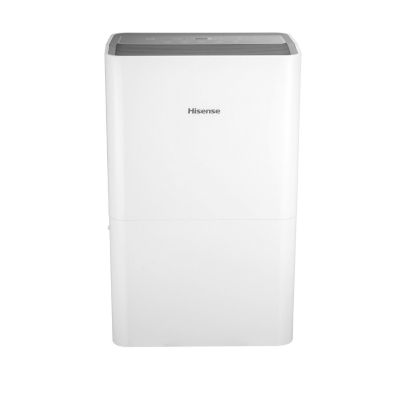
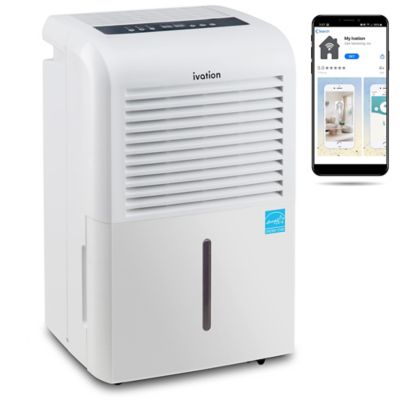
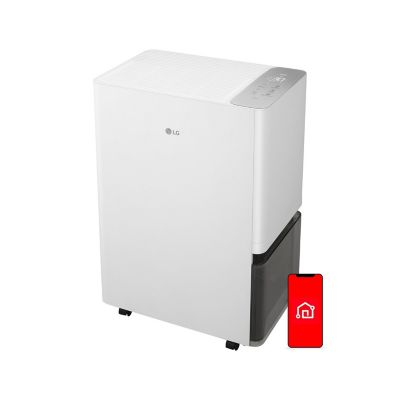
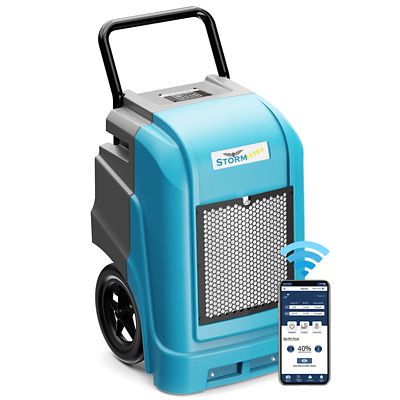
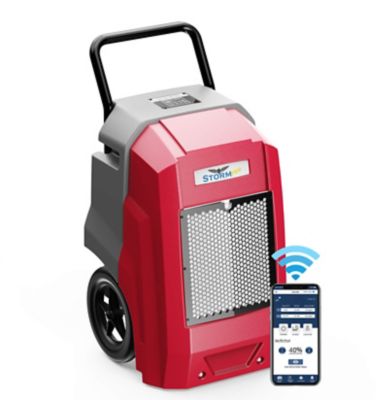
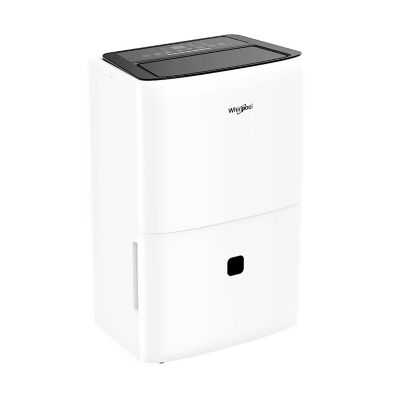
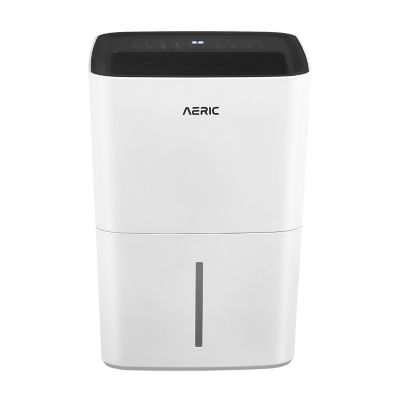
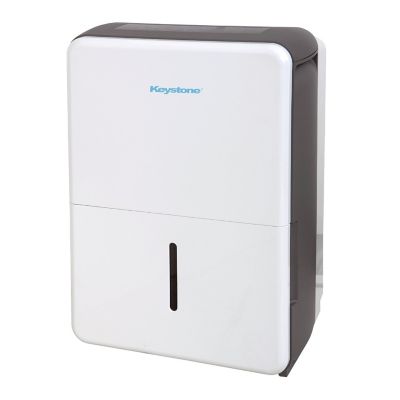
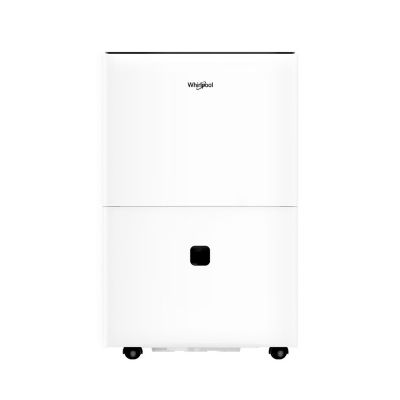
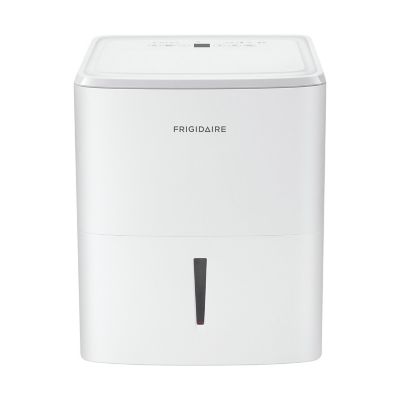
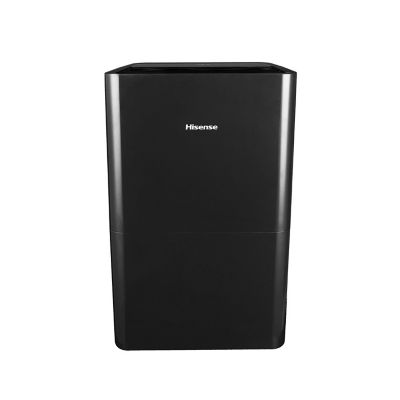
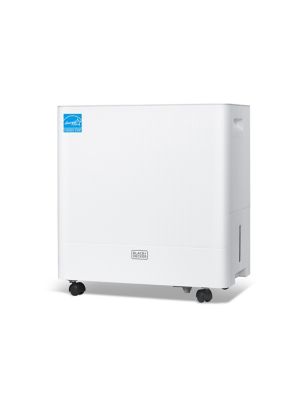
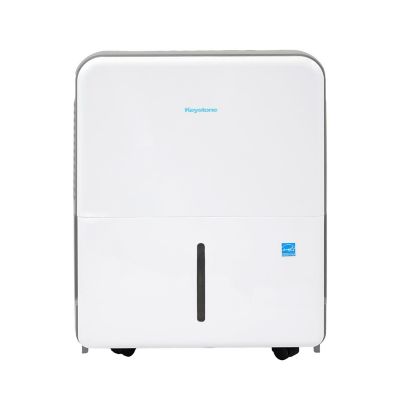
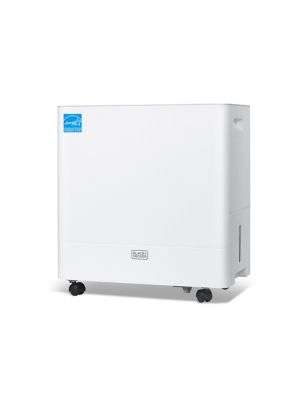
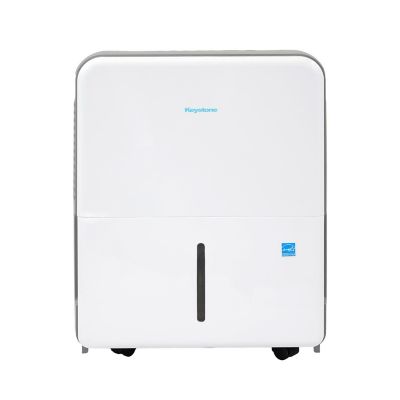
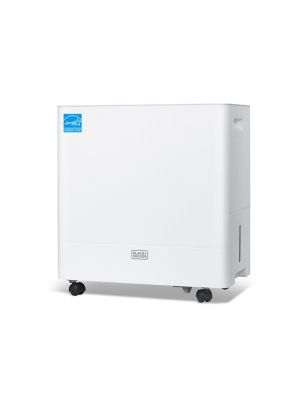
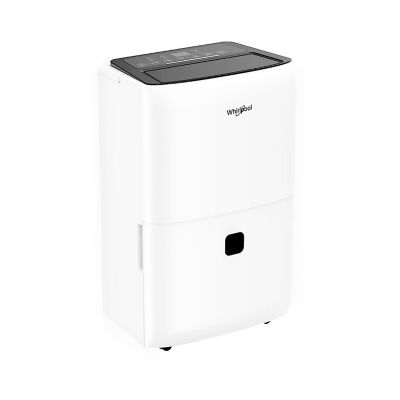
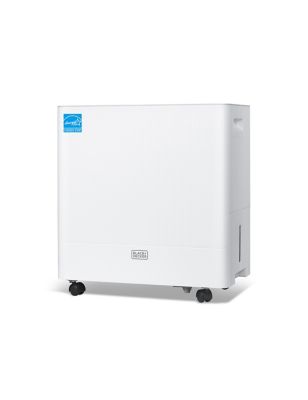
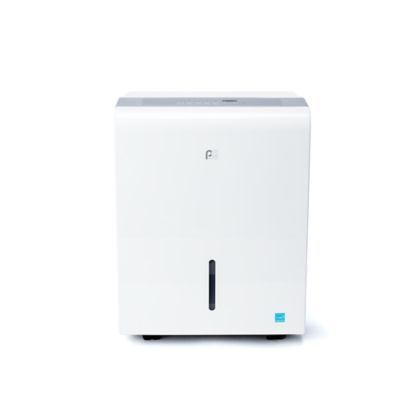
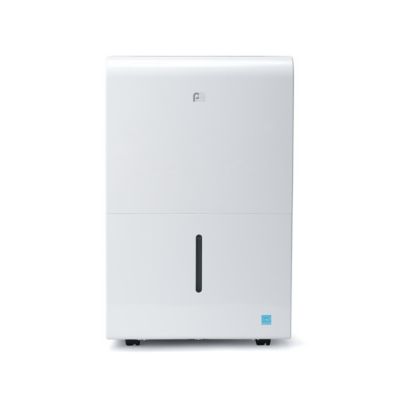
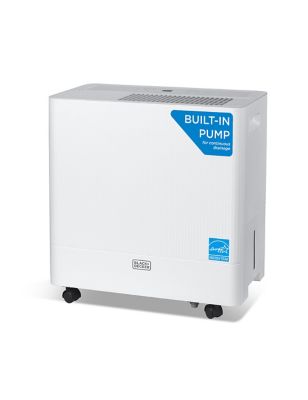
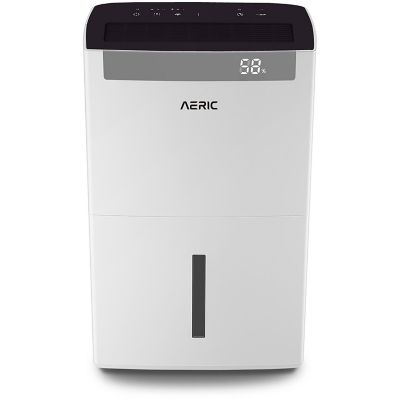
Dehumidifiers for large basements help control excess moisture across roomy downstairs spaces, from open concrete storage areas to finished family rooms with adjoining laundry rooms. The right fit depends on square footage, how damp the basement stays, whether walls divide the space, and where collected water can drain. Coverage ratings describe the area a unit is designed to serve, while pint capacity describes how much moisture it can remove in 24 hours under specified test conditions. Tank capacity is a separate measurement: it tells how much water the collection bucket holds before emptying is necessary. Keeping those measurements straight makes it easier to compare equipment for a broad basement footprint rather than judging by cabinet size alone. A sprawling unfinished basement with damp masonry has different demands than a finished recreation room with occasional moisture near the laundry area. Concrete floors, foundation walls, uncovered sump pits, and air moving between rooms can all influence the moisture load. High-capacity basement dehumidifiers offer more moisture-removal capacity, but a larger rating does not mean one unit will pull air freely through closed doors or around every corner. Open floor plans allow better circulation, while separate rooms may need their own moisture-control arrangement. An adjustable humidistat lets the unit respond to a selected humidity level instead of running without regard to conditions. A relative humidity range of about 30% to 50% is a common household target, with readings below 60% helping limit conditions that favor mold growth. A separate humidity monitor can show whether the far end of the basement stays noticeably damper than the area beside the machine. For homeowners with a downstairs workshop, exercise space, or shelves full of household supplies, that room-by-room picture matters as much as the number on the control panel. The goal is steady moisture control throughout the space, not simply a full bucket at the end of the day.
Water handling is a big part of how a large basement dehumidifier fits everyday life. Bucket collection works where a suitable drain is out of reach, and features such as a full-tank indicator and automatic shutoff help prevent the reservoir from overflowing. A larger bucket can mean fewer emptying trips, though a full container also weighs more and needs a clear path to a suitable sink or drain. An easy-grip handle, a well-shaped pour opening, and enough clearance to remove the tank can make that chore less awkward. Continuous drainage offers a different setup, allowing collected water to leave through a hose rather than stay in the bucket. Gravity drainage needs a downhill route to an appropriate drain, without raised sections or kinks that interrupt flow. Pump-equipped dehumidifiers can move condensate upward within their stated lift limits, which may suit a basement where the drainage point sits above floor level. Hose connections, pump lift ratings, hose length limits, and local drainage requirements all matter to that arrangement. Water should go to an approved destination, not onto the basement floor or back toward the foundation. The machine itself needs a firm, level spot with the intake and outlet clear of furniture, stacked totes, and hanging laundry. Manufacturer clearance requirements help determine whether a corner beside the utility sink or an open stretch along the wall will work. Access to a properly grounded outlet is another practical part of placement; extension cords and power strips are not a substitute for the electrical connection specified in the manual. Construction details matter, too. Molded outer housings can be wiped down, while protected internal components and corrosion-resistant finishes, where specified, suit equipment working around damp air. Accessible filters simplify routine care, especially near a shop area where airborne dust can collect. Washable filters need cleaning and thorough drying according to the manufacturer's directions, and the bucket and drain path need regular attention so residue does not build up.
Large basement dehumidifiers serve spaces that often do several jobs at once. One end may hold a freezer and pantry shelving, while the other has a workbench, spare chairs, and boxes of family keepsakes. Lowering excess humidity can help reduce the damp conditions that contribute to rust on tools, swelling in wood, and musty smells in stored fabrics, though moisture-sensitive belongings still benefit from suitable storage containers and space away from damp walls. In a finished basement, sound level and fan settings deserve attention when the machine shares space with a television, guest bed, or home office. A lower fan setting may be less noticeable, while a higher setting can move more air; the published specifications explain how a particular design operates. Casters and carrying handles help with repositioning on a smooth floor, but stairs, thresholds, and the weight of the machine still affect handling. Compact floor dimensions can leave more room around shelving, while a taller cabinet may put controls within easier reach. Clear displays, filter reminders, and automatic restart functions can make routine operation simpler, depending on the equipment's features. Energy consumption also matters for an appliance that may run for long stretches, so efficiency figures are most useful when compared under the same rating standard. Dehumidification belongs alongside sound building maintenance, not in place of it. Plumbing leaks, standing water, foundation seepage, and moisture entering around basement openings need attention at the source; a dehumidifier does not repair those problems or remove existing mold. For a separate tool-storage area or work bay,
Garage Dehumidifiers extend the moisture-control options beyond the downstairs space. In the basement, a sensible combination of moisture-removal capacity, room coverage, drainage, and service access helps the equipment fit the way the household actually uses the space, whether that means keeping a workbench ready for the next repair or making a finished room feel less clammy.