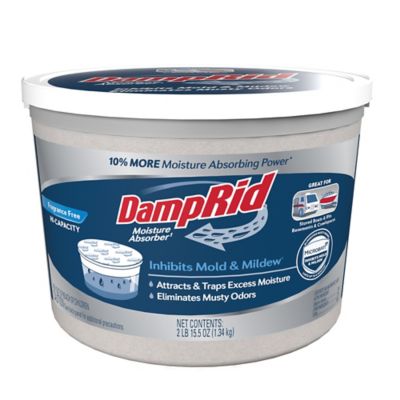
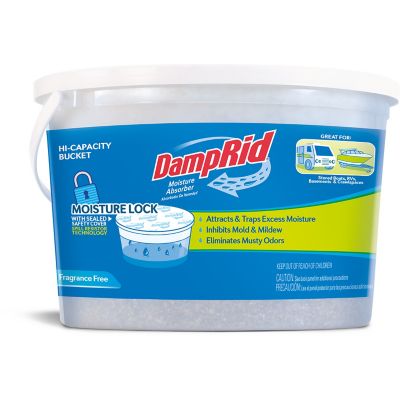
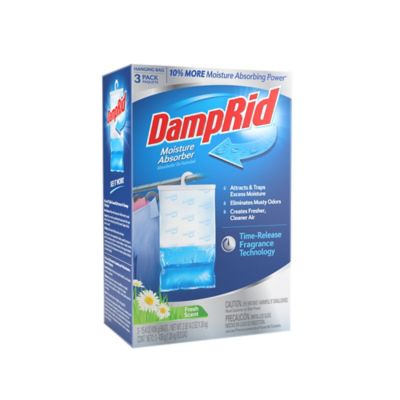
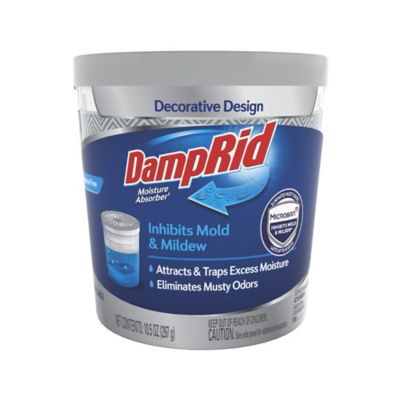
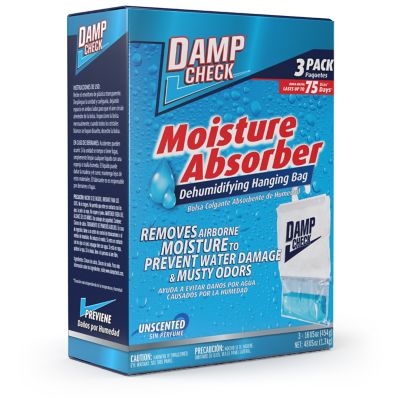
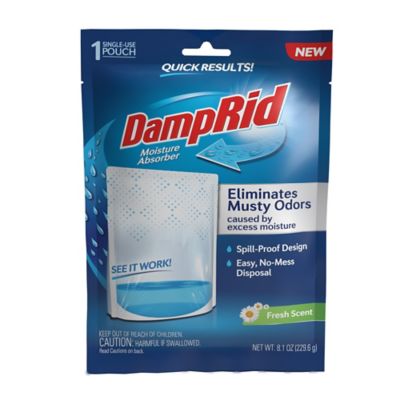
Non-electric moisture absorbers for basements offer a simple way to collect excess moisture in smaller, enclosed spaces without an outlet, a fan or a running motor. They make sense for the basement closet that holds work coats, the storage nook beneath the stairs or the enclosed area where camping gear waits between trips. Rather than drawing room air through a powered machine, these absorbers rely on materials that attract and hold water vapor from the surrounding air. Calcium chloride is a common moisture-collecting ingredient; as it takes in moisture, it can dissolve into a salty liquid that gathers in a lower reservoir. Other formats contain absorbent materials that hold moisture within a packet or container, so the way each absorber works matters when comparing options. Freestanding tubs, hanging bags and enclosed canisters each suit different spaces, with the package design determining how they sit, hang or contain the collected moisture. A tub needs a level shelf or floor space where it will stay upright, while a hanging format needs enough clearance and a support that can handle its weight as liquid collects. For a homeowner managing a basement pantry, a renter with a downstairs storage closet or someone keeping household supplies beside the laundry area, that small footprint can be handy. There is no cord to route around shelving and no operating noise near a downstairs living space. The trade-off is scale: passive absorbers generally work slowly and are better suited to localized moisture control than to drying an entire open basement. They can help manage dampness around stored belongings, but they do not repair seepage, stop a plumbing leak or remove standing water. A cardboard box with soft corners or a musty-smelling closet deserves a closer look at the moisture source, not just another absorber nearby. Keeping that distinction in mind helps match these products to the everyday jobs they are built to handle.
Container construction and placement make a real difference in how well a moisture absorber fits basement life. A broad base is helpful on shelving that gets bumped when totes come in and out, and a clearly visible reservoir makes it easier to see when collected liquid is nearing the fill line. Plastic housings are common because they are light and can contain the absorbent material and liquid, though the lid, seams and collection chamber all need to remain intact. A vented top or moisture-permeable cover allows water vapor to reach the absorbent material; covering those openings or crowding the container behind tightly packed belongings can limit that exposure. Hanging bags offer another layout for closets and other confined spaces, but they still need room around them and clearance from clothing, boxes and surfaces that could be harmed by a leak. Package dimensions deserve as much attention as the amount of absorbent material inside. A container that barely squeezes beneath a shelf may be awkward to remove once its reservoir is full. Coverage claims also need context, since an enclosed closet and an open basement do not exchange air in the same way. Moisture entering the space, how often a door opens and the size of the area all affect how quickly an absorber fills. Service life is not a fixed promise, even when a package gives an estimated duration. Refillable designs can keep the outer housing in service through multiple changes, while disposable formats keep replacement straightforward when the absorbent material is spent or the collection chamber reaches its limit. Fragrance-free options may be a better match near linens, clothing or supplies where an added scent would be unwelcome. Scented versions add fragrance, but a pleasant smell does not establish that a dampness problem has been resolved. Likewise, odor-absorbing materials and moisture-absorbing materials are not always interchangeable. The label should identify the intended job, the recommended space and any limits on placement.
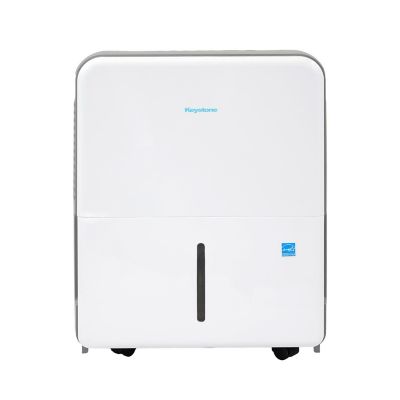
Routine care is mostly about checking the absorber before it overfills and keeping its contents away from people, animals and belongings. Collected liquid is not plain water; calcium chloride solutions can irritate skin and eyes and may damage metal, finishes or fabrics if spilled. A stable spot away from foot traffic, pet bowls, children’s play areas and stored food helps reduce the chance of a knock or splash. In a basement that doubles as a laundry room, workshop or family storage area, that matters more than simply tucking the container out of sight. Any secondary tray should leave the absorber’s air openings clear and should not replace the placement directions on the label. Refill handling, spill cleanup and disposal vary by material and package, so those directions belong with the container rather than getting tossed with the outer wrapping. Materials described as reusable or rechargeable also need their own care instructions; not every packet can be dried and returned to service, and an improvised drying method can damage its casing. For a better sense of what the space needs, a separate humidity meter can show whether basement moisture remains elevated even while an absorber is collecting liquid. A filling reservoir shows that moisture has been captured, but it does not prove the whole room has reached a suitable humidity level. This is especially important around papers, leather goods, tools and other belongings that can suffer in a persistently damp space. Shelving that keeps possessions off a concrete floor and spacing that allows air to move around stored goods can support a broader moisture-management setup. When dampness extends across several connected rooms, returns quickly or affects an open basement, the capacity and airflow of a powered unit may be a better match;
Dehumidifiers for Large Basements covers that larger-space category. Non-electric absorbers still have a practical place where the job is smaller: catching moisture inside a closet, helping maintain an enclosed storage area or adding localized moisture collection alongside other measures. Matching the format, collection capacity and care requirements to that space keeps expectations grounded and makes ongoing upkeep easier to manage.