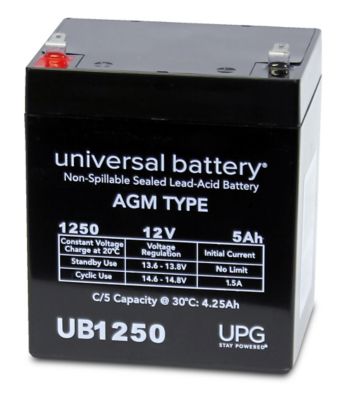
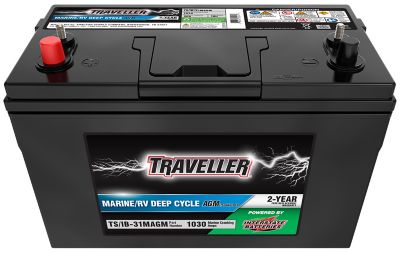
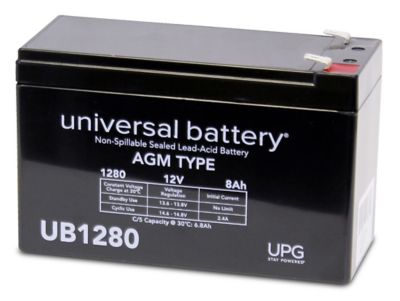
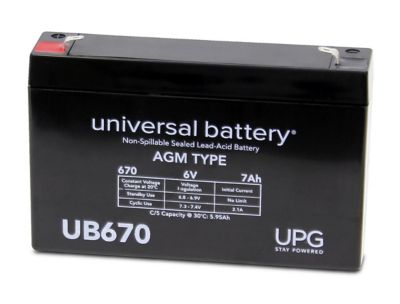
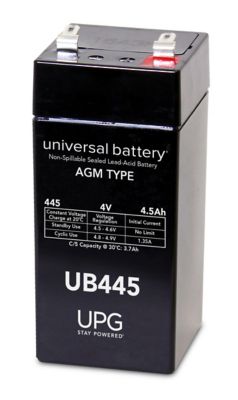
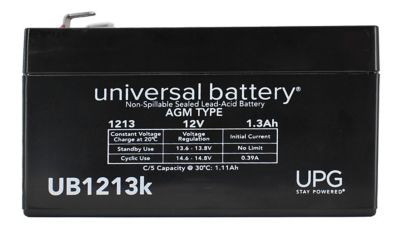
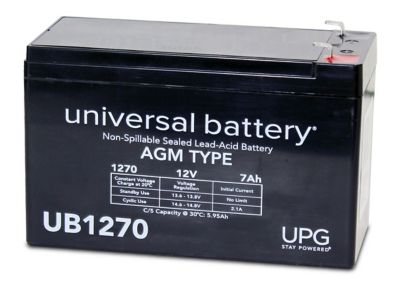
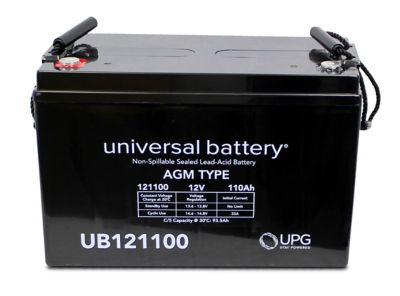
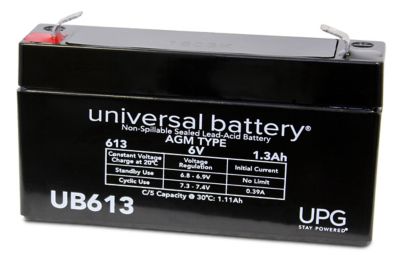
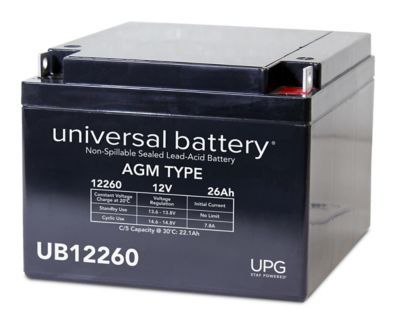
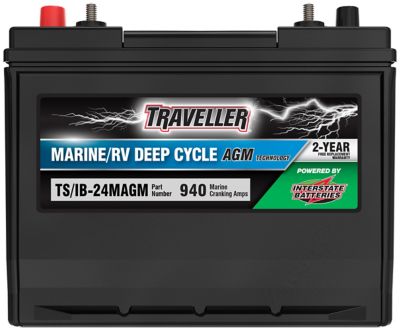
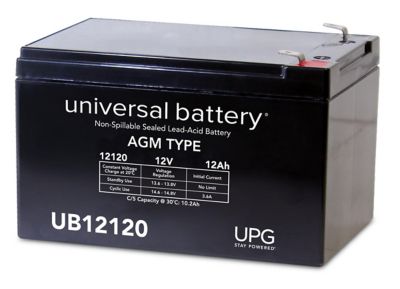
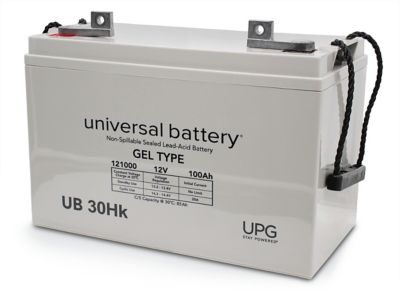
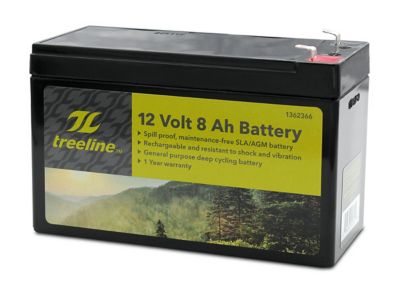
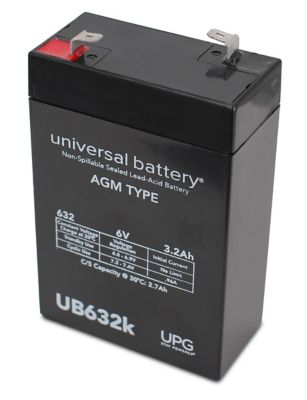
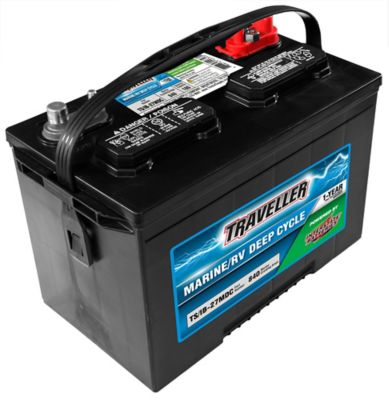
Deep cycle AGM batteries supply power for the long haul, whether that means running a trolling motor along a quiet shoreline, keeping lights on in a camper, or supporting compatible equipment around a farm. Unlike a starting battery, which delivers a short burst of power to crank an engine, a deep cycle battery is built for sustained discharge followed by recharging. That difference matters when a battery needs to carry a load for hours rather than seconds. AGM stands for absorbed glass mat, a lead-acid design with electrolyte held in fiberglass mats between the plates. The mats help keep the electrolyte in place and support the internal components, making this construction a practical choice for applications that involve movement or vibration. There is no routine water topping, which can simplify upkeep when the battery sits in a boat compartment, an RV battery tray, or another spot that takes some effort to reach. Still, a sealed case does not mean every mounting position or installation is acceptable. Manufacturer requirements for orientation, ventilation, and secure mounting remain important, especially in occupied spaces. These batteries suit plenty of folks who depend on stored power away from an outlet, including anglers, campers, property owners, and people setting up compatible backup or off-grid systems. Some applications call for repeated cycling, while others keep a battery charged and ready for an occasional outage. The right choice depends on whether the battery is rated for that kind of duty. Deep cycle construction also does not make a battery immune to wear: repeated full discharge can shorten service life. A battery with enough capacity to handle the expected workload without routinely reaching its discharge limit gives the setup more breathing room. For a fishing boat carrying tackle and passengers or a camper powering lights after supper, that capacity helps keep the focus on the trip instead of the battery gauge.
Choosing among deep cycle AGM batteries starts with the equipment’s electrical requirements and the space set aside for the battery. Voltage needs to match the system, while case dimensions, terminal position, terminal style, and hold-down arrangement need to match the installation. A battery group designation helps narrow the search, but checking the actual measurements keeps a taller case or differently placed terminal from causing trouble under a lid. Cable reach matters, too; connections should fit without stretching a lead across the battery or putting strain on a terminal. Capacity ratings help explain how much work a battery can handle, though the numbers need context. Amp-hour capacity is measured at a stated discharge rate, so comparing ratings measured under the same conditions gives a clearer picture. A higher current draw can reduce the capacity a lead-acid battery delivers, meaning a trolling motor running hard may drain a battery sooner than a simple calculation suggests. Reserve capacity offers another way to compare performance under a defined test load. Neither rating replaces the equipment maker’s requirements or a realistic look at the connected loads. A camper with a few lights has different demands from a setup powering an inverter, and an inverter draws additional energy as it converts battery power to household-style electricity. Motors and pumps may also require a brief surge beyond their running load. Those details make it worth considering both the amount of energy needed and how quickly the equipment draws it. For battery banks, matching batteries by type, capacity, age, and condition helps them work together more evenly. Series and parallel connections change system voltage or capacity in different ways, so the arrangement must suit the equipment and charging system. Larger batteries also add weight. A sturdy tray, proper restraints, protected terminals, and sensible access for inspection are part of a sound setup, whether the battery rides beneath a seat or stays beside a compatible backup system.
Care for a deep cycle AGM battery centers on correct charging, clean connections, and avoiding unnecessary discharge. An AGM-compatible charger with settings that match the battery’s specifications helps bring the charge back without pushing the battery beyond its limits. A charger intended for another battery chemistry may follow a different charging profile, and high-voltage equalization or reconditioning modes should stay off unless the battery manufacturer specifically permits them. Recharging promptly after a day on the water or a stretch of equipment use helps limit the damage that can develop when lead-acid batteries remain partly discharged. Long stretches without operation still call for attention, since connected electronics can keep drawing power even when the main equipment appears to be off. A compatible maintenance charger may suit some installations, while others call for disconnecting loads and checking the charge at the intervals listed by the manufacturer. The case and terminals deserve a look during routine equipment checks. Dirt, loose hardware, damaged cables, swelling, or signs of leakage are reasons to address the installation before putting the battery back to work. Metal tools and loose hardware should stay clear of exposed terminals because a short circuit can produce intense heat and sparks. AGM batteries can release gas under certain conditions, so ventilation and protection from ignition sources remain necessary despite the sealed construction. They are also heavy and contain lead and acid, making careful lifting and battery recycling important parts of ownership. For equipment that mainly needs engine-starting power,
AGM ATV Batteries belong to a different application category; AGM describes the construction, not a guarantee that batteries can trade places between an ATV and a deep cycle setup. Matching the battery to the job, then keeping the charging and connections in good shape, supports longer service life. From a boat launch before a fishing trip to a camper parked beyond the nearest hookup, a well-matched battery gives everyday equipment the stored power it needs without adding water checks to the chore list.