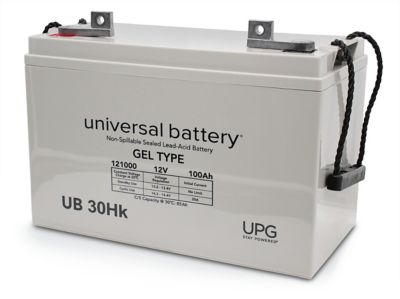
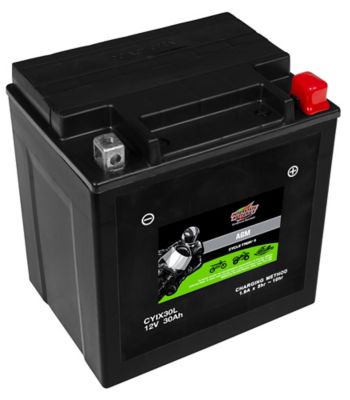
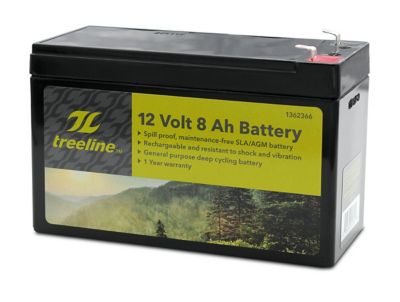
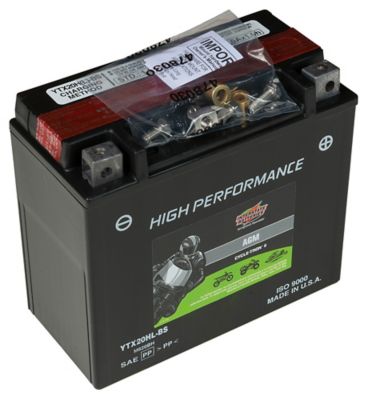
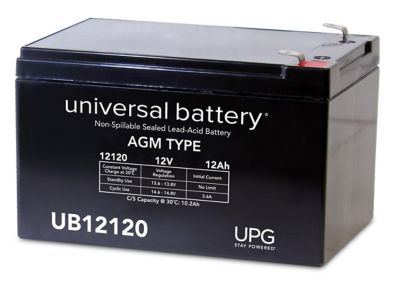
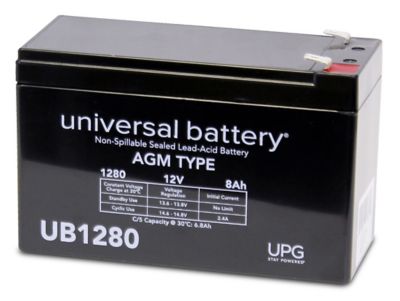
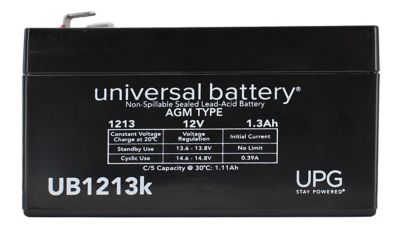
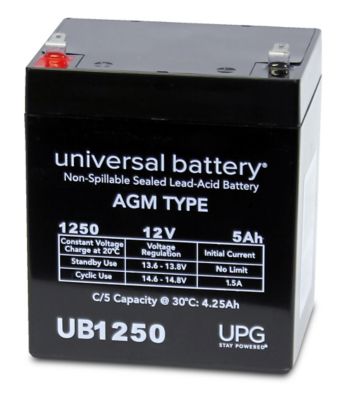
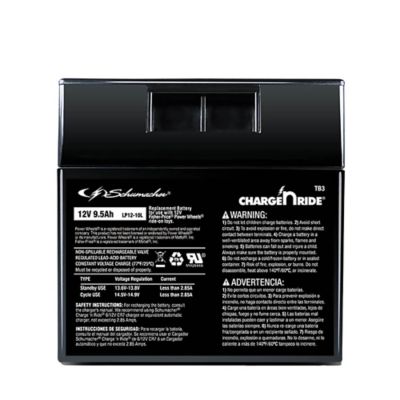
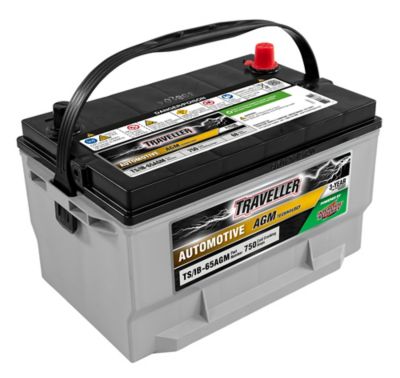
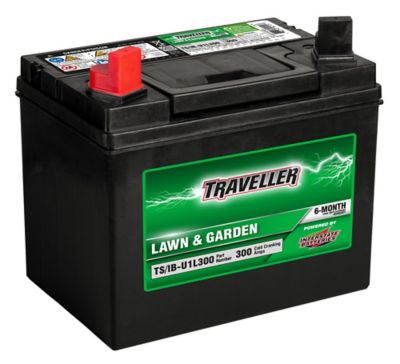
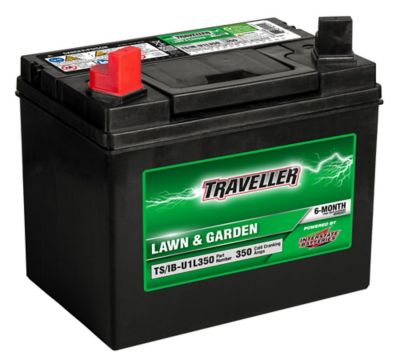
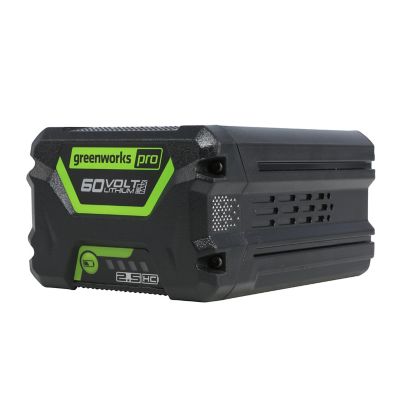
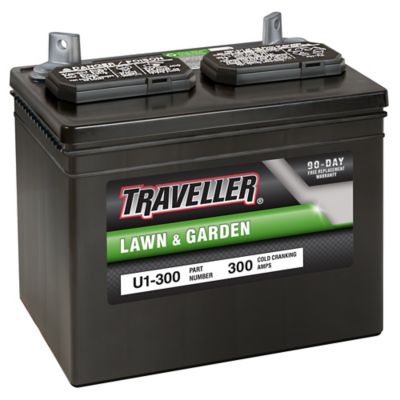
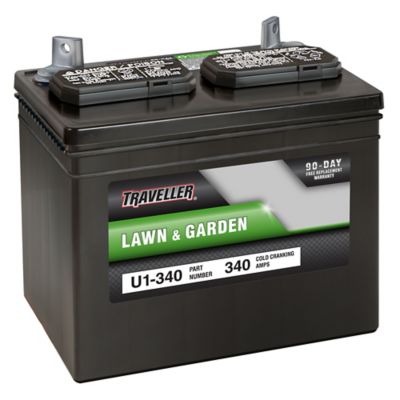
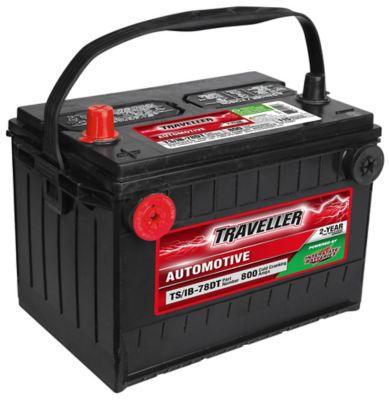
12V AGM batteries are sealed lead-acid batteries built for dependable power in vehicles, equipment, and backup systems. AGM stands for Absorbent Glass Mat, which means the battery’s electrolyte is held in tightly packed fiberglass mats instead of sloshing freely inside the case. This construction makes a 12V AGM battery spill-resistant, low-maintenance, and well suited to places where vibration, bumps, or unusual mounting angles are part of the job. They are commonly used in cars, trucks, tractors, UTVs, boats, RVs, mobility equipment, solar setups, security systems, garage door openers, and uninterruptible power supplies. A 12-volt battery may look like a simple fit, but the right replacement still needs to match the equipment’s electrical requirements. Before buying, check the owner’s manual or the label on the existing battery for group size, physical dimensions, terminal location, polarity, and the recommended capacity. Group size helps confirm that the case will fit the battery tray, while terminal placement makes sure the cables reach without being stretched, twisted, or forced into contact with metal. For vehicle starting applications, cold-cranking amps (CCA) are especially important because they indicate how much starting power the battery can provide in colder conditions. Reserve capacity can also matter for vehicles and equipment running lights, radios, winches, pumps, or other accessories after the engine is off. For everyday automotive replacements, browse
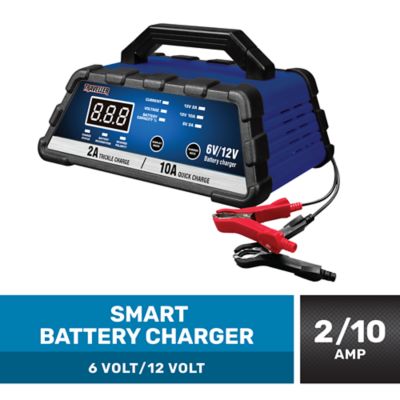
Car Batteries while comparing the specifications called for by your vehicle. AGM batteries generally handle vibration better than many conventional flooded batteries, accept a charge efficiently when paired with a compatible charging system, and tend to lose charge slowly during storage. Their sealed design means there is no water level to check or acid to top off, which is handy for hard-to-reach battery compartments and equipment that spends part of the year parked. “Maintenance-free” does not mean maintenance-free installation, though. Clean and tighten the connections, keep the battery secured in its tray, and make sure the charging system is working properly. A weak alternator, damaged cables, or an unsuitable charger can shorten the life of even a well-built battery.
The best 12V AGM battery depends on how the power will be used. Starting batteries are designed to deliver a strong burst of current for an engine, while deep-cycle batteries are made to provide steady power over a longer period and tolerate repeated discharge and recharge. A battery used to crank a pickup, tractor, or side-by-side may need a strong CCA rating and the exact factory-approved group size. A battery for an RV, marine trolling motor, electric gate, alarm panel, or small solar bank may be better matched by amp-hour capacity (Ah), which describes how much energy it can provide over time. Some systems use batteries in parallel to increase capacity, while others connect them in series to raise voltage; either setup requires batteries with matching specifications, similar age, and proper charging controls. AGM batteries are often a practical choice for rough country roads, equipment sheds, boats, and off-grid locations because their internal components are held firmly in place and the sealed case reduces the chance of spills during transport. They can also be useful for a family member setting up a hunting cabin, an RV owner preparing for a longer trip, or a neighbor replacing the battery in a backup sump-pump or security system. They are not a one-size-fits-all upgrade, and a vehicle or device designed for a flooded lead-acid battery may require an AGM-compatible charging profile. Follow the manufacturer’s instructions for charging voltage, storage, and installation, and never use a charger that is not suitable for AGM batteries. During the warmer season, heat can speed up battery wear, so shaded storage and clean, tight terminals are helpful. As the weather turns cooler, a fully charged battery is better prepared for sluggish engine oil and demanding starts. If equipment will sit unused through the cooler months, disconnecting unnecessary electrical loads and checking the charge periodically can help prevent deep discharge. Store batteries upright in a dry, ventilated area away from sparks and open flames, and use proper lifting technique since lead-acid batteries are heavy. Wear eye protection when working around battery connections, keep metal tools from bridging the terminals, and recycle old batteries through an approved collection location rather than putting them in household trash. With the correct size, capacity, terminal layout, and charging setup, a 12V AGM battery can provide steady, dependable service for work trucks, farm equipment, recreation vehicles, marine gear, and backup power applications.