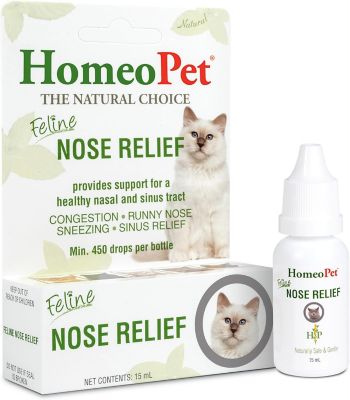
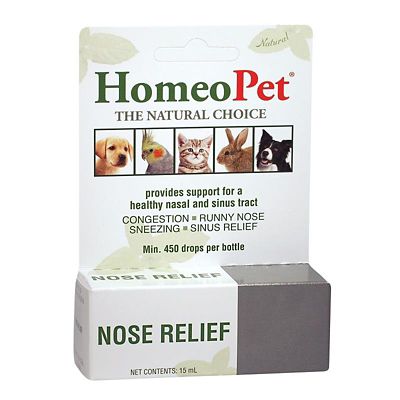
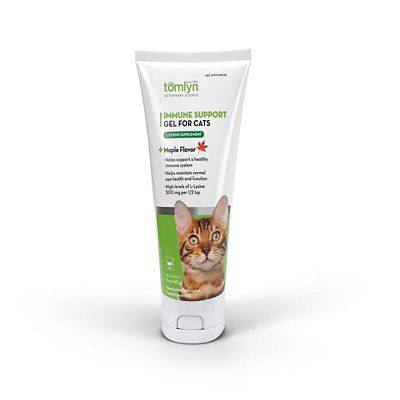
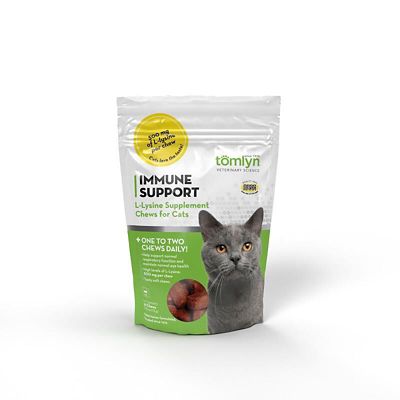
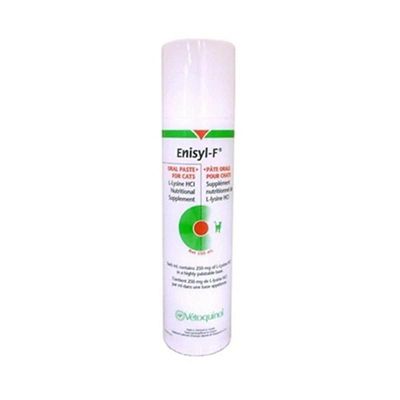
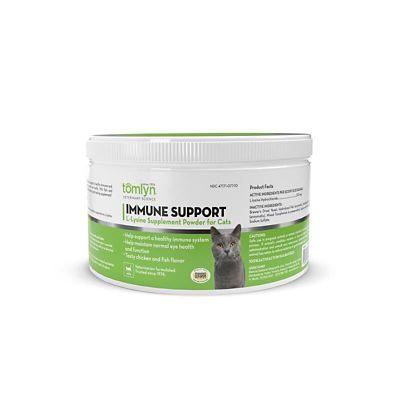
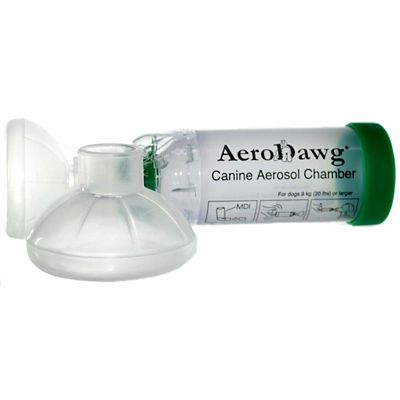
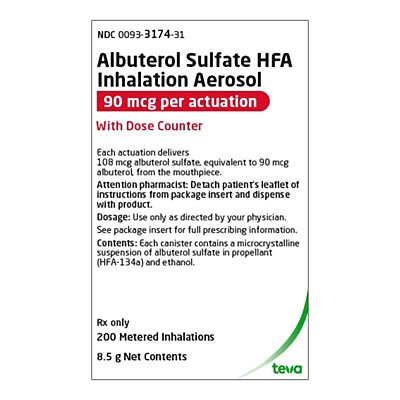
Shopping for a decongestant for cats starts with knowing that feline congestion is not the same as a stuffy nose in a person. There is no single over-the-counter decongestant that is right for every cat, and many human cold medicines contain ingredients that are toxic to cats. Never give a cat a human decongestant, cough-and-cold formula, or medicated nasal spray without direct veterinary supervision. Products in this category may include options intended for nasal comfort, respiratory support, or supportive care, but those purposes are not interchangeable. A product that helps clean discharge from around the nose does not treat an infection, and a supplement labeled for respiratory support is not a substitute for a diagnosis. Sneezing, snuffling, and nasal discharge can have several causes, including an upper respiratory infection, irritation from airborne particles, dental trouble, or a blockage. The right approach depends on what is behind the symptoms, along with the cat’s age, health history, and other medications. That matters whether the cat spends the day stretched across the couch or follows along during barn chores. A kitten with a crusty nose, an older cat whose breathing sounds different, and a cat with recurring sneezing may need very different care. When comparing cat congestion products, look beyond the front label to the intended species, active ingredients, purpose, and restrictions. Wording such as “natural” or “gentle” does not establish that an ingredient is safe for cats. Homeopathic preparations do not have good evidence showing that they treat feline respiratory infections or relieve congestion, and supplements should not take the place of veterinary treatment. Antibiotics are not a general answer to a stuffy nose, either; a veterinarian determines whether a bacterial infection is involved and whether medication is appropriate. A clear label and a conversation with the veterinarian are a better starting point than choosing something simply because it promises fast relief.
The practical details of cat nasal care products matter just as much as the claims on the package. Read the full ingredient list, directions, age limits, expiration date, and storage requirements before making a selection. Products intended for dogs, livestock, or people are not automatically suitable for cats, even when the packaging describes a similar concern. For a kitten, a pregnant or nursing cat, or a cat with heart disease or another ongoing condition, veterinary approval is especially important. If a veterinarian recommends saline for nasal care, confirm the exact formulation and application method; saline-only preparations are different from sprays containing a decongestant or other medication. Do not assume a bottle intended for eye care, contact lenses, or wound cleaning belongs in a cat’s nose. Format also affects how comfortably a care routine fits into the day. Clearly marked measuring tools can help prevent dosing mistakes when medication is prescribed, while secure closures and readable labels make storage more straightforward in a busy household. A liquid is not necessarily easier than another format for a cat that resists handling, and forcing liquid into the mouth can lead to choking or aspiration. Ask the veterinary team to demonstrate administration when needed. For external cleanup, soft, nonabrasive materials can help gently lift discharge from the fur around the nostrils without scrubbing tender skin. Nothing should be pushed into the nasal passages. Reusable care tools should tolerate cleaning according to their directions, with smooth surfaces that are easy to inspect for residue or damage. Keep bottle tips and applicators from touching the nose, eyes, or other surfaces whenever the directions call for avoiding contact. Store care supplies away from feed, household cleaners, and curious paws, and keep medications in their original containers. In a home with several cats, separate applicators and clearly identified supplies help limit mix-ups and contamination. These everyday considerations make a care setup easier to manage without putting extra stress on a cat that already feels under the weather.
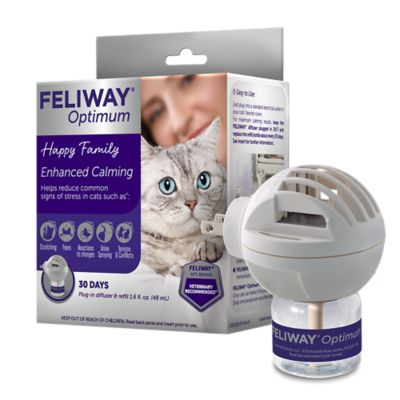
Supportive care belongs alongside the veterinarian’s treatment plan, not in place of it. A congested cat may have trouble smelling food, so a nose problem can show up first as an untouched bowl or a cat that walks away after a sniff. Keeping track of appetite, drinking, activity, and changes in breathing gives the veterinary team useful information. A quiet resting spot, clean bedding, and easy access to food, water, and the litter box can make daily care less demanding. For households managing dust from litter, hay, or tracked-in dirt, reducing airborne irritants is a sensible part of the setup. Fragranced sprays, smoke, and harsh cleaning fumes can add irritation rather than comfort. A cool-mist humidifier may help some cats feel more comfortable, but it does not cure an infection or remove an obstruction. If a veterinarian recommends one, consider a stable design, a protected cord location, and a water reservoir that is easy to clean as directed. Do not add essential oils, mentholated rubs, or fragrance blends; these can irritate a cat’s airways, and some ingredients are toxic to cats. Comfort also includes how the cat handles attention. A cat that normally comes running at the sound of a feed scoop may hide when repeated wiping or medication becomes stressful. Calm handling and a familiar resting place are preferable to repeated restraint. For cats that also struggle with handling or changes in routine,
Cat Anxiety Relief Products may be worth discussing with the veterinarian as a separate part of their care; anxiety support does not treat congestion or breathing difficulty. Open-mouth breathing, pronounced breathing effort, collapse, or pale or bluish gums require emergency veterinary care, not another shopping comparison. Refusing food or water, marked lethargy, or thick, bloody, or persistent nasal discharge also calls for prompt veterinary attention. The most useful cat congestion supplies have a clearly defined role: supporting comfort, cleanliness, or a prescribed care routine while the underlying problem gets the attention it needs.