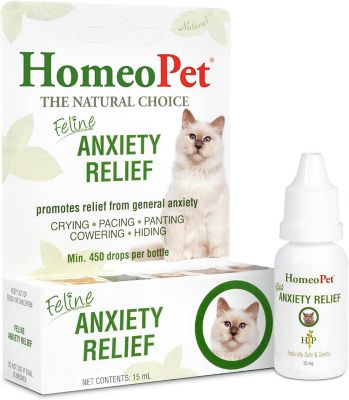
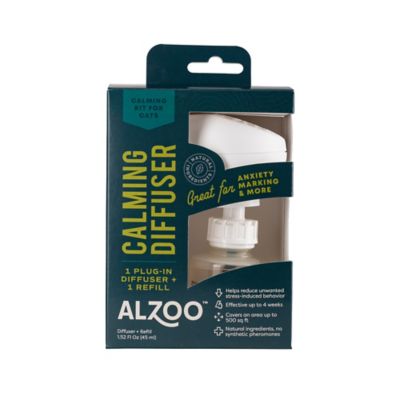
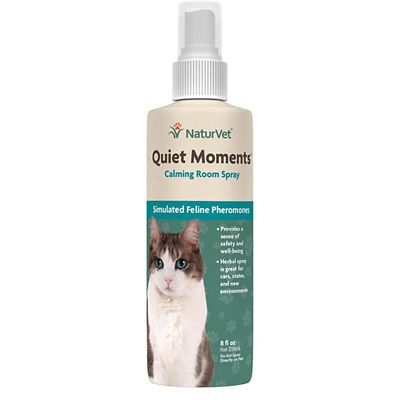
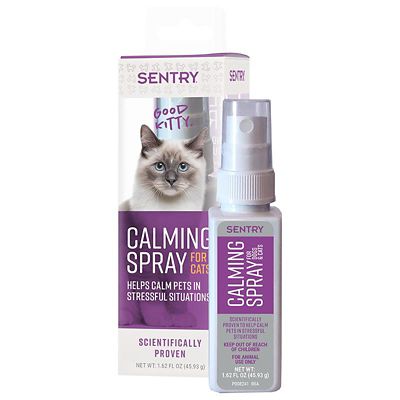
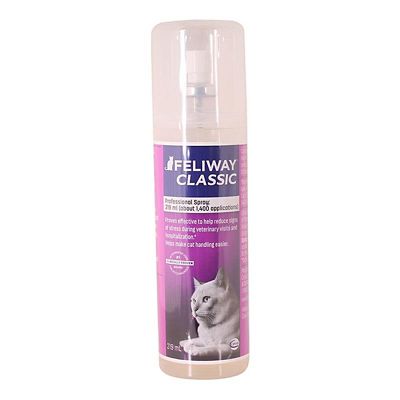
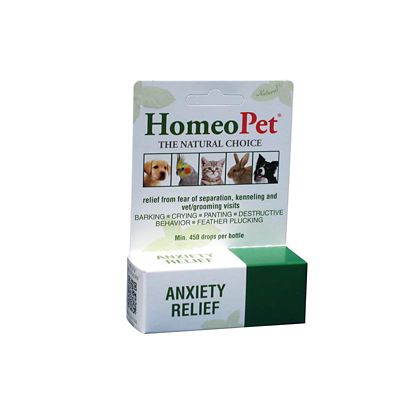
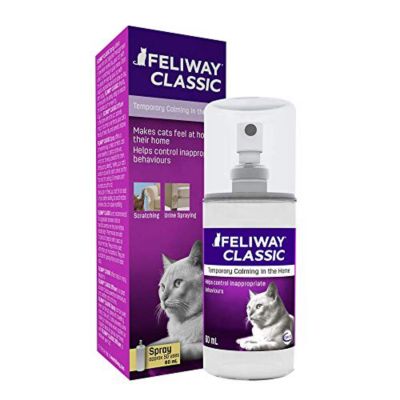
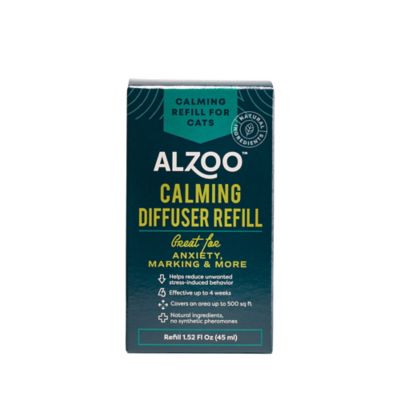
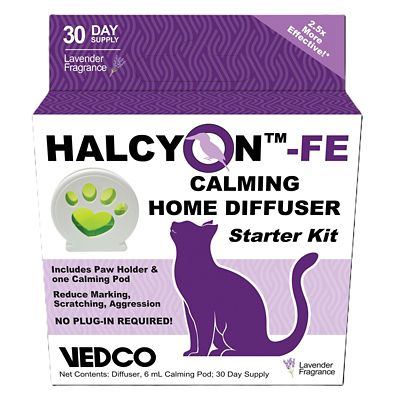
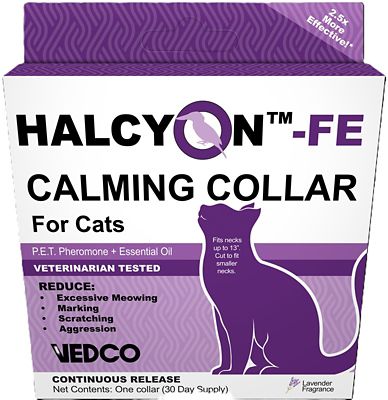
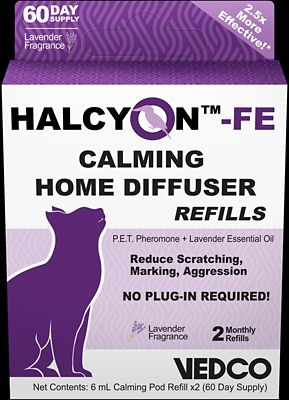
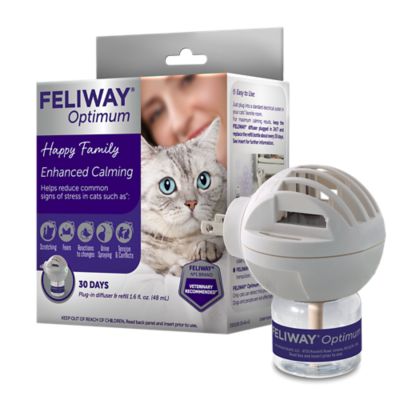
Cat anxiety relief products include feline pheromone diffusers and sprays, calming supplements, comfort wraps and sheltered resting spaces that may help cats feel more settled. These options serve different purposes, from supporting a calmer home environment to helping a cat cope with a carrier ride, a move or changes in a busy household. A cat that ducks behind the washing machine when company arrives has different needs from one that becomes tense whenever another cat blocks the hallway. The right choice depends on the situation, the cat’s health and how comfortable that cat is with handling, scents and changes to its surroundings. Pheromone products are designed to send scent signals associated with feline comfort or familiarity, rather than simply covering household odors with fragrance. Plug-in diffusers provide ongoing exposure within the coverage area stated on the package, while sprays offer a more targeted format for suitable surfaces, such as a carrier or bedding, when the label allows. Coverage, placement, refill schedules and the time needed before a cat enters a treated space all matter. A diffuser tucked behind a couch or blocked by a cabinet may not work as intended, and a spray meant for the environment does not belong directly on a cat. Products labeled for cats also differ from general room fragrances; essential oils and strongly scented household sprays are not substitutes for feline calming products. Results vary, and a cat may need time to adjust rather than show an immediate change. In a home with several cats, calming support makes the most sense alongside separate resting spots, feeding areas and litter boxes, so no cat has to push past another to meet basic needs. Product directions should make the intended setting, application method and replacement schedule clear, whether the goal is ongoing household support or preparation for an occasional trip away from home.
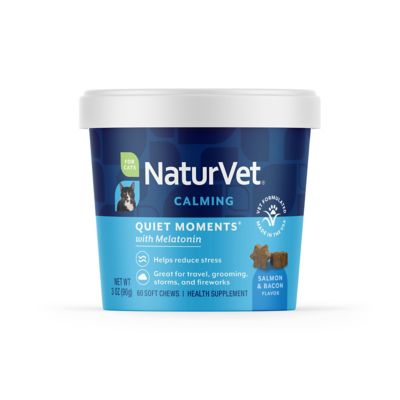
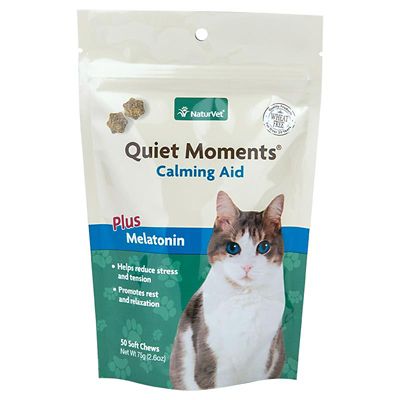
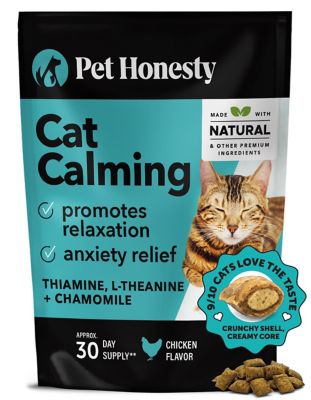
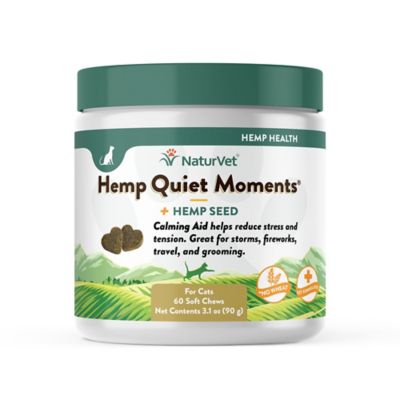
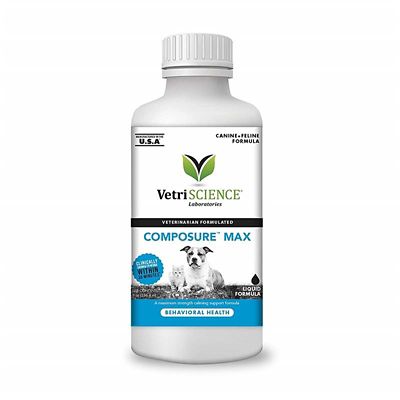
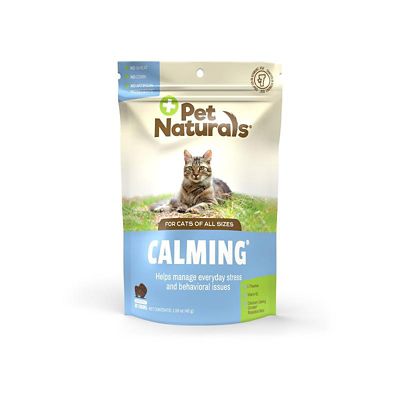
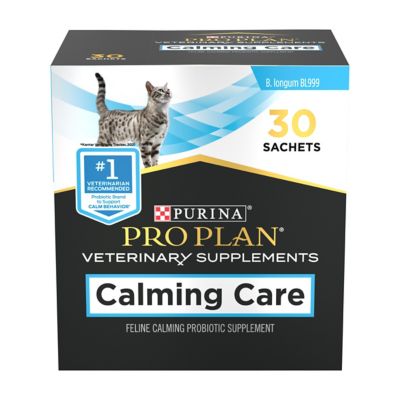
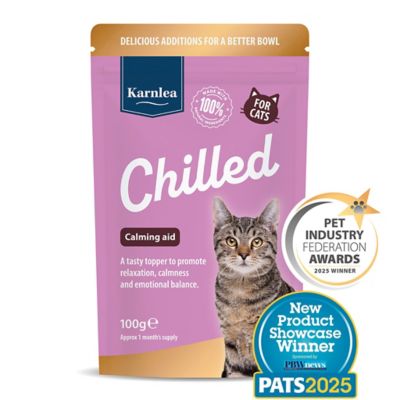
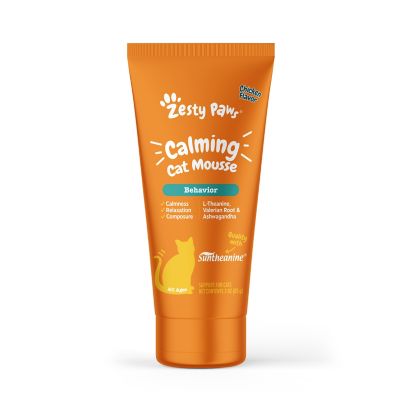
Calming supplements come in formats such as soft chews, powders and liquids, giving pet parents options for different feeding habits. A soft texture may suit a cat that accepts treats readily, while another cat may tolerate a labeled serving mixed into food more easily. Flavor, serving size, calorie content and the number of servings in a package are practical details, especially for a picky eater or a household managing several feeding routines. Formulas may contain ingredients such as L-theanine, certain milk-derived proteins or tryptophan, but ingredients and supporting research differ. A calming label does not mean every formula will suit every cat, and supplements are not interchangeable with prescription medication. Age limits, weight-based directions, food sensitivities and existing health conditions all deserve attention. A veterinarian can help assess a supplement before it becomes part of a cat’s routine, particularly for kittens, senior cats or cats taking medication. Some formulas call for consistent daily servings, while others have directions tied to a planned event; the package should establish the timing rather than an assumption that a larger serving will work faster. Storage instructions matter, too, since moisture, heat exposure and poorly closed packaging can affect a chew’s texture or a powder’s condition. Comfort wraps take a different approach, applying gentle pressure through a fitted garment. They are only a sensible option for cats that tolerate wearing them without struggling, freezing or becoming more distressed. Soft fabric, smooth seams, adjustable closures and enough freedom to breathe and move normally are important fit considerations. A wrap should never restrict walking, toileting or access to a safe retreat. Persistent hiding, appetite changes, overgrooming, aggression or litter box changes warrant veterinary attention, since discomfort and illness can look like anxiety. These products offer support, not a diagnosis or a substitute for care when a cat’s behavior changes.
Comfort-focused beds, covered hideaways and familiar resting surfaces round out the range of cat anxiety relief products by giving cats somewhere to withdraw without losing access to the household. For the cat that watches visitors from behind a chair, a sheltered bed with a clear exit can provide a tucked-away spot without leaving it cornered. Other cats prefer an open bolster bed where they can stretch out and keep the doorway in sight. Size and entry height matter as much as softness: a large cat needs room to turn around, while an older cat with stiff joints may manage a low entrance more easily than a tall-sided cave. Stable bases help beds stay put on smooth floors, and secure stitching helps them stand up to kneading and repeated washing. Removable covers and machine-washable components can make cleanup simpler, although the care label should determine wash settings and drying methods. Loose filling, damaged seams and worn fasteners are signs that a comfort item needs attention before it goes back into a cat’s space. Familiarity matters, too. A bed that already smells like home may be more reassuring than several new accessories introduced at once, and a quiet location away from a slamming door or busy walkway can make that resting place more inviting. Pet parents welcoming an adopted cat, helping an older companion settle after a move or managing a lively multi-pet home may appreciate supplies chosen around those everyday details. For someone browsing
Cat Birthday Products, a comfort-focused gift can fit a low-key celebration that leaves the cat’s routine intact. The most thoughtful choice is not necessarily the one with the most features; it is the one that suits the cat’s habits, fits the space and can be kept clean without a fuss. Combined with predictable meals, gentle interaction and room to retreat, well-matched calming supplies can support a home where a cat has more chances to rest easy.