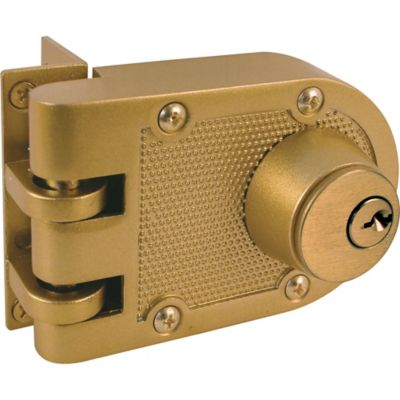
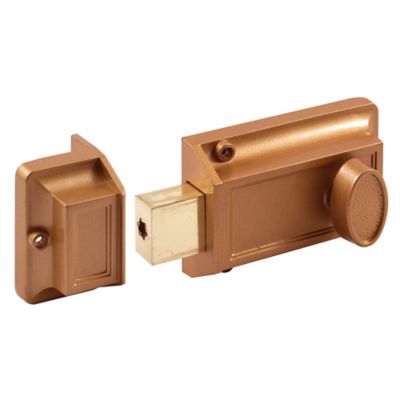
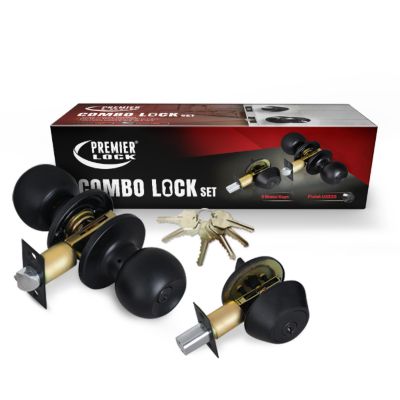
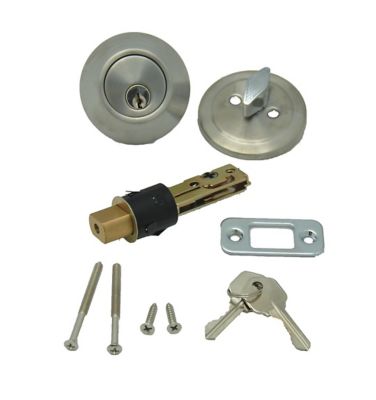
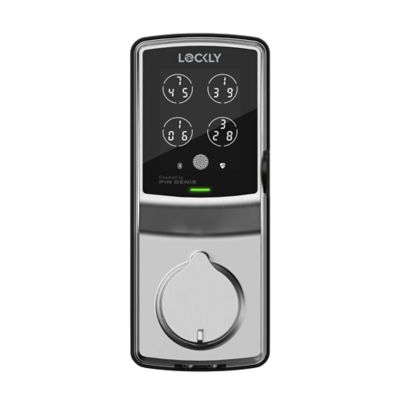
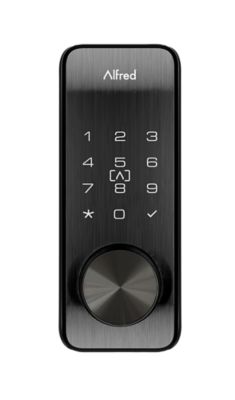
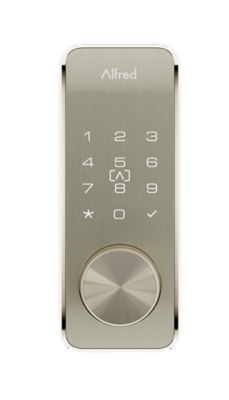
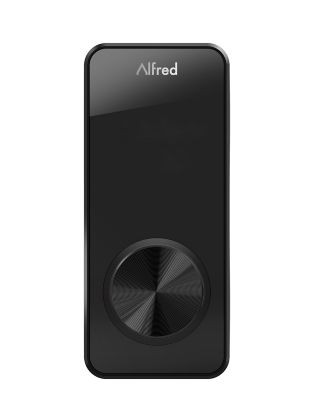
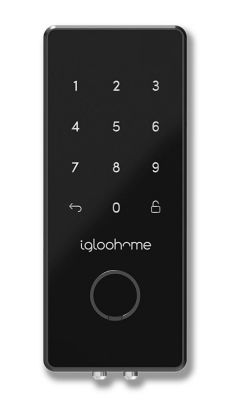
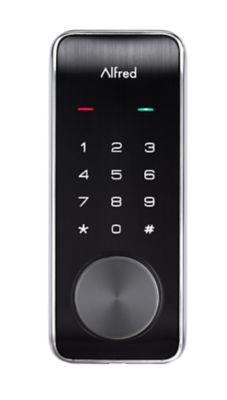
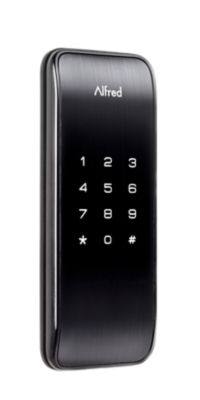
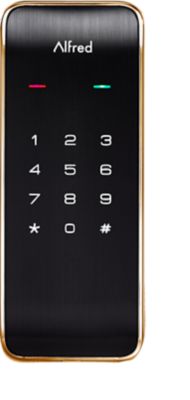
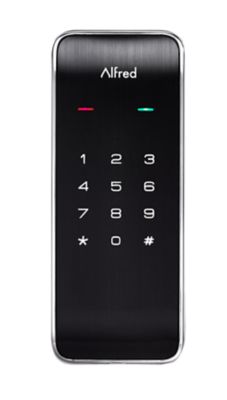
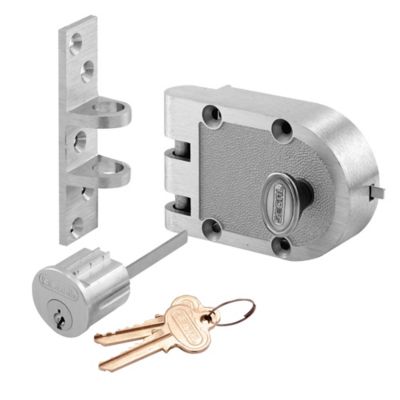
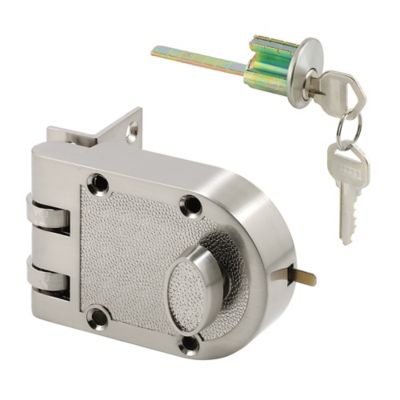
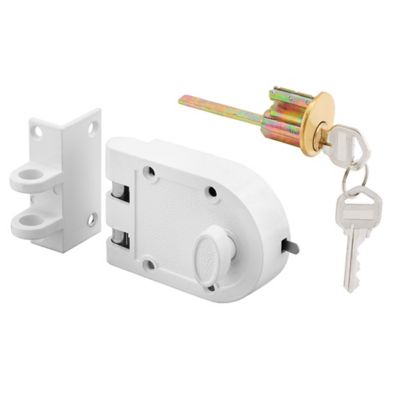
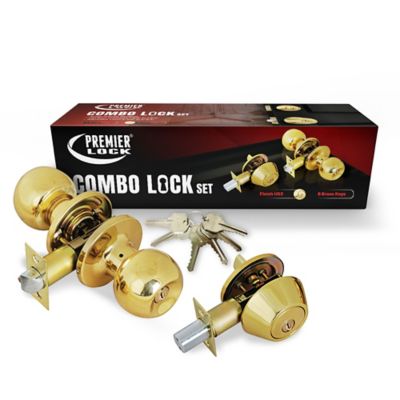
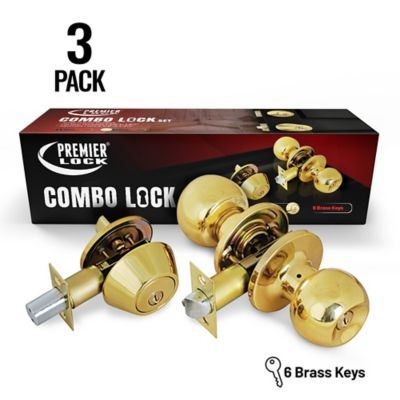
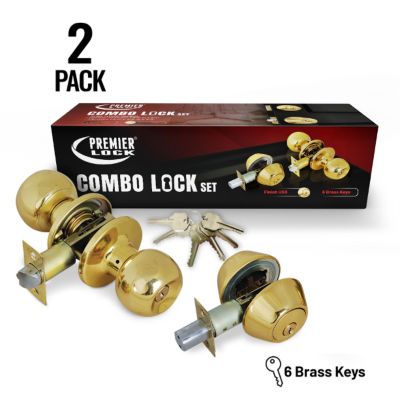
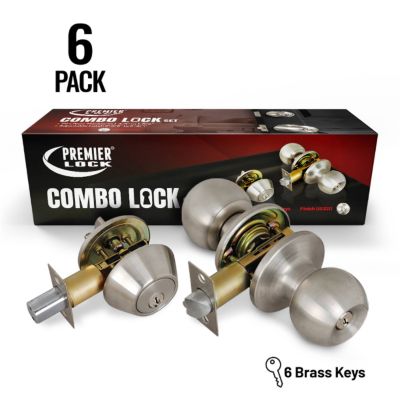
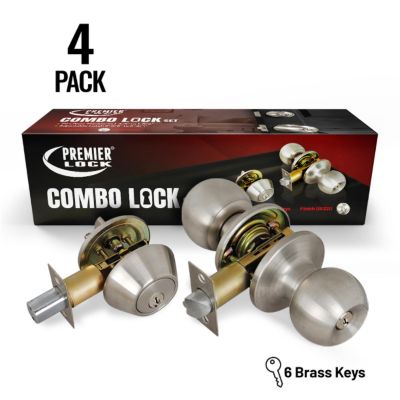
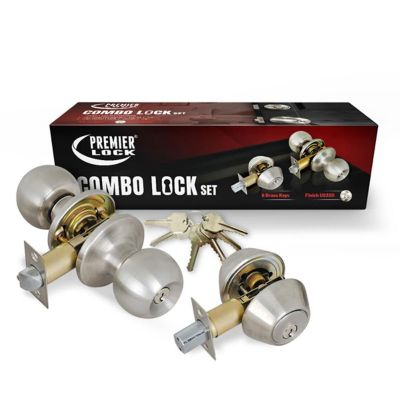
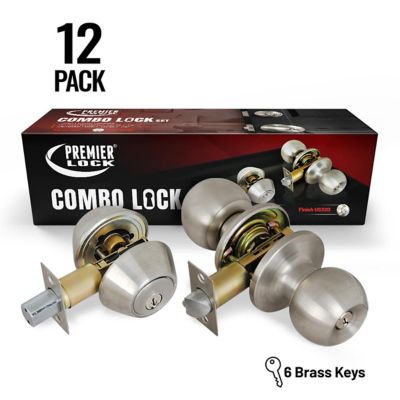
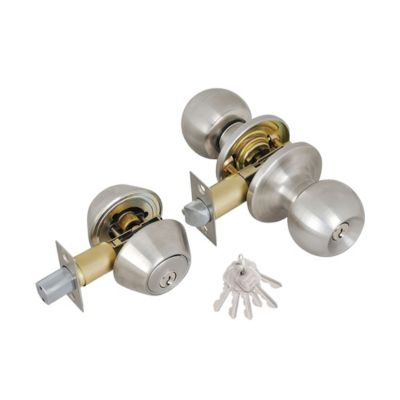
Deadbolt locks for apartments add a solid locking point to an entry door, separate from the spring latch found in many knobs and levers. Instead of retracting when the handle turns, a deadbolt stays extended into the door frame until someone operates its key, thumb turn, or electronic control. That makes it a practical part of everyday apartment security, whether the entry opens onto an indoor hallway, an outdoor walkway, or a small porch. Single-cylinder deadbolts have a key cylinder outside and a thumb turn inside, offering familiar operation and a way to unlock the door from indoors without finding a key. For someone coming home with feed-store purchases, grocery bags, or a tired youngster, straightforward hardware can make a busy doorway easier to manage. Keypad deadbolts offer code entry, while certain connected locks support phone access, entry notifications, or scheduled access permissions. Features vary by design, and electronic convenience does not replace the need for a sound door, a secure frame, and proper installation. Apartment deadbolts serve renters, property owners, and managers of small rental buildings, but the right fit depends on more than a preferred finish. Lease terms, building rules, local requirements, and the existing door assembly all matter. A renter needs approval from the landlord or property manager before changing entry hardware, including any agreement about providing keys or maintaining authorized access. Apartment entry doors may also be part of a fire-rated assembly, so replacement hardware and any alterations need to preserve the required rating and door operation. Double-cylinder deadbolts require a key on both sides and can complicate emergency exit; applicable rules may restrict them. For an occupied apartment, easy exit from inside is an essential consideration, especially when children, older adults, or anyone with limited hand strength lives there. A clear route out matters just as much as controlled access from outside.
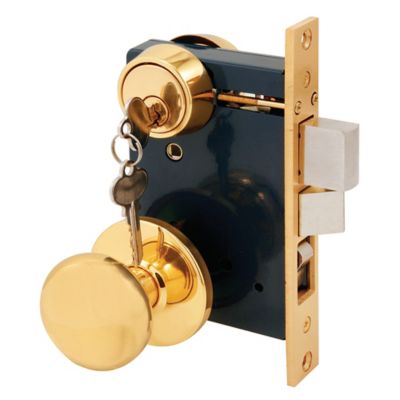
Materials, dimensions, and the condition of the surrounding doorway help determine how well an apartment door lock will perform over time. Steel bolts and reinforced strike components provide strength at the locking point, while brass and other metal components appear in cylinders, housings, and trim. The finish affects appearance and resistance to everyday exposure, but finish alone does not establish a lock’s security performance. Published ANSI/BHMA grades, where provided, offer a more useful comparison of tested strength, operation, and cycle performance. Grade 1 represents the highest performance level within the applicable grading standard, though the entire installed assembly still matters. A strong bolt cannot make up for a split jamb or loose strike plate. The strike is the metal plate on the frame that receives the bolt, and its attachment helps transfer force into the surrounding structure. Longer strike screws may improve attachment when they reach suitable structural framing, but screw length and placement must suit the door system and any building restrictions. No screw change makes an entry break-in proof. Fit starts with door thickness, the diameter of the existing bore, and the backset—the distance from the door edge to the center of the lock opening. Common residential backsets are 2-3/8 inches and 2-3/4 inches, but an apartment door should be measured rather than assumed to follow either dimension. Bolt throw, edge preparation, and space between the deadbolt and handle also affect compatibility. A broad interior housing can crowd nearby trim, and a thick door or narrow stile may need hardware intended for that construction. Separate deadbolts are not automatically interchangeable with mortise locks or interconnected lock assemblies. Smooth alignment is another everyday concern: the bolt should extend fully without lifting the handle, leaning against the door, or giving it a hard shove. During cooler weather, shifting wood and tighter weatherstripping can make an existing alignment problem more noticeable. A latch that catches easily while the deadbolt scrapes the strike is a sign that the doorway needs attention, not simply a stronger twist of the key. Approved adjustments can help keep both manual and motorized locks working as intended.
The choice between keyed, keypad, and connected apartment deadbolts often comes down to household routines and how much upkeep feels manageable. A mechanical deadbolt does not depend on batteries or wireless service, making it a straightforward option for people who prefer a key on a ring and a thumb turn by the door. Rekeyable hardware can allow a cylinder’s keying to change without replacing the entire lock, depending on its design and compatibility; landlord approval and any master-key arrangement still apply. An interior retrofit smart lock replaces or attaches to the inside operating hardware on certain existing deadbolts, potentially retaining the exterior cylinder and its key access. That can be useful in a rental, but compatibility with the existing lock and permission to make the change are both necessary. Full-replacement electronic deadbolts may offer keypads, fingerprint readers, or physical key backups, depending on the design. Remote access may require a separate hub, a particular wireless connection, or additional setup, so phone control should not be assumed to work the same way across lock types. Battery access, low-battery alerts, and the stated entry method after battery depletion deserve attention, particularly for someone who travels for work or leaves before daylight. Individual access codes, when supported, can help households manage entry without passing around one shared key. Codes and app permissions also need attention when household members move out or an approved visitor no longer needs access. For ongoing care, a soft cloth and manufacturer-approved cleaning methods help protect the finish; harsh cleaners and abrasives can damage exposed surfaces. Cylinder lubrication should follow the lock maker’s directions rather than whatever spray happens to be in the toolbox. Outdoor-facing entries need hardware rated for their exposure to moisture and temperature changes. Keeping doors aligned, fasteners snug, and electronic batteries maintained supports consistent operation through daily comings and goings. Apartment entry security is separate from keeping smaller storage areas closed, and
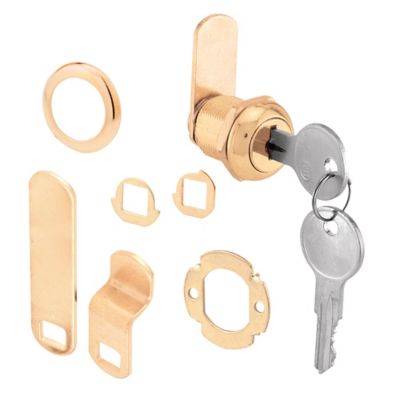
Replacement Locks For Cabinets addresses that different hardware need. At the front door, the best match is an approved deadbolt that fits the existing assembly, suits the household’s routine, and locks and unlocks smoothly without getting in the way of a safe exit.