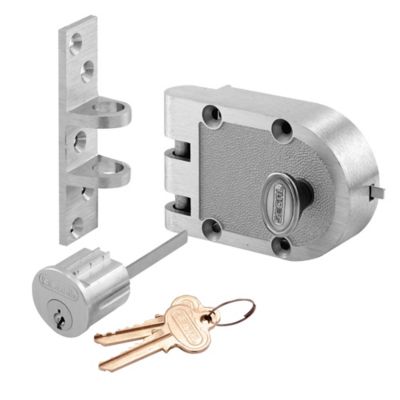
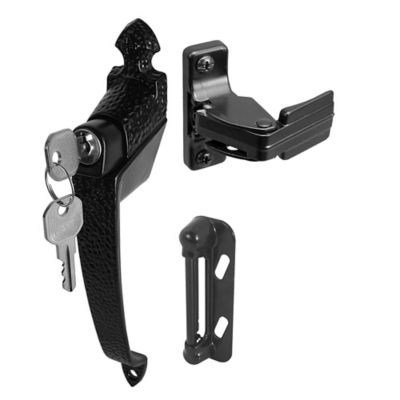
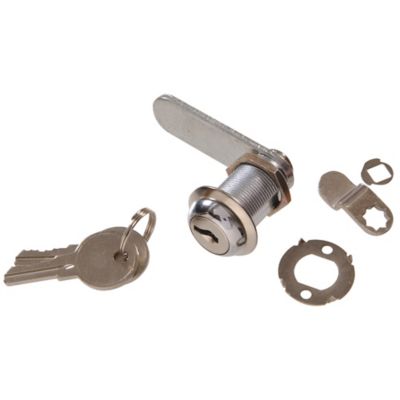
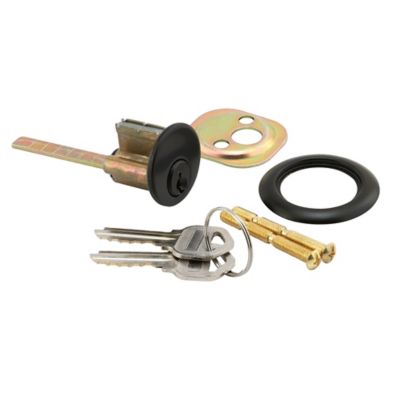
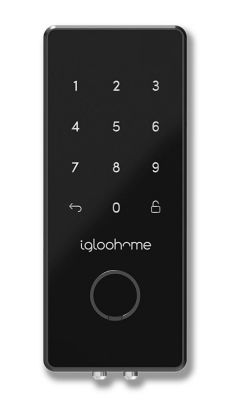
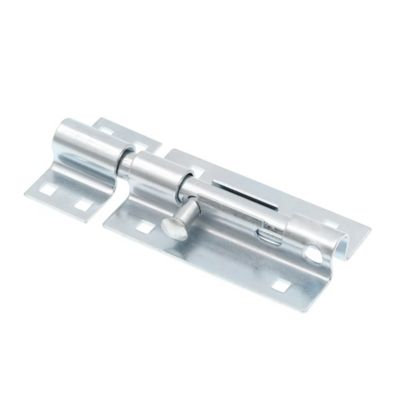
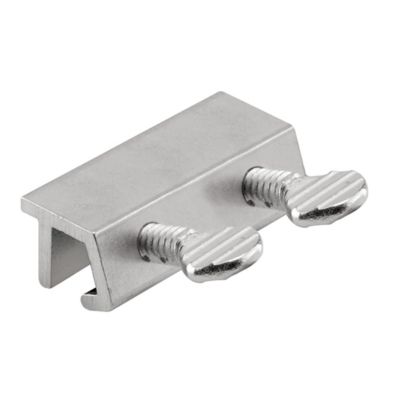
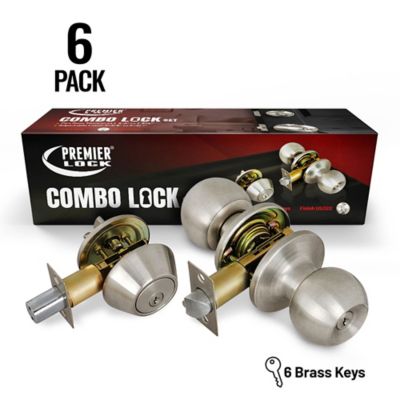
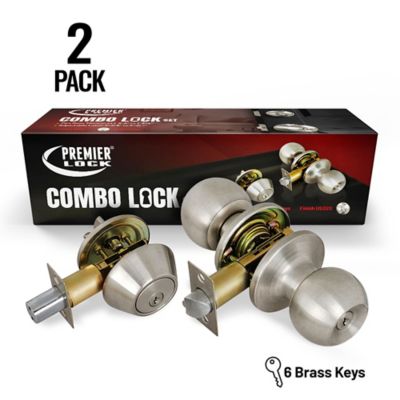
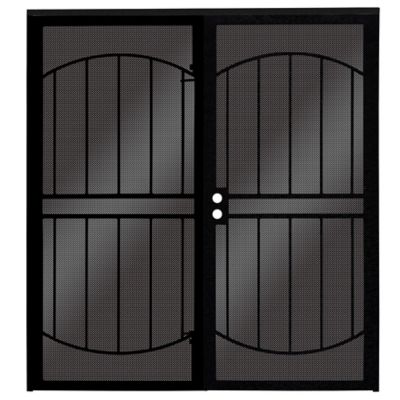
Door locks for metal doors help secure everything from farm shops and equipment sheds to warehouse entries, utility rooms, livestock buildings, storefronts and residential security doors. Steel and aluminum doors are tough, but they are built in several different ways, so the right lock needs to match the door’s construction and the existing opening. A hollow metal door, a narrow-stile aluminum door and a heavier steel service door may all need different lock bodies, cylinders or mounting hardware. Before choosing a replacement, look at the door edge, frame, lock cutout and the way the door swings. Measure the backset—the distance from the edge of the door to the center of the lock opening—because common measurements vary by lock style and door profile. Narrow storefront doors often use a shorter backset, while standard cylindrical preparations on heavier doors commonly use longer backsets. Matching the new lock to the existing prep can save a good bit of drilling, patching and head-scratching during installation. It also helps to note whether the door is left-hand or right-hand, and whether it swings in or out. Some commercial locksets have reversible handing, but that feature should be confirmed before purchase. For a door that sees regular traffic, a sturdy commercial-grade lever or deadlock may be a better fit than a light-duty residential lock. A lever is handy for busy entryways, especially when carrying feed bags, tools or boxes, while a deadbolt or mortise deadlock provides a solid locking point for doors that need dependable security after hours. In a farm setting, a properly fitted lock can help keep valuable equipment, chemicals, tack and supplies protected while still giving family members or workers straightforward access.
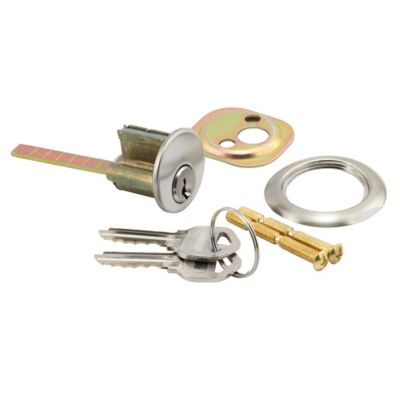
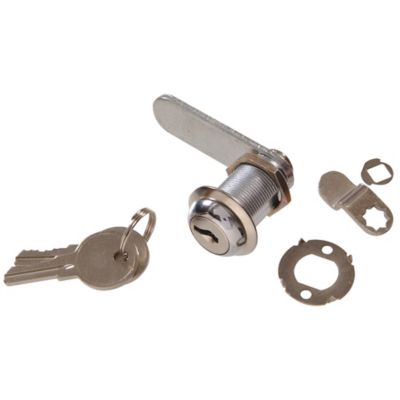
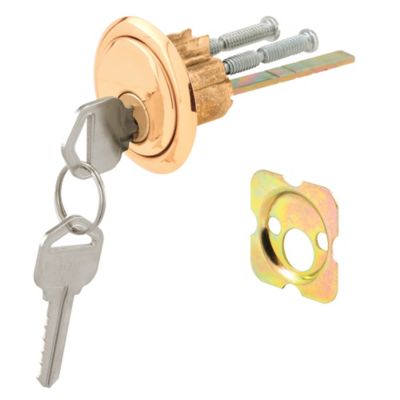
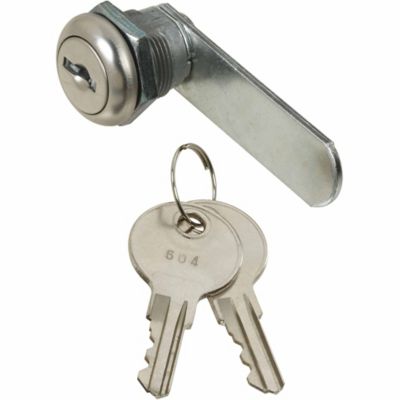
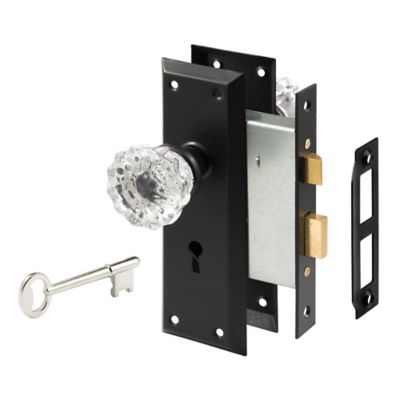
When replacing a lock on a metal door, start by identifying the lock type already installed. Cylindrical locks have a round body that passes through the face of the door and are common on standard entry doors. Mortise locks fit into a pocket cut into the edge of the door and often combine the latch or deadbolt mechanism with a separate cylinder. Narrow-stile aluminum and storefront doors frequently use compact mortise-style hardware because there is less room inside the frame. Some mortise lock bodies are sold without the cylinder, trim or keys, so check what is included and make sure the cylinder and cam are compatible with the lock body. The cam is the small rotating piece that connects the cylinder to the locking mechanism, and using the wrong cam can leave a lock unable to throw the bolt correctly. For hollow metal doors, pay close attention to the strike and frame alignment. A strong lock cannot do its job if the bolt lands against the frame instead of sliding cleanly into the strike. Loose hinges, a sagging door or weather-related shifting can also keep the latch from seating fully. On an exterior entry, consider a lock with durable metal construction and a finish suited to exposure from rain, dust and changing temperatures. A covered porch offers some protection, while a pasture gate, detached shop or exposed loading door may need more frequent cleaning and inspection. During the cooler months, grit, moisture and frost can make a marginal lock feel even rougher. A light application of lock-compatible lubricant and a quick check of the fasteners can help keep the mechanism moving smoothly; avoid forcing a key or flooding the cylinder with heavy oil that may attract dirt. If a door is part of a fire-rated assembly, an emergency exit route or a commercial property subject to local building requirements, use hardware that meets the applicable code and have installation checked by a qualified professional when needed. Life-safety doors must open as required from the inside, and security should never interfere with a safe exit.
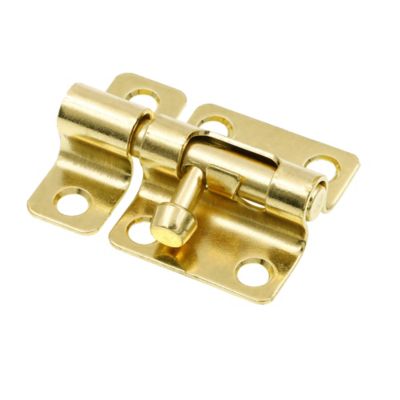
The best door lock for a metal door depends on where the door is located, how often it is used and what needs to stay protected. A rarely used storage room may call for a straightforward keyed deadlock, while a busy shop, office or barn entrance may be better served by a heavy-duty lever with a dependable latch and a cylinder that can be rekeyed. Keyed-alike options can simplify access when several doors are secured around a property, and replaceable cylinders may make future key changes easier after a worker moves on or a key goes missing. For rental properties, shared workshops and farm operations with several people coming and going, think about who needs entry and whether the lock should support controlled key distribution. A lock with a thumbturn on the inside can be convenient, but the interior setup still needs to follow local safety requirements. Check the door thickness, the frame depth and the available clearance around the handle before ordering, particularly on older buildings where repairs or previous lock changes may have altered the opening. Keeping the old lock nearby until the replacement arrives can make it easier to compare screw locations, bolt dimensions and cylinder placement. These locks can also make a practical housewarming gift for someone outfitting a new workshop, restoring an older outbuilding or improving security around a rural property, especially when paired with measuring help or installation assistance. For related outdoor hardware, browse
Gate Latches For Metal Gates to help secure the access points beyond the building. Whether the door protects a feed room, tool shed, equipment bay or business entrance, taking a few minutes to match the lock style, backset, handing, cylinder and strike can lead to a cleaner installation and reliable everyday use.