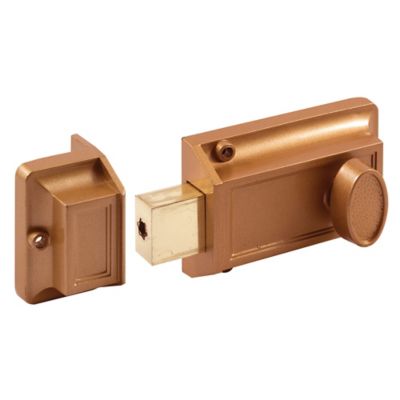
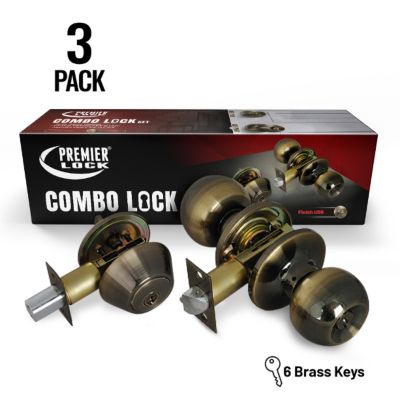
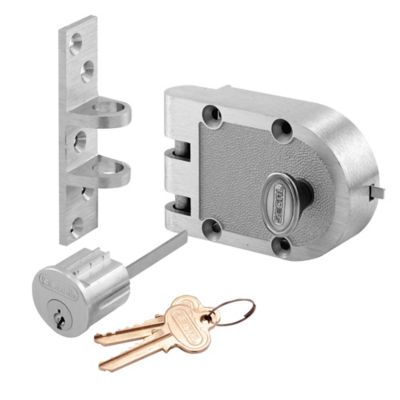
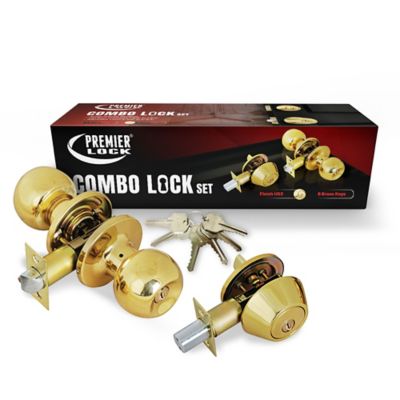
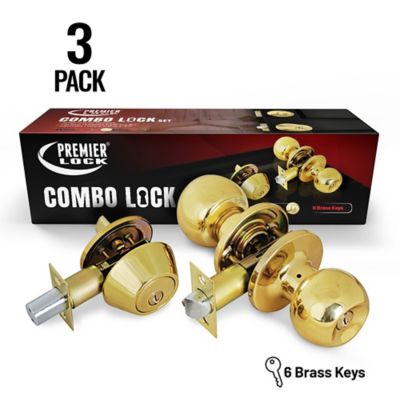
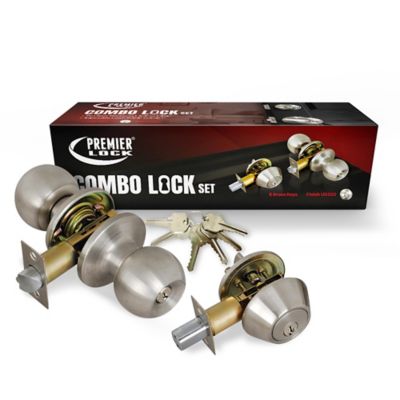
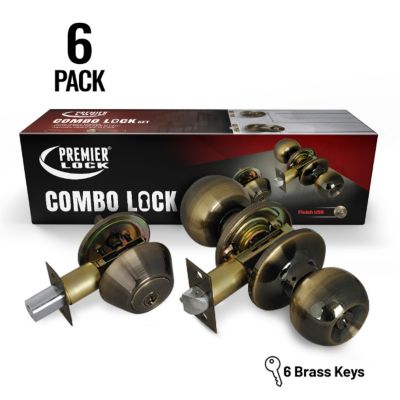
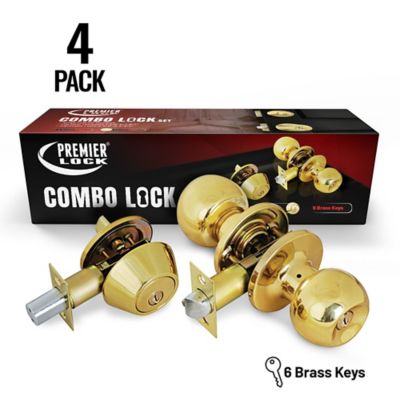
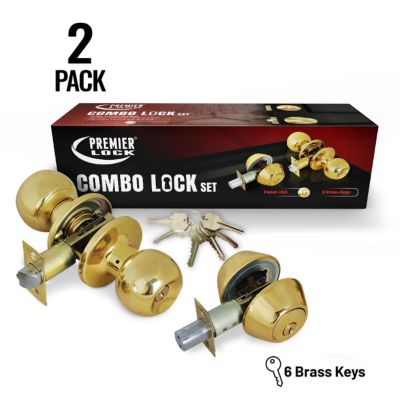
Front door deadbolt locks add a separate locking point to an entry door, helping secure the entrance beyond the latch in a knob or lever. Unlike a spring latch, a deadbolt extends a metal bolt into a strike plate in the door frame and stays there until the locking mechanism retracts it. That makes the lock, strike plate, frame, and door itself parts of the same security setup. For a farmhouse front entrance, a ranch house, or a place in town, the right fit starts with how the household comes and goes. A single-cylinder deadbolt has a keyed cylinder outside and a thumb turn inside, making it a common choice for residential entry doors.
Single Cylinder Door Locks suit households that want keyed entry without needing a key to unlock the door from indoors. That inside thumb turn is handy when heading out with a feed bucket in one hand or letting someone in while supper is on the stove. Double-cylinder deadbolts require a key on both sides, which can complicate escape in an emergency; local building and fire requirements matter, particularly where a door serves as a required exit. A lock should never turn a quick way out into a search for a key. Security ratings also help put construction claims into perspective. For mechanical deadbolts carrying numbered ANSI/BHMA grades, Grade 1 is the highest of the three grades, while Grade 2 is another common consideration for residential entrances. These ratings reflect testing against established performance requirements, not a promise that a door cannot be forced open. A sturdy frame, a properly fitted strike, and sound attachment points remain important, even with a higher-rated lock. The best match balances tested performance, straightforward operation, and the needs of everyone who uses that entrance each day.
Fit matters just as much as the locking style, especially when replacing hardware on a door that has been in place for years. Many residential deadbolts fit doors measuring 1-3/8 to 1-3/4 inches thick, but those dimensions are not universal. Backset, the distance from the edge of the door to the center of the lock opening, commonly measures either 2-3/8 or 2-3/4 inches. Some deadbolts adjust between those measurements, while others require a particular configuration. Existing face bores, edge bores, and the shape of the latch faceplate also affect compatibility. A round drive-in opening and a rectangular mortised faceplate are different preparations, so matching the replacement hardware to the door can prevent unnecessary cutting or patching. Trim size deserves attention, too: an oversized interior housing may crowd a nearby handle, window trim, or storm door hardware. Wood, steel, and fiberglass entry doors can each have different attachment requirements, and fire-rated door assemblies need compatible hardware that preserves their listing. Once the basic dimensions line up, materials and finish help determine how the lock fits the rest of the entrance. Steel bolts, brass cylinder components, and metal housings are common construction features, although the exact combination varies. Satin nickel, polished brass, bronze tones, and matte black offer different looks alongside existing hinges, handles, and porch fixtures. Matching finishes can pull an entrance together without replacing every piece of hardware at once. Long service also depends on alignment and care. A bolt that scrapes the strike or needs a hard shove on the door puts extra strain on the mechanism; sagging hinges or a shifting frame may be the real issue rather than the lock itself. Gentle cleaning with a soft cloth helps protect the finish, while abrasive cleaners can damage it. Any cylinder lubricant should match the lock maker’s recommendations, since the wrong spray or excess lubricant can attract grit. A smooth-turning bolt should extend fully without having to lift the handle or lean against the door.
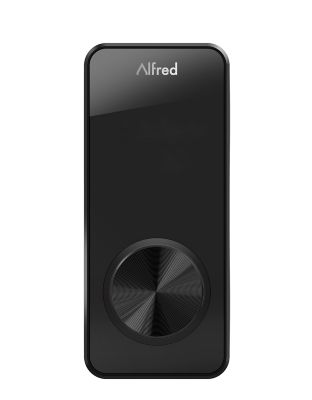
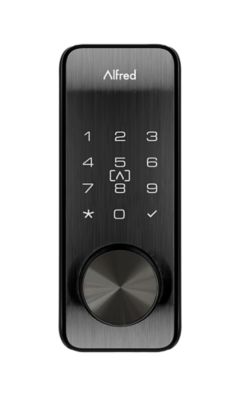
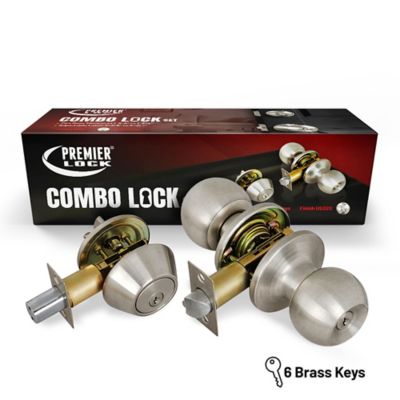
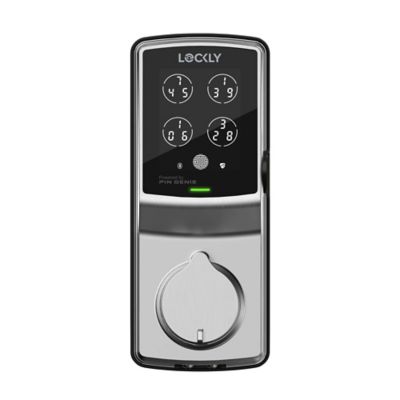
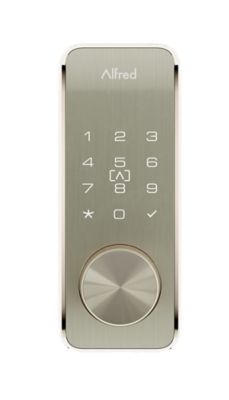
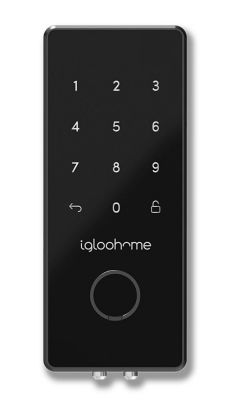
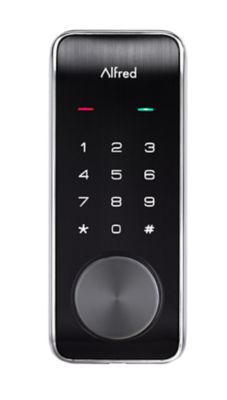
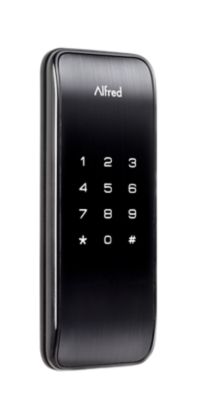
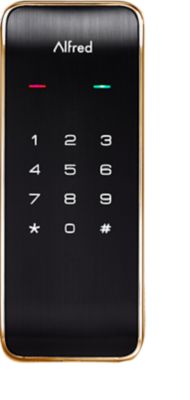
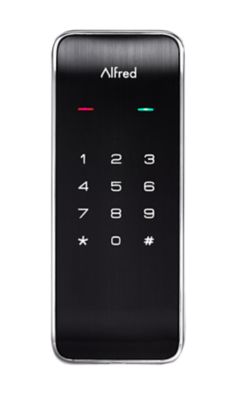
Keyed, keypad, and connected deadbolts serve different routines, and convenience means something different from one household to the next. A mechanical keyed deadbolt operates without batteries or a network connection, making it a straightforward choice for anyone who prefers a physical key. Compatible cylinders may support rekeying or keyed-alike arrangements, which can reduce the number of keys carried between the front entrance and other approved doors. Compatibility depends on the cylinder system and keyway, so similar-looking keys or locks are not enough to establish a match. Keypad deadbolts let authorized people enter a code instead of carrying a key, a practical feature for kids getting home from school or family members returning from chores. Some electronic locks support separate codes for different people, scheduled access, or automatic locking, but those functions vary by design. Connected deadbolts may add app controls and activity records, with certain features depending on a compatible hub, wireless connection, or service. Battery requirements, low-battery warnings, and backup entry methods deserve the same attention as the keypad layout. Large, clearly marked buttons and an easy-to-grip thumb turn can make daily operation simpler for people with limited hand strength or dexterity. For rentals, shared households, or a home where helpers stop by, changing access after a tenant moves out or a key goes missing is an important part of managing the entrance. Electronic codes need similar attention when access is no longer needed. No access feature takes the place of closing the door fully and confirming that the bolt has engaged. A separate deadbolt also does not replace a working entry latch, which holds the door closed before the bolt is extended. Whether the household prefers a familiar key ring or a keypad beside the handle, a well-matched front door deadbolt brings together suitable measurements, sensible access control, and hardware that works smoothly with the door already in place.