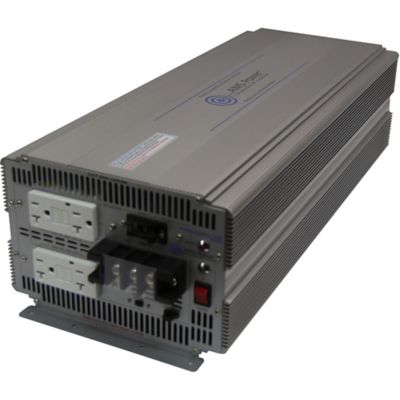
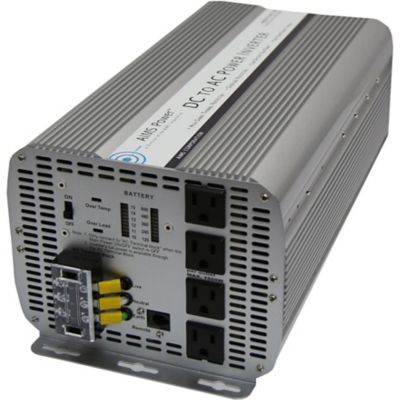
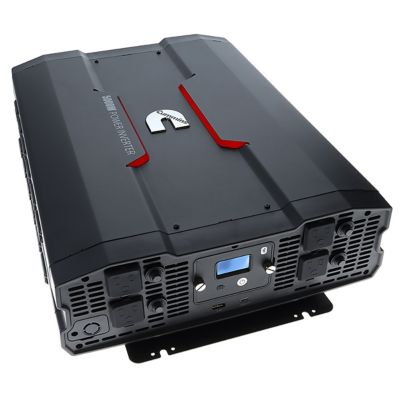
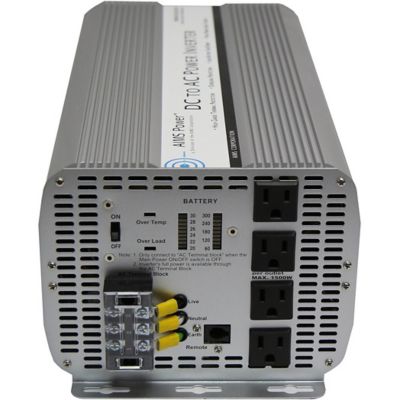
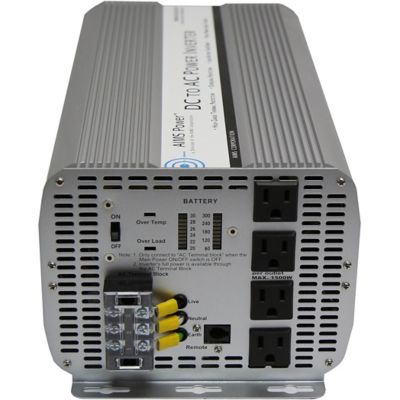
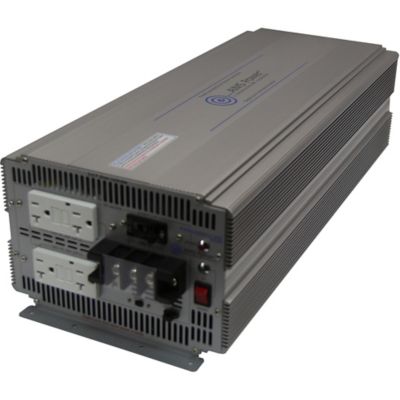
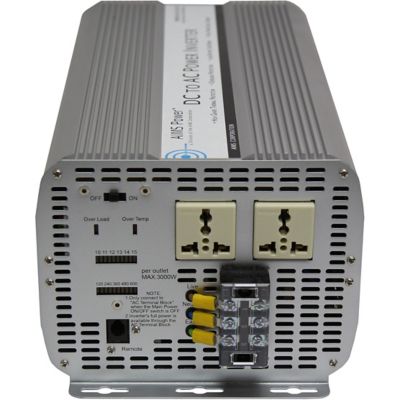
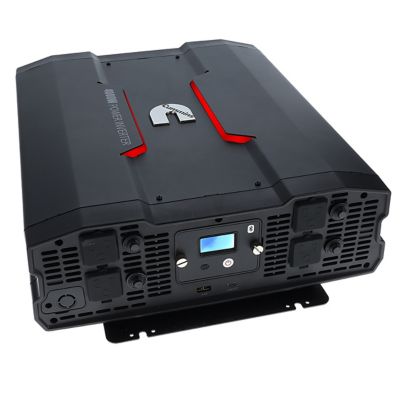
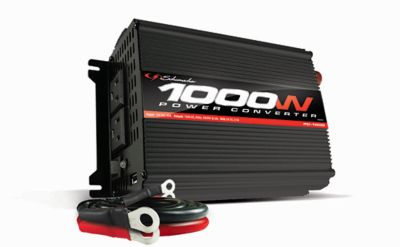
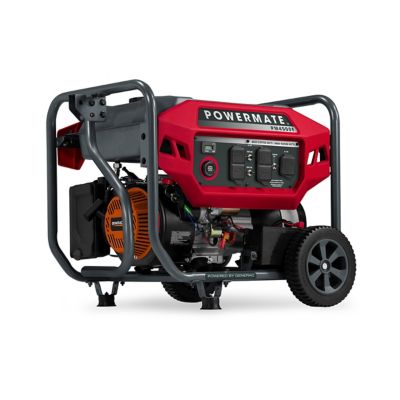
5000w inverters are built for turning stored battery power into usable household-style AC power when utility service is out of reach or temporarily unavailable. Unlike a fuel-powered generator, an inverter does not make electricity on its own; it needs a properly sized battery bank, and some setups pair the inverter with solar panels, a generator, or shore power to keep those batteries charged. A 5000-watt unit can be a handy fit for an RV, hunting cabin, workshop, food trailer, remote job site, or backup power system where more than a few small electronics need to run at once. Depending on the equipment and its starting demand, this kind of inverter may handle a refrigerator, freezer, microwave, coffee maker, television, lights, chargers, or selected power tools. It can also support larger loads such as an air compressor or window air conditioner when the inverter’s continuous rating, surge rating, battery bank, and wiring are all up to the task. Keep in mind that motors and compressors often pull a brief burst of power when they start, sometimes several times their running wattage. Look at both continuous output and peak or surge capacity rather than judging a unit by the headline wattage alone. Add up the running watts of the appliances you expect to use at the same time, then leave room for startup loads and unexpected draw. On a warm afternoon at the farm, that extra cushion can make the difference between a refrigerator starting smoothly and an overloaded system shutting down just when you need it.
Battery voltage is another important part of choosing among 5000w inverters. A 12-volt setup may work for certain mobile applications, but a 5000-watt load can pull a very large amount of current from a 12-volt battery bank. That usually calls for short, heavy-gauge cables, solid connections, proper overcurrent protection, and batteries capable of delivering the demand without excessive voltage drop. A 24-volt or 48-volt system generally carries the same power with less current, which can reduce cable size and heat loss and may be a better fit for a larger cabin, solar installation, or full-time off-grid arrangement. Match the inverter’s DC input voltage to the battery bank exactly, and do not assume that a higher-wattage inverter can simply be connected to whatever battery is sitting in the shed. Battery capacity matters, too. A 5000-watt inverter can drain a small bank quickly, especially when running heating elements, pumps, compressors, or other demanding equipment. Check amp-hour capacity, usable depth of discharge, battery chemistry, charging speed, and expected runtime before putting together the system. For a closer look at a slightly smaller power class, compare
4000 Watt Inverters to see whether that output better matches the loads you need to run. A pure sine wave inverter is often the safer all-around choice for sensitive electronics, modern appliances, battery chargers, medical equipment, televisions, and variable-speed motors because it produces power that more closely resembles utility electricity. Modified sine wave models may cost less and can work for basic resistive loads, but some motors may buzz, run hotter, or fail to start properly, while certain electronics may show interference or operate unpredictably.
Before installation, check the inverter’s outlet style, hardwire options, transfer-switch compatibility, remote-control features, low-voltage shutoff, overload protection, and cooling requirements. A unit used in an RV or truck bed may need a different connection arrangement than one installed in a barn, cabin, or utility room. Inverters produce heat under load, so they need a clean, dry, well-ventilated location away from rain, standing water, flammable materials, and enclosed areas where battery gases could collect. Never connect an inverter to a home electrical panel or wall outlet with a homemade backfeed cord. A properly rated transfer switch and installation by a qualified professional are essential when tying backup power into household circuits. Use the recommended fuse or breaker close to the battery, protect cables from abrasion, and tighten every connection so vibration from a trailer or rough gravel road does not loosen the wiring. These details may not be as exciting as plugging in a tool, but they are what keep a dependable power setup dependable. A 5000-watt inverter can be a practical gift for someone building a remote camp, outfitting an RV, preparing a workshop, or keeping essential equipment available during an outage, though the right battery bank and installation parts are just as important as the inverter itself. During the warmer season, it can help keep coolers, fans, pumps, and communications equipment going at a remote place; as the weather turns cooler, it may provide backup power for lights, refrigeration, chargers, and carefully selected heating or workshop equipment. Review the owner’s manual, confirm each appliance’s wattage, and choose a complete system that fits the way you actually work, travel, and live.