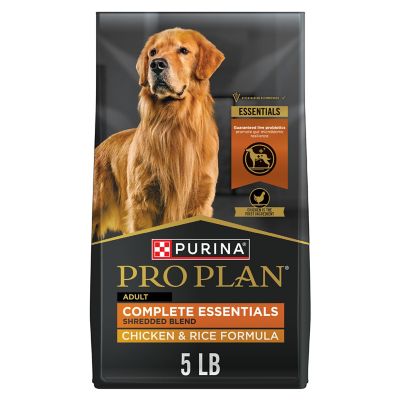
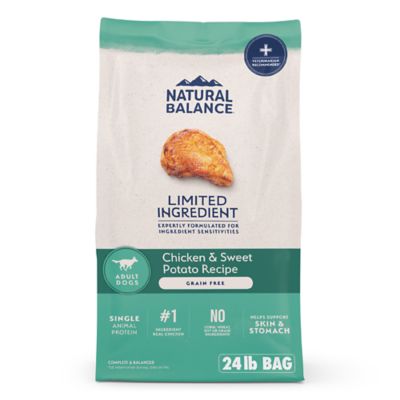
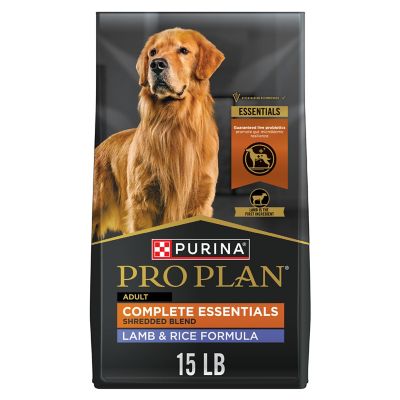
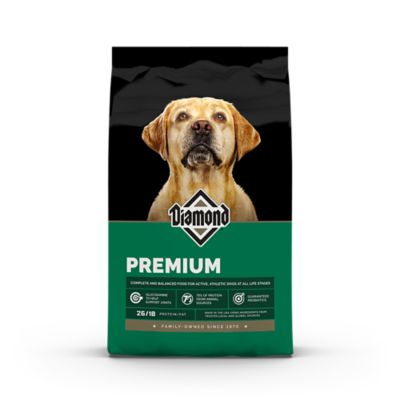
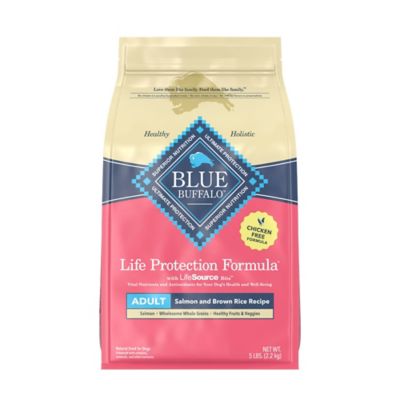
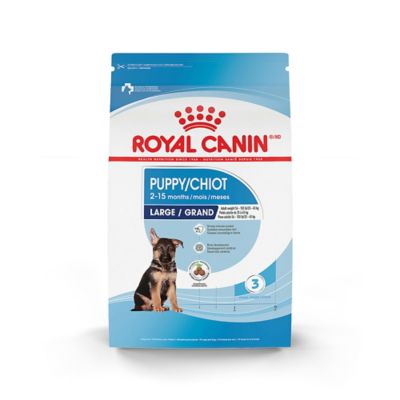
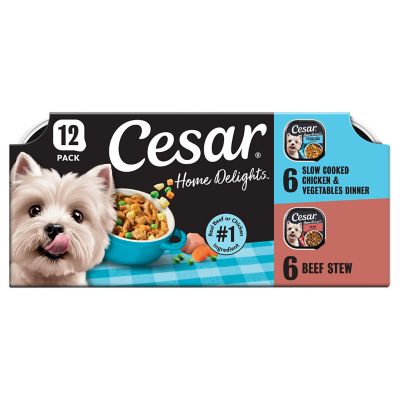
Dalmatian dog food should provide complete and balanced nutrition for a dog’s life stage while taking the breed’s tendency toward urate urinary stones into account. Many Dalmatians inherit a difference in how their bodies process uric acid, which can raise the amount passed into their urine. For these dogs, food with carefully selected, lower-purine protein sources can be an important part of a veterinarian’s feeding plan. Purines are naturally occurring compounds in food that break down into uric acid, so choosing a formula involves more than checking the protein percentage on the bag. A lower protein number does not automatically mean lower purine content, and cutting protein too far can leave a dog short on needed nutrition. Growing puppies, active adults and older companions have different nutritional needs, even when they share the same spotted coat. A Dalmatian trotting along on chores needs enough energy to maintain a healthy body condition, while one spending more time stretched out beside the couch may need fewer calories. The best fit depends on age, activity, weight and urinary health rather than the breed name alone. Egg-based protein ingredients tend to be lower in purines, while organ meats such as liver and certain fish, including sardines, tend to be higher. That does not make an ingredient list a complete measure of a food’s suitability: ingredient amounts, the full recipe and the dog’s medical history all matter. Chicken, lamb or rice on a label is not, by itself, proof that a formula is low in purines. Manufacturer information and a veterinarian’s assessment can help establish whether a food fits the intended feeding plan. Some Dalmatians have a lower inherited risk, while others have already developed stones and need closer dietary management. Everyday maintenance food and veterinary therapeutic food serve different purposes, and a dog with a stone history may need a prescribed diet rather than a general adult formula.
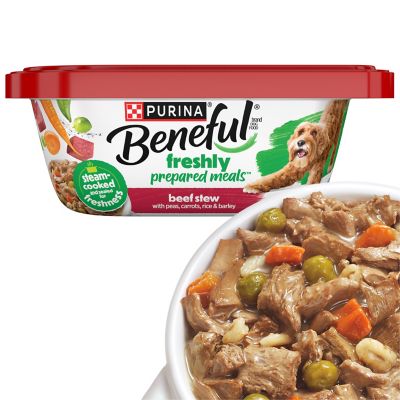
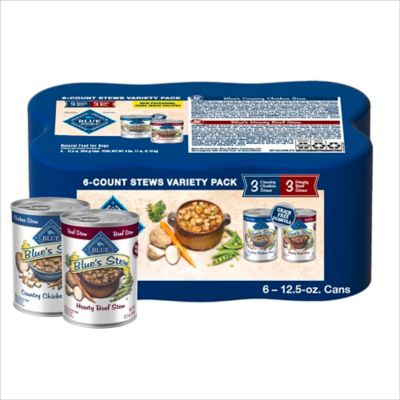
Dry food, wet food and a veterinarian-approved combination can each have a place in a Dalmatian’s daily routine. Dry kibble is straightforward to measure and portion, which helps when more than one person handles feeding before heading out to the barn or leaving for work. Kibble size and texture should suit the dog’s mouth and chewing comfort, especially for a young puppy or an older dog with dental concerns. Wet food brings more moisture to the bowl and may appeal to dogs that prefer a softer texture. Neither format is automatically lower in purines, and comparing protein percentages across dry and wet foods without accounting for moisture can be misleading. Water deserves particular attention for Dalmatians prone to urate stones because adequate hydration helps keep urine less concentrated. Fresh drinking water should remain accessible throughout the day, with regular chances to go outside rather than long stretches of holding urine. A water bowl near the feeding area and another where the dog spends time can make drinking more convenient. Adding plain water to kibble may also help increase fluid intake if the dog accepts it and the veterinarian agrees. Once moistened, though, food needs the same attention to prompt serving and cleanup as other perishable meals; it should not sit in the bowl all day. Extras can change the nutritional picture, too. A food that suits a low-purine plan may no longer fit that plan when topped with organ meat, fish scraps or rich meat-based additions. Even broth is not automatically a suitable choice, since ingredients and sodium levels vary, and some recipes contain onion or garlic. Keeping meals simple makes it easier to know what is going into the bowl. For households mixing food formats, both foods need to fit the dog’s nutritional requirements, and their combined calories count toward the daily amount. A spoonful of wet food is part of the meal, not a calorie-free extra.
Package details help separate a suitable daily food from one that only sounds right for a Dalmatian. A nutritional adequacy statement identifies whether a food provides complete and balanced nutrition and which life stage it supports. Puppy food needs to support growth; an adult maintenance formula is not an interchangeable substitute just because its protein percentage looks appealing. Likewise, foods intended only for supplemental or intermittent feeding should not become the entire diet unless a veterinarian is overseeing their use. Calorie information is useful for matching portions to the individual dog, since equal scoops of different recipes can supply different amounts of energy. Feeding amounts on the package offer a starting point, with adjustments based on body condition and veterinary advice. A clearly marked measuring cup or kitchen scale also helps keep breakfast and supper consistent across the household. Treats, training rewards and table scraps belong in that same daily accounting, particularly when urinary health depends on controlling ingredients. Small rewards that fit the feeding plan let a Dalmatian practice recall at the gate or settle politely by the kitchen without adding a second, unplanned menu. Food care matters after the bag or can is opened: dry food belongs in a cool, dry location, preferably in its original bag inside a clean, closed container, with the lot information and expiration date kept handy. Open wet food needs refrigeration according to its label, and bowls should be washed regularly. Changes between foods generally go more smoothly with a gradual transition unless the veterinarian directs otherwise. For dogs receiving medication for urate stones, diet and treatment need to work together; food changes should be cleared with the prescribing veterinarian. Straining to urinate, passing blood or producing little or no urine calls for prompt veterinary attention, not simply a different meal. In homes with more than one breed, separate feeding plans can keep one dog’s needs from being mistaken for another’s;
Pomeranian Dog Food offers a related category for a smaller canine companion. For a Dalmatian, the goal remains a well-matched food, sensible portions and a feeding routine that supports both everyday nutrition and the dog’s particular urinary needs.