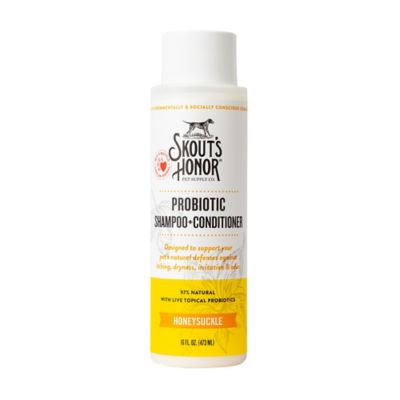
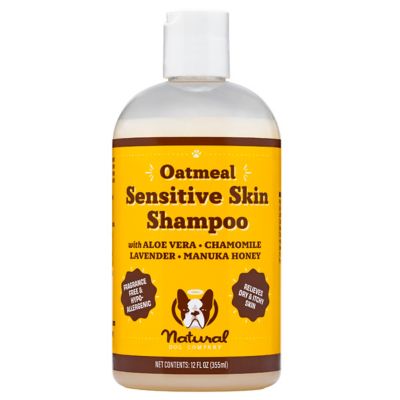
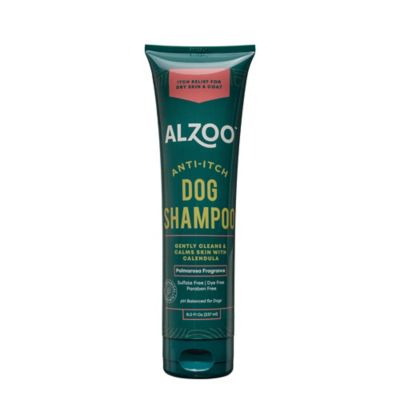
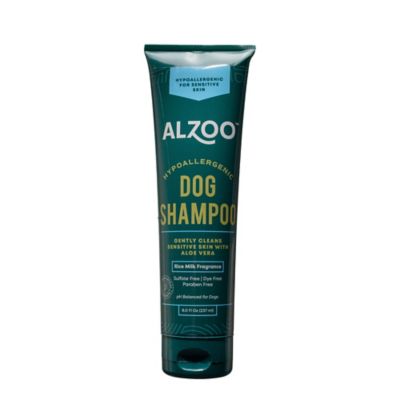
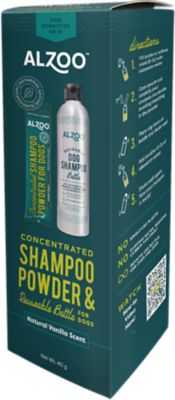
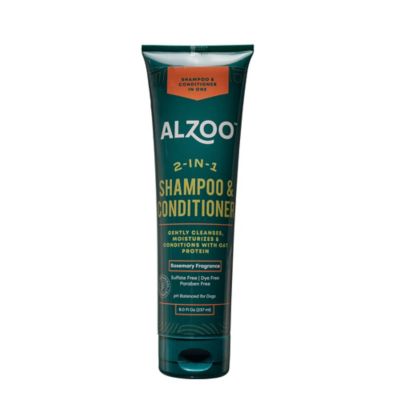
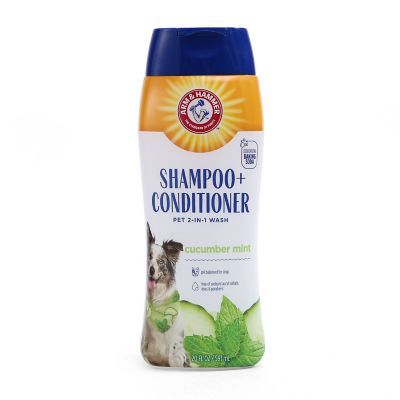
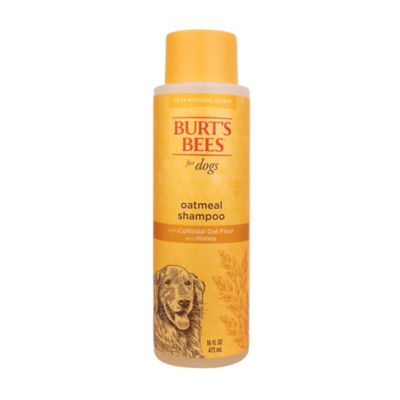
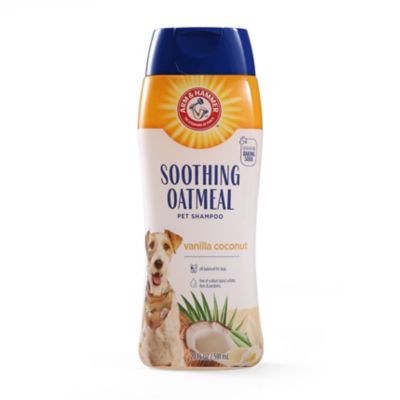
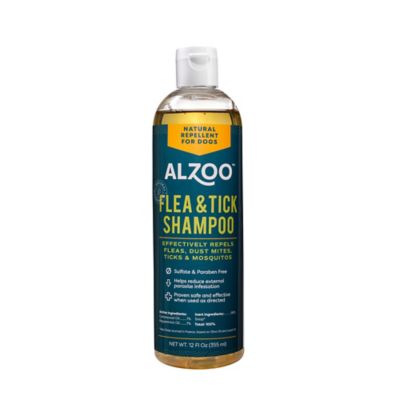
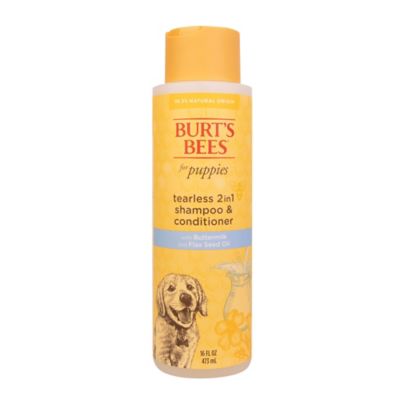
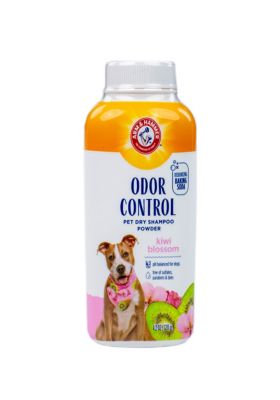
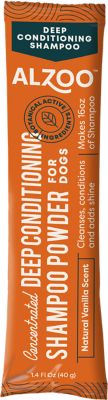
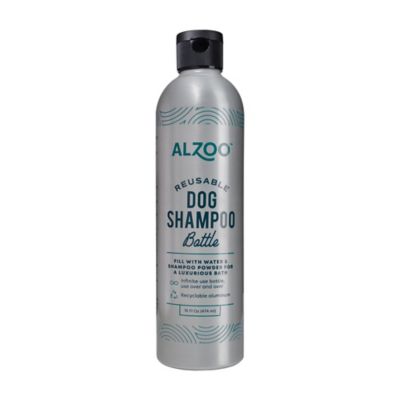
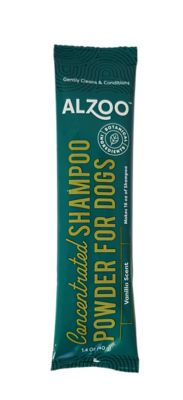
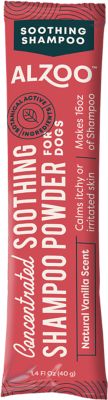
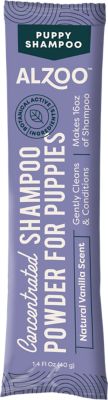
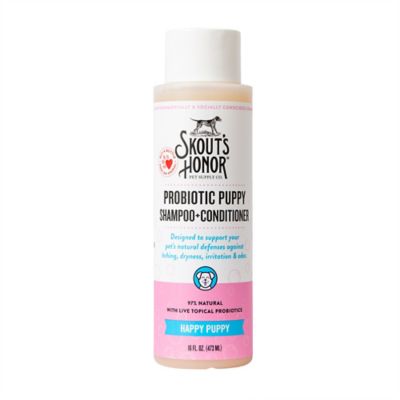
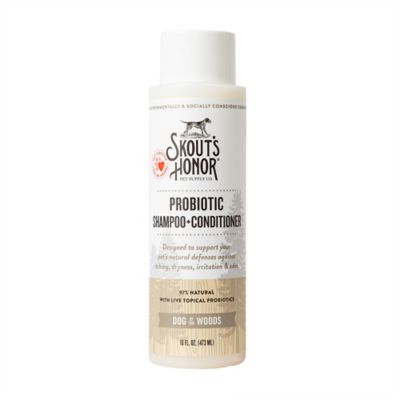
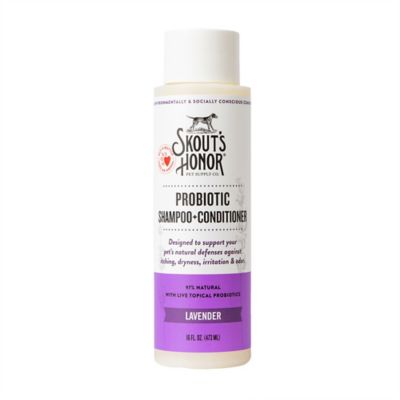
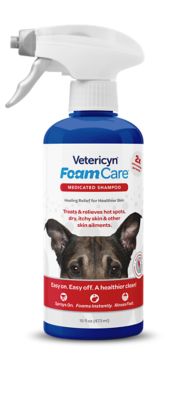
Dog grooming supplies have a place in everyday life with a dog, whether that means wiping muddy paws at the back door, brushing loose hair off a farm dog, or getting a long-coated companion cleaned up before a ride into town. The right setup depends less on how fancy a dog looks and more on coat type, body size, skin needs, and how comfortable that dog feels with handling. Bathing supplies range from shampoos formulated for dogs to rinse containers, absorbent towels, and brushes meant for wet coats. A dog shampoo’s label matters, especially for puppies or dogs with sensitive skin, since age limits, ingredients, and directions vary. Fragrance-free formulas may suit households that prefer less scent, while conditioners can help certain coats feel smoother and make combing more manageable. No grooming formula takes the place of veterinary care for persistent itching, sores, or sudden coat changes. For the bathing area itself, a nonslip surface gives paws a steadier place to stand, and an absorbent microfiber towel helps gather water before a dog shakes it across the room. Towel size makes a difference: a small cloth can handle feet and faces, while a larger towel gives more coverage for a broad chest or thick coat. Washable fabrics and supplies that rinse clean fit well into a routine that includes dirt, loose fur, and the occasional puddle beside the tub. Dogs that spend their days around fields, barns, or gravel lanes may bring home grit and bits of plant matter, while indoor companions still collect tangles and loose hair. Grooming supplies serve both kinds of households, giving owners ways to keep coats manageable without turning every cleanup into a full bath. A practical assortment also leaves room for the dog’s personality, with quieter tools and easy-to-grip handles making sense for pets that need a little more patience. For a household with several dogs, keeping towels and bathing tools organized also makes cleanup between pets simpler.
Coat-care tools are built for different jobs, and the shape of the teeth or bristles often tells more than the size of the handle. Rubber grooming brushes can gather loose hair from some short coats while providing gentle contact over the body. Bristle brushes help sweep away surface dirt, while pin brushes and metal combs have a place in maintaining many longer coats. Slicker brushes have fine wire pins that can work through loose hair and small tangles, but pressure matters, especially over thin skin or bony areas. Rounded pin tips and smooth comb teeth are worth a close look because rough edges can catch hair or scratch skin. For dogs with an undercoat, tools designed for that coat structure can help manage loose fur without treating every coat the same way. A close, smooth coat, a curly coat, and a thick double coat all call for different handling, and an undercoat tool is not a stand-in for every brush in the drawer. Stainless steel teeth resist rust when cared for properly, while molded grips can make a brush easier to hold with damp hands. Head width matters, too: a broad brush may cover a large dog’s back comfortably, while a smaller tool can be easier to maneuver around legs and behind ears. Tight mats are different from ordinary tangles and may need a groomer’s help rather than a hard pull at home. Clippers and trimmers add another layer of coat maintenance for households comfortable with trimming, with motor sound, vibration, blade care, and the intended coat type all affecting the experience. Guard attachments help control cutting length, but they do not make every coat suitable for clipping. Some double-coated dogs need a coat-care plan that preserves their natural coverage. For owners of long-haired companions or working dogs that collect burrs along a fence line, a manageable brushing routine can make it easier to notice debris before it settles deeper into the coat. Tools that feel balanced in the hand are especially helpful when grooming takes more than a few minutes.
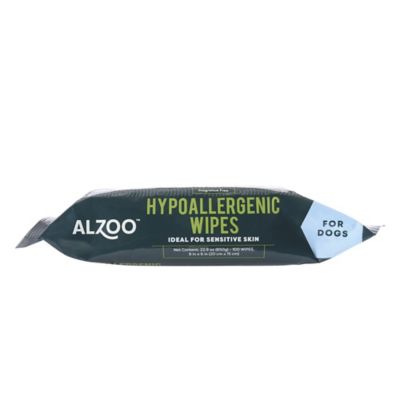
Nail, paw, and ear care round out a grooming setup, especially for dogs whose daily activities do not keep every nail evenly worn. Nail clippers sized for the dog’s nails give better control than a tool that feels too large or too small in the hand. Grinders offer a different way to shorten and smooth nails, though their sound and vibration take some dogs longer to accept. Grinding also creates friction, so brief contact matters for comfort. Neither approach removes the need to recognize the sensitive quick inside the nail, and dark nails can make that harder to judge. A veterinarian or groomer can help establish a comfortable starting point when nails are overgrown or handling is difficult. Paw wipes and washable cloths have a place near the door for surface cleanup, with formulas labeled for dogs helping keep ingredient choices clear. Around ears and eyes, gentle handling matters more than a strong scent or a long list of ingredients. Ear-care supplies should match the dog’s needs and label directions; redness, odor, discharge, or pain calls for veterinary attention rather than more cleaning. Between grooming sessions, removing trapped hair from brush heads, rinsing washable tools, and letting everything dry fully helps keep the kit ready for another round. Clippers may also need blade cleaning and lubrication according to their care directions. A caddy or closed storage spot keeps grooming gear together and away from curious pets and children. For a new dog owner, a few well-matched grooming essentials can make a thoughtful gift, especially when the dog’s size and coat type are already known. Experienced owners may appreciate tools that suit a familiar routine, from quick paw cleanup to patient brushing on the porch. For households looking beyond grooming,
Cyber Monday Deals On Pet Care connects with the wider range of needs that come with caring for animals at home. The best-fitting grooming setup is one that suits the dog, feels comfortable to handle, and is straightforward to clean and put away.