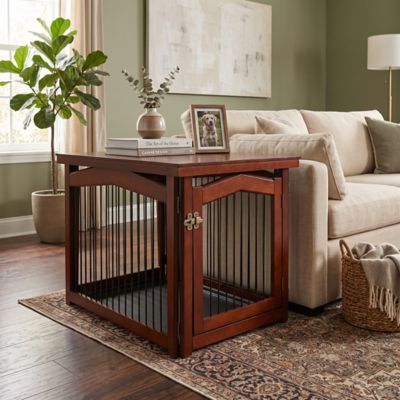
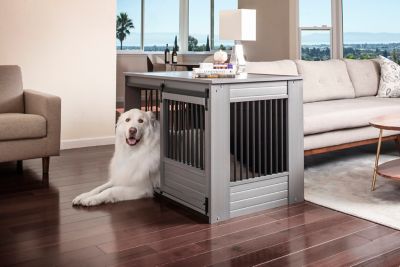
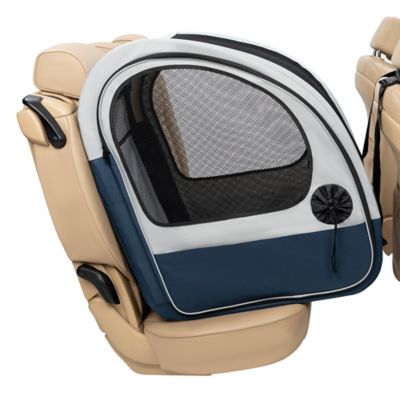
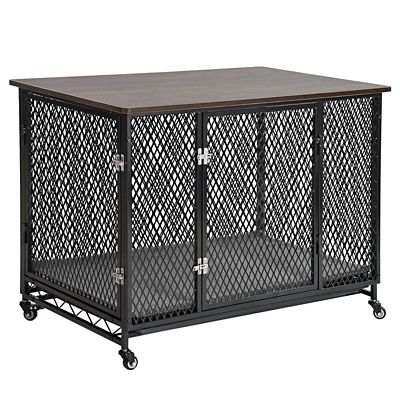
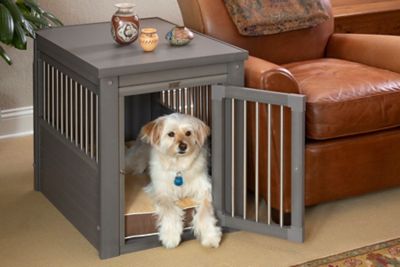
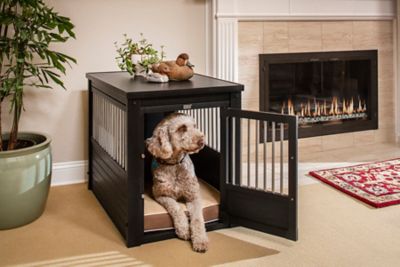
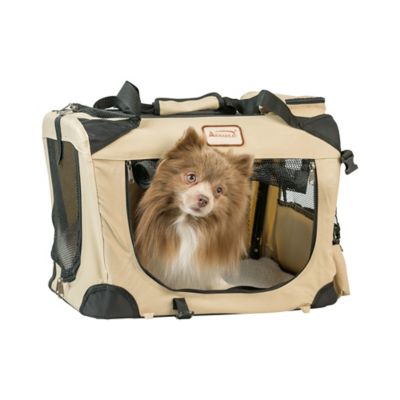
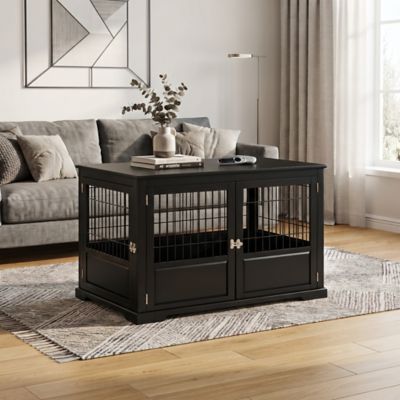
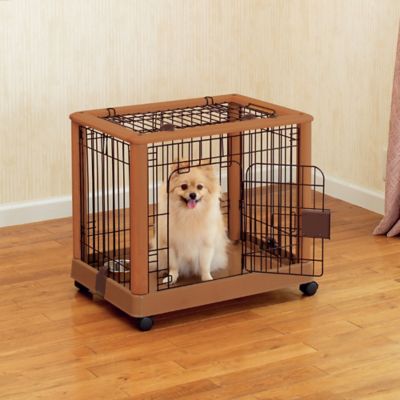
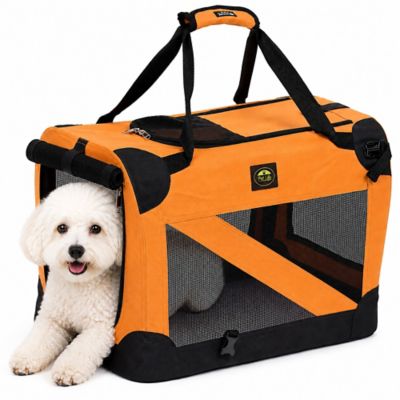
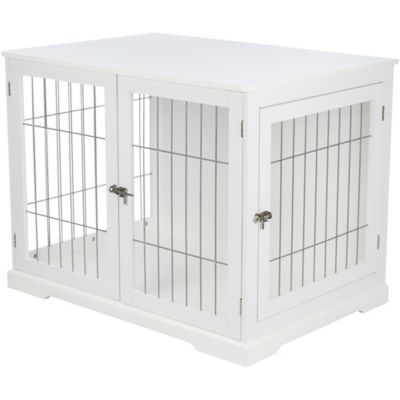
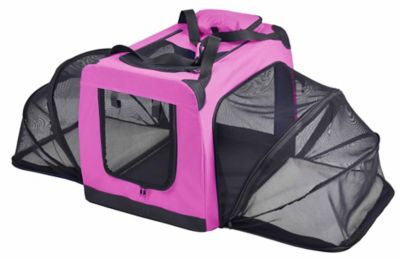
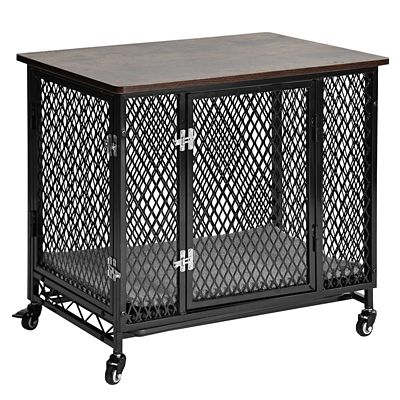
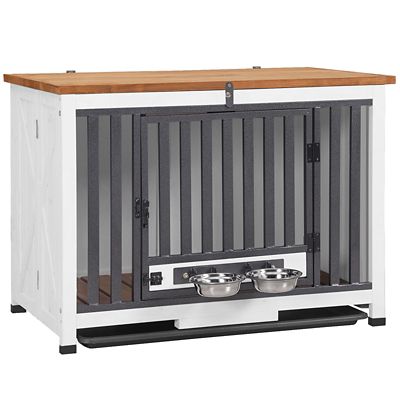
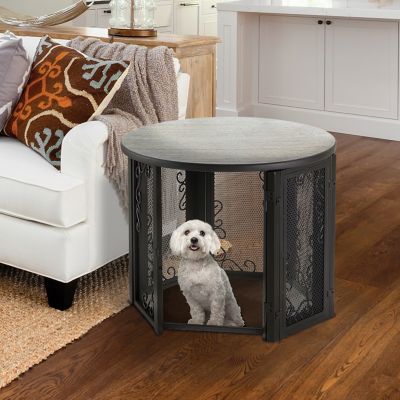
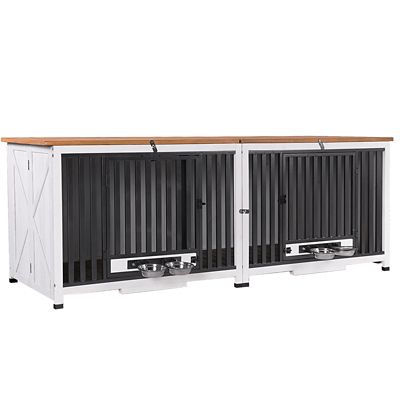
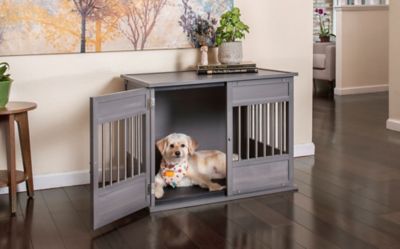
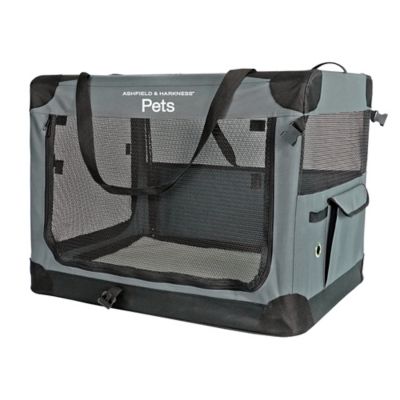
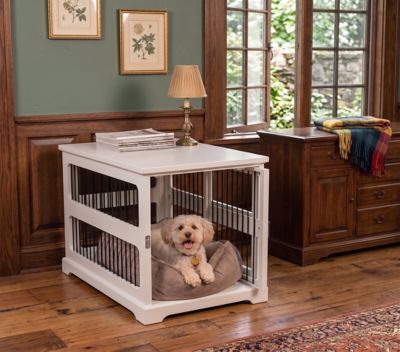
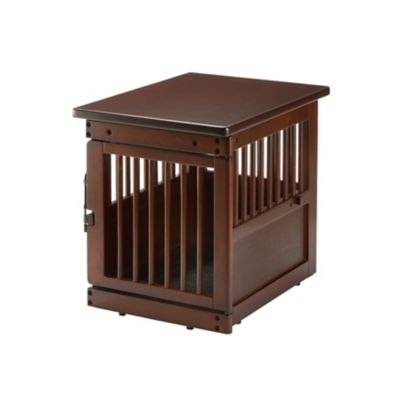
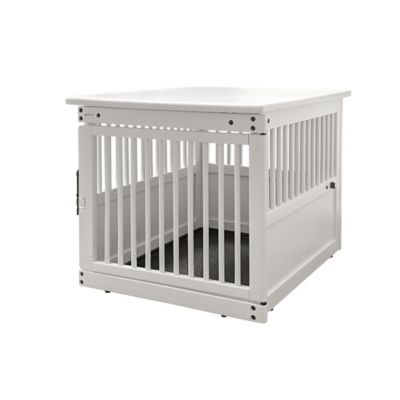
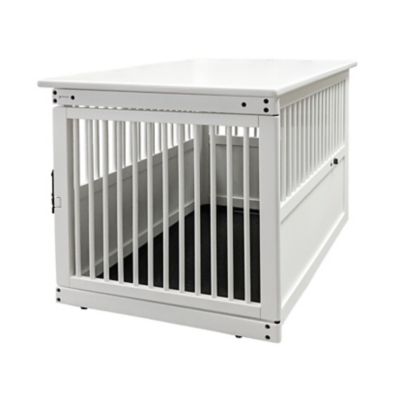
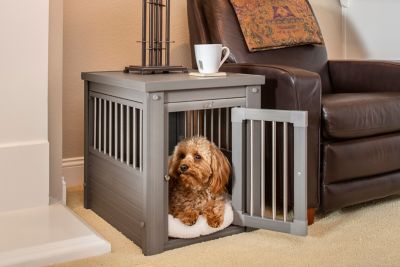
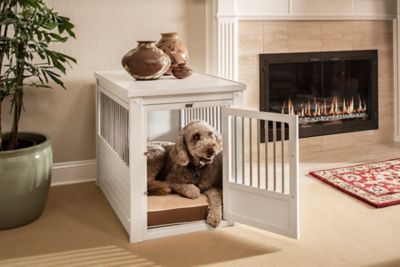
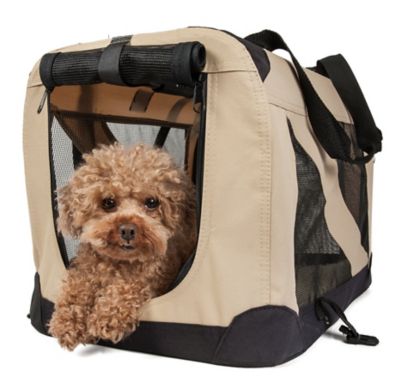
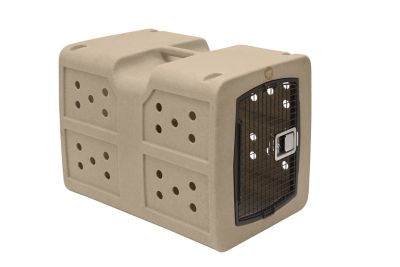
Cozy dog crates bring together a sturdy enclosure, room to rest naturally, and bedding that suits the dog inside. A comfortable setup gives a pet a familiar place to settle while the household carries on nearby, whether that means supper in the kitchen or boots coming off by the back door. The crate itself provides the structure; the floor mat, doorway, ventilation, and placement help make that space inviting. Wire dog crates offer an open view and plenty of airflow, making them a practical option for dogs that like keeping an eye on their people. Molded plastic crates have more enclosed sides, which may suit dogs that settle better with fewer distractions, provided the openings allow adequate ventilation. Soft-sided dog crates pair fabric panels with mesh windows and a lightweight frame, making them easier to carry for visits or overnight stays. They generally fit calm, crate-trained dogs better than puppies that chew or pets that scratch at an exit. Furniture-style dog crates bring a more finished look to a living room or bedroom, though their materials and construction still need to match the dog's behavior. Wood edges, fabric panels, and exposed mesh may not hold up to determined chewing. Shoppers comparing appearances can also explore
dog crates in other styles, keeping comfort and containment at the center of the decision. Across these styles, a cozy dog crate should feel like a resting spot rather than a tight compartment. Many dogs appreciate a predictable place to nap, but an enclosed space does not automatically ease distress. A dog that pants, paws at the door, or tries to escape needs attention to the cause, not simply thicker bedding or a heavier cover. Gentle introductions and a routine that includes exercise, bathroom breaks, and time with the family matter just as much as the crate's construction.
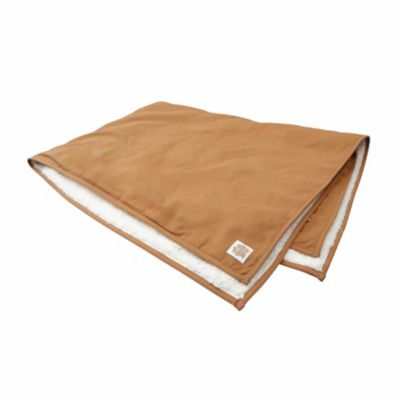
Fit makes a big difference in how comfortably a dog can spend time in a crate. Interior dimensions should allow the dog to stand without crouching, turn around easily, and lie down in a natural position. Breed names and weight ranges offer a starting point, but a long-backed dog and a broad-chested dog can need different spaces even at the same weight. Measure the dog while standing, compare those measurements with the manufacturer's sizing directions, and account for the room taken up by a cushion. A thick pad can reduce headroom, particularly beneath a sloped roof or rounded top. Door dimensions deserve a close look, too: an older farm companion with stiff joints may find a wide entrance and low threshold easier to manage than a narrow opening with a tall step. For a growing puppy, a compatible divider can adjust the resting area as the pup gets bigger, without requiring an oversized sleeping space from the start. Bedding should lie flat within the crate floor rather than bunch at the corners or interfere with the latch. A fitted crate mat provides a simple resting surface, while a supportive foam pad may suit a dog that needs more cushioning beneath the hips and elbows. Plush fabric can feel inviting, but it is not the right match for every pet. Dogs that tear seams or swallow stuffing need a different bedding approach, with close supervision and advice from a veterinarian when ingestion is a concern. No fabric bed should be treated as chew-proof. Washable covers, protected seams, and a slip-resistant underside can make everyday upkeep and footing easier. The layout outside the crate matters as well. A side door may work better beside a couch, while a front entrance may suit a quiet corner with a clear walking path. Doors should open fully without hitting furniture, and nearby cords, curtains, or other tempting materials should stay beyond reach. A spot close to everyday family activity, but clear of constant foot traffic, lets a dog rest without being cut off from the household.
Materials and care features help determine whether that comfortable setup stays pleasant through muddy paws, shedding, and the occasional accident. On a wire crate, smooth welds, properly secured panels, and a latch that closes cleanly are worth checking. A removable tray can simplify cleanup, especially when its edges contain small spills and its surface has no cracks or sharp spots. Plastic shells should have sound fasteners and intact ventilation openings, while fabric crates benefit from regular checks around zippers, mesh, and frame joints. Folding designs can be handy when a crate moves between rooms or travels along for a family visit, but every panel and locking point needs to be fully engaged before the dog goes inside. An everyday portable crate is not automatically designed to protect a pet in a vehicle collision; travel needs call for attention to the manufacturer's stated purpose and securement directions. At home, removable bedding makes it easier to shake out hair and wash away tracked-in dirt. Follow care labels for crate mats and covers, clean hard surfaces with a pet-appropriate cleaner as directed, and let everything dry completely before reassembly. Regularly lift the pad to check underneath, where moisture and grit can collect out of sight. Covers can soften the view around an open wire crate for dogs that prefer fewer visual distractions, but they should never block ventilation or hang where a dog can pull the fabric inside. Some dogs settle better with the crate uncovered, so enclosure should follow the pet's comfort rather than a particular look. Collars and harnesses can catch on crate parts; removing them before confinement helps reduce that risk. For households welcoming a puppy, caring for an older dog, or giving a newly adopted companion a steady routine, these small details add up. A crate and washable mat can also make a thoughtful gift for a dog owner when the dog's measurements, habits, and household space are known. The best match is not necessarily the softest or most enclosed option. It is the one that gives that particular dog enough room, sound footing, suitable support, and a calm place to rest between time spent out with the family.