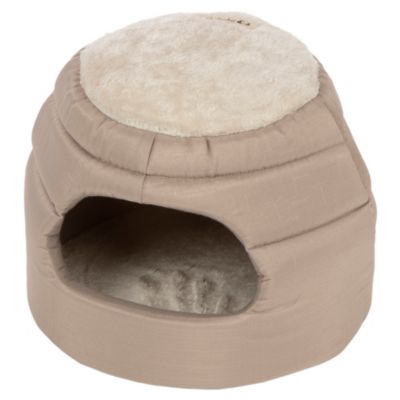
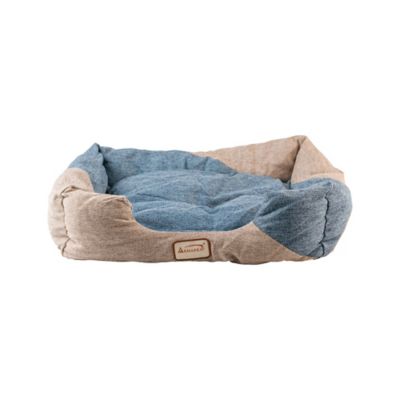
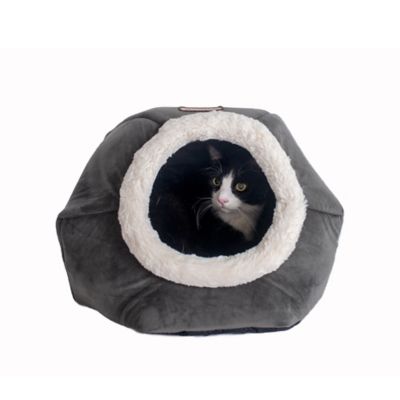
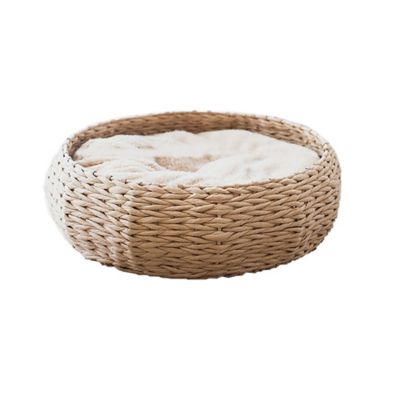
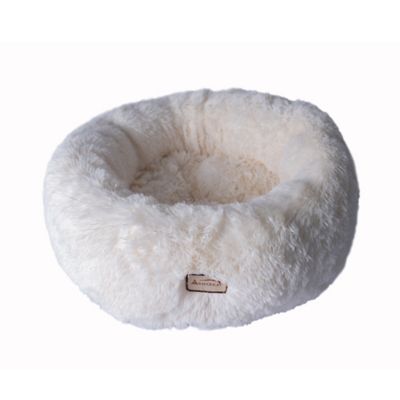
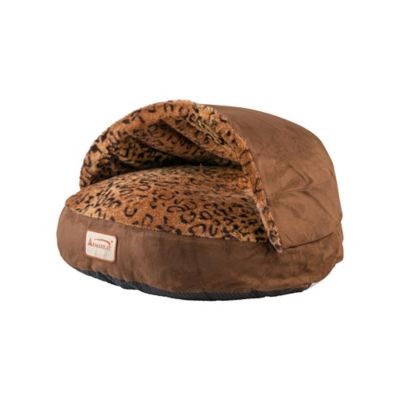
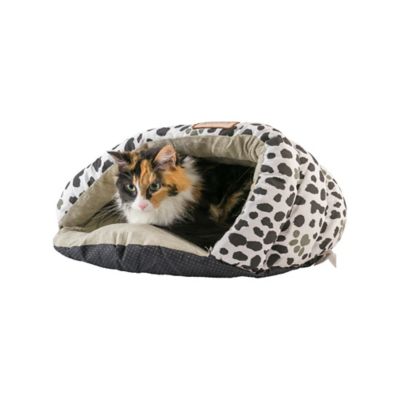
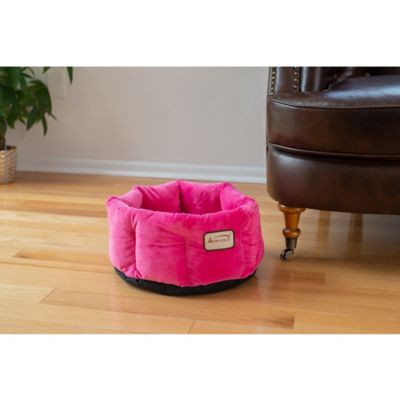
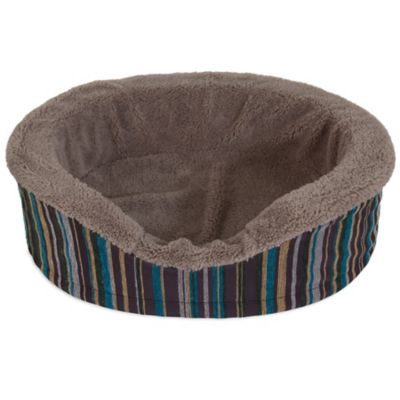
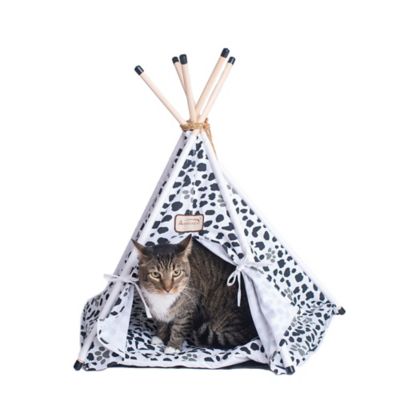
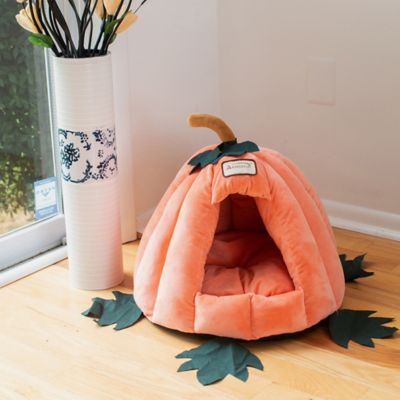
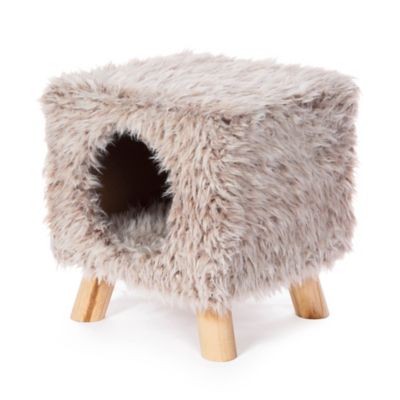
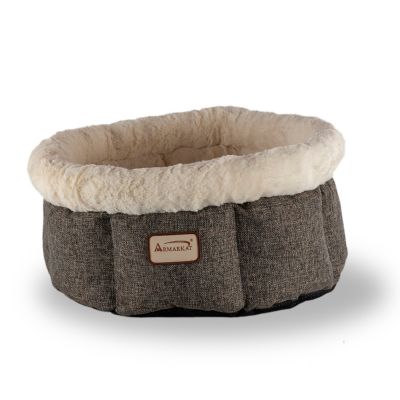
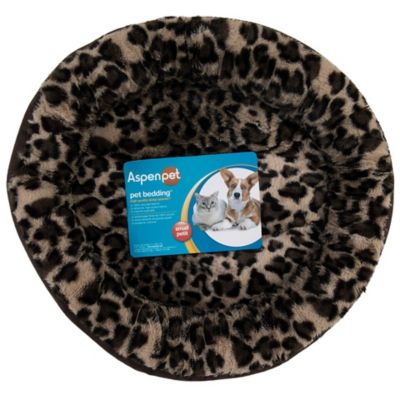
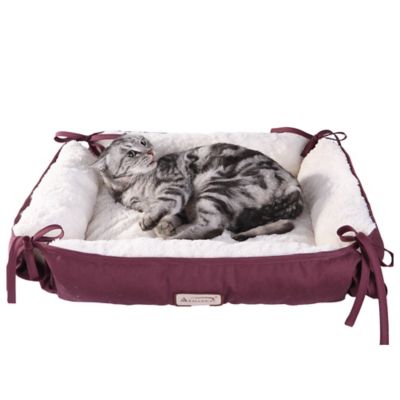
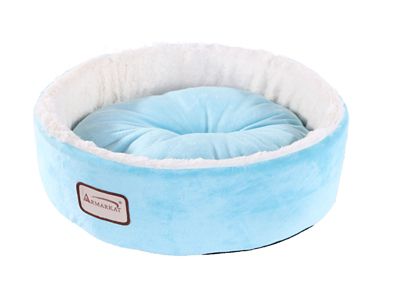
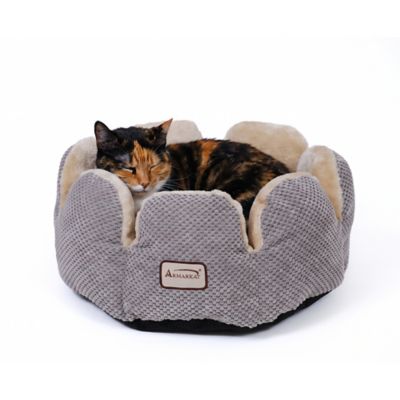
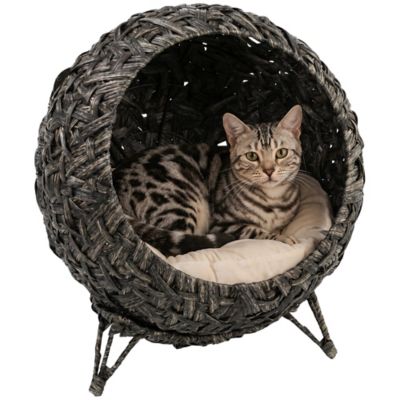
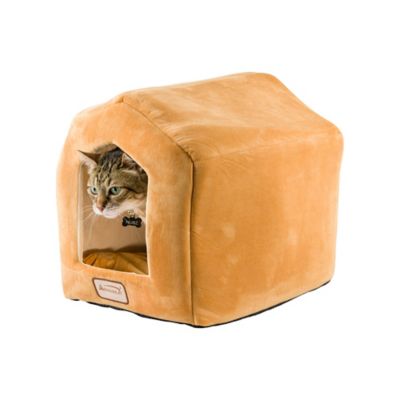
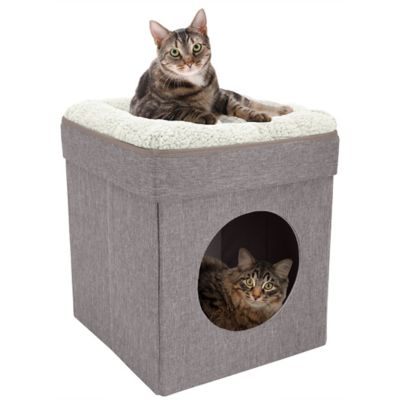
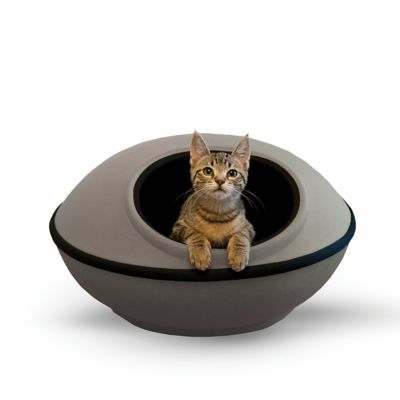
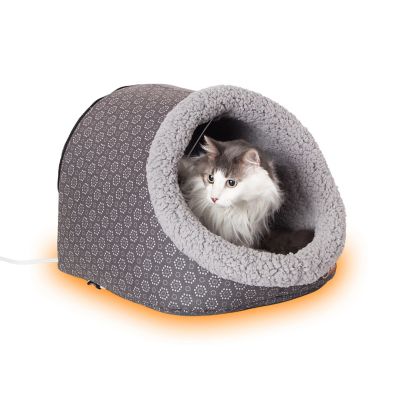
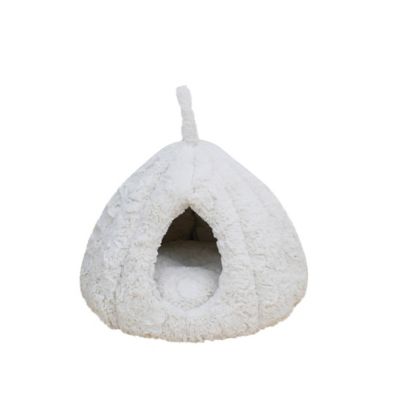
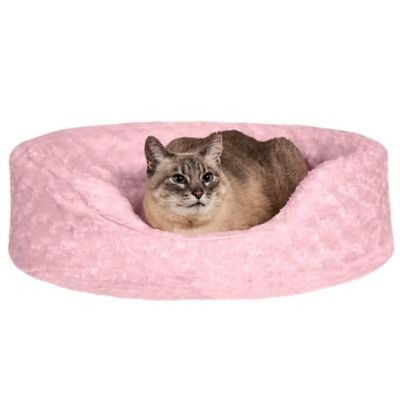
Cat beds for small cats give kittens and petite adult cats a resting spot sized for curling up, stretching out, or tucking themselves out of sight. Common styles include open bolster beds, round donut beds, covered caves, and low-profile mats, with the right fit depending as much on sleeping habits as body size. A cat that sleeps nose to tail may enjoy a rounded bed with raised sides to lean against, while one that sprawls across the couch may settle better on a flat cushion with room for outstretched paws. Covered beds offer a sheltered nook for cats that like slipping beneath a blanket or snoozing inside an empty feed box. Open beds make it easier for an alert little cat to keep an eye on the household without lifting its head. The usable sleeping area matters more than the outside measurements, since thick bolsters and padded walls can take up a fair bit of space. A bed that looks roomy from the outside may have a snug center, particularly in a donut or hooded design. Measurements taken while a cat rests in its usual position give a better sense of fit than weight alone. There should be room to turn around and settle comfortably without making the bed so oversized that the raised edges sit beyond reach. For kittens, a little growing room makes sense, but tall sides or a narrow entrance can be awkward for short legs. Low entry points also suit small adult cats that have trouble stepping over a high bolster. Hooded styles need enough clearance for the cat to enter without squeezing through or brushing against a stiff opening. Some convertible designs offer both a covered hideaway and an open resting surface, which can suit a cat that changes sleeping spots throughout the day. Whether the favorite pose is a tight curl or a full sideways flop, the bed’s shape should leave the cat free to rest naturally. That balance of snug surroundings and usable space is what makes a small bed feel like a proper resting spot rather than a tight squeeze.
Fabric and filling affect how a cat bed feels underfoot and how well it stands up to everyday kneading, shedding, and washing. Plush fleece and faux fur provide a soft surface for cats that like to burrow their noses into bedding, while smoother woven covers can be easier to brush free of loose hair. Long fibers may hold onto litter crumbs and small bits of debris, so the sleeping surface deserves a close look in a busy household. Padding should cushion the cat without forming a deep hollow that makes getting up difficult. Fiber-filled beds often have a pillowy feel, while foam inserts can provide a flatter, more structured resting surface. Cats that lean hard against the edge may appreciate a bolster that keeps its shape instead of folding outward. Covered beds need enough support to keep the entrance open, especially when a kitten is still figuring out how to climb inside. Self-warming styles contain insulating or reflective layers that help conserve a cat’s body heat without an electrical cord. Some reflective liners make a faint crinkling sound, which may matter for a cat that startles at unfamiliar noises. Washability is another practical difference between bed designs: a washable cover does not necessarily mean the filling, foam, or entire bed can go into the machine. Care directions should identify which parts can be washed and how they should dry. Removable cushions make it simpler to freshen the area where fur and dander collect, and a spare washable liner can help keep the sleeping spot tidy between full cleanings. Well-finished seams, securely enclosed filling, and a sturdy bottom help a bed handle repeated settling and pawing. Loose threads, exposed stuffing, and dangling trim need attention, particularly around kittens that chew. A nonslip base can help limit sliding on smooth floors, though the bed still belongs on a stable surface. For a cat that circles several times before lying down, steady footing can make the whole setup feel more inviting.
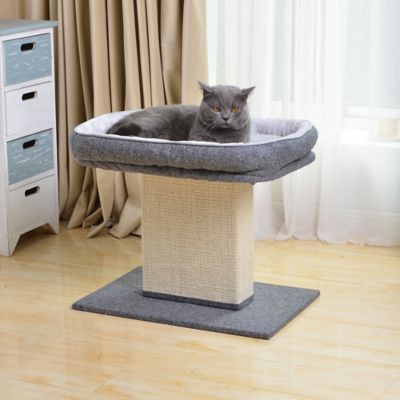
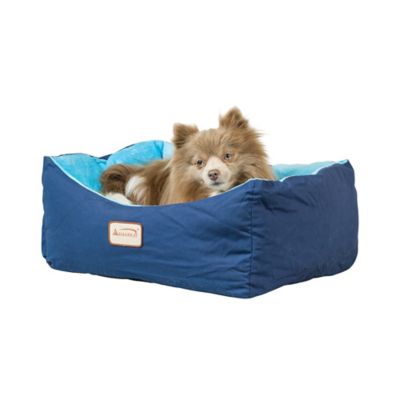
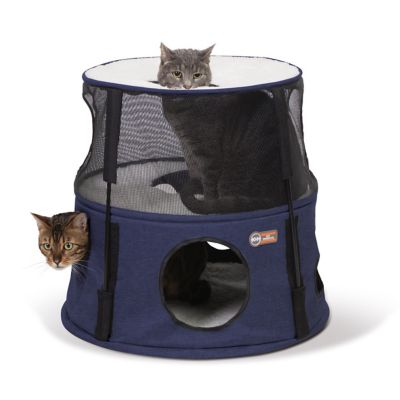
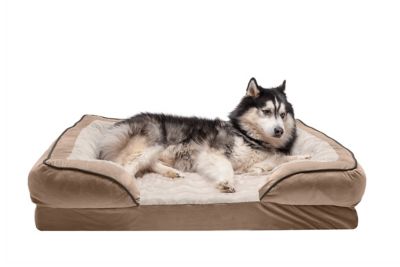
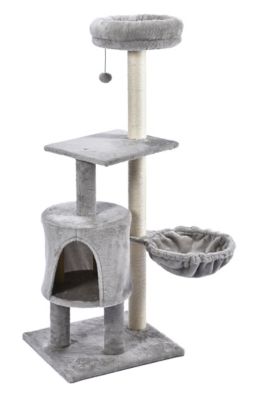
A small cat’s bed often works best where the cat already chooses to take a break: beside a favorite chair, in a quiet bedroom corner, or near the household activity without sitting directly in its path. A compact footprint can tuck alongside furniture without crowding a walkway, but enough space around the opening helps the cat come and go freely. A bed beside the sofa lets a companionable cat stay close while keeping a resting place of its own. A covered nook away from the mudroom doorway may better suit a shy cat that prefers not to have boots and paws passing by all day. Familiar bedding can help a new sleeping spot feel less unfamiliar, and leaving the entrance clear gives the cat a chance to investigate at its own pace. There is no need to keep moving a bed around if the cat takes time to settle into it. In homes with several cats, separate resting places give each animal more choice and reduce the need to share one small cushion. Stacked resting platforms can add sleeping space without spreading across the floor, provided the structure is stable, the surfaces offer traction, and each level is easy for the cat to reach. A lightweight cat still needs secure footing and a supported platform; a compact frame alone does not establish suitability. Ground-level beds are often a simpler fit for very young kittens or cats with limited mobility. Cat beds for small cats can also make a thoughtful gift for someone welcoming a kitten or caring for a petite longtime companion, especially when the bed’s shape matches that animal’s habits. For households making separate resting spaces for feline and canine companions,
Covered Dog Beds for Small Dogs is a related category to explore. Each animal’s bedding should suit its own size, movement, and sleeping style. The most useful cat bed is one that fits both the little sleeper and the daily routine, with a comfortable surface, manageable care, and a spot the cat is happy to claim.