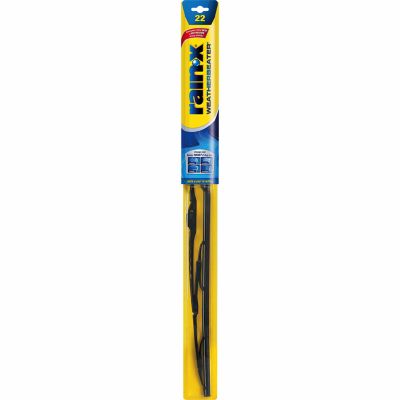
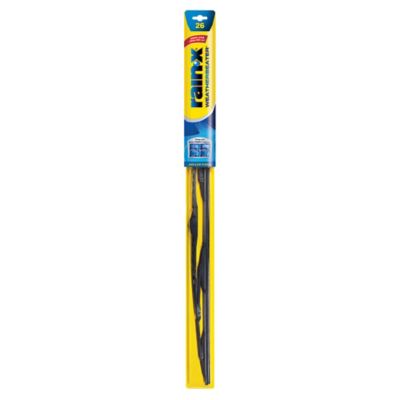
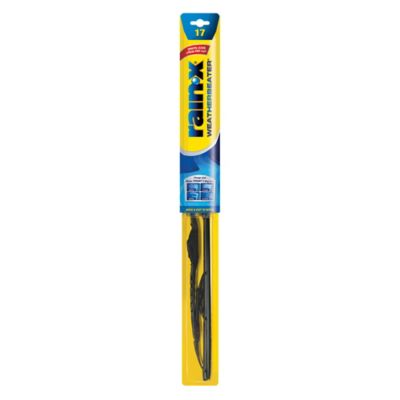
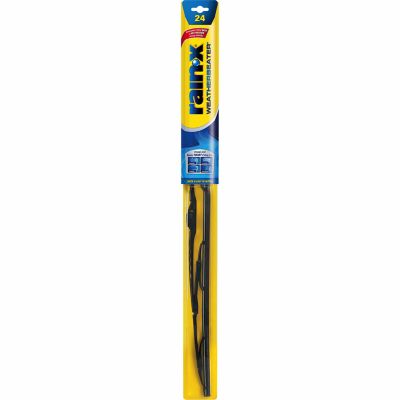
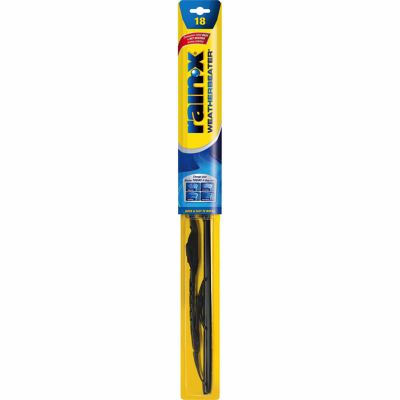
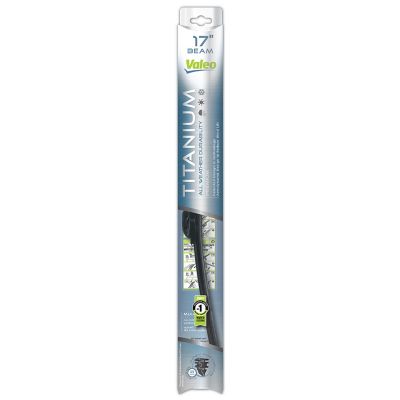
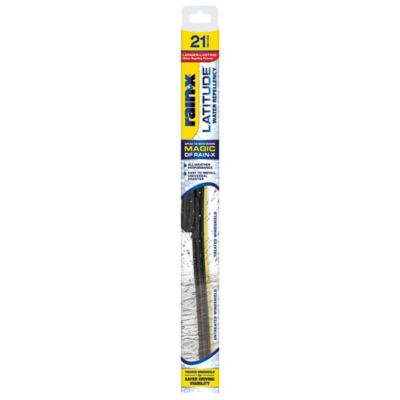
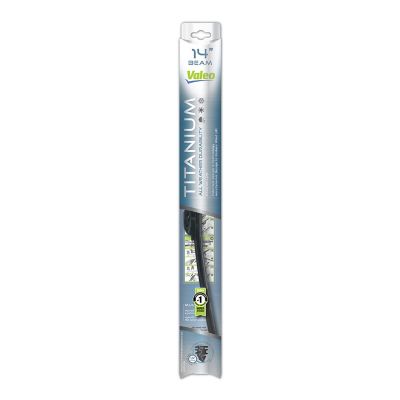
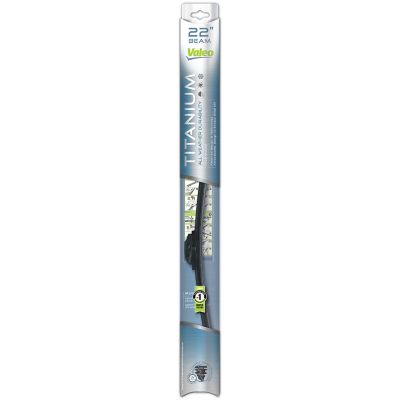
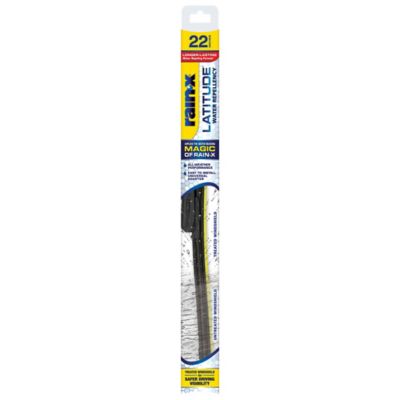
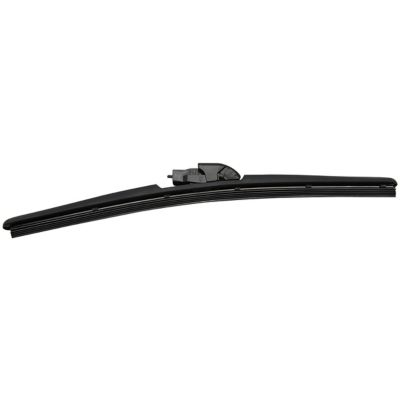
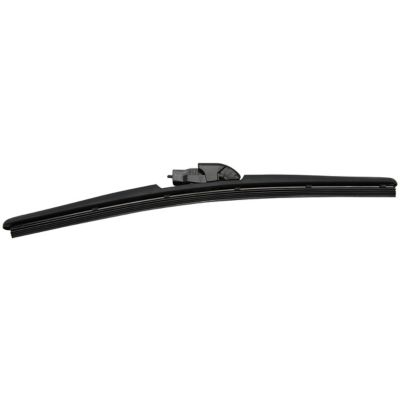
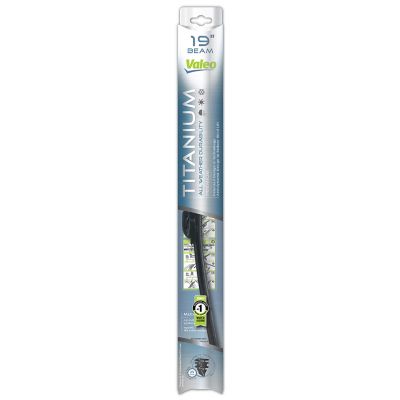
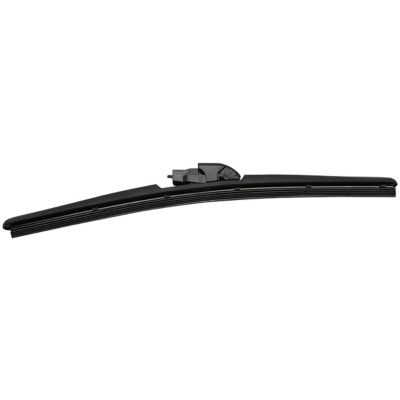
Conventional wiper blades are framed windshield wipers with a rubber wiping edge supported by a jointed structure, usually made of metal. The frame spreads pressure from the vehicle’s wiper arm along the rubber squeegee so it can follow the windshield’s curve and sweep away rain, road spray and loose debris. Many conventional designs have six to eight contact points, although the number and arrangement vary by blade. Those contact points help distribute force; the wiper arm supplies the spring pressure that holds the assembly against the glass. This familiar construction makes conventional windshield wiper blades a practical replacement style for many cars, pickups, SUVs and vans with compatible wiper systems. They belong on the maintenance list for the pickup that heads down a gravel lane before daylight, the family vehicle making school runs and the work van traveling between job sites. Unlike beam blades, which generally have a frameless, curved support structure, conventional blades have visible bridges and joints above the wiping edge. Their open construction is easy to recognize, but appearance alone does not establish whether a blade fits a particular vehicle. Frame materials, protective finishes, rubber compounds and attachment designs differ across applications. Coated metal frames help limit corrosion from moisture and road exposure, while the wiping element may contain natural rubber, synthetic rubber or a blend. Some wiping elements have surface treatments intended to reduce friction as they travel across the glass. These details affect how a blade handles repeated movement, exposure and everyday wear, but even a sturdy frame needs a flexible, intact wiping edge to clear the windshield properly. For drivers who prefer the framed design specified for their vehicle, conventional blades offer a straightforward way to maintain that setup without changing to another blade style. The main considerations are proper fit, even contact with the glass and a connection that matches the wiper arm.
Fit involves more than choosing a blade that looks about the same length as the old one. Conventional wiper blade sizing is generally listed in inches, and the driver’s side and passenger’s side often require different lengths. A rear-window wiper, when present, may have a separate size and attachment system altogether. Vehicle year, make, model and sometimes body style help establish the correct application, with the owner’s manual and blade manufacturer’s fit information providing the clearest reference. Measuring the existing blade can offer a useful cross-check, but it does not confirm that the previous replacement was the right one. A blade that is too long can strike another blade or reach beyond the intended sweep area; one that is too short can leave more glass uncleared. Attachment style matters just as much. Hook-style arms are common, while pin, bayonet and other connections appear on different vehicles. An included adapter is only helpful when it is intended for the arm in question, and a connection should lock securely rather than merely slide into place. The blade also needs enough clearance to move through its full sweep without contacting trim or another wiper. Windshield shape and the condition of the arm influence performance after installation, too. A bent arm, restricted joint or weak arm spring can keep a fresh wiping edge from making even contact. That matters on a long drive behind a truck throwing road spray, where an uncleared strip can sit directly in the driver’s line of sight. Conventional blades are intended for clearing moisture and light surface debris, not scraping away packed ice or moving a heavy load of snow. Their exposed frame joints can collect ice, so drivers facing frequent freezing conditions may need to consider whether a winter-specific design is appropriate for their vehicle. The right choice follows the vehicle’s requirements and the conditions it regularly encounters, rather than assuming every blade of the same length will work alike.
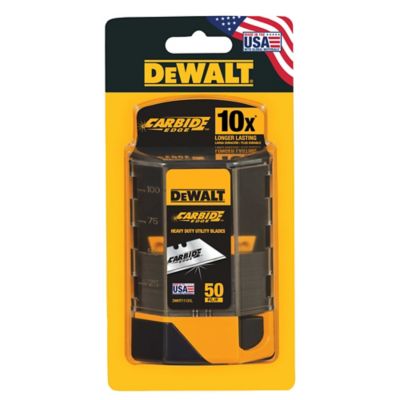
Care and timely replacement help conventional wiper blades do their job without putting needless strain on the wiping edge. Dust from a farm lane, gritty splash from a shoulder and bug residue from a highway trip can all interfere with the contact between rubber and glass. A clean windshield and a gently cleaned wiping edge give the blade a better surface to travel across. Cleaning methods and products should follow the vehicle and blade manufacturers’ recommendations, since harsh solvents and petroleum-based products can harm some rubber compounds. Running the wipers across dry, gritty glass adds friction, while operating blades frozen to the windshield can damage the rubber or stress the wiper system. Clearing snow and loosening ice before the wipers move protects parts that are meant to sweep, not scrape. Wear shows up in several ways: a thin streak that follows every pass, sections of water left behind, chatter across the glass or a wiping edge that has split or pulled away from its support. Squeaking alone does not always point to a worn blade, since glass contamination and other conditions can cause noise, but persistent trouble deserves a closer look. Sunlight, heat, cold, road grime and repeated flexing all affect service life, making condition a better measure than mileage alone. A truck that sits outside between hauling jobs can still develop hardened or cracked rubber even when it travels relatively few miles. During inspection or replacement, keeping a bare metal wiper arm from snapping against the windshield helps prevent glass damage. A well-kept work truck and a ready-to-work shop depend on different replacement parts, from conventional windshield wipers to
Tungsten Carbide Blades for compatible cutting tools. For the windshield, the priorities stay straightforward: the specified blade length, the correct arm connection, freely moving frame joints and a wiping edge that leaves a clear sweep. Those details make a difference whether the next drive is a short run to the feed store or a full day on the road.