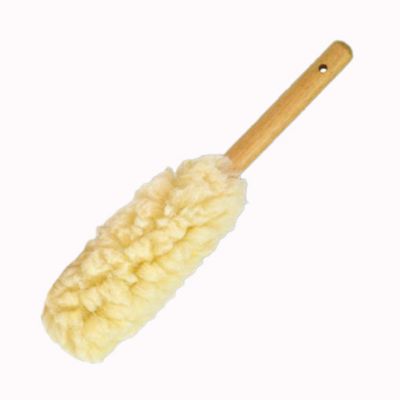
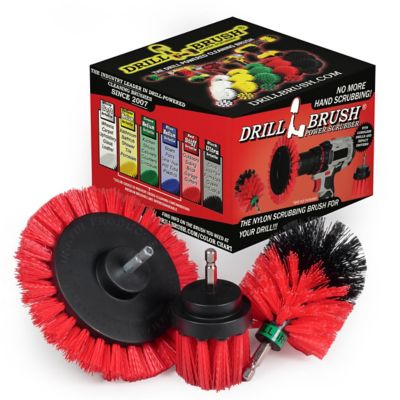
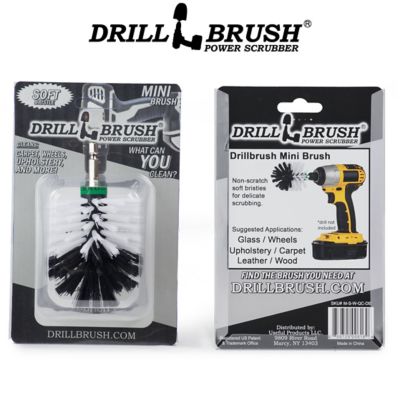
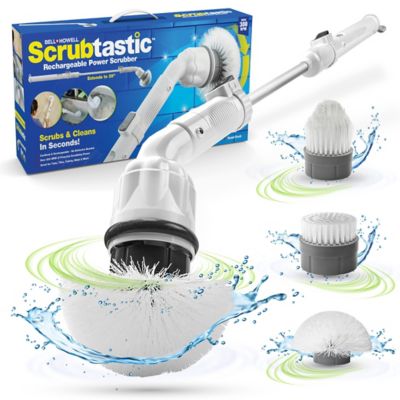
Wheel cleaning brushes make it easier to keep a truck, car, trailer, ATV, or work vehicle looking cared for from the tires up. Wheels pick up plenty of mess along the road, including brake dust, mud, gravel dust, salt residue, oily film, and the fine grit that collects around lug nuts and inside the rim. A regular wash may rinse away loose dirt, but a brush helps loosen the stuck-on grime hiding around spokes, valve stems, wheel edges, and the inner barrel. The right brush can reach those tucked-away spots without making the job harder than it needs to be. Many drivers keep a wheel cleaning brush with their wash bucket and hose, while others use one as part of a more thorough detailing setup before a vehicle is parked for the cooler months. They can be useful for daily drivers, farm trucks, utility trailers, campers, motorcycles, and off-road machines that spend time on dusty lanes or muddy trails. A quality brush also makes a practical gift for someone who takes pride in a clean ride, enjoys working in the garage, or likes having the right tool ready when company is coming to town. When choosing among wheel cleaning brushes, start by considering the wheel material and finish. Painted, clear-coated, polished aluminum, and chrome surfaces can be sensitive to rough fibers and trapped grit, so a soft brush made with gentle synthetic fibers, microfiber, horsehair, or boar’s hair is often a smart choice for the visible face of the wheel. Softer bristles can lift dirt from around spokes and lug nuts while helping reduce the chance of scuffs. A brush with a long handle can provide extra reach and keep your hands away from wet grime, while a shorter handle may offer better control on open wheel designs. Protective rubber or vinyl around the handle, tip, or knuckle area is another useful detail because it helps prevent an accidental bump against the rim while you work.
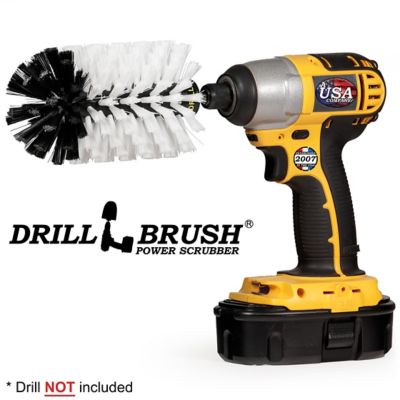
The shape of a wheel cleaning brush matters just as much as the bristles. A slim face or spoke brush works well for the front of the wheel, between narrow spokes, and around lug nuts where dirt tends to build into a dark ring. A long, cylindrical barrel brush is made to reach farther behind the spokes and into the inside channel of the rim, where brake dust can sit unseen until it becomes difficult to remove. For deep or dish-style wheels, extra length and a flexible head can help cover more of the inner surface without forcing your hand into a tight opening. Tire scrub brushes are a separate tool and should generally be reserved for the rubber sidewall and tread area rather than used on a delicate wheel finish. Their firmer bristles are helpful for bringing out the raised lettering and cleaning away brown residue from tire dressing, but that same stiffness can be too harsh for polished or painted metal. If your vehicle has several wheel styles, a small assortment of brush shapes may be more useful than relying on one brush for every task. Look for construction that can stand up to repeated soaking and rinsing, especially if you use wheel cleaners that are acidic or alkaline. Chemical-resistant synthetic materials, secure bristle attachment, and a handle that stays comfortable when wet all add to a brush’s useful life. Always follow the care directions for the wheel finish and cleaning solution, and test an unfamiliar cleaner or brush in a less noticeable area first. A simple approach is to rinse loose grit away before brushing, work one wheel at a time, and rinse the brush often so it does not carry abrasive dirt from one section to another. Cleaning from the top down helps keep loosened grime moving toward the ground, while a separate bucket or rinse water for wheels can help keep heavier brake dust out of the bucket used on the vehicle’s body.
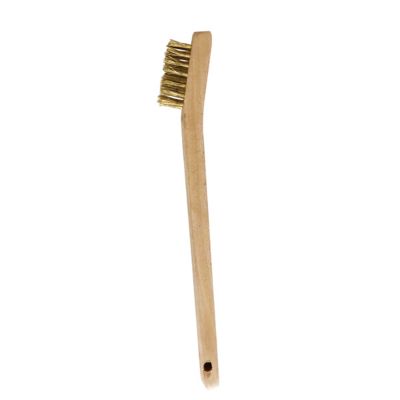
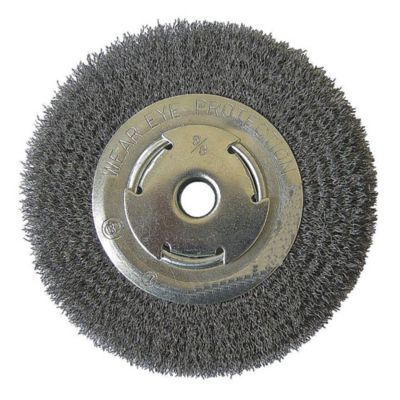
For wheels with especially stubborn buildup, let a cleaner do some of the work before brushing, following the product label and avoiding a cleaner that is not approved for the wheel’s finish. Do not let cleaning chemicals dry on a hot wheel, and avoid scrubbing when the surface is hot from travel or strong sun. During the cooler months, road salt, slush, and damp grit can collect quickly, so regular rinsing and gentle brushing can help limit residue around fasteners and behind spokes. On farm trucks and equipment, a wheel brush can also help remove packed soil and manure splatter after a long day around the barn or pasture, though heavy mud should be rinsed away before detailed scrubbing. For a work trailer or utility vehicle, reaching the inner rim and corners can help reveal loose debris, rust spots, or other issues that deserve attention before they grow into a larger repair. Store brushes where they can dry fully between uses, with the bristles supported rather than crushed under heavy tools. A brush that is kept clean and allowed to dry is less likely to hold grit or develop an unpleasant odor. Some shoppers may also want a tougher brush for unpainted metal parts, shop cleanup, or heavily soiled equipment; in those cases, browse
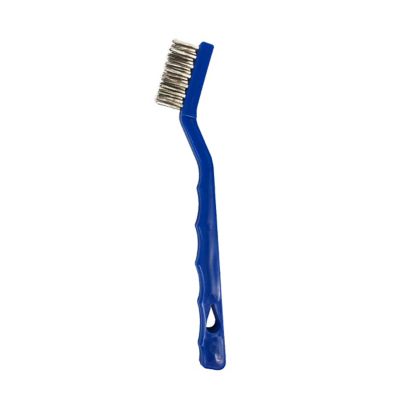
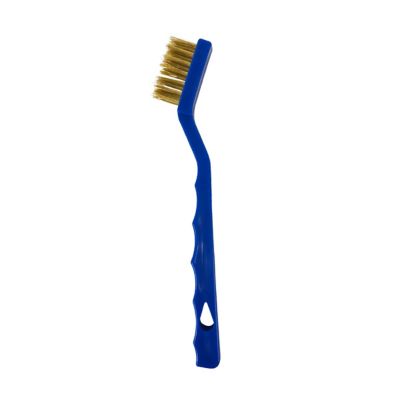
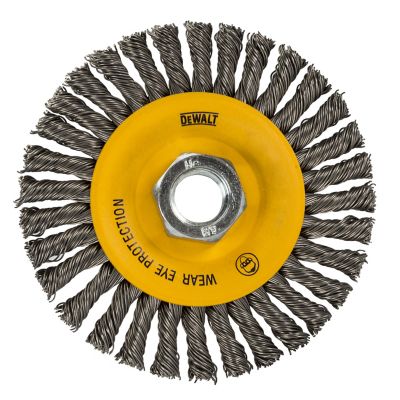
Power Wire Brushes, keeping in mind that wire bristles are intended for more aggressive cleaning and are not a substitute for a soft wheel brush on painted, polished, or clear-coated surfaces. Whether the goal is a quick rinse after a gravel-road drive or a careful clean before storing a favorite truck, the best wheel cleaning brushes combine the right reach, softness, shape, and durability for the job. Choosing a brush that matches the wheel finish and the kind of dirt you encounter makes routine cleanup more comfortable and helps keep every mile-looking part of the vehicle in good shape.