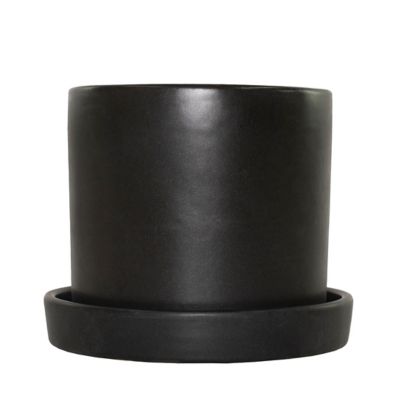
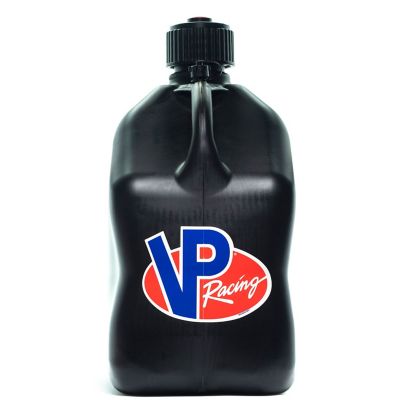
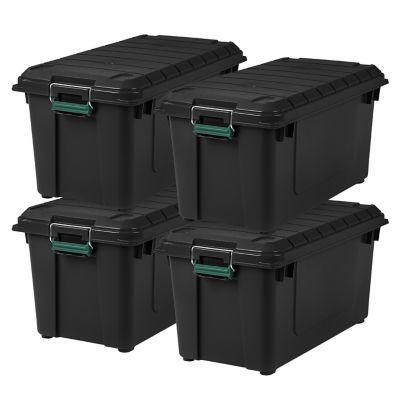
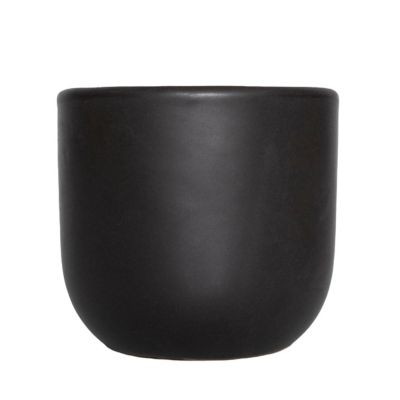
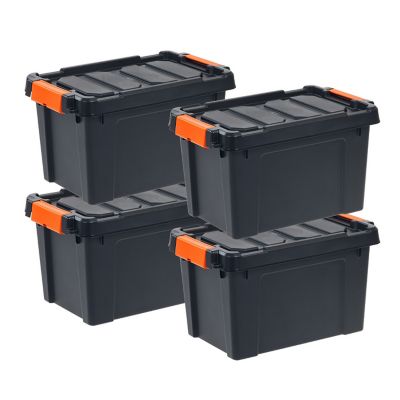
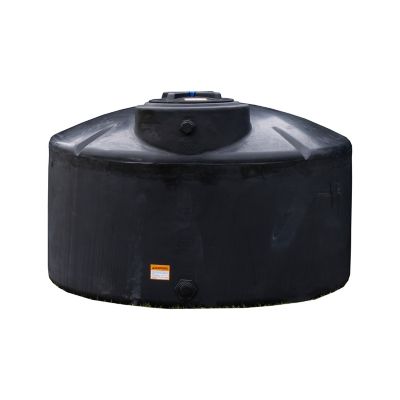
Black containers bring a clean, coordinated look to storage without making a working space feel fussy. In a garage, tack room, mudroom, or shop, the dark finish fits easily alongside metal shelving, wood benches, and everyday equipment. It can also make a row of mismatched supplies look a little more settled, whether the contents are riding gear, gardening supplies, or the small parts that tend to collect on a workbench. Color is only part of the picture, though. The right shape and capacity help a container earn its place. A shallow design keeps smaller belongings within reach instead of letting them disappear into the bottom, while a deeper shape makes room for larger gear. Square and rectangular containers generally make good use of shelf space, and round shapes can suit loose materials or tasks that involve scooping and pouring. Before choosing a size, measure the shelf opening, the clearance beneath a bench, and the doorway or cabinet opening the container needs to pass through. Outside dimensions matter for placement; inside dimensions matter for what actually fits. Tapered sides, molded handles, and lid edges can all take up space that is easy to overlook. For a container that will stay beneath a workbench, leave enough room to pull it forward without scraping knuckles against the shelf above. For one that needs to travel between the house and barn, think about its weight when full, not just its capacity when empty. A large container filled with soft gear is a different load from the same space filled with metal hardware. Black sides can conceal clutter, but opaque walls also hide the contents, so a clear labeling system helps keep chores moving. Simple labels facing the aisle make it easier to grab the right supplies without opening several lids, and contrasting lettering stands out against the dark surface. That small detail makes a difference when several people share the same storage area.
Material and construction help determine where black containers fit into daily work. Plastic is often a practical choice when manageable weight and straightforward cleanup matter, although performance depends on the resin, wall thickness, and overall design.
Plastic Storage Containers offer another way to explore this material for organizing spaces around the house and property. Rigid walls help a container hold its shape, while more flexible designs may have some give during handling. Neither feel alone tells the whole story; the stated weight limit and intended purpose are better measures of suitability. Metal brings a different set of considerations, including empty weight, finish, and care around scratches or exposed edges. Whatever the material, check the base, corners, rim, and handle attachment points, since those areas take much of the strain when a full container moves. A smooth interior is easier to wipe clean, while grooves and tight corners may need a little more attention. Lid style matters just as much as the body. A lift-off lid needs a place to rest while the contents are within reach, and a hinged lid needs overhead clearance. Latches can help keep a lid attached during ordinary handling, but a latch alone does not establish a seal against water, dust, insects, or rodents. Those protections should come from the container’s stated rating or description. The same caution applies to food and animal feed: black coloring does not establish food-contact suitability, and a general storage container should not be assumed appropriate for either purpose. Containers intended for chemicals require compatibility with the contents, proper labeling, and handling consistent with the chemical manufacturer’s directions. Keeping feed, household supplies, and shop chemicals in separate storage areas helps reduce the chance of a mix-up. When contents need frequent access, an open-top shape may be more convenient than a covered one, provided protection from spills and contamination is not required. Matching the closure to the task can save a fair amount of daily fuss.
The best fit also depends on how a space works from one chore to the next. Someone tending a small acreage may want supplies grouped by task, while a busy household may need separate places for sports gear, pet-care supplies, and work gloves. In a shared shop, consistent container sizes can make shelf arrangements easier to maintain, but matching dimensions do not automatically mean containers are safe to stack. Look for designs specifically intended for stacking, follow load limits, and keep heavier loads low. A lid that bows under weight or a base that sits unevenly is a sign to rethink the arrangement rather than add another layer. Nesting containers can save space when empty, though that feature serves a different purpose from stacking filled containers. Handles should provide enough clearance for a comfortable grip, including room for work gloves if that is part of the routine. Wheels can reduce lifting on suitable surfaces, but thresholds, gravel, and uneven barn floors call for attention to wheel size and the design’s intended terrain. Care is usually simpler when spills are handled promptly and containers are cleaned according to the manufacturer’s directions. Mild soap and water may suit many general storage applications, but cleaning requirements depend on both the material and what has been inside. Let washed containers dry fully before replacing lids, especially before putting away fabric or paper. Black finishes can make pale dust and dried residue easy to spot, so an occasional wipe-down helps storage areas stay tidy. Check hinges, latches, handles, and bottoms from time to time for cracks, loose connections, or sharp edges, and take damaged containers out of load-bearing service. For anyone setting up a first workshop, organizing a tack room, or getting a crowded utility area back in order, a thoughtful container arrangement makes everyday tasks less scattered. The payoff is practical: supplies stay grouped, walking paths stay clearer, and the next job starts with less searching. A black container that fits its contents, its shelf, and the way it gets carried has a useful place in that routine.