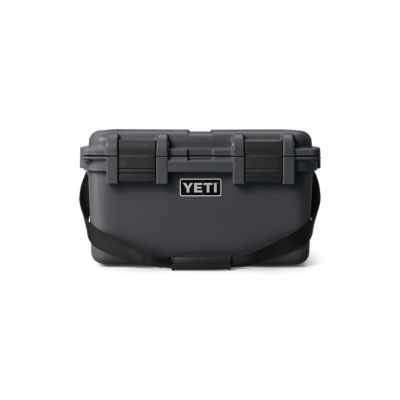
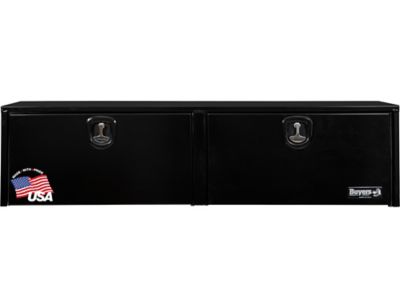
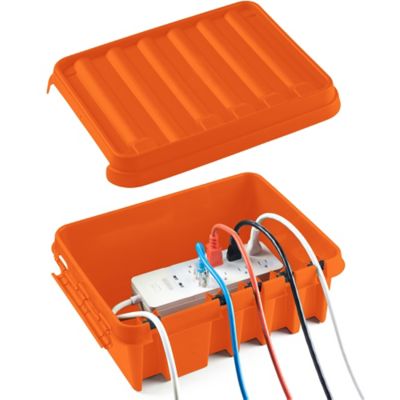
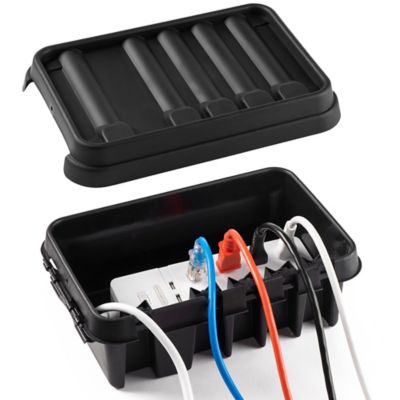
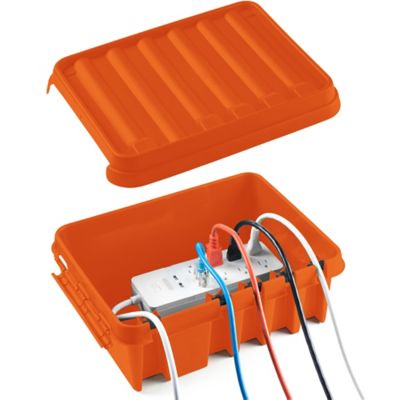
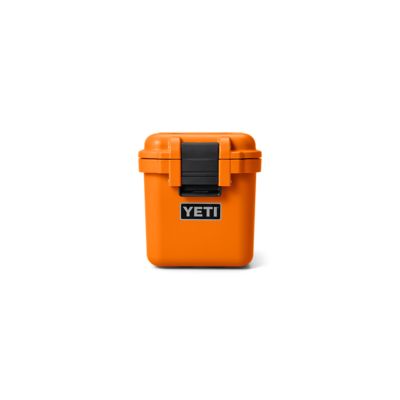
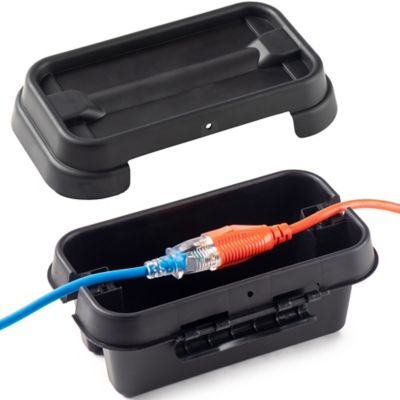
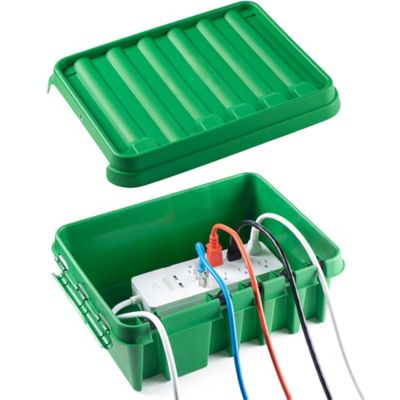
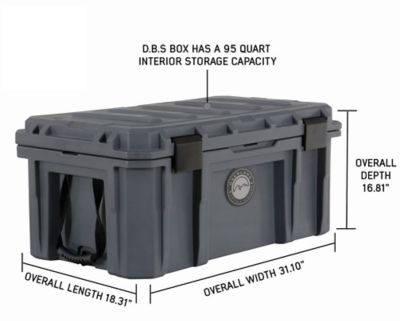
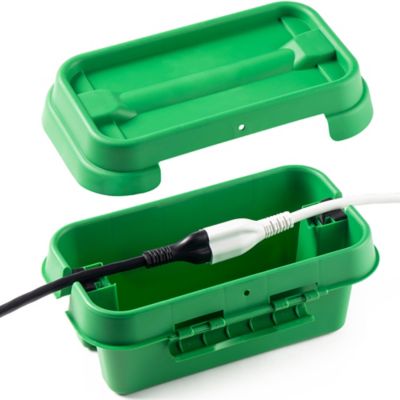
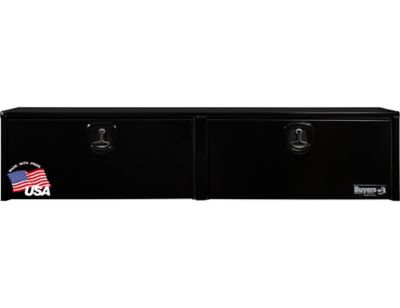
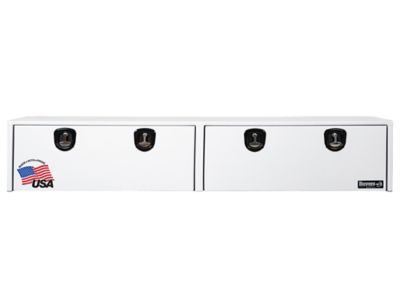
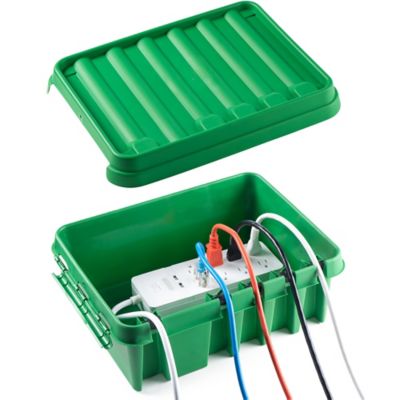
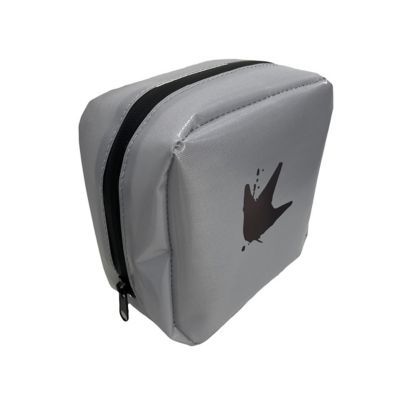
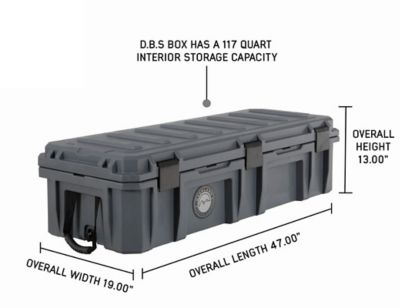
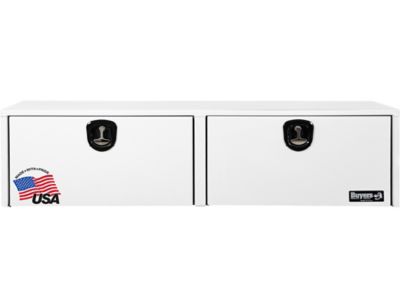
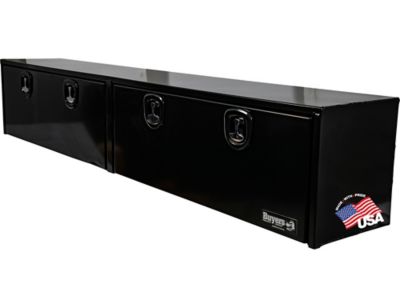
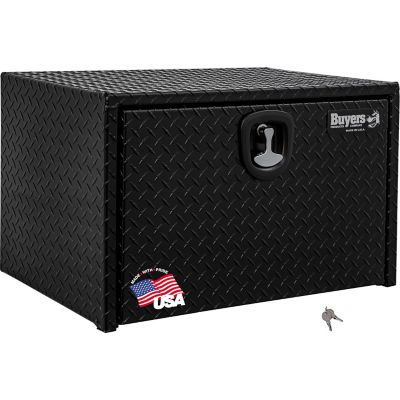
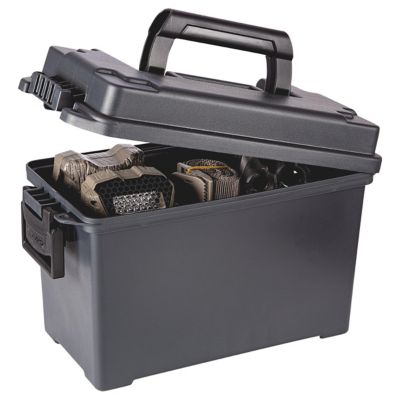
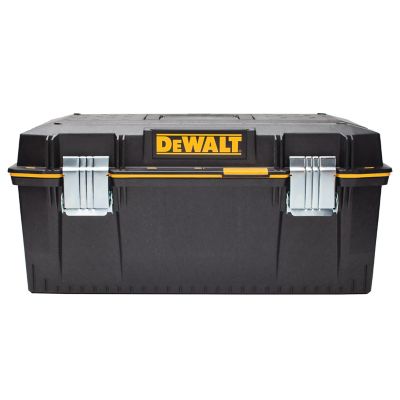
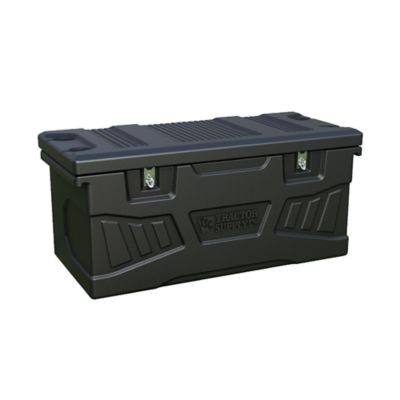
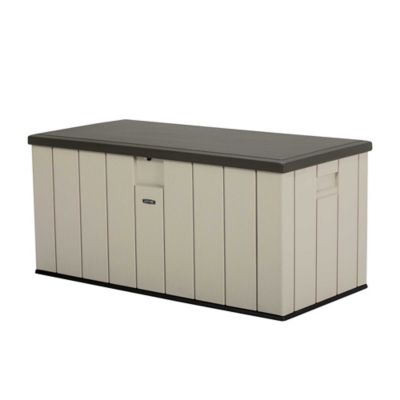
Watertight boxes are sealed containers and enclosures designed to keep water away from their contents under the conditions specified by the manufacturer. A close-fitting lid, a continuous gasket, and secure latches or fasteners work together to form the seal. Depending on their construction and rating, these boxes can provide protection against splashes, washdown spray, or temporary immersion, but those are different levels of protection—not interchangeable promises. Around a farm, shop, boat, or campsite, a watertight box gives small gear a designated place instead of leaving it loose in an open tray or tucked into a pocket. Fishing tackle, spare fasteners, field notes, and sensitive instruments all have different storage needs, so the right enclosure starts with the contents and the conditions it will face. A compact box can ride along in a larger gear bag, while a larger enclosure may hold equipment that needs room for wiring, padding, or organized compartments. Materials also affect how a box handles the job. Molded plastics such as polypropylene, ABS, and polycarbonate offer different combinations of weight, stiffness, and resistance to impact or sunlight. Aluminum and stainless steel enclosures offer other options where mounting strength, corrosion resistance, or equipment requirements matter. No material is the best fit for every setting, and resistance to chemicals, saltwater, or prolonged sun exposure depends on the particular construction. Clear lids make it easier to see a gauge or locate a small part without opening the box. Opaque lids keep contents out of sight, though protection from sunlight still depends on the material and its specifications. For gear that travels between the barn, truck, and dock, handles, hinges, and latch placement matter almost as much as capacity. A box should be comfortable to carry at its loaded weight, with closures that stay secure without snagging on nearby gear. Where bumps and vibration are part of the trip, internal supports or fitted padding can help keep contents from shifting, provided they do not interfere with the seal.
Size and fit deserve a closer look than the outside dimensions alone can provide. Interior measurements determine whether equipment fits beneath the lid, whether a connector has enough clearance, and whether a cable can bend without being pinched. Hinges, molded ribs, mounting bosses, and rounded corners may take up usable space inside the enclosure. A deep lid can add clearance, but that space may not suit an object that needs support at the base. Dividers and trays help separate small parts, while foam inserts can cushion instruments during transport. Those inserts work best when the contents are clean and dry before the lid closes; a sealed box can trap moisture that is already inside. The gasket is another important detail. Rubber O-rings and silicone gaskets are common sealing approaches, but performance depends on the gasket material, its condition, and even compression around the opening. A stray strand of grass, grit from a truck bed, or a cable caught across the rim can keep a lid from seating properly. Hinged covers offer convenient access, while screw-fastened lids may suit equipment that stays enclosed for longer stretches. Latches should pull the cover down evenly rather than require force to overcome an overfilled box. Manufacturer ratings provide a clearer picture of water protection than a general description alone. An IP rating identifies tested protection against solid particles and water, with the two digits addressing different hazards. For example, IP67 indicates dust-tight construction and protection during temporary immersion under defined test conditions; it does not establish unrestricted underwater use. Other enclosure ratings address their own sets of conditions and should be read according to the applicable standard. Dust protection, impact resistance, and water protection are separate considerations. A watertight seal does not automatically mean a box will withstand a hard drop, support a heavy load, or protect contents at any water depth. Matching those details to the actual job helps narrow the choices without expecting one feature to cover every hazard.
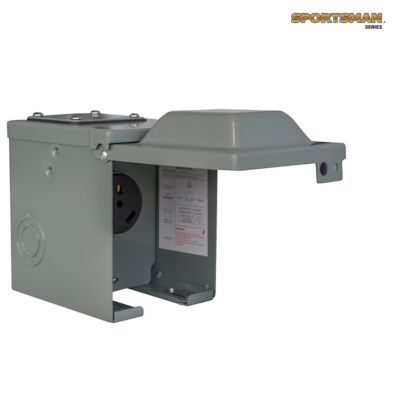
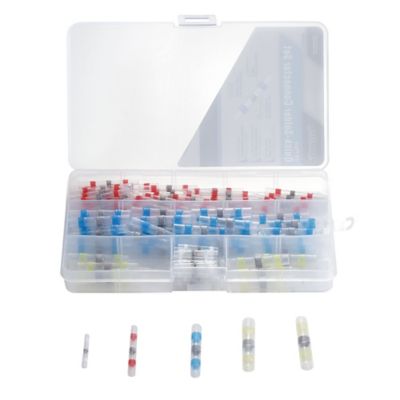
For fixed installations, watertight boxes also serve as housings for compatible controls, connections, and monitoring equipment. A pump area, livestock watering setup, or equipment shed may call for an enclosure that mounts securely and allows access without disturbing nearby lines. Mounting tabs, brackets, or designated attachment points can help preserve the sealed interior when installed as directed. Drilling through a housing or adding cable openings can change its protection, so the finished assembly matters—not just the empty box. Pairing a suitable enclosure with
Waterproof Connectors can help address connection points, provided the components, cable sizes, and installation methods meet the requirements of the application. Cable glands, plugs, and fittings need compatible sealing surfaces and enough room for proper installation. A watertight storage container is not automatically an electrical junction box, and resistance to water alone does not establish suitability for energized equipment, underground placement, or hazardous locations. Electrical work calls for the appropriate listed enclosure, compliance with applicable codes, and a qualified electrician where needed. Access matters after installation, too. A lid positioned behind a pipe or against a wall can make routine inspections harder than they need to be. For portable storage, a broad base and manageable proportions help a loaded box sit steadily during packing and unloading. Care is generally straightforward, but the details make a difference over time. Cleaning the sealing rim and gasket according to the manufacturer’s directions helps keep sand, fibers, and residue from interrupting contact. Cracked housings, bent hardware, loose hinges, and flattened or damaged seals can reduce protection even when the lid appears closed. Replacement seals and hardware need to match the enclosure rather than merely look close enough. Harsh solvents or unapproved lubricants may affect plastics and gasket materials, so material-compatible care products matter. Allowing the interior and contents to dry before storage also helps prevent trapped moisture. With the right dimensions, sealing system, mounting arrangement, and care, a watertight box can keep essential gear organized and protected through the everyday hauling, handling, and splash exposure that come with work and time outdoors.