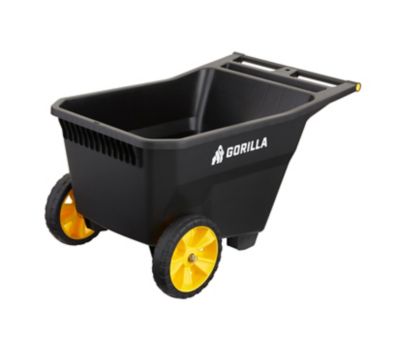
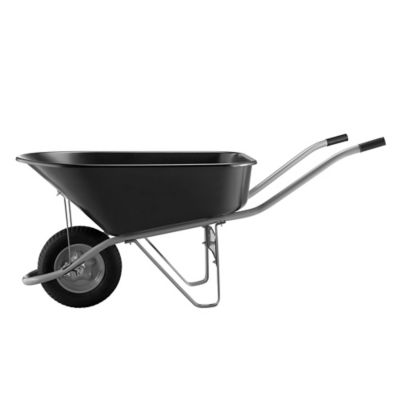
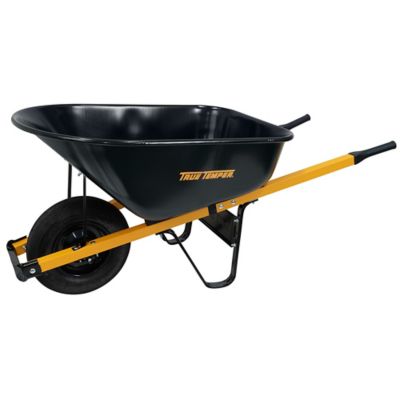
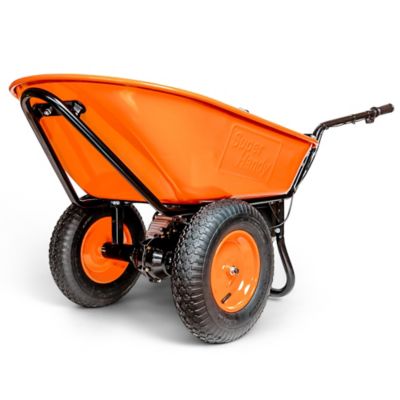
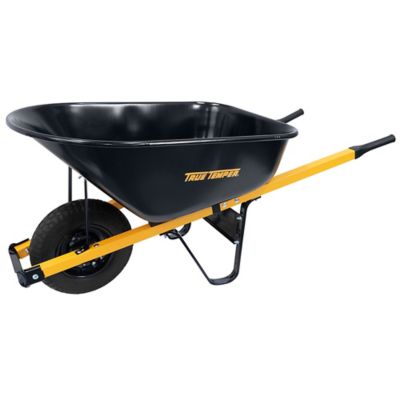
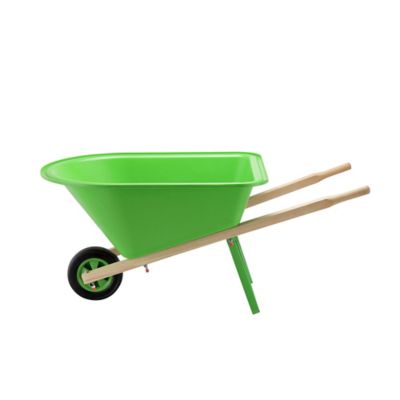
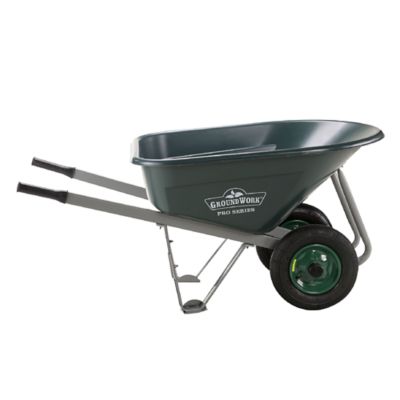
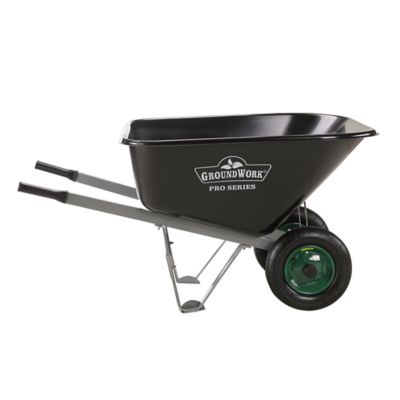
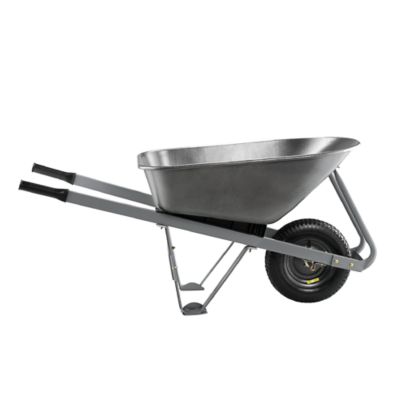
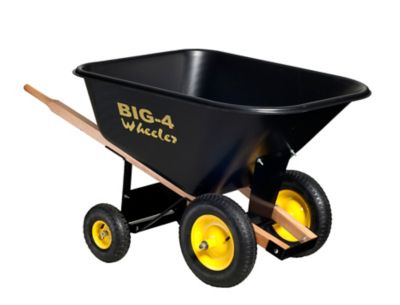
Construction wheelbarrows are built for the hard work that regular garden carts may not handle well. On a job site, a dependable wheelbarrow can move mortar, concrete, gravel, sand, soil, lumber scraps, tools and demolition debris from one end of the work area to the other without taking up much room. Contractors, masons, landscapers, fence installers, farmers, property managers and do-it-yourselfers often rely on them for the same reason: they let one person move a hefty load through gates, around forms and between buildings without needing a truck or powered equipment for every short trip. A standard contractor wheelbarrow commonly holds about 6 cubic feet, while larger models may offer 8 to 10 cubic feet for bigger batches and heavier material volume. Steel trays are a longtime job-site favorite because thick-gauge metal stands up to sharp rocks, wet concrete and rough handling, especially when the wheelbarrow has welded braces and sturdy steel handles. Heavy-duty poly trays are another practical choice, particularly when rust resistance and easier cleanup matter. Poly is also handy around damp ground, livestock areas and properties where the wheelbarrow may be left outdoors between jobs. Before choosing a construction wheelbarrow, consider the material you plan to carry, the distance it must travel and the condition of the ground. A deep tray helps keep loose loads contained, while a broad tray can make it easier to spread material where it belongs. Look for a balanced frame, reinforced legs and comfortable grips that give you control while tipping. A wheelbarrow that feels steady when empty but awkward when loaded can turn a routine task into a tiring one, so pay attention to how the handles, tray and wheel work together.
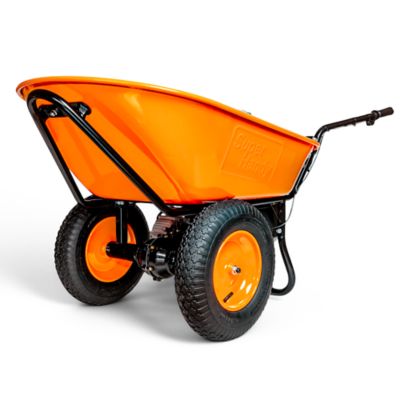
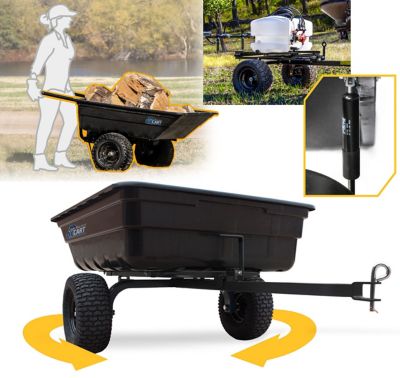
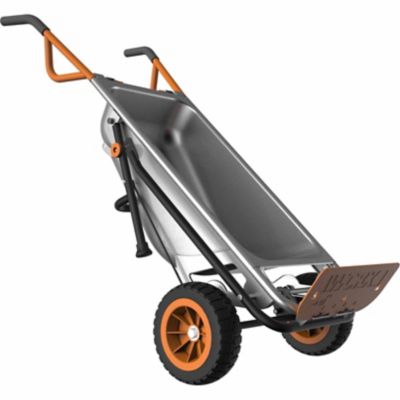
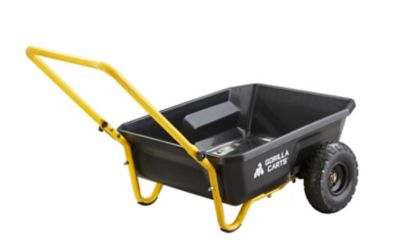
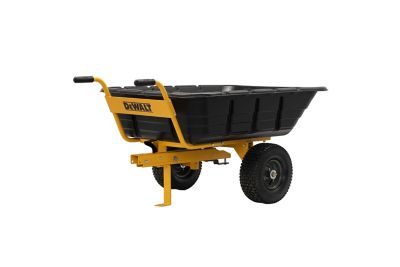
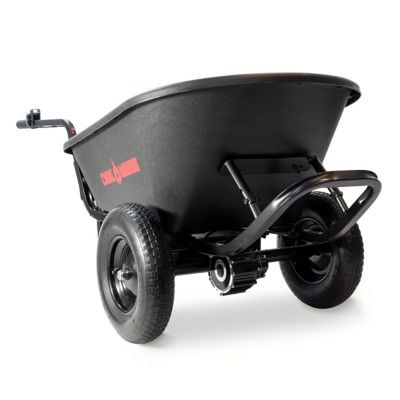
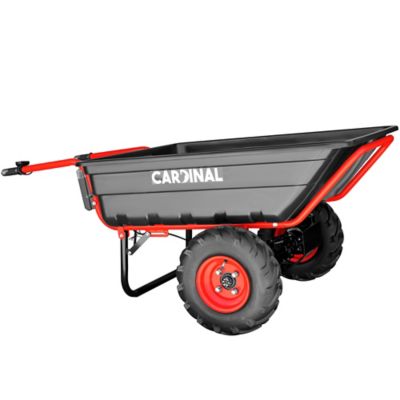
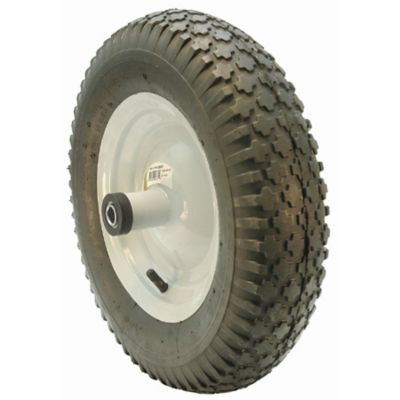
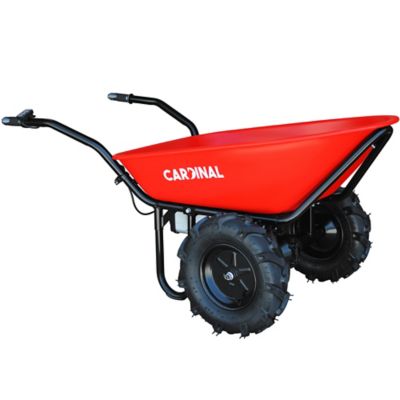
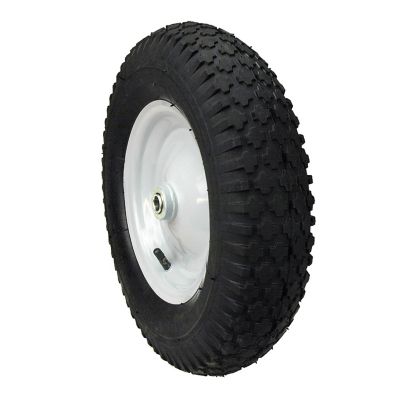
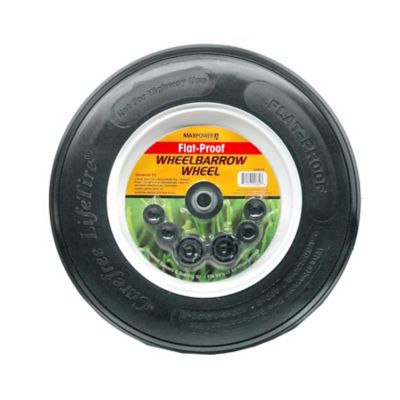
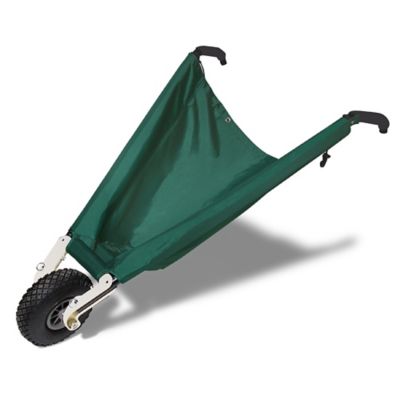
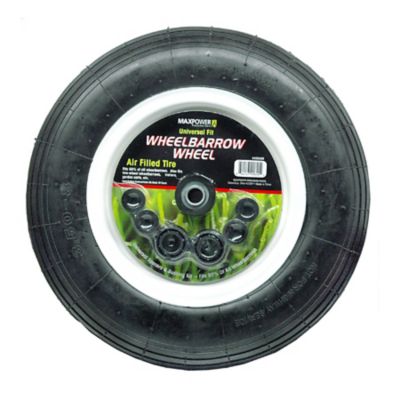
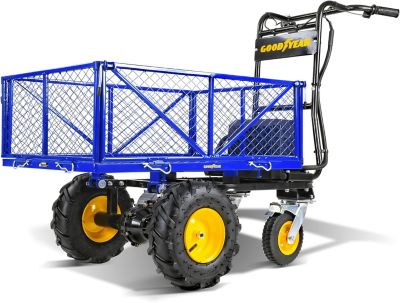
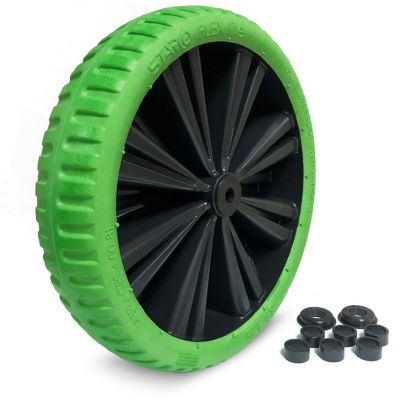
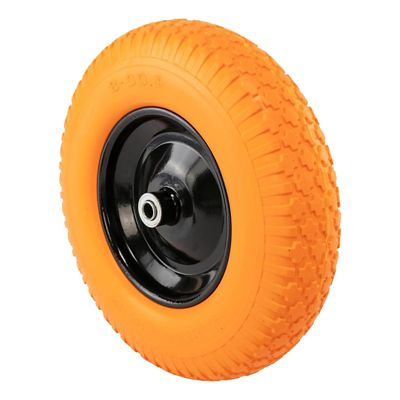
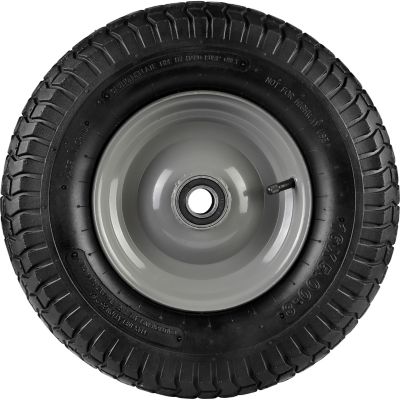
Wheel choice and wheel configuration make a noticeable difference once the load is on board. A single-wheel construction wheelbarrow generally turns more easily in narrow spaces and is useful when you need to steer around posts, scaffolding, garden beds or stacks of building material. Dual-wheel models offer added stability, which can be welcome when hauling a full tray of concrete, soil or stone across a level path. Pneumatic tires cushion the ride over gravel, packed dirt and uneven ground, much like a small shock absorber, though they need the right air pressure and can lose air or suffer a puncture. Flat-free solid rubber tires are a good fit for work areas scattered with nails, broken masonry or thorny brush, and they reduce the maintenance that comes with checking and filling air. If your wheelbarrow sees steady use, keep the tire, axle and wheel bearings clean, inspect the frame for loose hardware and rinse away concrete before it cures. The load should stay within the manufacturer’s capacity, with heavier material kept low and centered in the tray rather than piled high over the wheel. For steep, muddy or especially demanding terrain, powered trackbarrows and motorized carriers can reduce the strain of moving large loads, while convertible cart-and-barrow designs may suit lighter chores around a farm, workshop or property. Construction wheelbarrows also make practical gifts for a new homeowner, a family member building a shed, or anyone taking on a long list of outdoor improvements during the warmer and cooler parts of the year. Pairing a sturdy wheelbarrow with dependable hand tools, work gloves or
Solid Tires For Wheelbarrows can help keep a busy work setup ready for muddy paths, driveway repairs, firewood chores and cleanup after a storm. With the right capacity, tray material, tire style and balance, a construction wheelbarrow becomes a steady partner for the everyday work of building, hauling and maintaining a place.