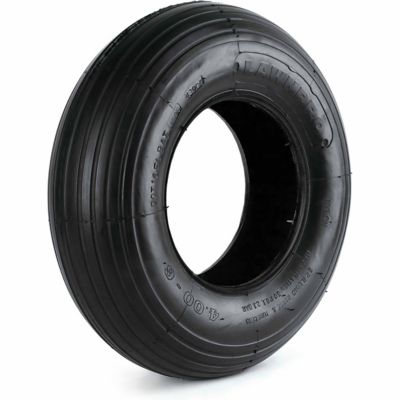
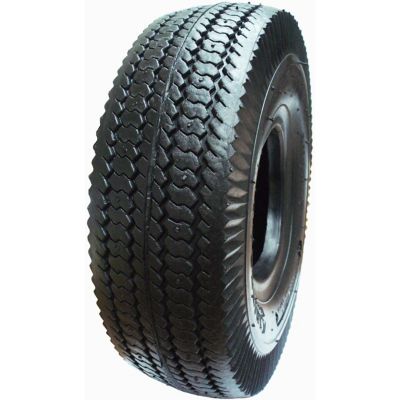
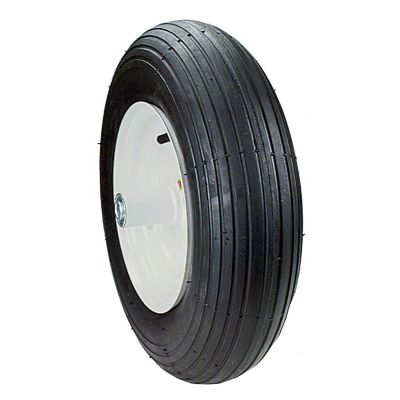
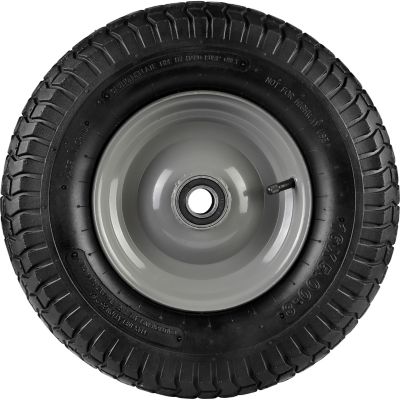
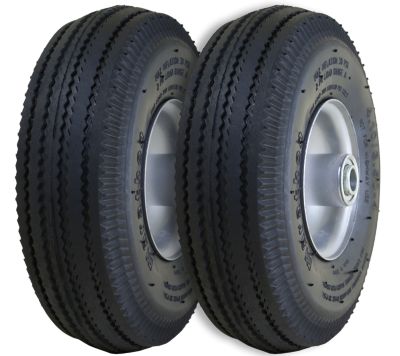
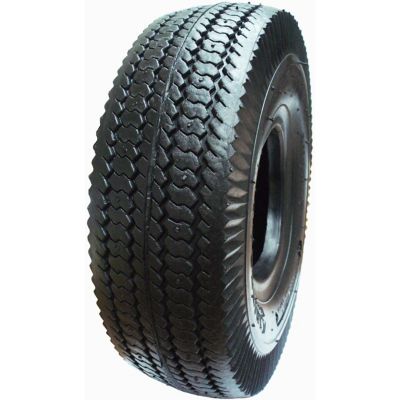
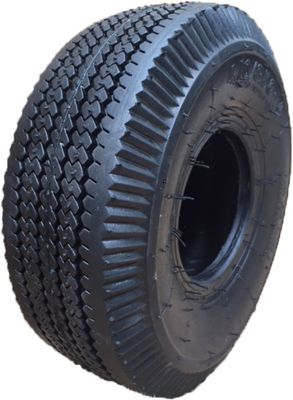
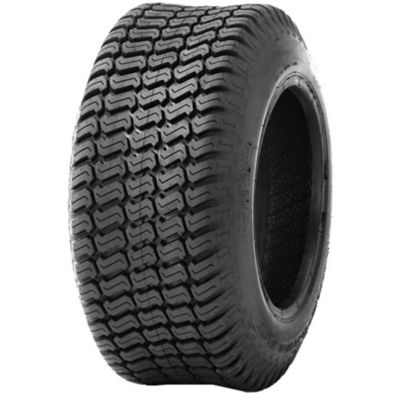
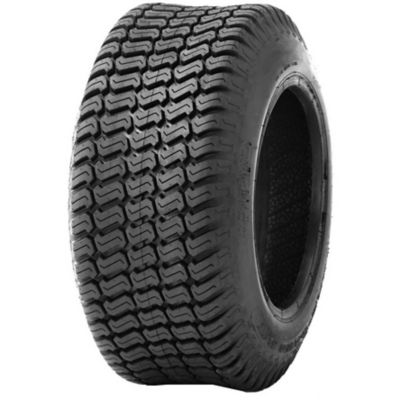
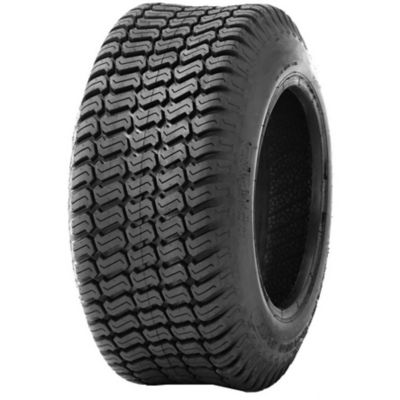
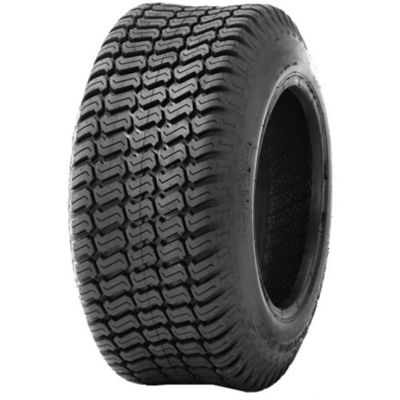
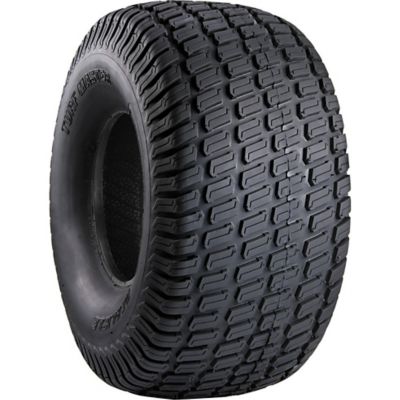
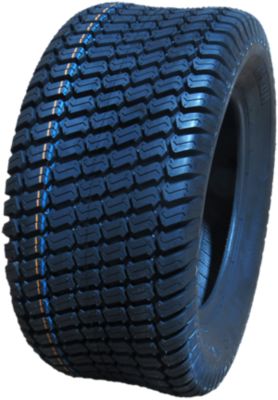
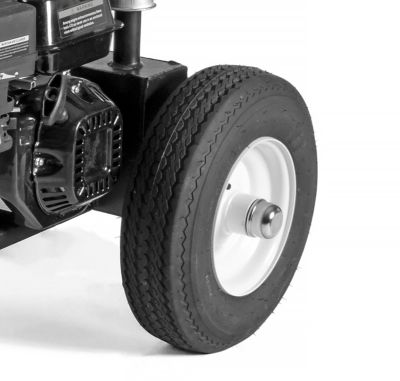
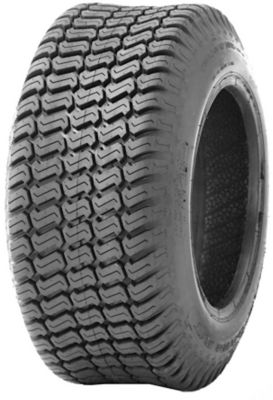
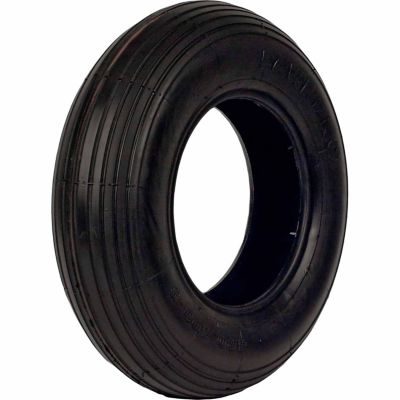
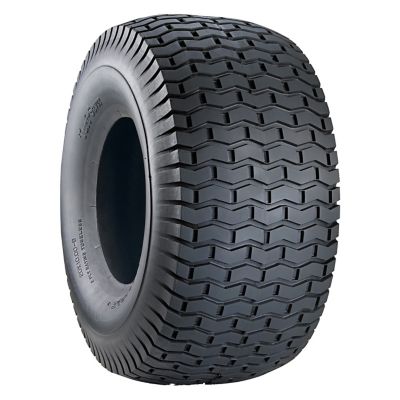
A dependable wheelbarrow can haul mulch, soil, firewood, gravel, feed, and garden cleanup for years, but its tire often takes the hardest beating. Sharp thorns, nails, broken branches, rough gravel, and long stretches of sitting in the weather can leave a tire cracked, worn smooth, or losing air before the rest of the barrow is ready to retire. Wheelbarrow replacement tires make it possible to put that familiar tool back to work without replacing the whole frame. They’re useful for homeowners tending flower beds, gardeners moving compost and planting mix, livestock owners carrying bedding or feed, and anyone who relies on a wheelbarrow for chores around a barn, shed, or worksite. They can also make a practical gift for a new homeowner, a gardener setting up a backyard plot, or a family member who seems to have a well-used wheelbarrow leaning beside the garage. Before choosing a replacement, check the tire size printed on the sidewall when it’s still readable, or measure the outside diameter of the tire from edge to edge. Common wheelbarrow sizes include roughly 13 inches and 16 inches, but the right fit depends on the barrow and wheel assembly. Hub length and axle bore diameter matter, too; many replacement wheels use a 5/8-inch or 3/4-inch axle opening, though measurements can vary. It also helps to note the width of the hub, the space between the frame brackets, and whether the wheel uses spacers, washers, or a separate axle. A few minutes with a tape measure can save a frustrating return and help the new wheel sit straight, clear the frame, and roll smoothly over uneven ground.
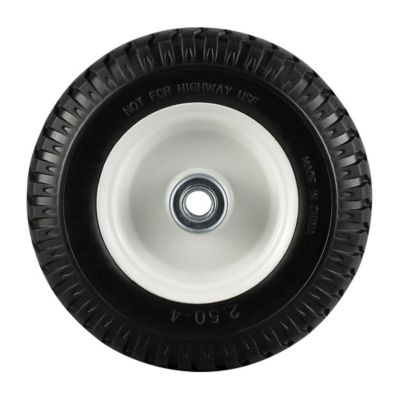
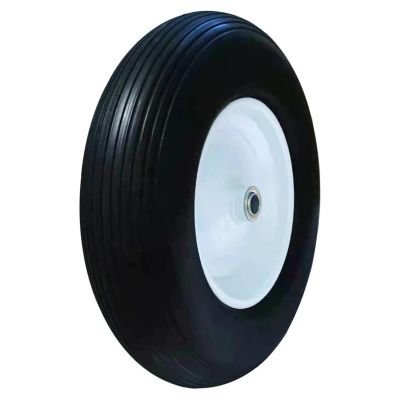
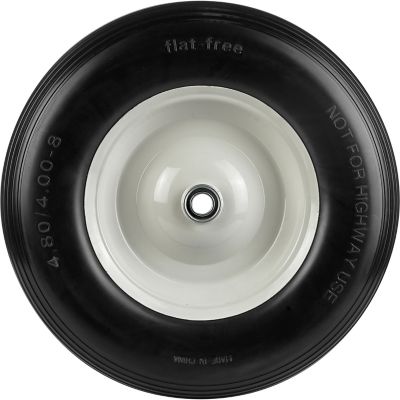
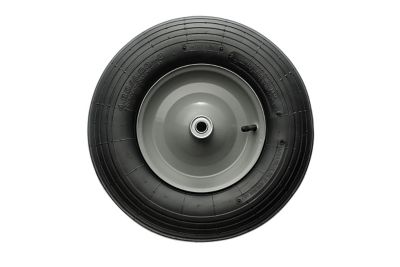
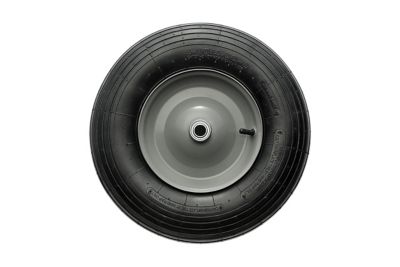
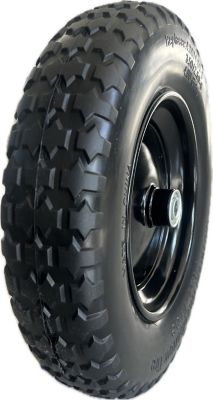
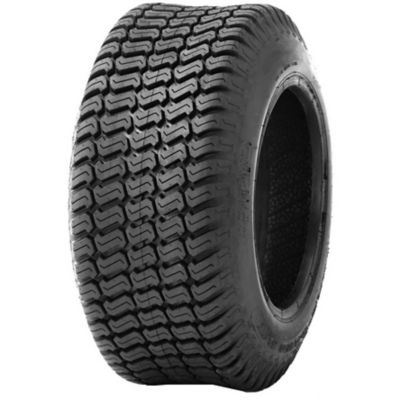
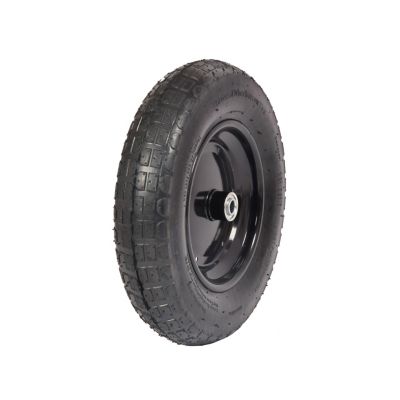
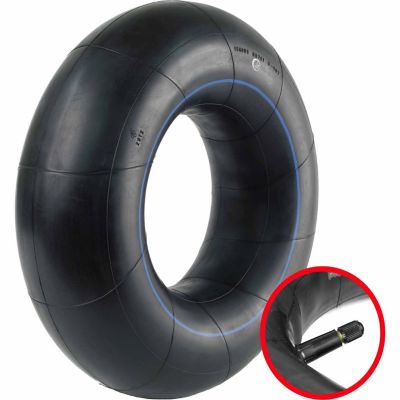
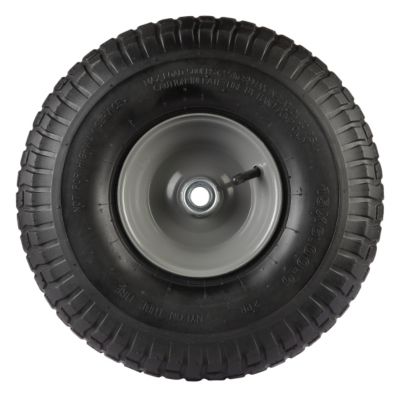
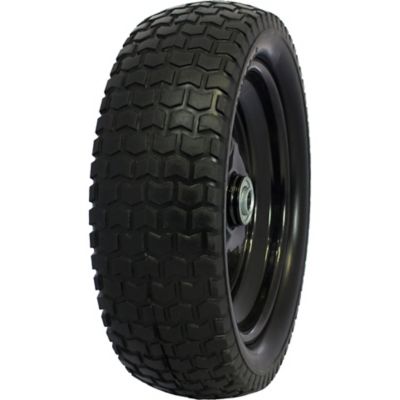
When choosing between pneumatic and flat-free wheelbarrow replacement tires, think about the ground and the kind of work ahead. Air-filled pneumatic tires have a little give, which can make a loaded wheelbarrow feel easier to guide across packed dirt, gravel, pasture paths, and other rough surfaces. That softer ride can be especially helpful when hauling fragile plants or when a barrow is pushed over ruts and roots. Pneumatic tires do need occasional air checks, and a thorn or nail can cause a flat at an inconvenient time, so keeping the recommended pressure in mind is part of normal upkeep. Flat-free solid tires, often made with durable rubber or polyurethane materials, don’t need inflation and won’t leave you hunting for a pump when a chore is waiting. They’re a handy choice for areas with briars, fence wire, construction debris, or other puncture hazards. The tradeoff is that a solid tire may feel a little heavier and less cushioned, particularly when crossing deeply uneven ground. Whether air-filled or flat-free, look for a wheel that matches the original diameter and mounting details rather than choosing by appearance alone. A complete pre-mounted wheel assembly can make the swap quicker because the tire is already fitted to the rim and ready to install. That option avoids wrestling a stubborn tire bead onto a rim and is often a straightforward solution for a worn or damaged wheel. For other yard equipment, shoppers may also find useful options among
Replacement Wheels For Garden Carts, especially when several hauling tools around the property need attention.
Replacing a wheelbarrow tire is generally a simple maintenance job when the new wheel matches the existing hardware. Start by emptying the barrow and turning it upside down on a flat, stable surface so the wheel is easy to reach. Keep a wrench, work gloves, and a small container nearby for nuts, washers, and spacers. Loosen the nuts holding the axle brackets or frame bolts in place, then remove the old wheel and axle assembly. If the axle remains in the frame, slide the worn wheel off carefully and keep track of how the spacers were positioned. Brush away dirt and surface rust from the axle, wipe off built-up grease or grit, and inspect the brackets for bending or damage while everything is exposed. Slide the replacement wheel into place, reinstall the axle, and line up the spacers so the wheel is centered between the frame supports. Tighten the nuts firmly, but don’t over-tighten them to the point that the wheel binds; once the barrow is upright, give the wheel a spin and make sure it turns freely without wobbling or scraping. If the tire is pneumatic, check its air pressure before loading the barrow. With a complete wheel assembly and a good fit, the change can often be finished in just a few minutes, though rusted hardware or a bent axle may take extra care. It’s smart to test the repaired barrow with a light load first, then gradually return it to heavier hauling as the weather warms or during the cooler months when firewood, fallen limbs, leaves, and other seasonal chores gather around the property. A quick rinse after muddy work, storing the barrow out of standing water, and keeping the wheel protected from extended sun exposure can help the replacement last through many more trips from the garden to the compost pile, feed room, or wood shed.