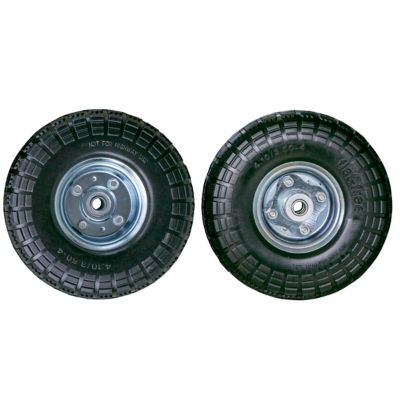
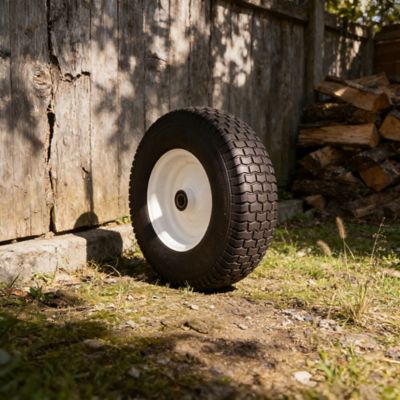
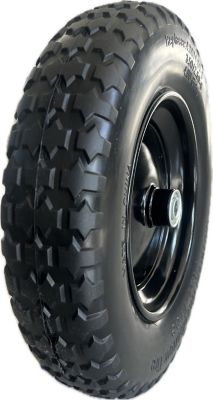
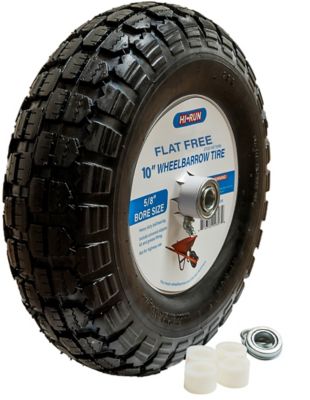
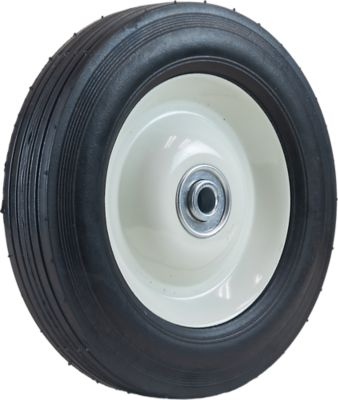
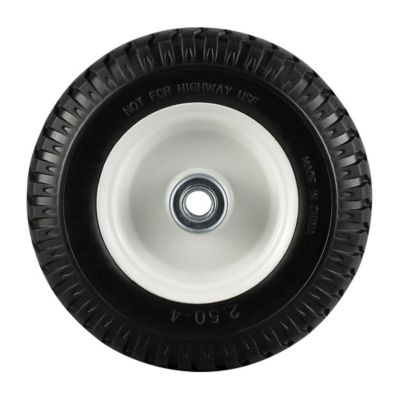
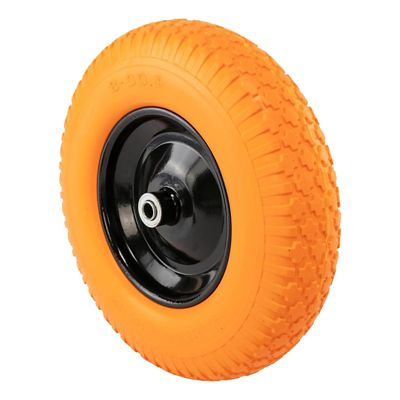
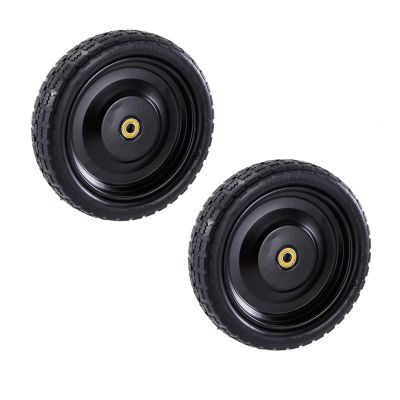
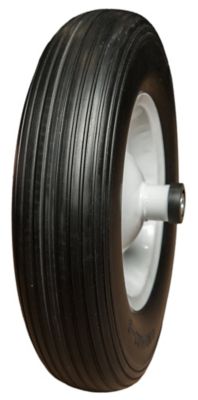
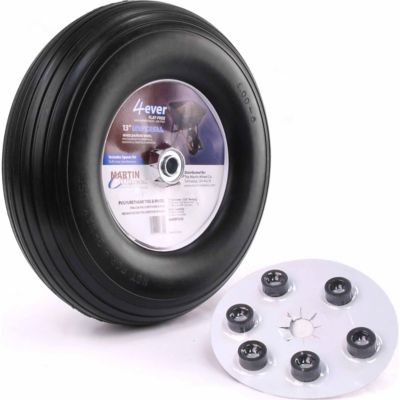
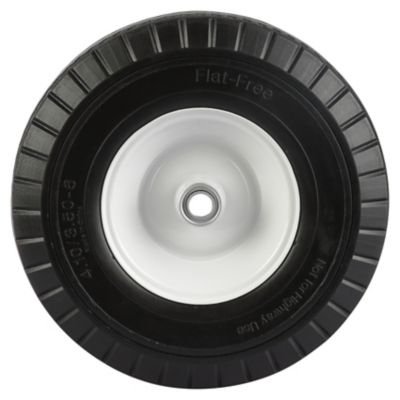
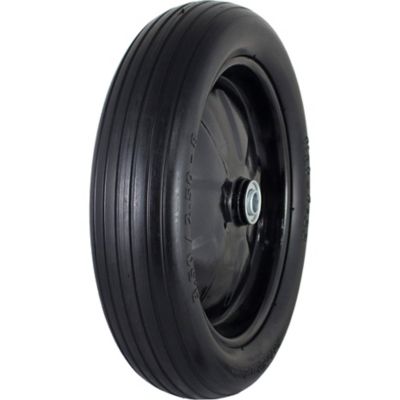
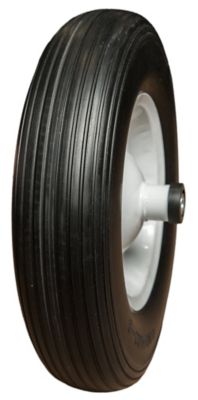
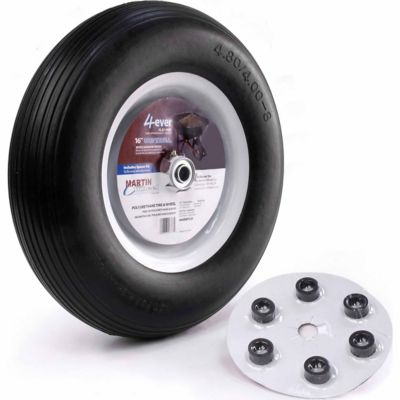
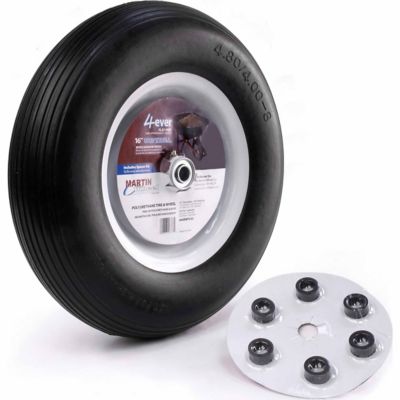
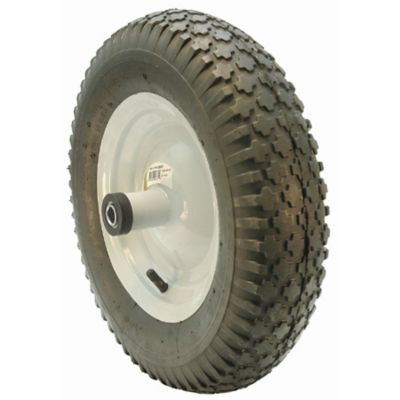
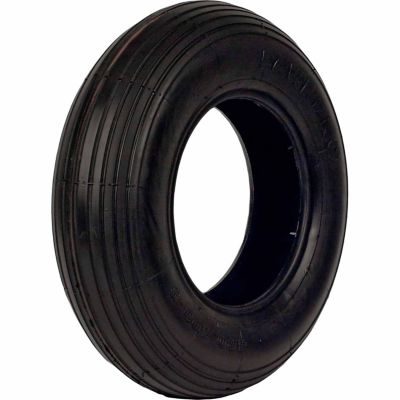
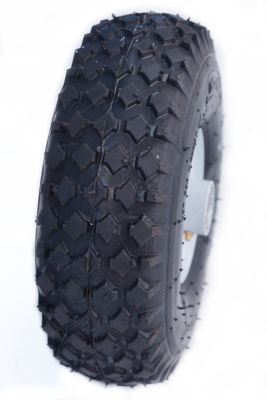
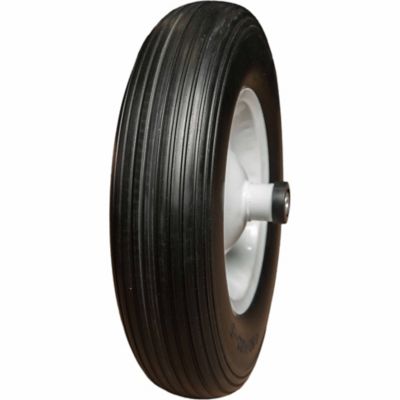
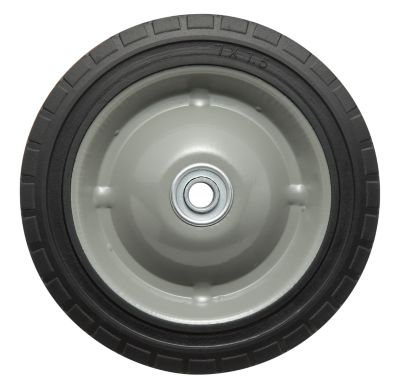
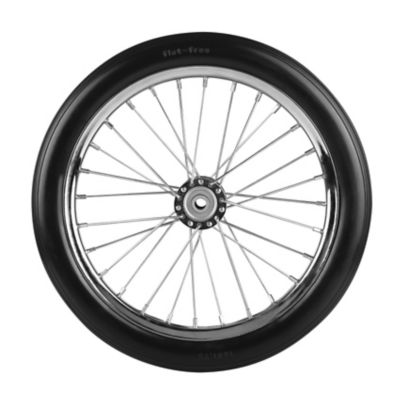
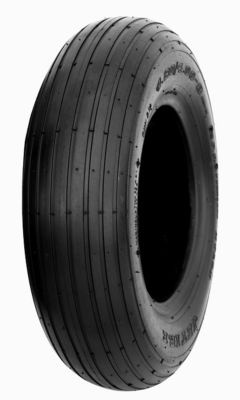
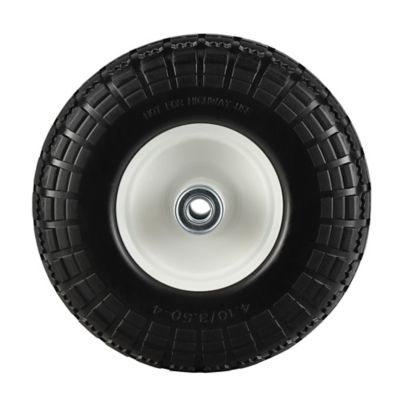
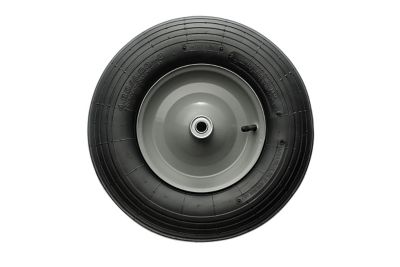
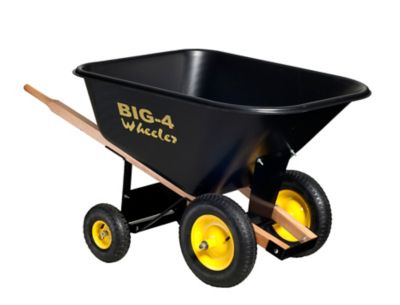
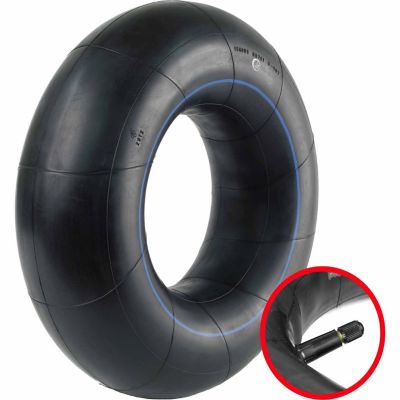
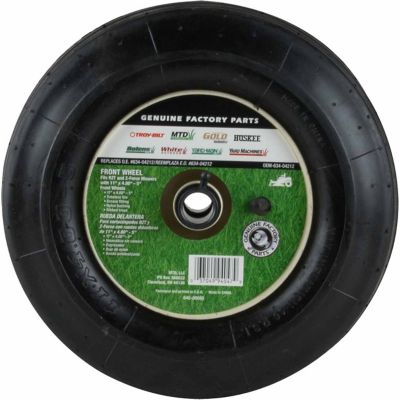
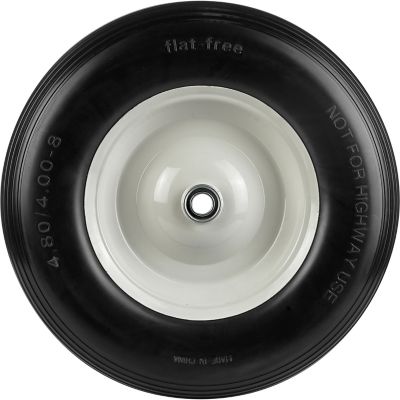
Solid tires for wheelbarrows are a handy choice for anyone who is tired of stopping work to pump up a tire or patch a tube. Made from solid polyurethane foam or hard rubber, these flat-free tires are built to keep rolling when the job takes you through gravel, thorny brush, wood chips, pasture paths, or a cluttered barn floor. Nails, thorns, and sharp bits of wire can ruin a pneumatic tire in a heartbeat, but a solid replacement keeps its shape without relying on air pressure. That makes it a practical upgrade for homeowners, gardeners, farmers, landscapers, and anyone who uses a wheelbarrow for hauling soil, mulch, firewood, feed, tools, or heavy loads around the property. They are especially useful during the cooler months, when a wheelbarrow may sit in an unheated shed and a low tire can make the first chore of the day harder than it needs to be. A flat-free wheelbarrow tire does not need a pump, tube, or routine pressure check, so it is ready to roll when you are. Depending on the design and construction, many solid wheelbarrow tires are rated to carry roughly 300 to 500 pounds, giving them the strength needed for everyday hauling while still being manageable to install and use.
Getting the right fit is the most important part of choosing solid tires for wheelbarrows. Start by checking the numbers molded into the sidewall of the tire already on your wheelbarrow. Common sizes include 4.80/4.00-8, along with tires described by an overall diameter of about 13 or 16 inches, but sizes can vary by wheelbarrow and wheel design. If the sidewall markings are worn away, measure the tire’s outside diameter, width, and rim diameter with a tape measure. It also helps to measure the axle shaft, which is often 5/8 inch or 3/4 inch, as well as the hub length between the wheelbarrow brackets. A replacement wheel that is too wide may rub against the frame, while one with the wrong axle opening may wobble or fail to seat securely. Many universal solid replacements include bushings, spacers, or adapter hardware to fit different axle sizes, but it is still smart to compare every measurement before ordering. Check the wheelbarrow’s load rating, the tire’s stated capacity, and the condition of the axle and brackets at the same time. A new tire cannot correct a bent axle, worn bearings, or loose mounting hardware. When installing the wheel, make sure the axle is clean, the spacers are placed correctly, and the retaining hardware is tightened without binding the wheel. The tire should turn smoothly and sit centered between the supports before the wheelbarrow goes back to work.
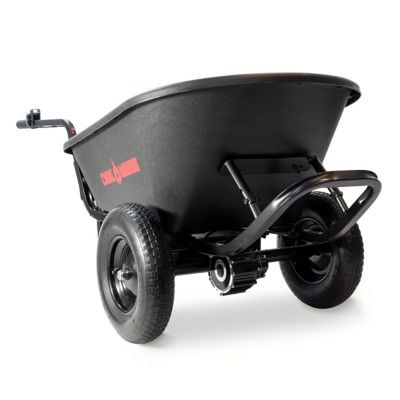
Solid wheelbarrow tires make a useful gift for a new homeowner, a gardener setting up a first raised bed, a parent who enjoys weekend yard projects, or a friend who spends free time caring for a small farm or homestead. They can also be a thoughtful practical gift for someone who has already accumulated plenty of tools but still wrestles with a wheelbarrow that goes flat at the worst possible time. Picture a morning spent moving damp leaves toward the compost pile, hauling split logs from the stack, or spreading bedding in a livestock shelter. With a dependable flat-free tire, the work keeps moving instead of ending with a search for a pump or a trip to find a replacement tube. Solid tires are useful for regular landscape maintenance, construction cleanup, trail work, and chores around sheds, barns, gardens, and fence lines. Their maintenance-free design is also a good fit for rental properties, shared workshops, community gardens, and equipment that is used by several people. For heavier or longer hauling jobs, shoppers may also consider
Powered Wheelbarrows, while a traditional wheelbarrow with a solid tire remains a simple, quiet option for everyday tasks. Look for a sturdy tire that matches the wheelbarrow’s measurements, supports the loads you commonly carry, and has a tread suited to the ground around your property. A properly fitted solid tire can help turn a temperamental wheelbarrow into dependable equipment for hauling through changing weather and busy seasons.