Construction scrapers are earthmoving machines that cut, collect, haul and spread soil across a jobsite. Rather than digging a bucketful at a time and transferring it to a truck, a scraper carries material in its own bowl between the cut area and the fill area. That combination makes this equipment a practical consideration for broad grading projects, building pads, access roads and other jobs where sizable amounts of earth need to move across workable ground. On a conventional bowl scraper, a horizontal steel cutting edge slices into the soil as the machine moves forward. The bowl receives the loosened material, an apron controls the opening at the front, and an ejector pushes the load out during discharge. Raising or lowering the bowl changes the cutting depth and helps control how material spreads. Depending on the design, unloading may instead involve a moving floor or another discharge mechanism. These differences matter when comparing construction scrapers because the loading and unloading systems affect how each machine handles a particular job. A contractor moving soil across an open building site has different needs from a landowner shaping a farm lane or moving earth for a new equipment shed. Room to maneuver, ground conditions and the distance between loading and unloading points all influence the fit. Scrapers generally make the most sense when the work allows steady travel and controlled cuts, rather than tight turns around foundations or excavation in confined spaces. Loose soil and suitable excavated material can move efficiently through a scraper, while large rocks, roots and buried debris can interrupt loading or damage working components. Hard ground may require ripping or other preparation before scraping begins. For anyone comparing earthmoving equipment, the key distinction is straightforward: a construction scraper combines excavation, transport and spreading in one operating cycle, but its performance still depends on matching the machine to the material, terrain and scope of work.
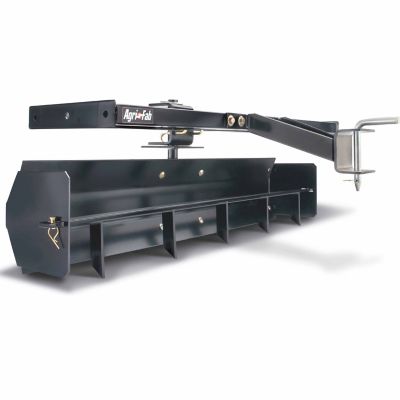
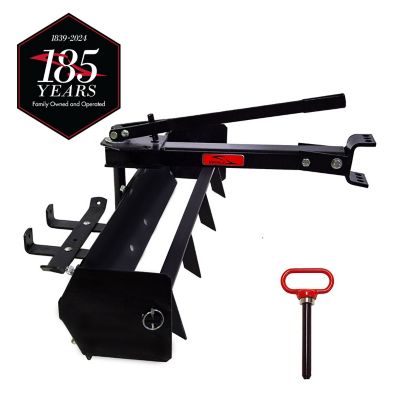
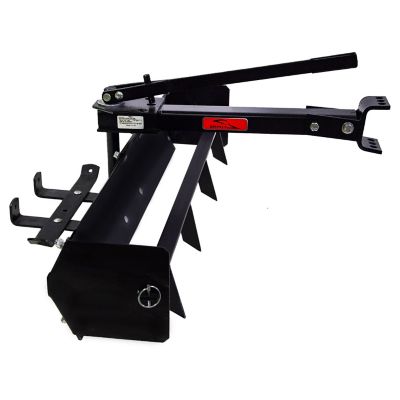
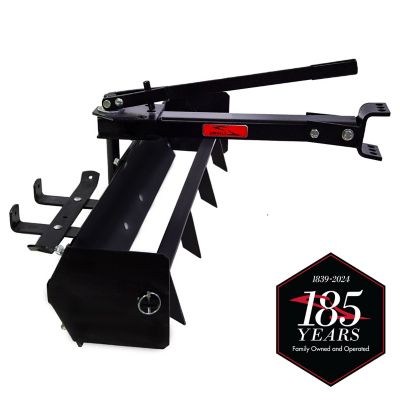
Construction scraper designs range from self-propelled wheel tractor-scrapers to pull-type units that depend on a separate towing tractor. A single-engine, open-bowl scraper may need a push tractor to help it load, especially where traction or cutting resistance limits the loading pass. Twin-engine machines provide power at both ends for additional traction; models equipped for push-pull operation can work in pairs to help one another load. An elevating scraper has a powered conveyor with flights that lift material into the bowl, reducing dependence on a separate loading assist in suitable conditions. Pull-type earthmoving scrapers bring another set of considerations, particularly for agricultural operations and contractors who already have a compatible tractor. Tractor horsepower alone does not establish a safe match. Drawbar ratings, hitch design, hydraulic flow and pressure, tractor weight, braking requirements and manufacturer limits all deserve attention. A bowl full of soil places a substantial demand on the towing equipment, and equal volumes of different materials can have very different weights. Bowl capacity, often stated in cubic yards, should therefore be considered alongside allowable load weight and the conditions of the haul route. Cutting width also affects the match: a wider edge covers more ground per pass, but it increases the demand on traction and pulling power. Narrow approaches, gates and turns around farm buildings can make overall width and turning clearance just as important as capacity. Frame construction, bowl thickness, reinforced wear areas and the design of pins and joints help determine how well a scraper stands up to repeated loading cycles. Cutting edges commonly feature wear-resistant steel, with replaceable sections on many designs to support ongoing maintenance. Tire specifications and load ratings matter, too, because they influence ground contact, flotation and carrying capability. For a grading crew, farm operator or property manager, the best fit is not simply the largest bowl. It is equipment that matches the available power, has space to work and can move the intended material without exceeding its operating limits.
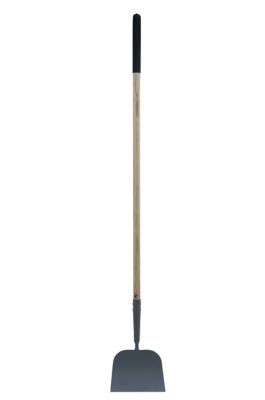
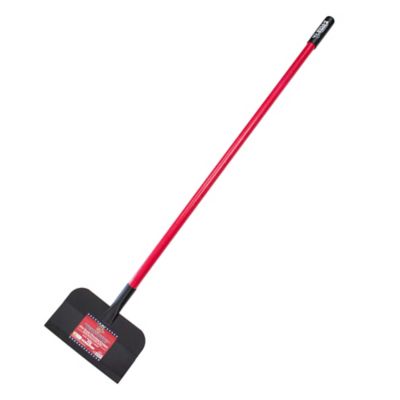
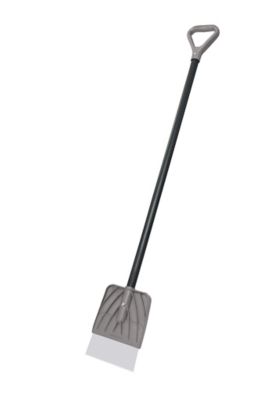
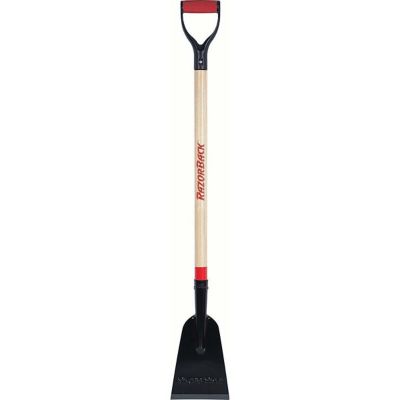
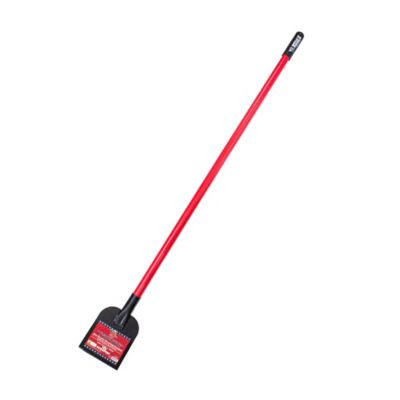
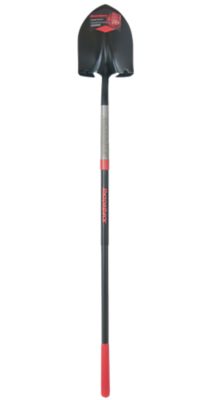
Day-to-day practicality comes down to how a construction scraper handles the entire job, from entering the cut to leaving an even layer at the fill. A long, open run between those points presents a different working pattern from a short route crowded with fences, utility poles or existing structures. Grade and side-slope limits, visibility, stopping distance and soil bearing strength all factor into safe operation. No scraper should be treated as a substitute for checking underground utilities, confirming site access or following the operator’s manual. Operators also need to account for the equipment’s full movement envelope, including the bowl, hitch and articulated sections where applicable. Spreading soil in controlled layers can support later grading and compaction, but scraper traffic alone does not establish that a building pad or roadway meets compaction requirements. That work may call for separate compaction equipment and testing appropriate to the project. Hand tools have a place alongside the larger machinery as well. Around a footing edge, beside a drain or in another spot beyond the scraper’s reach,
Construction Shovels can help with small cleanup tasks and localized material placement once equipment is stopped and the area is safe to enter. Long service life depends on routine care as much as construction materials. Cutting edges, bowl liners, hitch components and tires take repeated wear, while hydraulic hoses and connections need regular inspection for damage or leaks. Worn edges can increase pulling effort and reduce cutting performance, so replacement intervals should follow condition checks and manufacturer guidance rather than guesswork. Grease points, fastener torque and hydraulic service requirements vary by machine. Before maintenance, lower or mechanically support raised components as directed, shut down the equipment and relieve stored pressure according to the manual. Removing packed material and keeping working parts accessible makes inspections easier between jobs. Whether the task involves preparing a shed site, reshaping an access lane or supporting a larger earthmoving operation, a well-matched scraper brings the cutting, carrying and spreading stages together in equipment built for moving dirt.