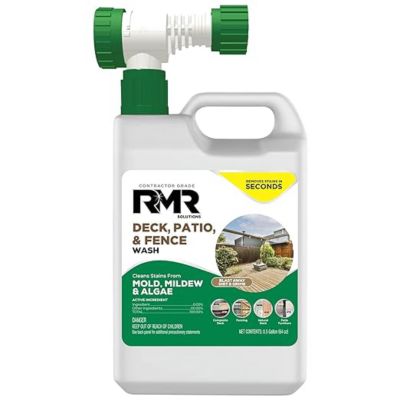
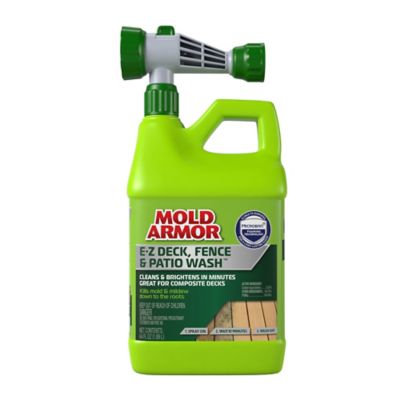
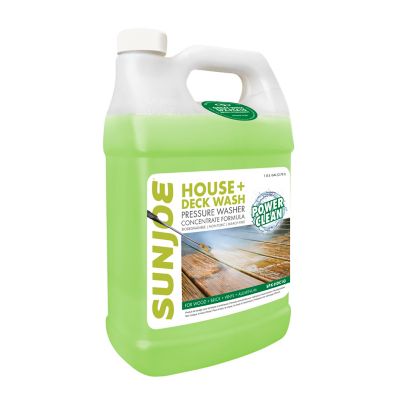
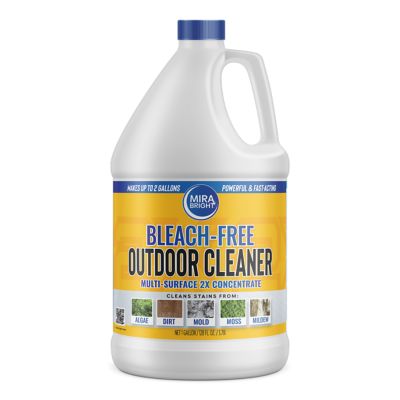
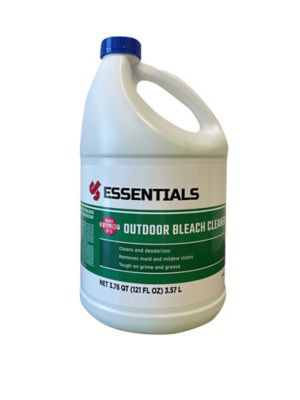
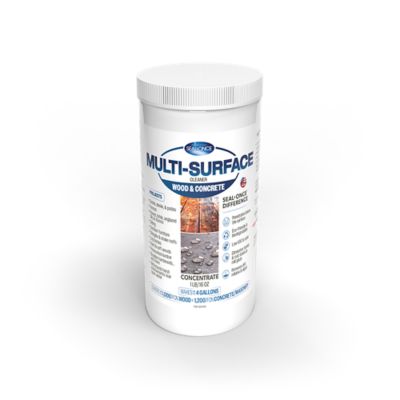
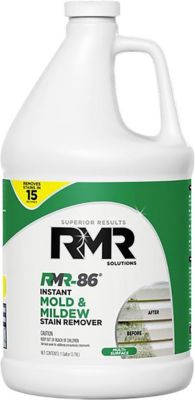
Deck cleaners help loosen tracked-in dirt, greasy marks and surface stains so outdoor gathering spaces look cared for without losing the character of the boards beneath them. The right match depends on the deck material, its existing finish and the kind of buildup involved. A pressure-treated pine deck outside a farmhouse has different cleaning needs than composite boards around a patio table or a painted porch beside the mudroom. Wood deck cleaners are formulated for particular jobs, from lifting everyday grime to preparing bare boards for a new finish. Composite deck cleaners need to suit the manufacturer’s care requirements, especially on capped boards with a protective outer layer. Painted and stained surfaces call for attention to finish compatibility, since a strong formula can dull, lighten or loosen a coating that was meant to stay in place. Products labeled for multiple surfaces can be handy around railings, steps and adjoining outdoor features, but that label still needs to name the materials involved. Vinyl, fiberglass and wood are not interchangeable when it comes to cleaner selection. The buildup matters just as much: dusty footprints and spilled food are different from dark organic staining, oily spots or marks left beneath a metal chair. Textured boards, grooves and tight corners can hold dirt that a quick rinse leaves behind. A suitable cleaner helps release that buildup without making aggressive scrubbing the starting point. For households with muddy work boots at the back door, pets crossing the porch and a grill near the railing, deck cleaning is part of keeping a hardworking space pleasant to spend time in. Color changes alone do not always mean a deck needs stronger chemistry. Natural wood variation, an aging finish and deeply set stains may remain visible after ordinary surface dirt is gone. That distinction helps set sensible expectations: cleaning removes buildup, while restoring color or replacing a worn finish may call for a different type of treatment.
Deck cleaning formulas vary in both their active ingredients and the amount of preparation they require. Oxygen-based cleaners often contain sodium percarbonate, which releases hydrogen peroxide when mixed with water and can help loosen organic grime. They are not automatically suitable for every wood species, coating or nearby planting, so material compatibility and rinsing directions still matter. Chlorine-based cleaners may contain sodium hypochlorite and can address certain stains associated with mildew or algae, but they can also affect wood color, finishes, metal hardware and surrounding vegetation. A stain-removal claim does not necessarily mean a cleaner is labeled to disinfect a surface or kill a particular organism. Surfactant-based formulas help wet the surface and lift soils, making them useful where dirt, food residue or greasy footprints are the main concern. Some deck cleaners combine several ingredients to handle more than one kind of buildup. Wood brighteners serve a different purpose from general cleaners: certain acid-based formulas can reduce tannin or iron discoloration and help even out the appearance of bare wood when the label specifies that application. They are not a substitute for removing dirt, and an ordinary cleaner is not necessarily a stain stripper. Ready-to-apply liquids offer straightforward handling for a small landing or a set of steps, while concentrates can suit larger decks when measured and diluted as directed. Powdered formulas may require thorough mixing before application. Coverage depends on the stated dilution, surface texture and amount of buildup, not simply the container size. Application equipment is another useful consideration. A formula intended for a pump sprayer may not belong in a pressure washer’s detergent system, and a hose-end application does not eliminate every need for brushing. Working time and rinsing requirements also vary. Those details make a practical difference on a deck with broad open boards compared with one crowded by stair spindles, benches and narrow gaps. A small test area can reveal an unwanted color or finish change before the cleaner reaches the full deck.
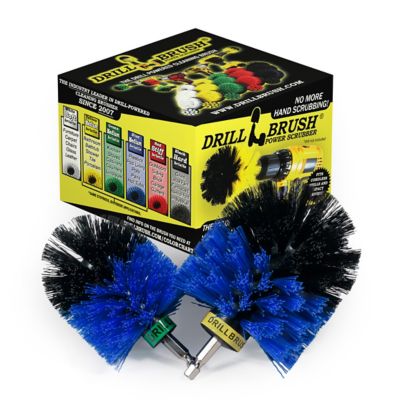
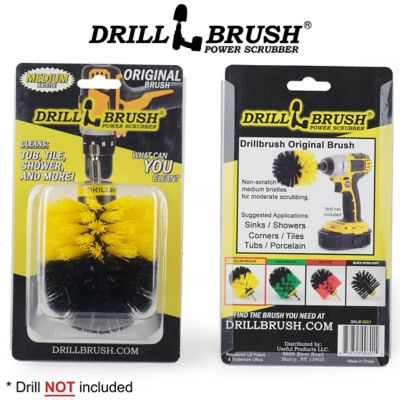
A good fit also means matching the cleaner to the care the deck will receive afterward. For a deck headed toward staining or sealing, the cleaner should leave the surface in the condition required by the finish manufacturer, without residue that could interfere with adhesion or absorption. The wood may need additional preparation and drying before a coating goes on. For an already finished deck that simply needs routine cleaning, preserving the existing coating is usually the priority. More concentrated chemistry, longer contact time or greater water pressure does not automatically produce a better result. Too much pressure can raise wood fibers, leave marks or damage a coating, while a brush that is too stiff can scuff some composite surfaces. A soft or medium-bristle deck brush, where the surface manufacturer permits it, can help reach the shallow texture that catches grit underfoot. Clean boards can make loose fasteners, splinters and soft spots easier to notice, but no cleaner repairs those problems or restores structural strength. Care extends beyond the boards, too. Aluminum balusters, painted siding, grill finishes and nearby plants may need protection from splashes or runoff according to the product label. Gloves and eye protection are common label requirements, and children and animals should stay away for the period the directions specify. Deck cleaning chemicals should never be mixed with other cleaners; chlorine-containing formulas are especially dangerous when combined with acids or ammonia. Storage directions matter around feed rooms, pet supplies and household essentials, with cleaning products kept in their original labeled containers. Where a wooden deck meets a concrete walk or patio,
Concrete Cleaners offer a separate category suited to that surface rather than assuming one formula fits the whole backyard. Matching each cleaner to its intended material keeps the job focused, whether the space is a wide porch with rocking chairs, a small back-door landing or the deck where everyone gathers after chores.