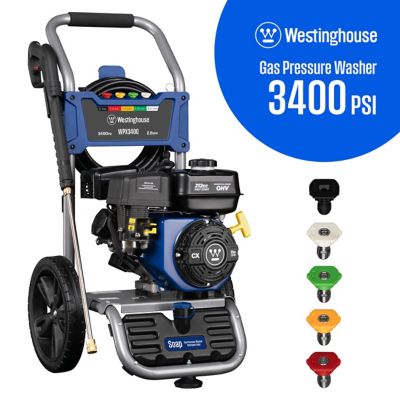
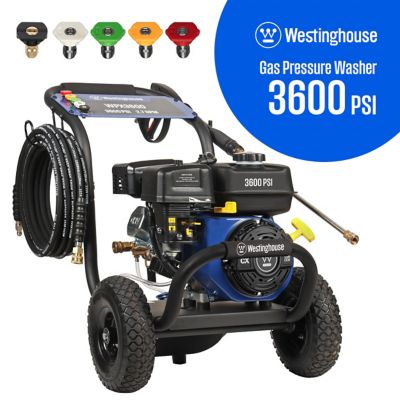
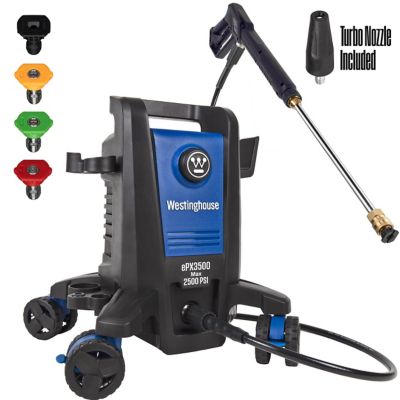
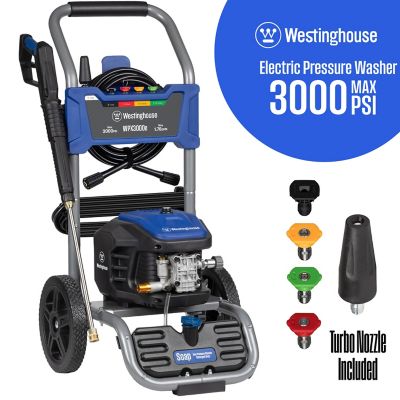
Pavement cleaners help lift dirt, oil, grease, and other buildup from outdoor hard surfaces such as concrete driveways, asphalt parking areas, and brick paver walkways. The category includes cleaning solutions that loosen grime and pressure washer surface-cleaning attachments that wash broad, flat areas. For compatible pavement, a rotating surface cleaner attached to a pressure washer can cover ground more evenly and efficiently than a narrow spray nozzle, while a pavement cleaning solution can help break down stains that water alone leaves behind. The best match depends on the surface, the kind of mess, and the equipment available—not simply the strongest formula or highest pressure rating. Around a home or small acreage, the work might involve muddy tire tracks near the garage, oily spots beneath a parked pickup, or dirt tracked across the walk between the house and shop. At a farm, equipment yard, or business, larger paved areas can collect a mix of road grime, soil, and traffic marks that calls for a different approach than a lightly soiled patio. Concrete, asphalt, and pavers each have their own limits, so surface compatibility belongs near the top of the shopping list. Concrete cleaners may target embedded grime or greasy residue, but not every formula suits sealed, stained, or colored concrete. Asphalt contains a binder that some solvents can soften or damage, making an explicit asphalt-safe label especially important. Pavers introduce another consideration: the cleaner needs to suit the paving material, and the washing method needs to protect the joints between pieces. For shoppers focused on the stretch from the road to the garage,
Driveway Cleaners offer a related place to explore pavement care. Whether the job covers a short front walk or a long parking apron, matching the cleaner to the ground beneath your boots helps narrow the choices without buying more cleaning strength than the surface needs.
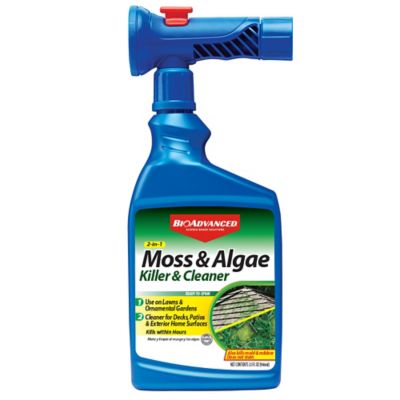
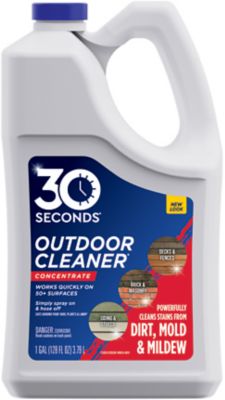
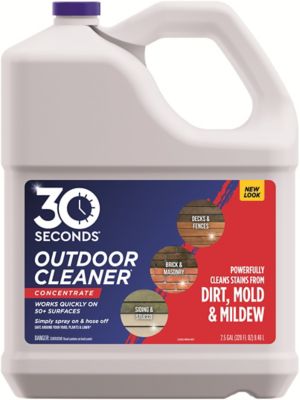
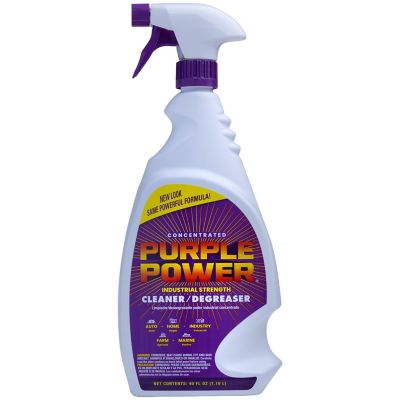
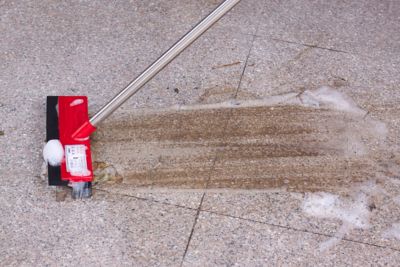
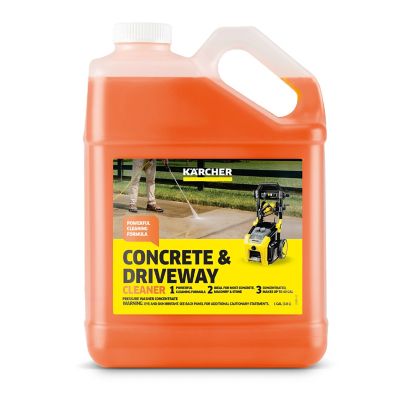
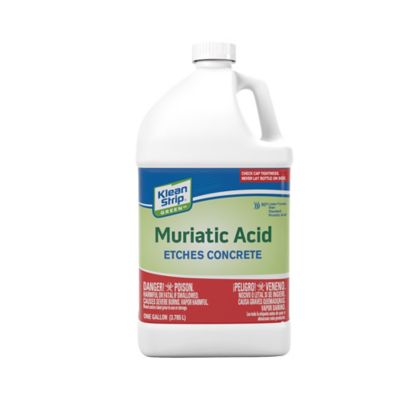
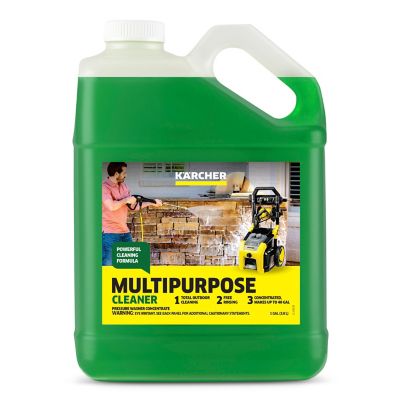
Cleaning solutions earn their place when the mess needs more than a rinse. A light coating of dust is different from a dark oil spot that has settled into porous concrete, and a general pavement wash may not tackle both equally well. Degreasing formulas are intended to loosen oily residue, while other cleaners focus on everyday dirt, organic staining, or mineral deposits. Those jobs are not interchangeable; a formula suited to grease may do little for rust, and an acidic cleaner can affect cement-based surfaces or nearby metal. Product labels spell out the intended stains, compatible materials, dilution, and application requirements, which makes those details more useful than broad promises about cleaning power. Ready-to-apply liquids can suit occasional touch-ups, while concentrates let shoppers mix the labeled strength for the task and may make sense for repeated work across larger areas. Comparing coverage at the recommended dilution gives a clearer picture of how far a container will go than container size alone. Application also matters. Some solutions are meant for a brush or separate sprayer, while others are formulated for a pressure washer's detergent system; those designations should not be treated as interchangeable. A bottle that belongs in a separate application step does not necessarily belong in the washer's tank. Around a working property, runoff deserves just as much attention as the stain itself. Nearby grass, flower beds, wells, storm drains, animal areas, and drainage ditches all affect which cleaner fits the location and how wash water needs to be managed. Claims such as biodegradable do not automatically mean a solution is harmless to plants or safe to send down a drain. Label directions also govern protective gear, rinsing, and when people and animals can return to the area. During the cooler months, minimum application temperatures and enough drying time before freezing weather become practical buying considerations, especially for shaded walks and north-facing stretches that stay damp longer.
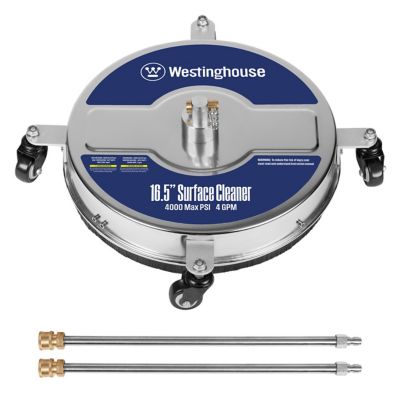
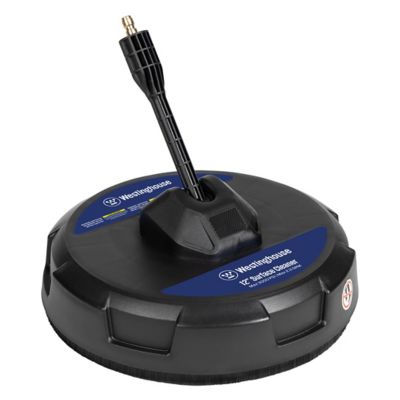
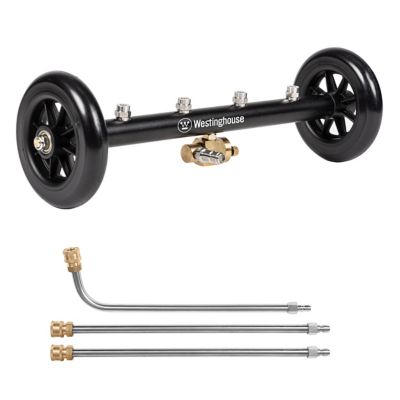
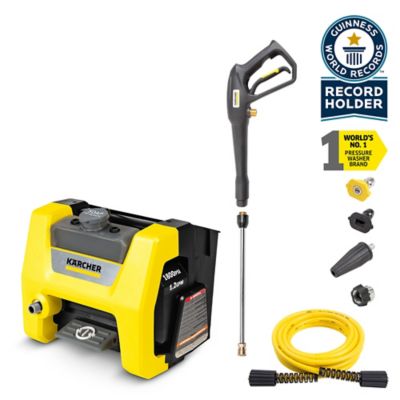
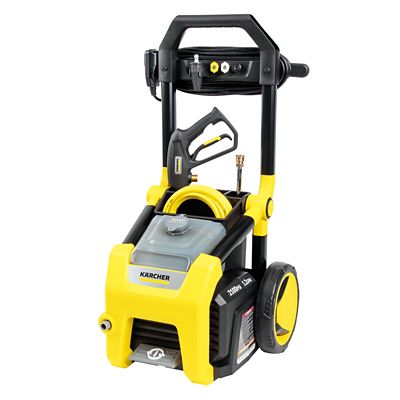
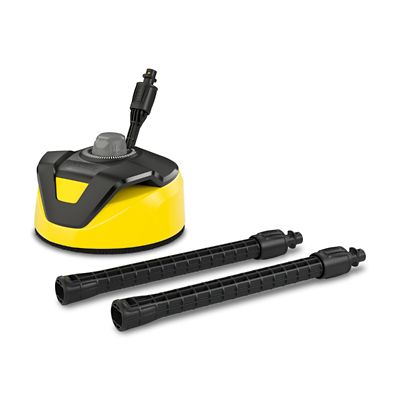
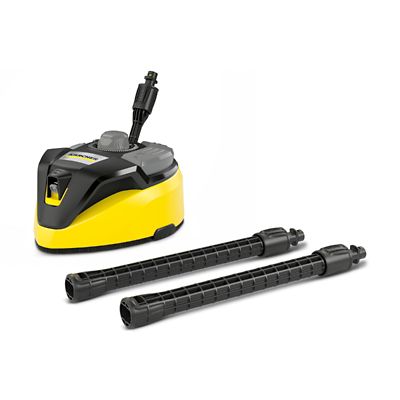
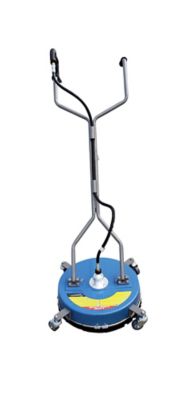
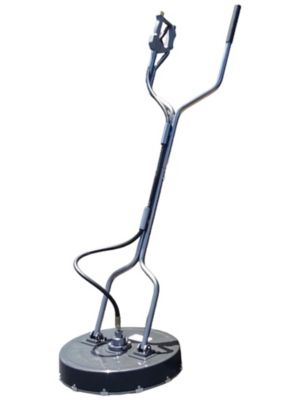
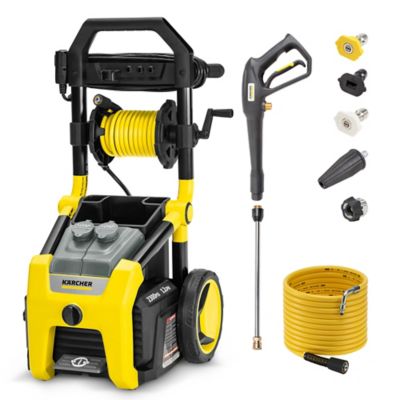
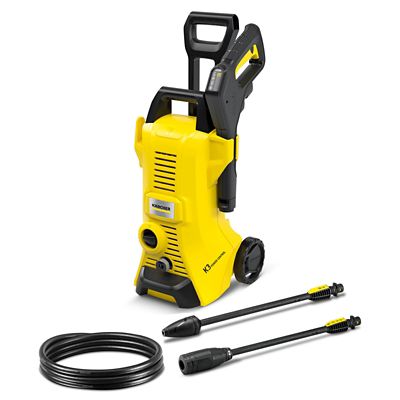
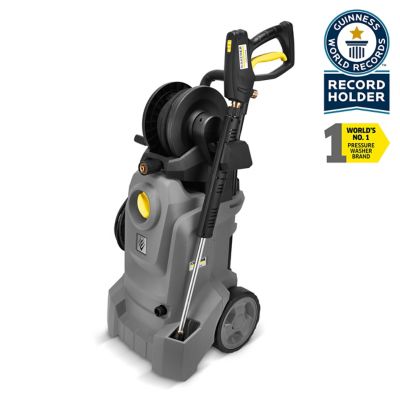
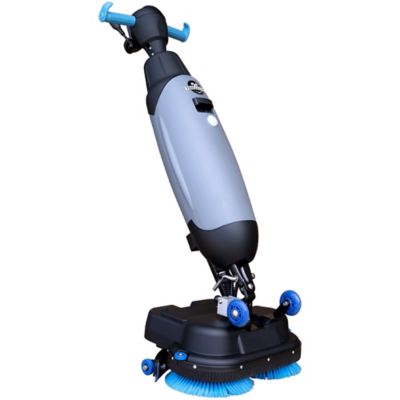
Pressure washer surface cleaners serve a different role from pavement cleaning liquids: they spread pressurized water through rotating spray nozzles beneath a housing, helping wash a wider path across a flat surface. That design can reduce the uneven bands left by a narrow wand spray and helps contain some of the splash, though results still depend on the pavement, equipment, and operator. For a broad concrete driveway or shop apron, cleaning width matters, but bigger is not automatically better. A surface-cleaning attachment must match the pressure washer's operating pressure, water flow, and connection requirements. Pressure, measured in PSI, is only part of the fit; flow, measured in GPM, helps determine whether the washer can run the attachment effectively. An attachment that exceeds the machine's capacity can leave disappointing results even when the fittings connect. Shoppers should also compare the attachment's rated limits, intended water temperature, handling features, and availability of replacement nozzles or other service parts. Wheels may make a larger attachment easier to move across level pavement, while overall weight and handle design can matter during longer stretches of work. Rough pavement, narrow corners, steps, and heavily textured areas may call for a different cleaning approach than an open, level slab. High pressure can scar concrete, disturb paver joint sand, damage coatings, or harm asphalt, so neither the attachment nor its pressure rating replaces the surface manufacturer's care recommendations. Older stains may fade rather than disappear, and cleaning will not repair cracks, crumbling edges, or worn sealers. For homeowners, caretakers, grounds crews, and folks maintaining a shop or small business, the most useful purchase is one that fits the actual workload. A compact paved entrance and an equipment parking pad rarely need the same setup. Pavement cleaners also make a practical gift for someone who takes pride in keeping the place tidy, provided the surface and equipment requirements are known. From clearing tracked-in soil to freshening the path visitors take to the door, well-matched pavement cleaning supplies support routine upkeep without turning every wash into an all-day chore.