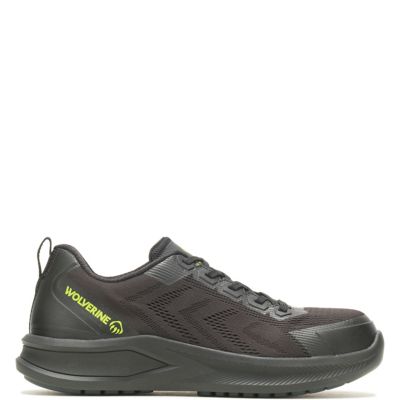
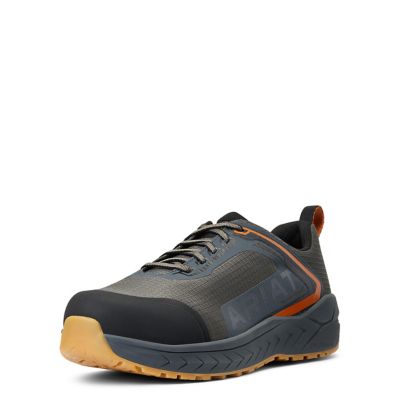
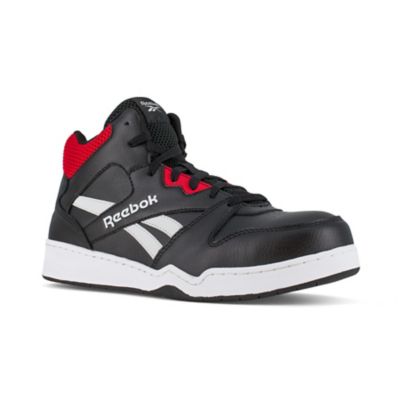
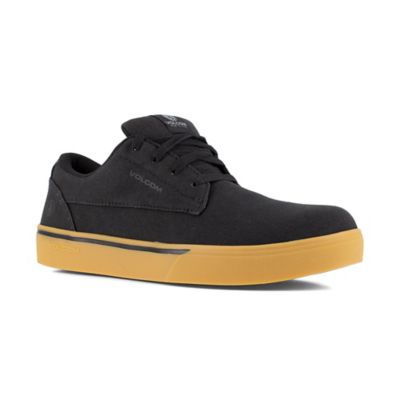
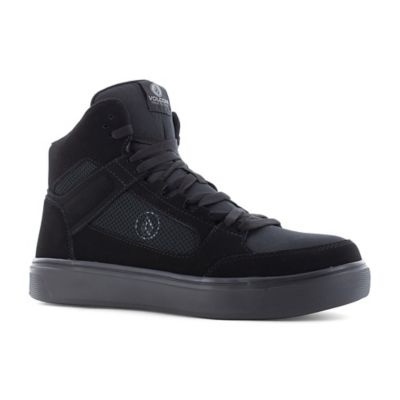
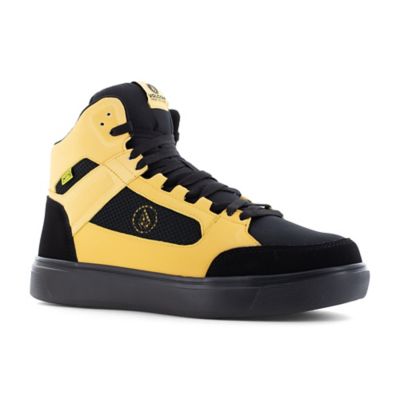
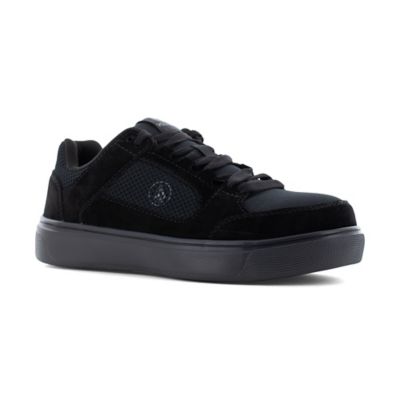
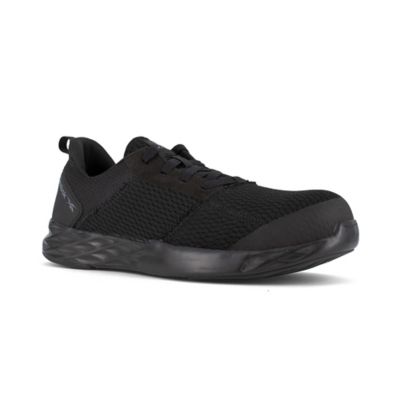
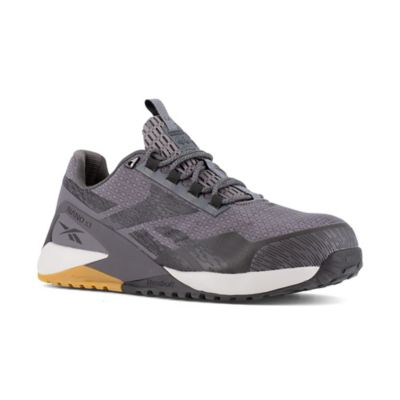
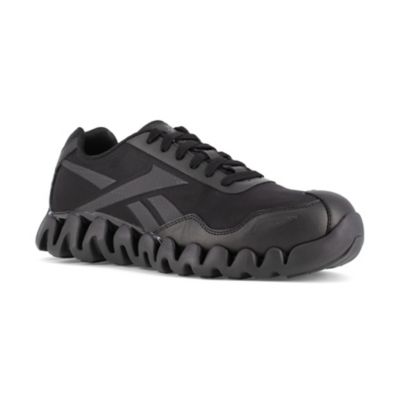
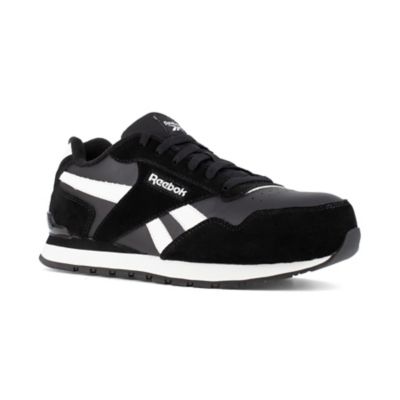
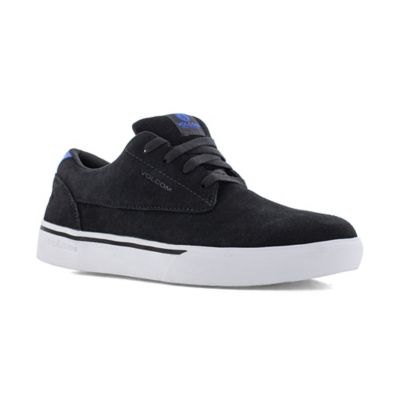
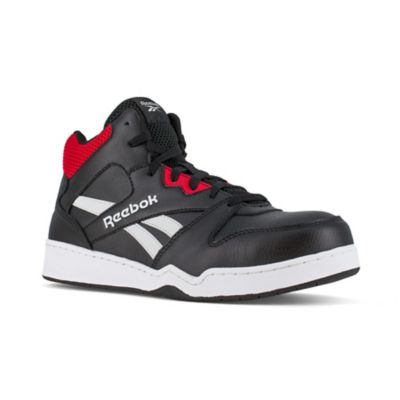
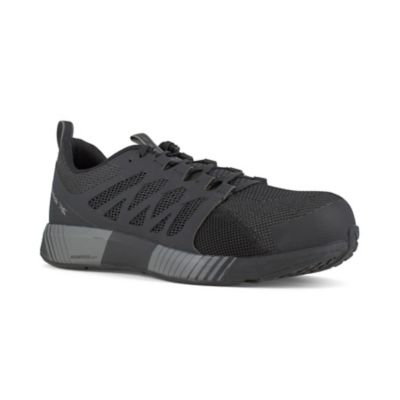
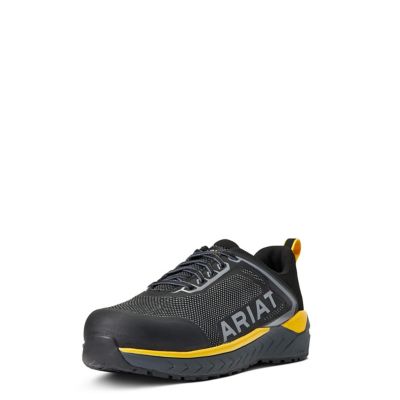
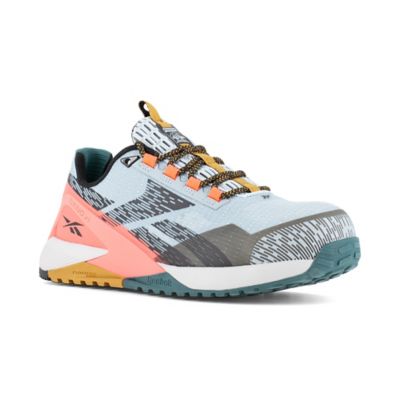
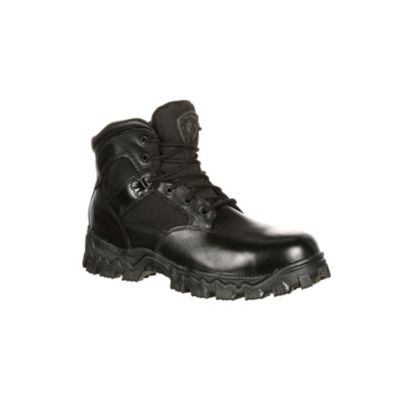
Men’s composite toe shoes bring protective toe coverage to a low-cut shape that suits plenty of hands-on work. They’re a practical choice for men who spend the day walking a warehouse floor, moving supplies around a shop, handling feed sacks or stepping between a workbench and a loading area. The toe cap generally contains nonmetallic materials such as fiberglass, carbon fiber or reinforced polymers, depending on the shoe’s construction. Its job is to help protect the front of the foot against impact and compression when the footwear meets the appropriate safety standard. Composite construction can help keep weight down, though the feel of the whole shoe also depends on its upper, sole and cushioning. A substantial outsole and thick leather upper can make one pair feel quite different from a textile work shoe, even when both have composite caps. The lower profile leaves more freedom around the ankle than a tall work boot and can feel familiar to someone who usually wears athletic shoes. That doesn’t make every pair suitable for every job, though. Workplace footwear requirements still come first, especially around heavy equipment, electrical hazards or materials that could puncture a sole. Look for the safety markings and stated ratings that match the worksite rather than assuming a composite toe covers every concern. A nonmetallic cap does not automatically mean the entire shoe is metal-free, electrically protective or puncture-resistant. Underfoot construction matters just as much on a long shift. Rubber outsoles, tread patterns and stable heel shapes can help with footing on shop floors and packed work areas, while cushioning can ease the feel of repeated steps across hard surfaces. Slip resistance varies by design and surface condition; oil, loose grain and fine dust each present different challenges. No outsole removes the need to watch where you step. For jobs that involve frequent kneeling, climbing or tight spaces, the shoe’s flexibility and overall shape also deserve a close look.
The right fit starts with enough room inside the protective toe area, not simply a familiar size on the box. Toes should have space to move without pressing against the cap when standing, walking or bending down to pick up a tool. Unlike soft upper materials, a protective toe cap will not stretch to make room for a cramped foot. Heel hold matters, too: a shoe that slides at the back can rub during a long day, while an overly tight lace pattern can put pressure across the top of the foot. Men’s composite toe shoes may come in different widths, and the best match depends on foot shape as well as length. Trying them with the same work socks that will go on the job gives a better sense of the fit. If supportive insoles are part of the daily routine, there needs to be room for those without crowding the toes or lifting the heel too high. Removable footbeds can make that adjustment easier where the shoe’s design allows it. Materials influence both comfort and upkeep. Leather uppers offer substantial coverage and can handle scuffs around benches, pallets and equipment, while textile or synthetic panels may provide more flexibility and ventilation. Mesh linings and moisture-managing footbeds can help handle perspiration, although their performance depends on the full construction and the demands of the job. Reinforced toe overlays can take some of the scraping that happens when kneeling on concrete, and secure stitching around flex points helps support repeated movement. A cushioned midsole may suit someone walking between buildings or standing at a counter, while a firmer platform may feel steadier when carrying loads across a level floor. Neither feel is right for every wearer. The useful combination is a fit that stays comfortable, a sole that supports the task and an upper that holds the foot without pinching through normal working movements.
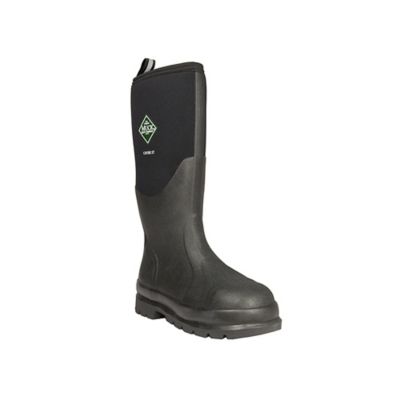
Daily care helps men’s composite toe shoes stay ready for the next shift and makes wear easier to spot before it becomes a problem. Brushing away dry dirt and wiping off grime keeps buildup from working into seams and creases. Leather may benefit from a compatible cleaner or conditioner, while textile and synthetic uppers often need a different approach; the footwear’s care directions should settle that choice. Avoid soaking shoes that are not intended for it, and let damp footwear air-dry away from direct heat. Removing the footbeds, when the design permits, can help the inside dry more thoroughly. A second pair can also give each set time to dry between long workdays. Check laces, eyelets, stitching and outsole edges as part of that routine, particularly after a day around rough surfaces or sharp debris. Worn tread, separation at the sole or damage around the protective toe area can affect how the footwear performs. A hard impact may damage a safety shoe even when the outside still looks serviceable, so follow the manufacturer’s replacement guidance after that kind of event. Intended use should also shape the choice between shoes and boots. Low-cut shoes can be convenient for level floors, shop tasks and work that calls for easy ankle movement, but they leave more of the ankle exposed. For jobs involving washdown water, standing water or muck,
Composite Toe Waterproof Work Boots offer another category to consider when added coverage and a waterproof construction fit the task. Even waterproof footwear needs care, and water can still enter over the opening. Composite toe shoes can also make a practical gift for a man starting a trade job, spending more time in the workshop or replacing worn work footwear. Knowing his size, preferred width and required safety ratings matters more than picking a style by looks alone. The pair that earns its place by the door is the one that fits his feet and the work waiting beyond it.