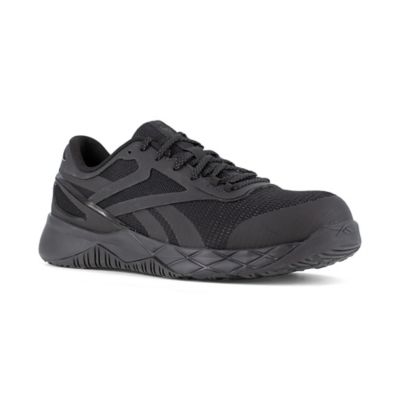
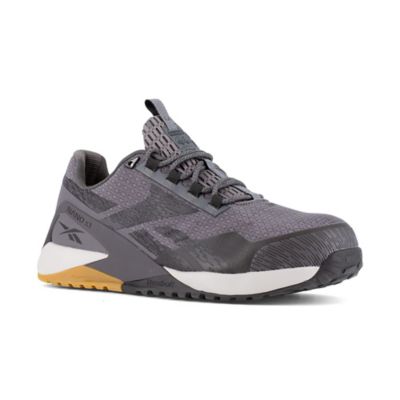
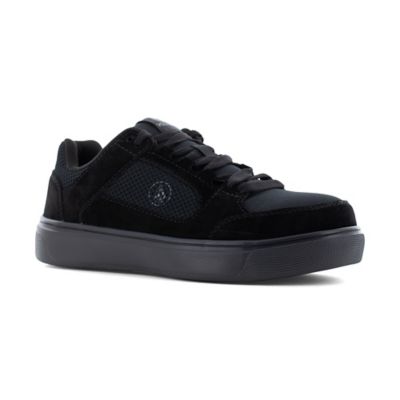
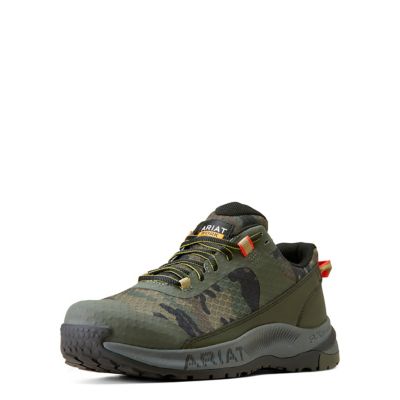
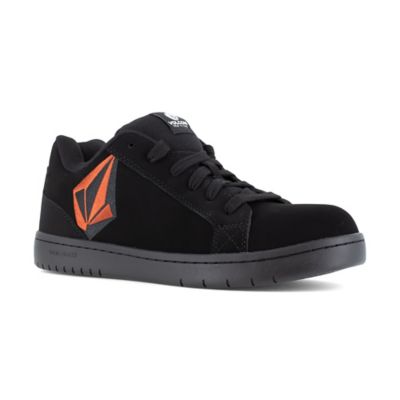
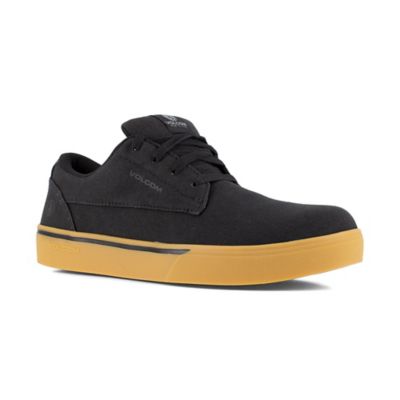
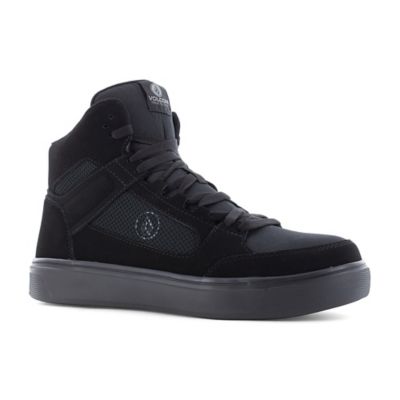
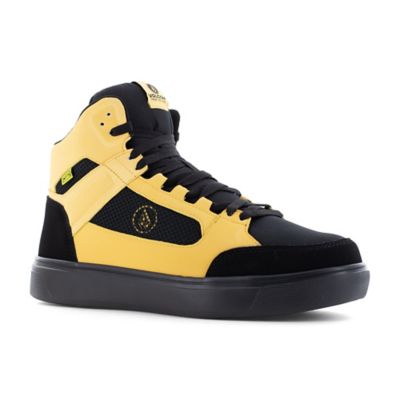
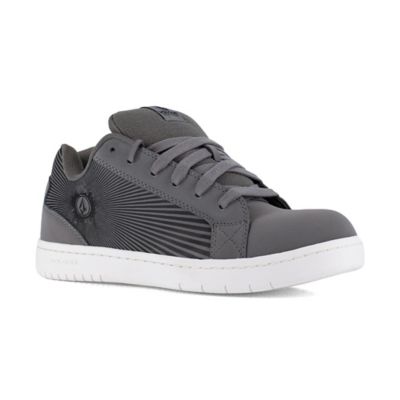
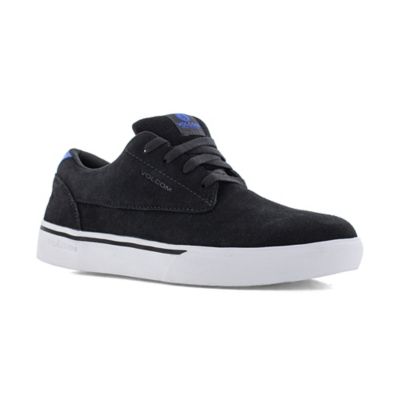
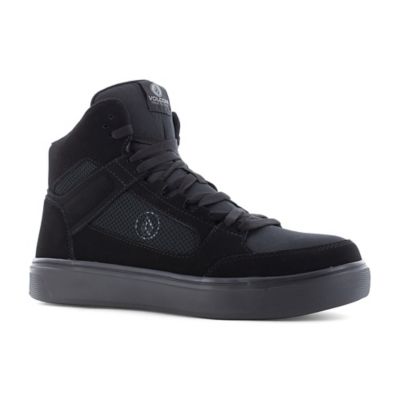
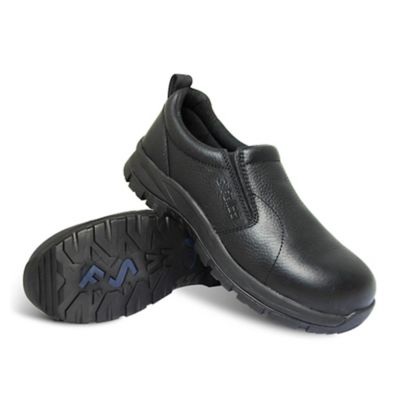
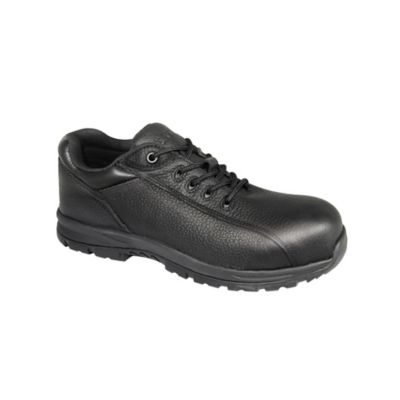
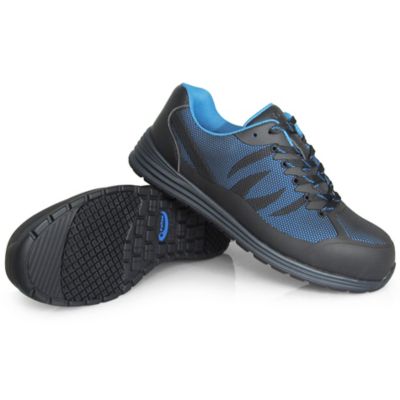
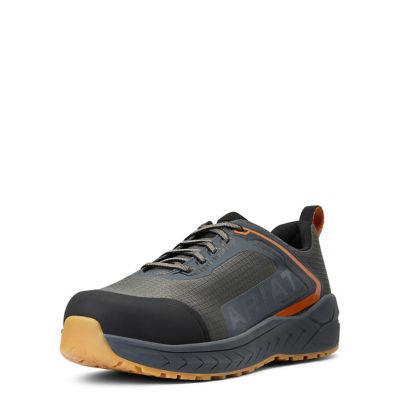
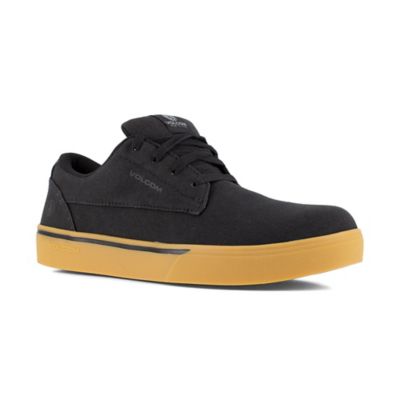
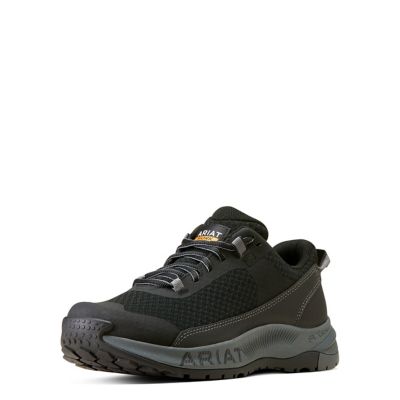
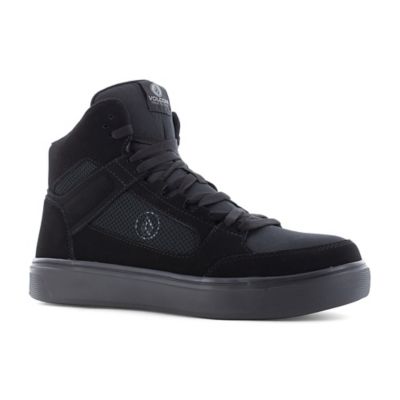
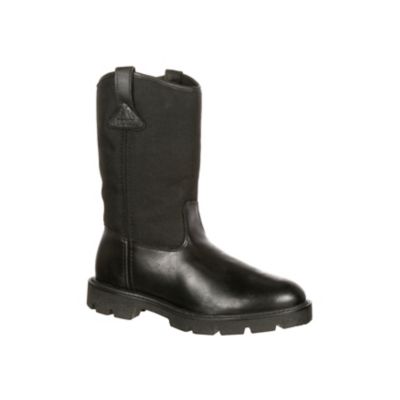
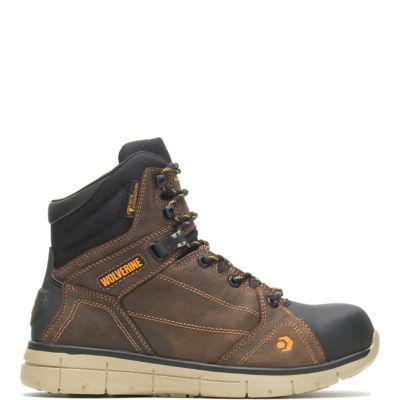
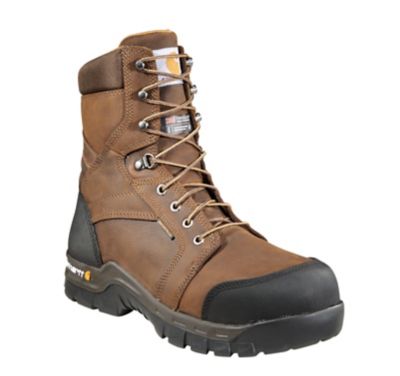
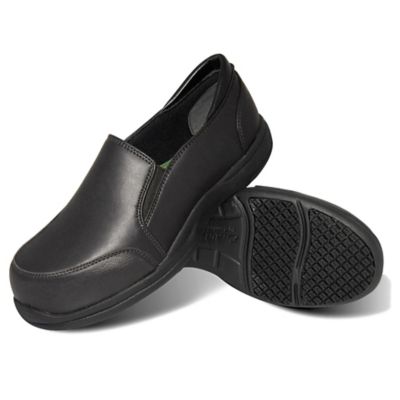
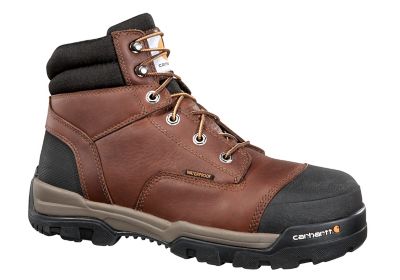
Extra wide composite toe shoes pair a roomier fit with a nonmetallic safety toe, giving broader feet space without leaving toe protection out of the picture. They’re built for people whose workday means crossing concrete floors, moving supplies through a shop, or spending hours on their feet at a packing bench. The protective toe cap typically contains materials such as fiberglass, carbon fiber, or other composites rather than steel. Depending on the construction, those materials can help keep weight down while providing impact and compression protection when the footwear meets the applicable safety standard. Extra width matters because a safety toe doesn’t stretch like the upper around it. A foot squeezed against the edge of that cap can feel cramped long before the workday ends, especially when thicker socks or normal swelling take up more room. Extra-wide sizing generally adds space across the forefoot, though the shape and depth of the toe box still vary from one shoe to another. Width markings aren’t universal: 4E commonly means extra wide in men’s footwear, while 2E may mean wide in men’s sizes and extra wide in women’s sizes. Some footwear goes wider still, including 6E, so the manufacturer’s sizing chart matters more than the width letters alone. A broad toe box and an extra-wide fit also aren’t quite the same thing. The first describes the shape around the toes; the second describes a width option for the shoe as a whole. For folks with broad feet, a high instep, or a need for additional room around the ball of the foot, both details can make a difference. The goal is space for toes to rest naturally, with a heel that stays seated instead of lifting at every step. That balance is useful whether the day involves walking a warehouse aisle or standing at a workbench sorting hardware.
Construction gives extra wide composite toe work shoes much of their character. Leather uppers can suit jobs where footwear brushes against rough surfaces, while textile and mesh panels often bring more airflow to warm indoor spaces. Reinforced areas around the toe and heel help take the scuffs that come with kneeling beside equipment or working near pallets. Water-resistant materials can handle some light moisture, but they aren’t the same as waterproof construction, and a low-cut shoe still leaves an opening around the ankle. During cooler weather, damp grass and slushy walkways make that distinction worth keeping in mind. Underfoot, cushioning helps soften repeated steps across hard floors, while the midsole, footbed, and overall shape influence how supported the foot feels. A softer shoe isn’t automatically the better match for every task; long stretches of standing may call for a steadier platform rather than a deeply sinking feel. Removable footbeds can provide room for compatible inserts, provided the change doesn’t crowd the toes or interfere with any safety requirements. Outsole design matters just as much. Rubber compounds and tread patterns affect grip, flexibility, and how readily mud or small stones collect underneath. Slip-resistant footwear can help on certain surfaces, but no sole prevents every slip, particularly where oil, ice, or loose material is present. Athletic-style construction often appeals to people covering plenty of ground, while firmer designs may feel more settled during stationary work. For jobs with frequent walking,
lightweight composite toe shoes offer another way to compare footwear by weight as well as fit. Composite toe material alone doesn’t determine the weight of the finished shoe, though. Thick outsoles, waterproof layers, upper materials, and reinforcement all contribute, so the whole construction deserves attention rather than just the toe-cap description. Flexibility should also match the job: a shoe that bends comfortably at the ball of the foot can make repeated walking and crouching feel less restrictive.
The right pair belongs to the work as much as it belongs to the foot. Warehouse crews, maintenance workers, delivery drivers, and folks handling materials around a farm shop may all need safety footwear, but their hazards aren’t identical. A composite toe doesn’t automatically mean a shoe meets a particular workplace requirement. The footwear’s markings and stated certifications should match the employer’s rules, including any applicable ASTM impact and compression requirements. Electrical hazard protection, static-dissipative properties, puncture resistance, and slip resistance are separate features, not automatic benefits of a nonmetallic toe cap. Electrical hazard footwear and static-dissipative footwear serve different purposes and aren’t interchangeable. Likewise, a composite toe doesn’t guarantee that the entire shoe is metal-free; other components may contain metal. Fit deserves the same attention as those job requirements. Trying footwear with the socks intended for work, preferably later in the day, gives a more realistic sense of room. Toes shouldn’t press against the front or sides of the safety cap when walking, crouching, or stepping down, and laces should hold the midfoot without digging across the instep. Going longer just to gain width can leave the heel loose and put the shoe’s flex point in the wrong place. With regular wear, straightforward care helps preserve comfort and spot trouble early. Brushing away dried dirt, clearing tread channels, and wiping off grime keep buildup from hiding worn areas. Cleaning methods should match the upper material and the manufacturer’s directions, especially with leather treatments or waterproof membranes. Damp footwear needs time to air-dry away from direct heat, which can affect adhesives and stiffen some materials. Flattened cushioning, separating soles, worn tread, and torn uppers are signs that the shoes need attention. After a substantial impact or compression event, follow the manufacturer’s replacement guidance even if the toe looks intact. A well-matched pair brings together enough width, the right protection, and construction suited to the ground underfoot—practical details that matter from the first load moved to the last walk across the shop.